Understanding Your Rosacea Before Treatment

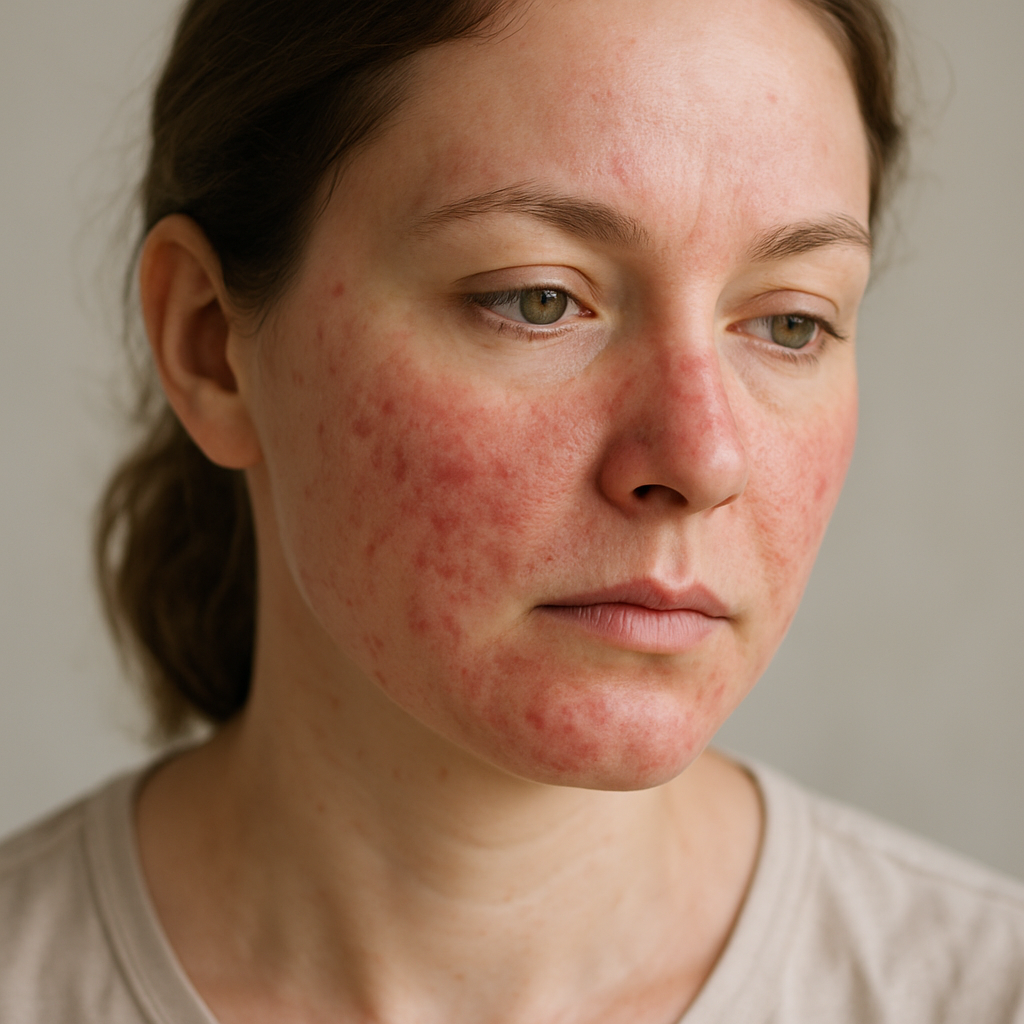
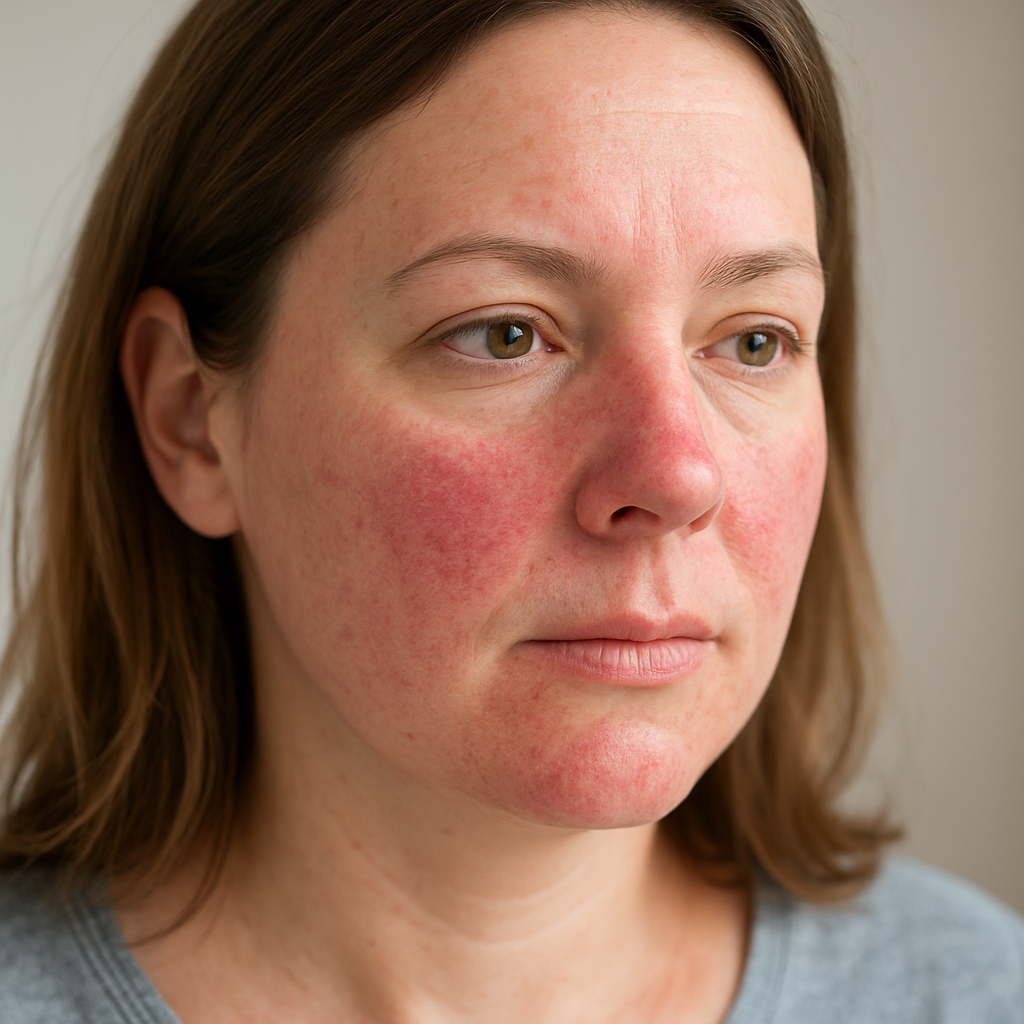
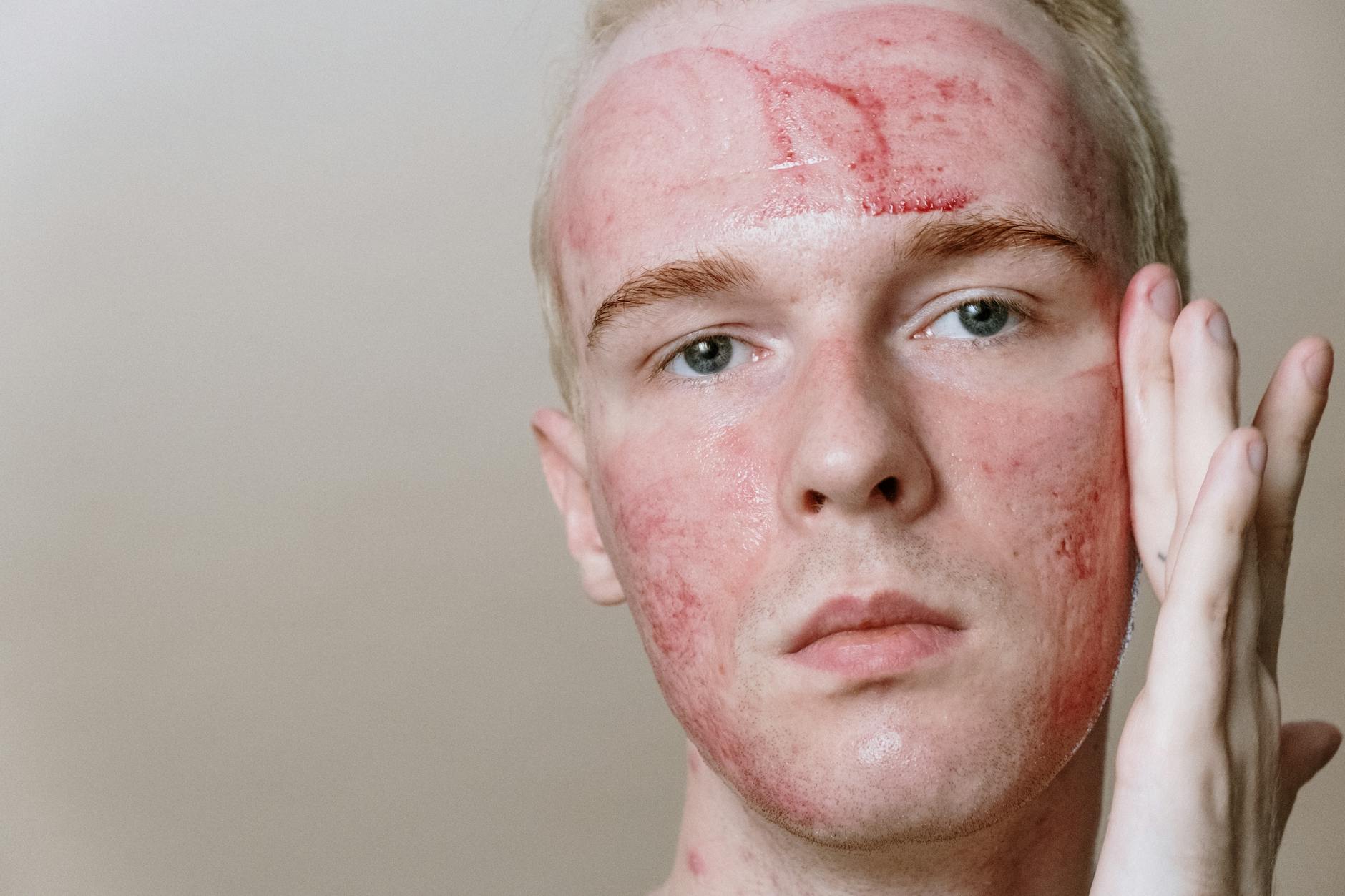
Getting clear skin starts with understanding exactly what you're dealing with. Rosacea is a chronic inflammatory skin condition that causes persistent facial redness, visible blood vessels, papules, pustules, and sometimes eye irritation. Unlike temporary breakouts or irritation, rosacea symptoms persist and often worsen without proper treatment.
“Successful rosacea treatment depends entirely on accurate diagnosis and understanding your specific subtype.”
Many patients worry about permanent scarring and social embarrassment, but proper diagnosis is your first defense against both. Rosacea presents differently from other common skin conditions that share similar symptoms. Acne Vulgaris affects 85% of people aged 12-24 years with blackheads, whiteheads, papules, pustules, nodules, cysts, and oily skin, while rosacea typically appears later in life without comedones.
Proper diagnosis also distinguishes rosacea from Atopic Dermatitis, which causes intense itching, dry scaly skin, and inflamed patches affecting 15-20% of children and 1-3% of adults worldwide. Your dermatologist will examine your specific symptoms, triggers, and skin history to determine your rosacea subtype.
Understanding your exact condition prevents wasted time on ineffective treatments and reduces the risk of worsening symptoms through inappropriate care.
Prescription Medications for Rosacea
When over-the-counter treatments aren't enough, prescription medications offer targeted solutions for different types of rosacea. Your dermatologist will select specific medications based on your primary symptoms and rosacea subtype, ensuring you get the most effective treatment possible.
“The right prescription medication can reduce rosacea flares by 75% within 12 weeks of consistent use.”
Topical metronidazole gel serves as the first-line treatment for most rosacea cases. This antibiotic gel reduces inflammation and controls the bacterial overgrowth that contributes to papules and pustules. Applied twice daily to clean skin, metronidazole typically shows improvement within 3-4 weeks. Many patients see their red bumps diminish significantly, which helps address concerns about permanent scarring from untreated inflammation.
For moderate to severe inflammatory rosacea with numerous papules and pustules, oral antibiotics provide systemic relief. Doxycycline and minocycline work by reducing inflammation throughout your body, not just on your skin surface. These medications typically require 6-12 weeks of treatment, with many patients noticing clearer skin within the first month. Your doctor will monitor your progress and adjust dosing to prevent antibiotic resistance.
Brimonidine gel targets persistent facial redness that makes many people feel self-conscious in social situations. This vasoconstrictor temporarily tightens blood vessels under your skin, reducing the appearance of redness within 30 minutes of application. The effect lasts up to 12 hours, making it ideal for special events or daily confidence.
Ivermectin cream offers a newer approach for inflammatory rosacea, particularly effective against papules and pustules. This anti-parasitic medication reduces Demodex mites on your skin while providing anti-inflammatory benefits. Applied once daily at bedtime, ivermectin often produces clearer skin within 2-4 weeks, helping you achieve your goal of preventing future breakouts through consistent use.
Professional Treatment Procedures

When topical medications haven't fully addressed visible blood vessels and persistent redness, professional in-office treatments can provide more dramatic results. These procedures target the vascular components of rosacea that creams and gels often can't reach effectively.
Laser therapy specifically targets telangiectasias—those small, visible blood vessels that create red lines across your nose and cheeks. Pulsed dye lasers work by heating the blood vessels until they collapse and are gradually absorbed by your body. Most patients see significant improvement after 2-3 sessions spaced 4-6 weeks apart.
Intense Pulsed Light (IPL) treats broader areas of redness and works well for overall facial flushing. The light penetrates skin layers to reduce inflammation and broken capillaries simultaneously. IPL typically requires 3-5 treatments for optimal results.
Electrosurgery offers precise treatment for individual blood vessels. Your dermatologist uses a tiny electrical current to seal specific vessels, making this ideal for targeting stubborn spots that resist other treatments.
Consider professional procedures when topical treatments haven't reduced visible vessels after 3-4 months of consistent use. These treatments don't cause permanent scarring when performed by qualified dermatologists, and most patients experience only temporary redness afterward. However, professional treatments work best when combined with ongoing topical maintenance to prevent new vessel formation.
Over-the-Counter Treatment Options
Over-the-counter treatments form the foundation of effective rosacea management, offering accessible relief without prescription requirements. While these products won't eliminate severe symptoms overnight, they provide essential daily support that prevents flare-ups and protects your skin from permanent damage.
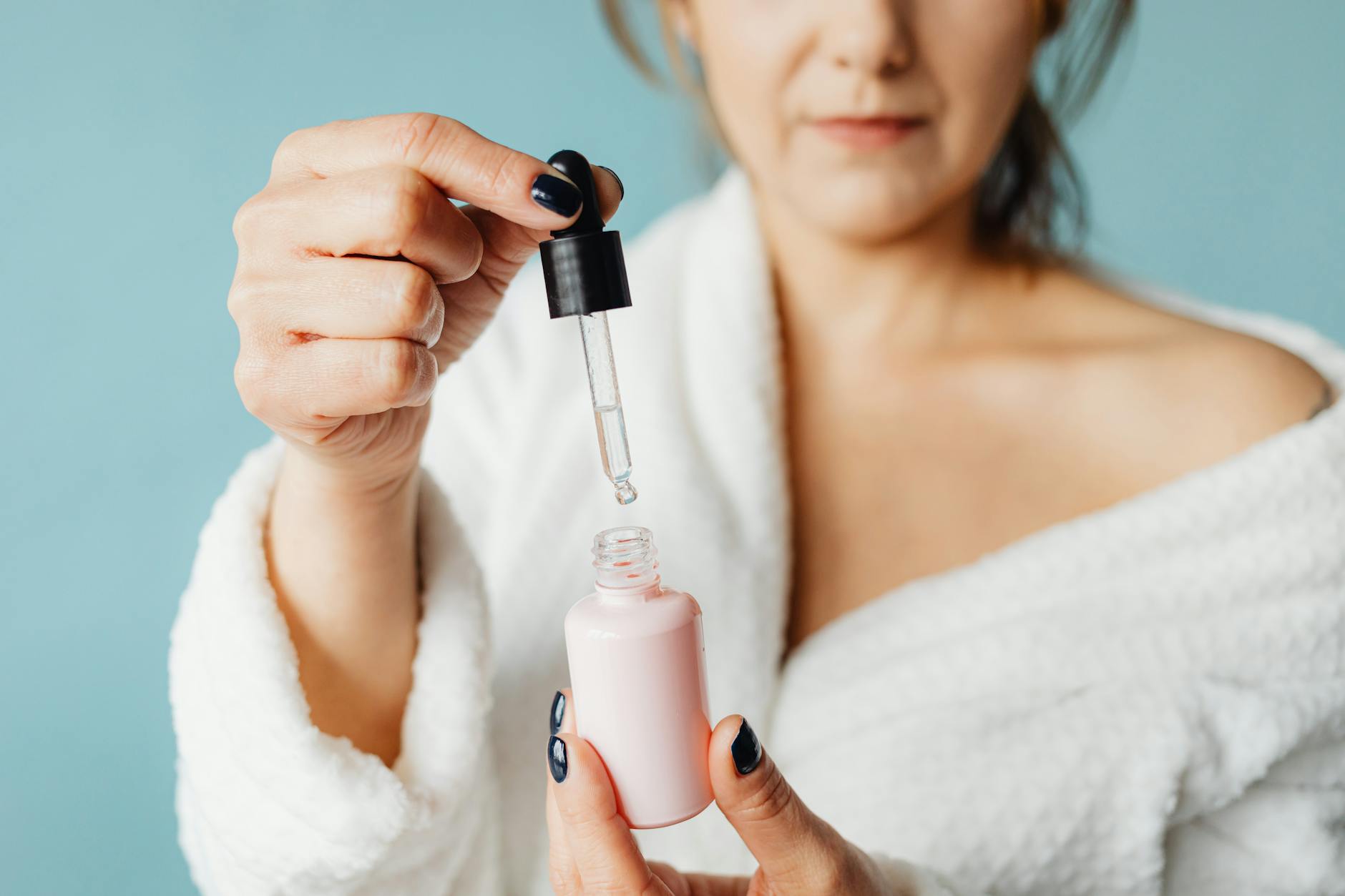
Start with gentle, fragrance-free cleansers that remove dirt without stripping your skin's protective barrier. Look for cream-based or lotion cleansers rather than foaming formulas, which can trigger irritation. Follow with a lightweight, non-comedogenic moisturizer containing ceramides or hyaluronic acid to restore hydration.
Sunscreen represents your most important daily treatment. Choose mineral sunscreens containing zinc oxide or titanium dioxide, which create a physical barrier without chemical irritation. Apply SPF 30 or higher every morning, even on cloudy days.
Anti-inflammatory ingredients can significantly reduce redness over time. Niacinamide (vitamin B3) strengthens your skin barrier and calms inflammation when used at 2-5% concentrations. Products containing azelaic acid, green tea extract, or licorice root also provide gentle anti-inflammatory benefits.
Avoid products containing alcohol, menthol, eucalyptus, or strong fragrances, which commonly trigger rosacea flare-ups. Skip physical scrubs and chemical exfoliants like glycolic acid, which can worsen inflammation. For example, popular anti-aging retinol products often cause significant irritation in rosacea-prone skin.
Consistency matters more than expensive ingredients. Building a simple routine with gentle, proven products protects your skin from progressive damage while you explore additional treatment options with your dermatologist.
Natural and Alternative Treatment Approaches
Natural treatments can support your rosacea management plan, though they work more slowly than medications. While these approaches won't cause permanent scarring, managing expectations remains important for your peace of mind.
Anti-inflammatory foods form the foundation of dietary management. Focus on omega-3 rich fish like salmon, leafy greens, and colorful vegetables while avoiding known triggers like spicy foods and alcohol. Many patients notice improvements within 4-6 weeks of consistent dietary changes.
Green tea compresses provide immediate relief during flare-ups. Brew strong green tea, let it cool completely, then apply with a clean cloth for 10-15 minutes. The anti-inflammatory compounds reduce redness and calm irritated skin.
Probiotics support the gut-skin connection that influences rosacea severity. Research shows specific strains like Lactobacillus casei can reduce inflammatory markers. Choose supplements with at least 10 billion CFUs or eat yogurt with live cultures daily.
Stress management deserves equal attention since stress directly triggers flares. Practice deep breathing exercises, maintain regular sleep schedules, and consider meditation apps. Even five minutes of daily stress reduction can prevent future breakouts and help you feel more in control of your condition.
Creating Your Rosacea Treatment Plan

Working with your dermatologist to create a personalized rosacea treatment plan requires patience and strategic thinking. Your doctor will typically start with the gentlest approach first, often recommending basic skincare changes and topical treatments before considering stronger medications. This gradual method protects your sensitive skin from unnecessary irritation while building an effective foundation for long-term management.
Your dermatologist will document your current symptoms and identify your rosacea subtype.
Initial therapy focuses on basic skincare and mild topical medications.
Treatment intensity increases gradually based on your skin's response over 6-12 weeks.
Tracking your triggers and treatment responses becomes crucial for success. Keep a simple diary noting flare-ups, potential triggers like spicy food or stress, and how your skin responds to each treatment. For example, if your papules improve after four weeks of metronidazole gel but your flushing persists, your doctor might add an oral medication or recommend trigger avoidance strategies.
Set realistic timeline expectations from the start. Most topical treatments require 6-8 weeks to show noticeable improvement, while oral medications may work faster but need careful monitoring. Don't expect overnight transformation—rosacea management is a gradual process that prevents the permanent scarring and visible blood vessels that worry many patients.
Know when to request treatment adjustments. Contact your dermatologist if you experience severe irritation, no improvement after 8-12 weeks, or if symptoms worsen despite treatment. Some patients need combination therapy or different medication classes to achieve control, and your doctor can modify the plan based on your specific response patterns.
Managing Treatment Expectations and Long-term Care
Understanding that rosacea is a chronic condition requiring lifelong management helps set realistic expectations for your treatment journey. Unlike temporary skin issues, rosacea doesn't have a permanent cure, but effective long-term control is absolutely achievable with consistent care.
Most patients begin seeing noticeable improvements within 4 to 8 weeks of starting treatment. However, significant results often take 3 to 4 months to fully develop. Your skin may initially experience some irritation as it adjusts to new medications, which is normal and typically subsides within the first few weeks.
Maintenance therapy becomes crucial once your symptoms improve. Many patients can reduce treatment intensity but rarely eliminate it completely. Watch for signs your treatment needs adjustment: increased redness, new persistent bumps, burning sensations, or symptoms spreading to previously unaffected areas.
Regular follow-up appointments every 3 to 6 months help your dermatologist monitor progress and prevent flares. This ongoing partnership protects against the permanent changes and social embarrassment you want to avoid, ensuring your skin stays clear and healthy long-term.
Rosacea requires ongoing management, but with consistent treatment and regular dermatologist visits, you can maintain clear skin and prevent permanent damage.
Frequently Asked Questions
What is rosacea and how is it different from acne?
Rosacea is a chronic inflammatory skin condition that causes persistent facial redness, visible blood vessels, papules, pustules, and sometimes eye irritation. Unlike acne which affects 85% of people aged 12-24 with blackheads and whiteheads, rosacea typically appears later in life (after age 30) without comedones. Rosacea symptoms persist and often worsen without proper treatment, making it distinct from temporary breakouts.
How effective are prescription medications for treating rosacea?
The right prescription medication can reduce rosacea flares by 75% within 12 weeks of consistent use. Topical metronidazole gel, the first-line treatment, typically shows improvement within 3-4 weeks when applied twice daily. For moderate to severe cases, oral antibiotics like doxycycline provide systemic relief, with many patients noticing clearer skin within the first month.
At what age does rosacea typically start?
Rosacea typically begins after age 30, which is much later than acne that commonly affects people aged 12-24. This later onset age is one of the key distinguishing factors that helps dermatologists differentiate rosacea from other skin conditions. Understanding the typical age of onset helps with proper diagnosis and appropriate treatment selection.
How long does it take for rosacea treatments to work?
Most rosacea treatments show results within 3-4 weeks of consistent use. Topical metronidazole gel typically demonstrates improvement in this timeframe, while oral antibiotics may show clearer skin within the first month. However, full treatment courses often require 6-12 weeks to achieve optimal results and prevent symptom recurrence.
Disclaimer: This content is for informational purposes only and does not constitute medical advice. Always consult a qualified healthcare provider before making health decisions.