Understanding Rosacea Triggers

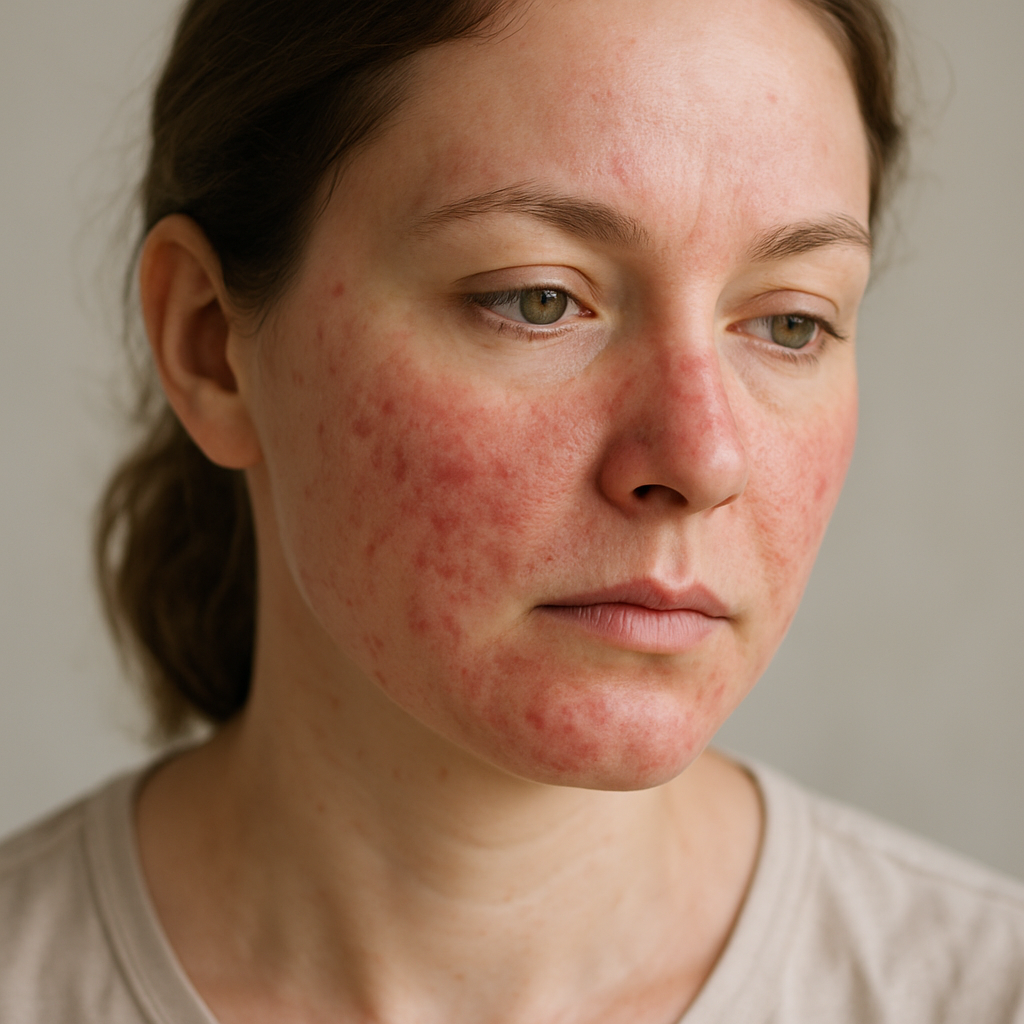
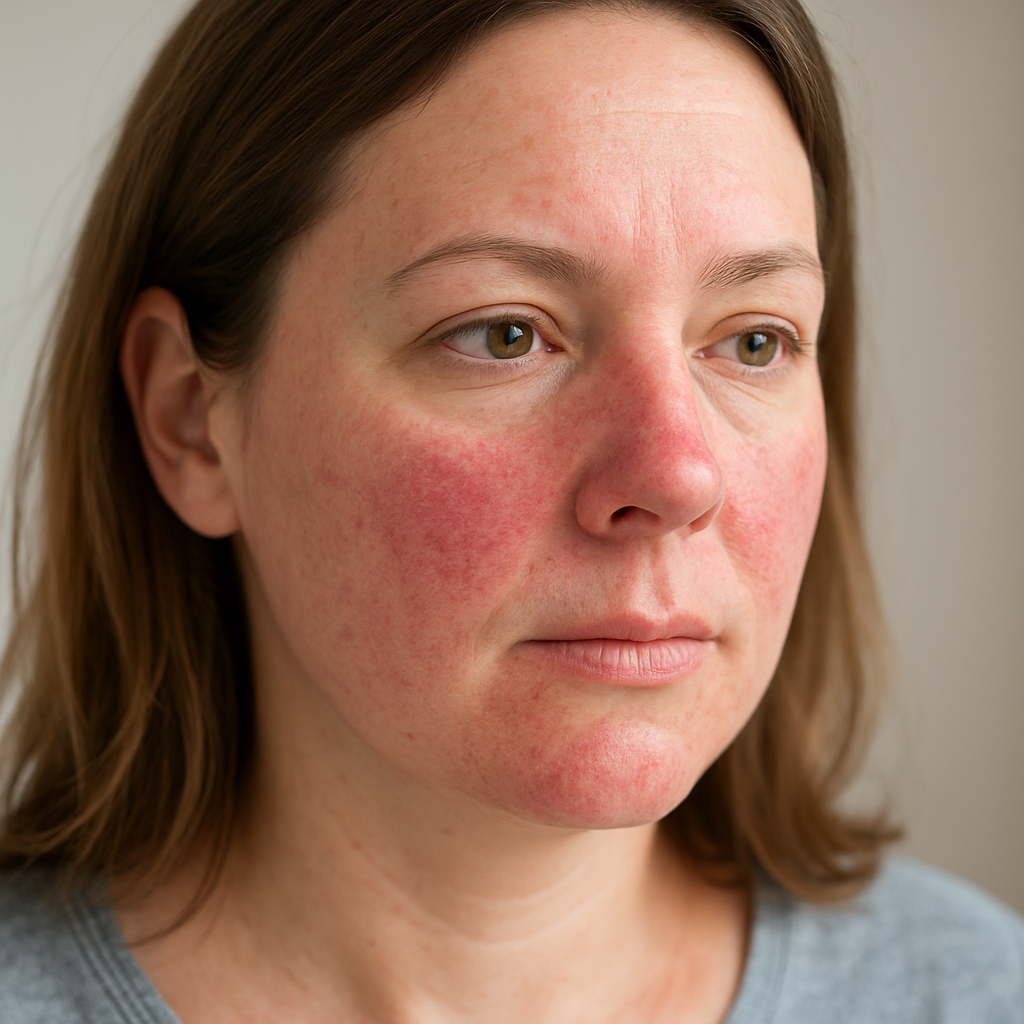
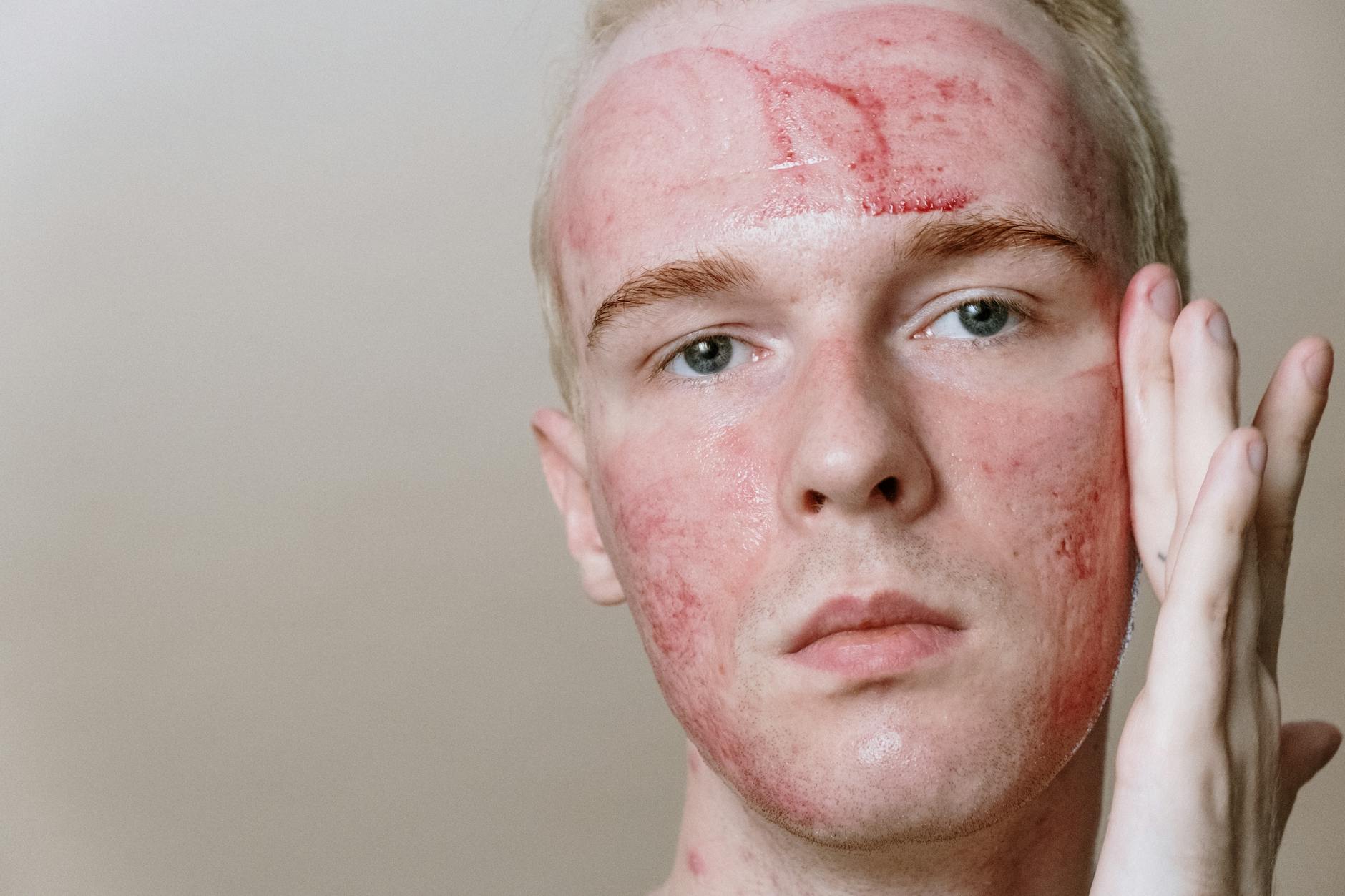
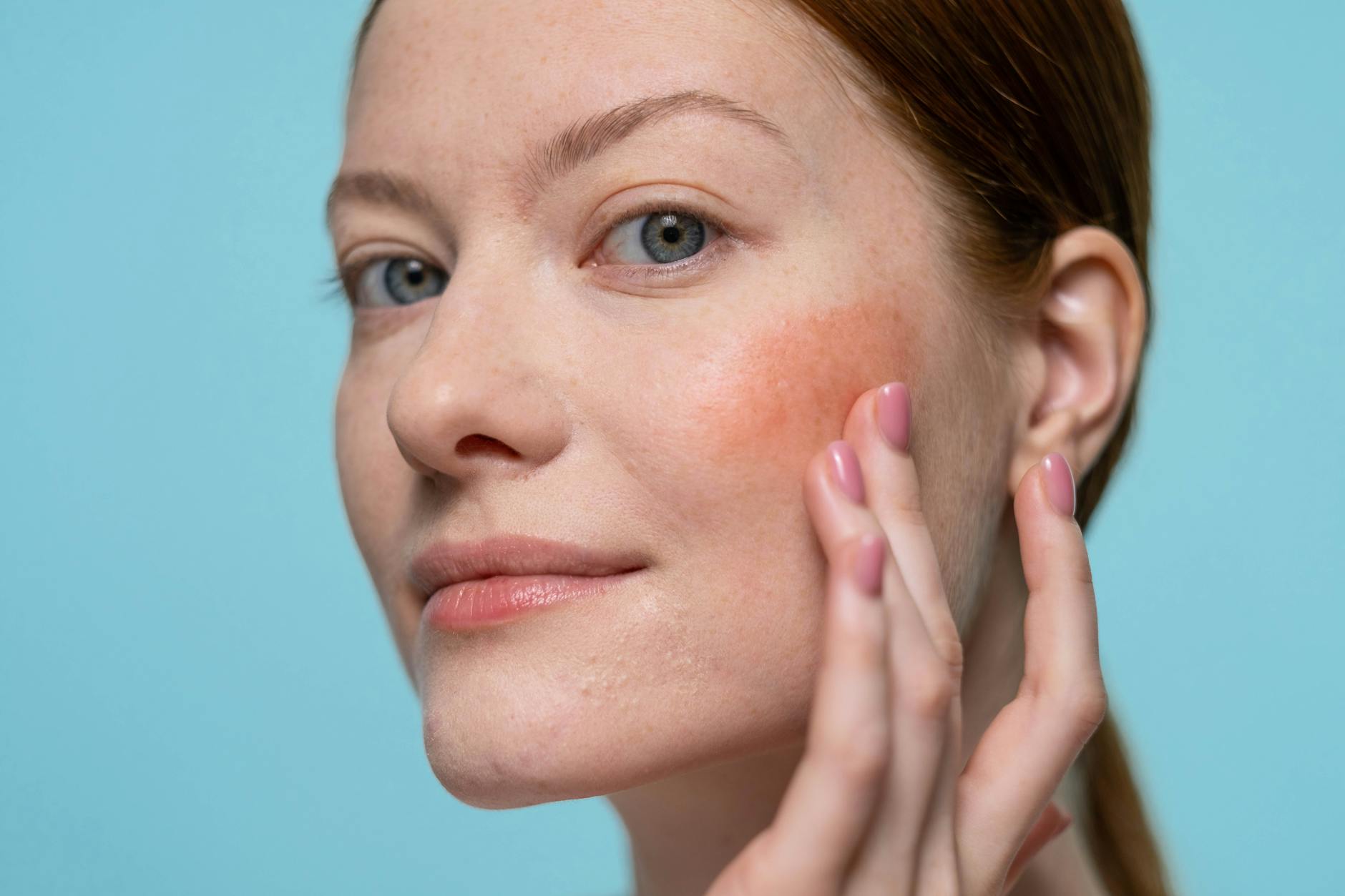
Rosacea triggers are specific factors that cause your symptoms to flare up or worsen. Think of them as buttons that activate your rosacea when pressed. These triggers don't cause rosacea itself, but they spark the inflammatory response that leads to redness, bumps, and visible blood vessels on your face.
What makes rosacea particularly frustrating is that triggers vary dramatically from person to person. Your friend might break out after drinking wine, while spicy food sends your cheeks into a red rage. Some people react to hot showers, others to certain skincare ingredients, and many find that stress alone can trigger a flare-up.
“Identifying your personal triggers is the single most effective way to prevent rosacea flares and maintain clearer skin.”
Common triggers include sun exposure, heat, alcohol, spicy foods, stress, certain skincare products, and even emotional situations. Environmental factors like wind, humidity changes, and temperature extremes also rank high on the trigger list. Understanding that these factors activate your rosacea helps explain why your symptoms seem unpredictable or why certain days bring worse flares than others.
The good news is that recognizing your specific triggers puts you in control. When you know that hot coffee or your morning jog tends to cause redness, you can take preventive steps. This knowledge transforms rosacea from an unpredictable condition into something manageable, reducing both the frequency of flares and the anxiety that comes with wondering when the next outbreak will strike.
For example, if you notice your cheeks flush every time you eat Thai food, you've identified a dietary trigger worth avoiding or preparing for with preventive measures.
Common Environmental Triggers

Environmental factors rank among the most powerful rosacea triggers, often catching people off guard during seemingly routine activities. Understanding these triggers helps you protect your skin and prevent embarrassing flare-ups that can damage your confidence.
Sun exposure poses the greatest environmental threat to rosacea-prone skin. Ultraviolet radiation triggers inflammatory responses that worsen redness and can accelerate visible blood vessel formation. Even brief exposure during cloudy days causes problems since UV rays penetrate clouds easily. Wearing broad-spectrum SPF 30 sunscreen daily becomes essential, not optional.
“Sun exposure triggers rosacea flare-ups in over 80% of patients, making daily sunscreen the single most important prevention step.”
Temperature extremes create another major challenge for rosacea management. Hot summer weather dilates facial blood vessels, intensifying redness and creating that flushed appearance many people fear. Cold winter air has the opposite effect initially but causes rebound dilation when you enter heated buildings. This temperature shock frequently triggers sudden flares.
Wind exposure strips moisture from sensitive facial skin while causing micro-irritation that sparks inflammation. Beach visits, hiking, and even walking on windy city streets can trigger symptoms. Humidity changes also affect rosacea severity. Low humidity environments dry out protective skin barriers, while high humidity can increase sweating and heat retention.
Indoor climate control systems present hidden triggers most people overlook. Forced air heating creates dry conditions that irritate sensitive skin, while air conditioning can cause rapid temperature changes when moving between indoor and outdoor environments. Office buildings with aggressive HVAC systems often worsen symptoms throughout workdays.
For example, a typical scenario involves spending time in air conditioning, then stepping outside into hot, humid weather, followed by returning to cold indoor spaces. These rapid environmental shifts stress rosacea-prone skin and frequently cause breakthrough symptoms even when other triggers remain controlled. Planning your exposure and using protective measures prevents most environment-related flares.
Dietary and Lifestyle Triggers
What you eat and drink plays a crucial role in rosacea management. Certain foods and beverages can trigger flare-ups within minutes of consumption, making it essential to identify and avoid your personal triggers.
Spicy foods top the list of dietary culprits. Hot peppers, curry dishes, and foods containing capsaicin can cause immediate facial flushing and worsen rosacea symptoms. Alcohol, particularly red wine, beer, and spirits, dilates blood vessels and often triggers significant flare-ups. Many patients notice their skin becomes red and inflamed within 30 minutes of drinking alcohol.
Hot beverages present another common trigger. Coffee, tea, hot chocolate, and even hot soup can cause facial flushing due to their temperature rather than their ingredients. Try letting drinks cool to room temperature or adding ice cubes to reduce their heat.
Stress management becomes critical for rosacea control since emotional stress directly impacts your skin's inflammatory response. Chronic stress can lead to persistent redness and increase the frequency of flare-ups, potentially causing the permanent facial changes you want to avoid. Practice deep breathing exercises, meditation, or yoga to keep stress levels manageable.
Exercise presents a double-edged situation for rosacea patients. While regular physical activity benefits overall health, intense workouts that cause overheating and excessive sweating can trigger flare-ups. Choose low-intensity activities like walking, swimming in cool water, or gentle stretching. Exercise in air-conditioned environments when possible and cool down gradually to prevent sudden temperature changes.
Keep a detailed trigger diary noting what you eat, drink, and do before flare-ups occur. This simple tracking method helps you identify patterns and avoid specific triggers that worsen your rosacea symptoms.
Skincare Product Triggers
Your skincare routine might be unknowingly worsening your rosacea symptoms. Many common skincare products contain ingredients that trigger flare-ups, leaving your skin more inflamed and sensitive than before.
Harsh ingredients pose the biggest threat to rosacea-prone skin. Avoid alcohol-based toners, products with menthol or eucalyptus, retinoids, alpha hydroxy acids, and physical scrubs with rough particles. These ingredients strip your skin's protective barrier and increase inflammation. Witch hazel, often marketed as gentle, can also irritate sensitive rosacea skin.
Fragrance sensitivity affects most people with rosacea. Both synthetic fragrances and natural essential oils can trigger immediate reactions. Choose fragrance-free products rather than "unscented" ones, which may contain masking fragrances. This applies to cleansers, moisturizers, sunscreens, and makeup products.
Over-cleansing creates a cycle of irritation that worsens rosacea symptoms. Washing your face more than twice daily or using multiple active ingredients strips natural oils and weakens your skin barrier. People with both rosacea and Atopic Dermatitis face double challenges, as Atopic Dermatitis causes dry, itchy, and inflamed skin patches that require gentler care approaches.
Apply a small amount to your inner wrist or behind your ear for 48 hours before using on your face.
Wait one week between adding new products to identify potential triggers easily.
Look for products labeled "for sensitive skin" with minimal ingredient lists. Zinc oxide, niacinamide, and ceramides typically work well for rosacea-prone skin without causing irritation or permanent scarring concerns.
How to Track Your Personal Triggers

Understanding your specific rosacea triggers requires systematic tracking rather than guesswork. Your triggers might be completely different from someone else's, which is why keeping detailed records becomes essential for achieving clear skin and preventing future flare-ups.
Start with a simple trigger diary using either a notebook or your phone. Record the date, time, and severity of each flare-up on a scale of 1-10. Note everything you ate that day, products you used, weather conditions, stress levels, and activities. Don't worry about perfection—consistency matters more than capturing every detail.
Record flare-ups immediately when they occur along with potential triggers from the past 24-48 hours.
Look for recurring themes by comparing your worst flare-up days with your clear skin days.
Circle the most frequent triggers and test elimination of one trigger at a time.
Several smartphone apps can streamline this process. MyRA by the National Rosacea Society offers specialized tracking features designed specifically for rosacea patients. ArmpitRash and SkinVision provide general skin condition monitoring. These apps send helpful reminders and generate reports you can share with your dermatologist.
Pattern recognition becomes clearer after 4-6 weeks of consistent tracking. Look for triggers that appear 24-48 hours before flare-ups, since rosacea reactions often have a delayed response. For example, you might notice that spicy Thai food on Monday consistently leads to redness on Wednesday.
Remember that identifying triggers takes patience, but this systematic approach prevents the permanent scarring and social embarrassment you're worried about by catching patterns before they become severe breakouts.
Prevention Strategies That Work
Preventing rosacea flare-ups requires consistent daily habits rather than reactive treatments. A simple morning routine works best: wash your face with lukewarm water and a gentle, fragrance-free cleanser, apply a mineral sunscreen with at least SPF 30, and use a lightweight moisturizer designed for sensitive skin. Keep your skincare routine minimal—complex products with multiple active ingredients often trigger more problems than they solve.
Apply sunscreen and moisturizer to clean skin before leaving home.
Remove makeup gently and apply a calming moisturizer before bed.
Keep cooling gel or anti-inflammatory cream handy for sudden flare-ups.
Environmental management prevents many triggers before they affect your skin. Avoid direct sunlight during peak hours, use a humidifier in dry indoor spaces, and choose makeup with mineral-based formulas. When dining out, request mild preparations and avoid obvious triggers like spicy foods or alcohol if these affect you personally.
Long-term success depends on building sustainable habits. Schedule regular dermatology appointments every three to six months, even when your skin looks clear. Your dermatologist can adjust treatments before problems worsen and help you stay ahead of seasonal changes that might trigger flare-ups.
Professional support becomes crucial when home management isn't enough. Dermatologists can prescribe topical antibiotics, oral medications, or laser treatments that address persistent redness and visible blood vessels. Early intervention prevents the permanent changes and scarring that many people fear most about rosacea progression.
Consistent daily prevention with professional guidance prevents rosacea progression better than reactive treatments alone.
Frequently Asked Questions
What are rosacea triggers?
Rosacea triggers are specific factors that cause your symptoms to flare up or worsen, acting like buttons that activate your rosacea when pressed. These triggers don't cause rosacea itself, but they spark the inflammatory response that leads to redness, bumps, and visible blood vessels on your face. Common triggers include sun exposure, heat, alcohol, spicy foods, stress, certain skincare products, and environmental factors like wind and temperature extremes.
Why is sun exposure bad for rosacea?
Sun exposure poses the greatest environmental threat to rosacea-prone skin, triggering inflammatory responses that worsen redness and can accelerate visible blood vessel formation. Ultraviolet radiation triggers rosacea flare-ups in over 80% of patients, even during brief exposure on cloudy days since UV rays penetrate clouds easily. This makes wearing broad-spectrum SPF 30 sunscreen daily essential for managing rosacea symptoms.
How do temperature changes affect rosacea?
Temperature extremes create major challenges for rosacea management by affecting facial blood vessels. Hot weather dilates facial blood vessels, intensifying redness, while cold air causes initial constriction followed by rebound dilation when entering heated buildings. This temperature shock frequently triggers sudden flares, making temperature regulation important for symptom control.
Are rosacea triggers the same for everyone?
No, rosacea triggers vary dramatically from person to person, which makes the condition particularly frustrating. Your friend might break out after drinking wine, while spicy food might trigger your symptoms, and some people react to hot showers or stress alone. Identifying your personal triggers is the single most effective way to prevent rosacea flares and maintain clearer skin.
How can I control my rosacea triggers?
Recognizing your specific triggers puts you in control of managing your rosacea symptoms. When you know that certain foods, activities, or environmental factors tend to cause redness, you can take preventive steps or prepare with preventive measures. This knowledge transforms rosacea from an unpredictable condition into something manageable, reducing both the frequency of flares and the anxiety about when the next outbreak will strike.
Disclaimer: This content is for informational purposes only and does not constitute medical advice. Always consult a qualified healthcare provider before making health decisions.