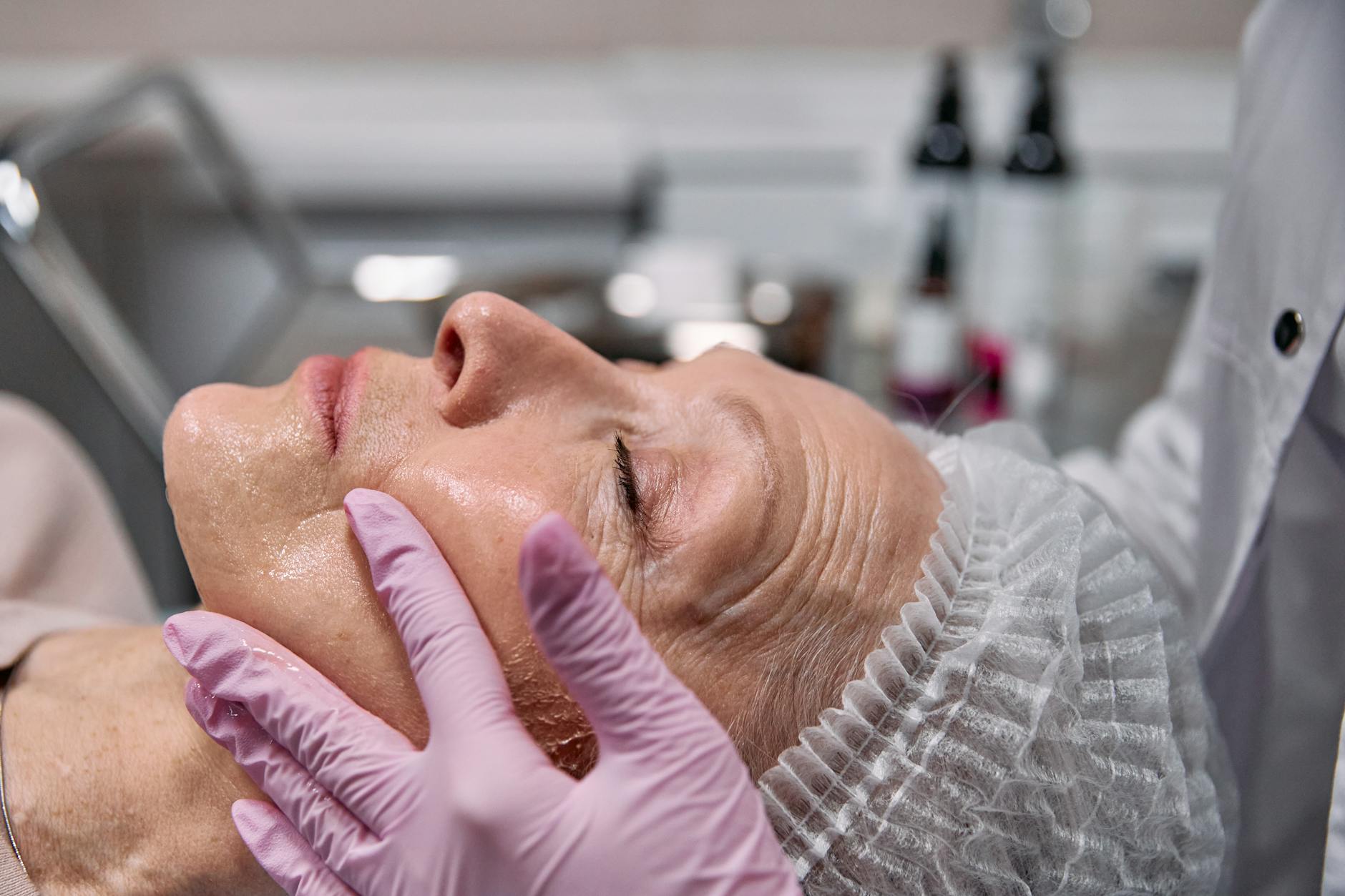

What Are Age-Related Skin Conditions?

Age-related skin conditions are changes that occur in your skin as you get older. These conditions develop because your skin naturally loses its ability to repair and maintain itself over time.
“Your skin produces 1% less collagen each year after age 20, leading to visible changes in texture and appearance.”
The aging process affects your skin's underlying structure in several ways. Your body produces less collagen and elastin, the proteins that keep skin firm and elastic. This reduction causes wrinkles, sagging, and loss of volume that many people notice in their thirties and forties.
Cumulative sun exposure plays a major role in accelerating these changes. Years of UV radiation damage skin cells and break down collagen faster than normal aging alone. This explains why sun-protected areas of your body often look younger than frequently exposed areas like your face and hands.
Common Age-Related Skin Conditions

Several distinct skin conditions become increasingly common as we age. Understanding these changes can help reduce anxiety about their appearance and guide appropriate treatment decisions.
Age spots and solar lentigines appear as brown or black patches on sun-exposed areas like hands, face, and shoulders. These flat spots develop from years of UV exposure and typically measure between a few millimeters to several centimeters across.
“Most age-related skin changes are cosmetic concerns rather than medical emergencies.”
Seborrheic keratoses look like waxy, scaly growths that seem "stuck on" the skin. They range from light tan to dark brown and often have a rough, warty texture. These benign growths commonly appear on the chest, back, and face.
Cherry angiomas are small, bright red bumps caused by dilated blood vessels. They typically start appearing after age 30 and become more numerous with time.
Skin tags are soft, flesh-colored growths that hang from the skin on thin stalks. They frequently develop in areas where skin rubs against skin or clothing, such as the neck, armpits, and groin.
Wrinkles and fine lines form as collagen production decreases and skin loses elasticity, particularly around the eyes, mouth, and forehead where facial expressions create repeated creasing.
How Skin Types Affect Age-Related Changes
Understanding your skin type helps predict how aging will affect you and guides your skincare choices. Each skin type experiences distinct aging patterns that require different approaches.
Oily Skin ages more slowly than other types because excess sebum provides natural moisture and protection. While this means fewer wrinkles and fine lines, enlarged pores become more noticeable over time. The good news is that oily skin often maintains elasticity longer.
Dry Skin shows aging signs earliest, with fine lines appearing around the eyes and mouth first. Without adequate natural oils, this skin type becomes increasingly rough and flaky with age, making wrinkles more pronounced.
Combination Skin creates uneven aging patterns. The oily T-zone ages slower while dry cheek areas develop wrinkles faster, requiring targeted treatments for different facial zones.
Sensitive Skin needs gentle anti-aging products to avoid irritation and inflammation, which can actually accelerate aging. Harsh treatments may cause redness and scarring, so patience with milder formulations is essential.
When to See a Dermatologist
While many age-related skin changes are normal, certain warning signs require immediate professional attention. Understanding when to seek help can prevent serious complications and address your concerns about lasting skin damage.
Schedule a dermatologist visit if existing moles or spots change in size, color, shape, or texture. New growths that bleed, itch, or feel tender warrant prompt evaluation. For example, a previously smooth brown spot that develops irregular borders or multiple colors needs assessment.
Beyond suspicious lesions, establish routine annual skin cancer screenings after age 50, or earlier if you have risk factors like fair skin or family history. Early detection transforms potentially serious conditions into manageable ones, giving you confidence in your skin health journey.
Prevention and Management Tips
Protecting your skin from further age-related changes starts with consistent daily habits. Apply broad-spectrum sunscreen with SPF 30 or higher every morning, even on cloudy days, as UV damage accelerates aging and can worsen existing skin concerns.
Apply sunscreen as the final step in your skincare routine.
Use mild, fragrance-free cleansers to avoid irritating aging skin.
Apply moisturizer twice daily to maintain your skin's protective barrier.
Professional treatments like chemical peels, microdermabrasion, and laser therapy can address existing damage effectively. These procedures won't cause permanent scarring when performed by qualified professionals, helping restore confidence while preventing future issues.
Consistent sun protection and gentle daily care prevent most age-related skin damage from worsening.
Frequently Asked Questions
What are age-related skin conditions?
Age-related skin conditions are changes that occur in your skin as you get older due to your skin's reduced ability to repair and maintain itself over time. These conditions develop because your body produces less collagen and elastin after age 20, with collagen production decreasing by 1% each year. The aging process affects your skin's underlying structure, causing wrinkles, sagging, and loss of volume that typically become noticeable in your thirties and forties.
What are the most common age-related skin conditions?
The most common age-related skin conditions include age spots and solar lentigines (brown or black patches on sun-exposed areas), seborrheic keratoses (waxy, scaly growths), cherry angiomas (small red bumps from dilated blood vessels), skin tags (soft growths on thin stalks), and wrinkles and fine lines. These conditions typically develop due to decreased collagen production and cumulative sun exposure over time.
How does skin type affect aging?
Different skin types experience distinct aging patterns that require different approaches. Oily skin ages more slowly because excess sebum provides natural moisture and protection, though pores may become more noticeable. Dry skin shows aging signs earliest with fine lines appearing first around the eyes and mouth. Combination skin creates uneven aging patterns where the oily T-zone ages slower while dry cheek areas develop wrinkles faster.
Does sun exposure cause age-related skin changes?
Yes, cumulative sun exposure plays a major role in accelerating age-related skin changes. Years of UV radiation damage skin cells and break down collagen faster than normal aging alone. This explains why sun-protected areas of your body often look younger than frequently exposed areas like your face and hands.
Are age-related skin changes dangerous?
Most age-related skin changes are cosmetic concerns rather than medical emergencies. However, certain warning signs require immediate professional attention from a dermatologist. While many changes like age spots, skin tags, and wrinkles are normal parts of aging, it's important to monitor your skin for any unusual changes that may need evaluation.
Disclaimer: This content is for informational purposes only and does not constitute medical advice. Always consult a qualified healthcare provider before making health decisions.