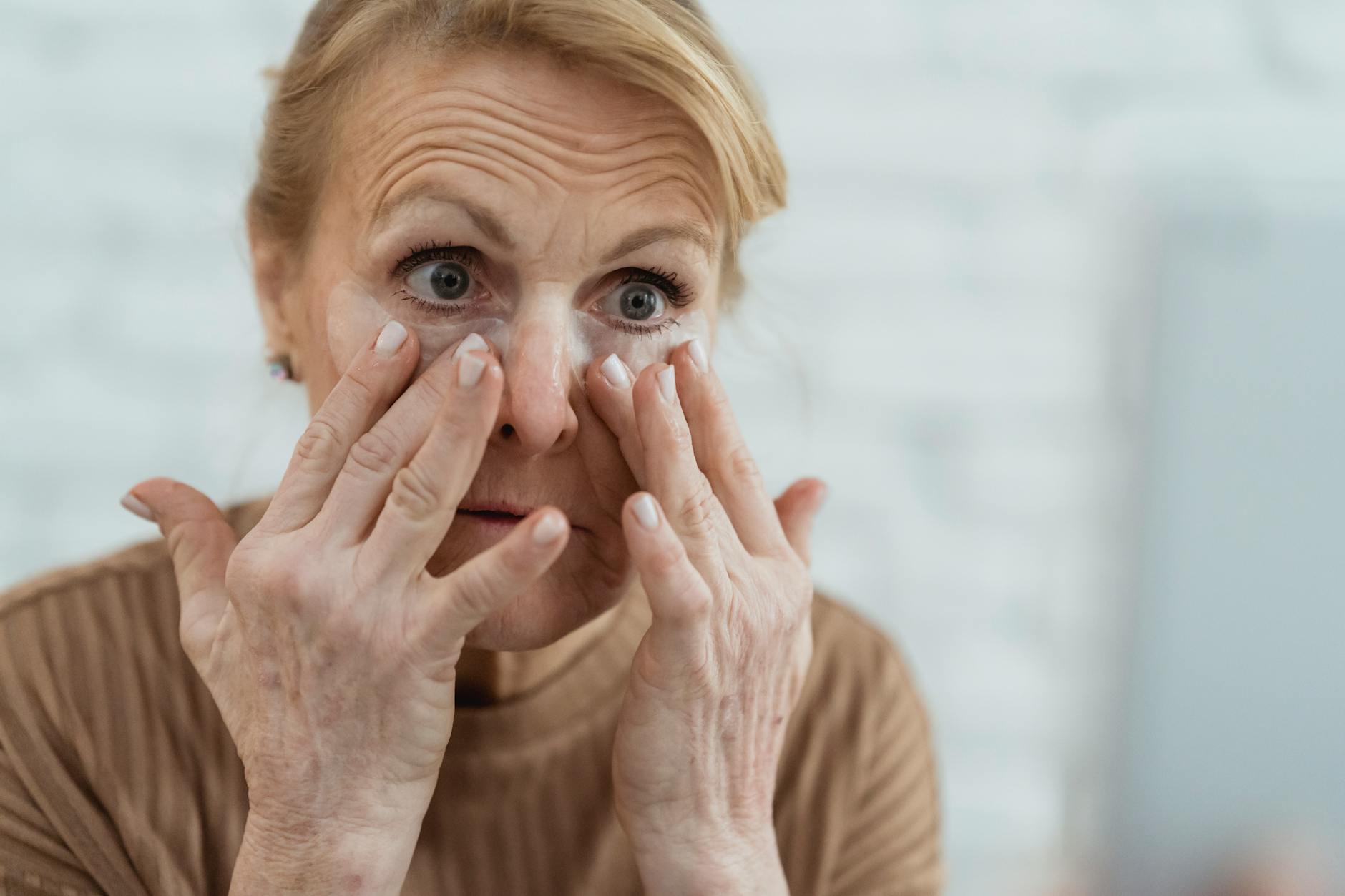

Understanding Your Skin After 60

Mature skin undergoes significant changes that make your previous skincare routine less effective. As you age past 60, your skin produces fewer natural oils, leading to reduced elasticity and the formation of fine lines. This decreased oil production also means your skin barrier becomes compromised, making it more susceptible to irritation and environmental damage.
“Your skin's ability to repair itself slows dramatically after 60, requiring a completely different approach to skincare.”
Cell turnover also slows considerably in mature skin, dropping from every 28 days to 45-60 days. This slower regeneration creates thinner, more fragile skin that bruises easily and heals slowly. While this might seem concerning, understanding these changes helps you choose appropriate products that work with your skin's new needs rather than against them.
Unlike younger skin types that focus on oil control or acne prevention, mature skin requires intensive hydration, gentle exfoliation, and protective ingredients. Your skin's reduced collagen production means it needs extra support to maintain its structure and appearance through targeted skincare strategies.
Essential Skincare Steps for Mature Skin

Building an effective routine for mature skin requires gentle yet thorough care that addresses age-related changes without causing irritation. Your skin after 60 needs more moisture and protection than ever before.
Use a cream or oil-based cleanser twice daily to remove impurities without stripping natural oils.
Apply a rich moisturizer to damp skin within three minutes of cleansing to lock in hydration.
Apply broad-spectrum SPF 30 or higher every morning, even indoors near windows.
Introduce retinoids or peptides slowly, starting twice weekly to prevent irritation.
"Consistency with gentle products beats aggressive treatments that damage your skin barrier."
If you have Dry Skin or Sensitive Skin, choose fragrance-free formulas and patch-test new products. Remember, mature skin heals more slowly, so preventing damage through proper sun protection remains your most important anti-aging strategy. Start with basic hydration and protection before adding active ingredients.
Addressing Common Skin Concerns
Mature skin faces unique challenges that require targeted approaches. Age spots and hyperpigmentation develop as melanin production becomes uneven, creating dark patches particularly on sun-exposed areas like hands and face. These concerns can cause social embarrassment, but treatments like vitamin C serums and gentle retinoids can help fade discoloration over time.
Wrinkles and fine lines appear as collagen production slows. Focus on prevention through daily sunscreen use and incorporate peptide creams to support skin structure. Thinning skin becomes increasingly fragile, making gentle handling essential during cleansing routines.
Dryness intensifies as oil production decreases, even affecting those with Combination Skin who may notice their T-zone becoming less oily. Combat this with ceramide-rich moisturizers and hyaluronic acid serums. Loss of firmness responds well to consistent use of retinoids and regular facial massage to stimulate circulation.
When to See a Dermatologist
Certain skin changes require professional evaluation rather than home treatment. Schedule a dermatology appointment if you notice new or changing moles, persistent rashes lasting more than two weeks, suspicious growths, or severe acne scarring. Don't worry about permanent scarring from professional treatments—dermatologists use proven methods to minimize risks.
Professional treatments for mature skin include prescription retinoids, laser therapy, chemical peels, and injectable treatments. These options target deep wrinkles, age spots, and skin texture issues that over-the-counter products cannot address effectively.
Prepare for your consultation by listing current skincare products, medications, and specific concerns. Take photos of problem areas and bring a list of questions about treatment options, expected results, and costs.
Building Your Mature Skin Routine
Start your mature skincare routine gradually to avoid irritation and overwhelming your skin. Begin with basic cleansing and moisturizing before introducing active ingredients like retinoids or peptides.
Select a gentle cleanser and rich moisturizer suited to your skin type, including specific formulations for Oily Skin.
Introduce one active ingredient weekly, starting with lower concentrations to build tolerance.
Track your skin's response and modify products or frequency based on results and comfort.
Remember that consistency matters more than perfection. Permanent changes take time, but gentle persistence prevents damage while addressing your concerns about scarring and appearance.
Start simple with basic products and introduce new treatments gradually to build an effective routine your mature skin can tolerate.
Frequently Asked Questions
How does skin change after age 60?
After 60, your skin produces fewer natural oils, leading to reduced elasticity and the formation of fine lines. Cell turnover slows dramatically from every 28 days to 45-60 days, creating thinner, more fragile skin that bruises easily and heals slowly. The skin barrier becomes compromised, making it more susceptible to irritation and environmental damage.
What skincare routine is best for mature skin over 60?
Mature skin requires a gentle four-step routine: cleanse with cream or oil-based cleansers twice daily, apply rich moisturizer to damp skin within three minutes of cleansing, use broad-spectrum SPF 30 or higher every morning, and slowly introduce anti-aging ingredients like retinoids or peptides starting twice weekly. Focus on intensive hydration, gentle exfoliation, and protective ingredients rather than oil control.
How can I treat age spots and hyperpigmentation on mature skin?
Age spots and hyperpigmentation develop as melanin production becomes uneven, particularly on sun-exposed areas like hands and face. These concerns can be addressed with vitamin C serums and gentle retinoids, which help fade discoloration over time. Prevention through daily sunscreen use remains the most important anti-aging strategy.
Why is my skin more sensitive and fragile after 60?
Your skin becomes more sensitive because natural oil production decreases, compromising the skin barrier and making it more susceptible to irritation. The skin also becomes thinner due to reduced collagen production and slower cell turnover, making it more fragile and prone to bruising. This slower regeneration means the skin heals more slowly than younger skin.
Disclaimer: This content is for informational purposes only and does not constitute medical advice. Always consult a qualified healthcare provider before making health decisions.