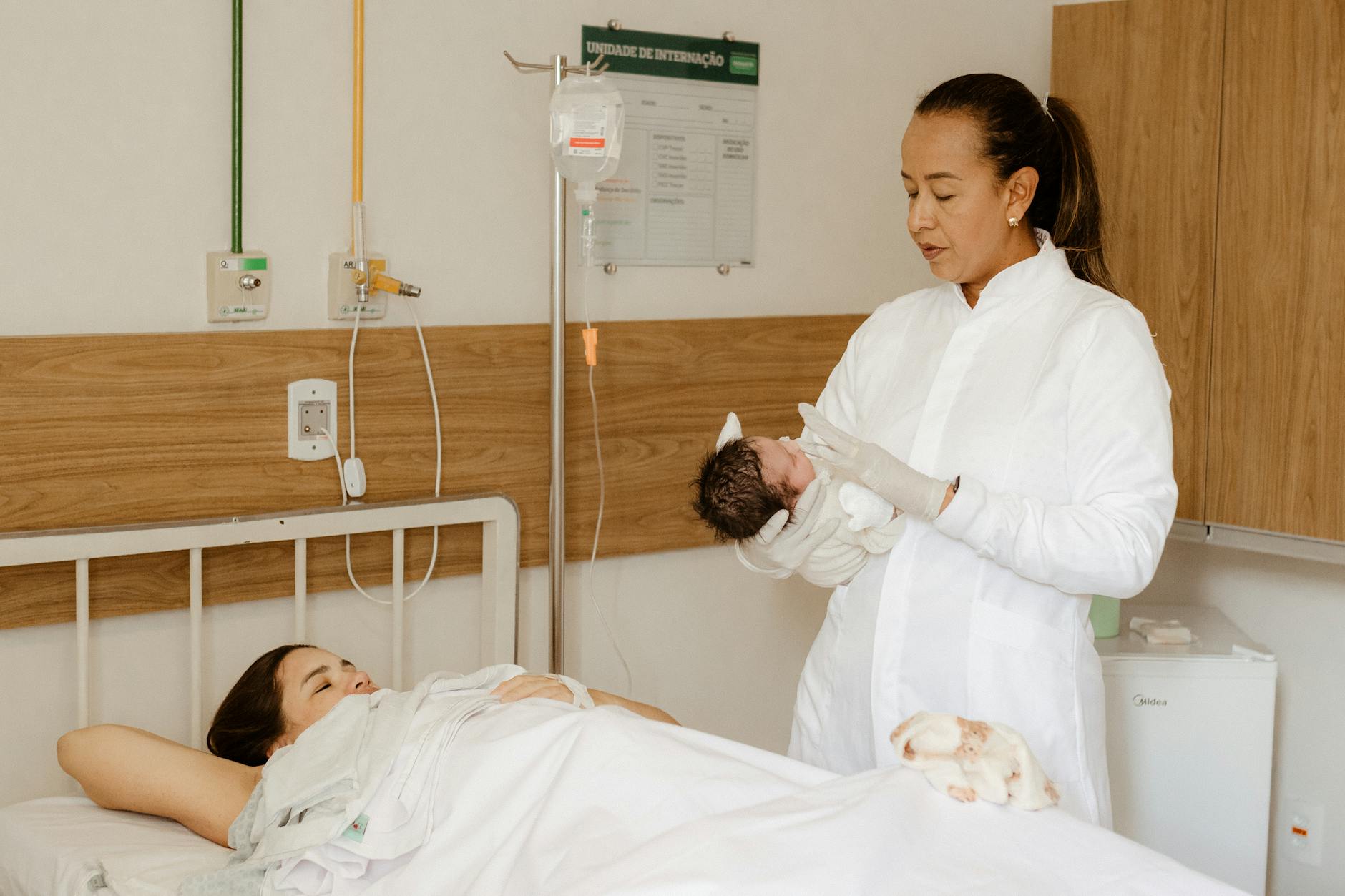

What Happens to Your Skin During Pregnancy

Pregnancy triggers significant hormonal shifts that directly impact your skin's behavior and appearance. Rising estrogen and progesterone levels increase sebaceous gland activity, often leading to Oily Skin even if you've never experienced it before. Your body produces up to 50% more blood during pregnancy, causing that characteristic pregnancy glow but also making blood vessels more visible and skin more reactive.
“Most pregnancy skin changes are temporary and will resolve within months after delivery.”
Melanin production increases substantially, creating dark patches on the face, neck, and other areas. Many women also develop Sensitive Skin during pregnancy, reacting to products they previously used without issue. Your skin may feel tender, itch more easily, or develop redness from normal skincare routines. These changes typically peak in the second trimester and gradually improve postpartum.
Common Pregnancy Skin Changes

Pregnancy brings several distinct skin changes that affect most expectant mothers. These changes, while concerning, are typically temporary and respond well to proper care.
"Most pregnancy skin changes are temporary and will fade after delivery."
Melasma appears as brown patches on the face, particularly the forehead, cheeks, and upper lip. This "mask of pregnancy" affects up to 70% of pregnant women due to increased melanin production triggered by hormonal fluctuations.
Pregnancy acne breakouts often surprise women who previously had clear skin. Rising hormone levels increase oil production, particularly affecting those with Oily Skin or Combination Skin types. The T-zone becomes especially problematic, with enlarged pores and excess sebum.
Stretch marks develop when skin stretches rapidly, appearing as red or purple lines on the abdomen, breasts, and thighs. While genetics plays a role, proper moisturizing helps minimize their appearance.
Spider veins and varicose veins result from increased blood volume and pressure. These small, web-like vessels typically appear on legs and face but usually improve after delivery.
Safe Skincare During Pregnancy
Pregnancy hormones can transform your skin, making previously tolerated products suddenly irritating. Understanding which ingredients to avoid protects both you and your baby while maintaining healthy skin throughout this journey.
Avoid retinoids, salicylic acid, hydroquinone, and chemical sunscreens during pregnancy. These ingredients may pose risks to fetal development. Instead, choose products labeled pregnancy-safe or formulated for sensitive skin, which reacts easily to skincare products with symptoms like redness or irritation.
Use fragrance-free cleansers twice daily to remove impurities without stripping natural oils.
Apply hyaluronic acid or ceramide-based moisturizers to combat dry skin, which lacks moisture and feels tight.
Use zinc oxide or titanium dioxide sunscreen daily to prevent melasma and hyperpigmentation.
Natural alternatives like oatmeal masks, coconut oil, and vitamin C serums provide gentle yet effective skincare without concerning ingredients.
Postpartum Skin Recovery
Your skin continues changing after delivery as hormone levels shift dramatically. Estrogen and progesterone drop while prolactin rises for breastfeeding, often leaving skin drier and more sensitive than during pregnancy.
Melasma may persist or worsen initially before gradually fading over 6-12 months. Daily SPF 30+ sunscreen remains essential to prevent darkening. Gentle vitamin C serums can help with hyperpigmentation once cleared by your doctor.
Fresh stretch marks appear red or purple but typically fade to silvery lines within a year. Most changes you're experiencing won't become permanent scarring with proper care and patience.
Resume active ingredients like retinoids and chemical exfoliants 3-6 months postpartum if not breastfeeding. Start with lower concentrations to accommodate newly Sensitive Skin and potential Dry Skin conditions.
When to See a Dermatologist
Most pregnancy-related skin changes resolve naturally within six to twelve months postpartum. However, certain symptoms warrant professional evaluation to prevent complications and address your concerns about permanent scarring.
Schedule a dermatology consultation if melasma persists beyond one year, acne becomes severe with deep cysts, or stretch marks appear inflamed or infected. Persistent rashes, unusual moles that change during pregnancy, or any skin growths require immediate attention.
Dermatologists offer targeted treatments including chemical peels for melasma, prescription retinoids for acne, and laser therapy for stretch marks. Professional treatments work faster and more effectively than over-the-counter options, helping you achieve clearer skin sooner.
Early intervention prevents long-term damage and reduces treatment time significantly.
Don't wait for skin problems to worsen—early professional treatment prevents permanent changes and gets you back to healthy skin faster.
Frequently Asked Questions
What causes skin changes during pregnancy?
Pregnancy triggers significant hormonal shifts that directly impact your skin's behavior and appearance. Rising estrogen and progesterone levels increase sebaceous gland activity, often leading to oily skin even if you've never experienced it before. Your body also produces up to 50% more blood during pregnancy, making blood vessels more visible and skin more reactive.
What is melasma and how common is it during pregnancy?
Melasma appears as brown patches on the face, particularly the forehead, cheeks, and upper lip. This "mask of pregnancy" affects up to 70% of pregnant women due to increased melanin production triggered by hormonal fluctuations. The condition is caused by substantially increased melanin production during pregnancy.
Which skincare ingredients should I avoid during pregnancy?
You should avoid retinoids, salicylic acid, hydroquinone, and chemical sunscreens during pregnancy as these ingredients may pose risks to fetal development. Instead, choose products labeled pregnancy-safe or formulated for sensitive skin. It's important to select gentle, fragrance-free products that won't irritate your changing skin.
Do pregnancy skin changes go away after delivery?
Most pregnancy skin changes are temporary and will resolve within months after delivery. These changes typically peak in the second trimester and gradually improve postpartum. While concerning during pregnancy, most skin issues like acne, sensitivity, and even spider veins usually improve after delivery.
Why do I suddenly have acne during pregnancy when I never had it before?
Pregnancy acne breakouts often surprise women who previously had clear skin due to rising hormone levels that increase oil production. This particularly affects those with oily or combination skin types, with the T-zone becoming especially problematic. The increased sebaceous gland activity caused by hormonal changes can lead to enlarged pores and excess sebum production.
Disclaimer: This content is for informational purposes only and does not constitute medical advice. Always consult a qualified healthcare provider before making health decisions.