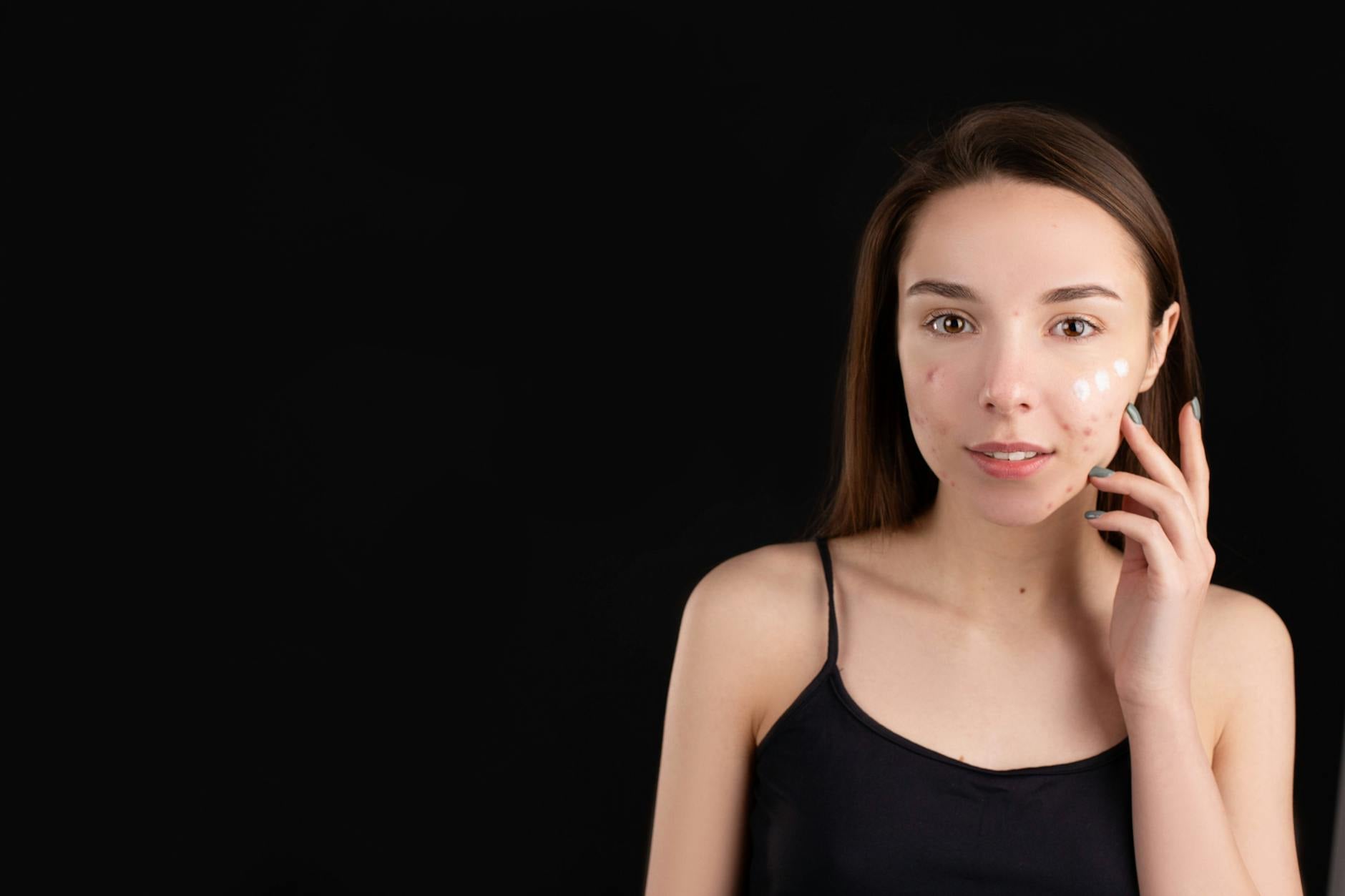

Why Hormones Trigger Teen Acne

Your acne isn't your fault – it's biology. During puberty, your body produces more hormones called androgens, which tell your oil glands to work overtime. These glands, located deep in your hair follicles, respond by pumping out excess sebum (skin oil). When this oil mixes with dead skin cells, it creates the perfect environment for acne bacteria to multiply.
"Hormonal acne affects 85% of teens precisely because their bodies are designed to change during this phase."
The timing of puberty directly impacts how severe your acne becomes. Early developers often experience more intense breakouts because their hormone surges happen when their skin is still adapting. For example, a 12-year-old who starts puberty may struggle with acne for several years, while someone who develops later might experience milder symptoms.
The good news? This phase is temporary. Most people see significant improvement by their early twenties as hormone levels stabilize. Meanwhile, effective treatments can help minimize scarring and control breakouts during these challenging years.
How Teen Skin Changes During Puberty

Puberty transforms your skin in dramatic ways that can feel overwhelming. Your body produces significantly more oil, particularly in the T-zone area covering your forehead, nose, and chin. This increased oil production stems from enlarged sebaceous glands responding to hormonal surges.
“The skin you had as a child is not the skin you'll have as a teenager — and that's completely normal.”
Your pores also change size during this period. The combination of excess oil and larger pores creates perfect conditions for breakouts, but this doesn't mean your skin is permanently damaged. Many teens notice their skin type shifting entirely during puberty. You might develop Oily Skin, characterized by overactive sebaceous glands producing excess oil, resulting in a shiny appearance and enlarged pores throughout your face.
More commonly, teens develop Combination Skin, where your T-zone becomes oily with enlarged pores while your cheeks remain normal or even dry. This mixed pattern explains why some products work great on your forehead but irritate your cheeks.
These changes typically peak between ages 14-17, then gradually stabilize. Understanding your evolving skin type helps you choose appropriate treatments and prevents the frustration of using products that don't match your current skin's needs.
Building a Teen Acne Skincare Routine
Creating an effective teen acne routine requires patience and gentleness. Your skin is already dealing with hormonal fluctuations, so harsh products will only worsen irritation and potentially delay healing. The goal is to support your skin's natural balance while addressing breakouts systematically.
Use a mild, fragrance-free cleanser to remove overnight oil buildup without stripping your skin's protective barrier.
Even oily, acne-prone skin needs hydration to prevent overproduction of sebum that can clog pores.
Cleanse again, then gradually introduce one acne treatment like salicylic acid or benzoyl peroxide every few days.
Teens with Sensitive Skin should patch-test new products and introduce treatments even more slowly. Those with Dry Skin may need richer moisturizers to prevent the tight, flaky feeling that can worsen acne scarring concerns.
Start with basic cleansing and moisturizing for two weeks before adding acne treatments. This foundation prevents the over-drying that leads many teens to abandon their routines. Remember, consistent gentle care prevents scarring better than aggressive treatment that causes inflammation.
Common Mistakes That Make Teen Acne Worse
When acne appears, your natural instinct might be to scrub harder and use every product you can find. Unfortunately, these well-intentioned efforts often backfire, making breakouts worse and potentially leading to scarring.
Over-cleansing ranks as the biggest mistake teens make. Washing your face more than twice daily strips away protective oils, causing your skin to produce even more sebum to compensate. Harsh scrubs and rough washcloths create micro-tears that invite bacteria deeper into pores. Your skin needs gentle care, not aggressive attack.
Using multiple acne treatments simultaneously creates another common problem. Layering benzoyl peroxide, salicylic acid, and retinoids without proper introduction overwhelms your skin barrier. Start with one active ingredient, use it for two weeks, then gradually add others if needed.
Picking and touching breakouts feels satisfying but causes lasting damage. Your fingers transfer bacteria while squeezing pushes infected material deeper into surrounding tissue. This habit creates the very scarring and dark spots you fear most. Keep your hands busy with stress balls or fidget toys when the urge strikes.
Remember that healing takes time. Gentle consistency beats aggressive treatment every time.
When to See a Dermatologist
Professional help becomes necessary when home treatments fail to control your acne after 6-8 weeks of consistent use. Dermatologists can provide prescription medications that target hormonal acne more effectively than over-the-counter options.
Cystic acne requires immediate professional attention. These deep, painful bumps appear as large, red nodules beneath the skin surface and carry a high risk of permanent scarring. Early treatment prevents long-term skin damage that can affect your confidence for years.
The emotional impact of acne matters just as much as physical symptoms. When breakouts affect your willingness to participate in school activities, social events, or cause persistent anxiety about your appearance, professional support helps restore your confidence and quality of life.
Dermatologists offer multiple treatment options including topical retinoids, antibiotics, and hormonal therapies specifically designed for teenage acne patterns.
Looking Ahead: Skin Changes After the Teen Years
The good news is that teenage acne doesn't last forever. Most people see significant improvement in their skin by their early twenties as hormone levels stabilize and become more predictable. The dramatic fluctuations that fuel teen breakouts gradually settle down as your body completes its development.
The skin care habits you build now will serve you well throughout your life. Learning to cleanse properly, use sunscreen daily, and avoid harsh scrubbing creates a foundation for healthy skin that extends far beyond your teenage years. These routines become second nature and protect your skin from future damage.
Your skin will continue evolving as you age, requiring adjustments to your routine. What works at sixteen may need tweaking at twenty-five or thirty-five. Oil production typically decreases with age, meaning the dry patches and sensitivity you might develop later will need different products than the acne treatments you use now.
Most teen acne resolves naturally by the early twenties, and building good skin care habits now creates lasting benefits for your future skin health.
Frequently Asked Questions
Why do teenagers get acne during puberty?
During puberty, your body produces more hormones called androgens, which tell your oil glands to work overtime. These glands respond by pumping out excess sebum (skin oil), and when this oil mixes with dead skin cells, it creates the perfect environment for acne bacteria to multiply. Hormonal acne affects 85% of teens precisely because their bodies are designed to change during this phase.
How long does teen acne typically last?
Teen acne typically lasts 2-4 years, with most people seeing significant improvement by their early twenties as hormone levels stabilize. The changes in skin usually peak between ages 14-17, then gradually stabilize. About 95% of people see improvement by age 25.
How does puberty change your skin type?
Puberty transforms your skin by producing significantly more oil, particularly in the T-zone area covering your forehead, nose, and chin. Your pores also change size during this period, and many teens notice their skin type shifting entirely. You might develop oily skin with overactive sebaceous glands, or more commonly, combination skin where your T-zone becomes oily while your cheeks remain normal or dry.
What should be included in a teen acne skincare routine?
An effective teen acne routine should start with a morning gentle cleanse using a mild, fragrance-free cleanser to remove overnight oil buildup without stripping your skin's protective barrier. Follow this with a non-comedogenic moisturizer, as even oily, acne-prone skin needs hydration to prevent overproduction of sebum. The goal is to support your skin's natural balance while addressing breakouts systematically with patience and gentleness.
Does early puberty make acne worse?
Yes, early developers often experience more intense breakouts because their hormone surges happen when their skin is still adapting. For example, a 12-year-old who starts puberty may struggle with acne for several years, while someone who develops later might experience milder symptoms. The timing of puberty directly impacts how severe your acne becomes.
Disclaimer: This content is for informational purposes only and does not constitute medical advice. Always consult a qualified healthcare provider before making health decisions.