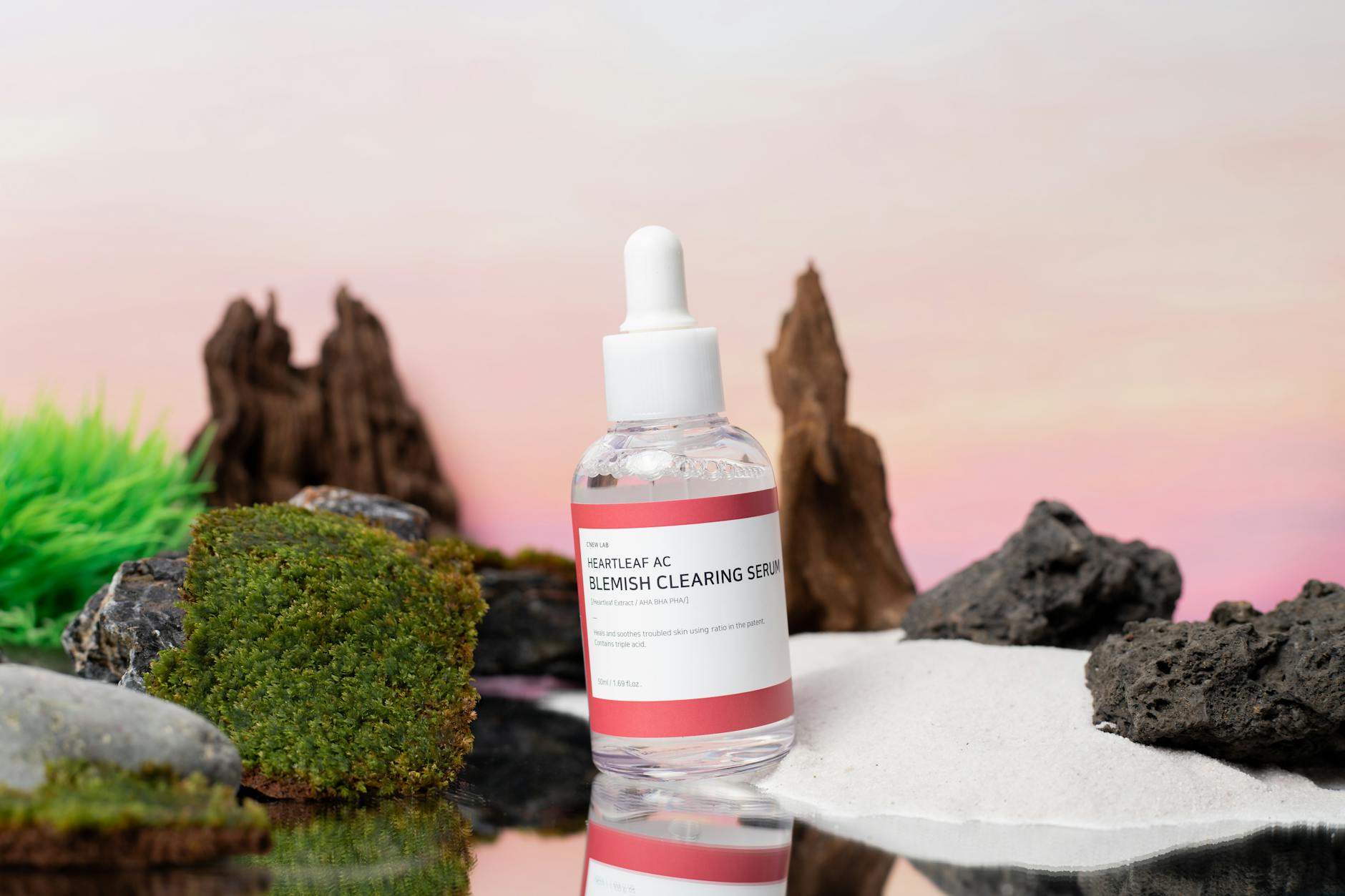

Understanding Acne on Combination Skin

Combination Skin creates a perfect storm for acne breakouts because your face essentially behaves like two different skin types. The T-zone (forehead, nose, and chin) produces excess oil from overactive sebaceous glands, creating enlarged pores that trap dead skin cells, bacteria, and debris. This oily environment mimics the conditions of Oily Skin, making these areas prime real estate for blackheads, whiteheads, and inflamed pimples.
“Your T-zone acts like a magnet for acne-causing bacteria, while your cheeks face completely different challenges.”
Your cheek areas tell a different story. Even though they remain normal to dry, they can still develop breakouts from hormonal fluctuations, product reactions, or irritation from harsh treatments meant for your oily T-zone. Many people make the mistake of treating their entire face like Oily Skin, which strips the cheek areas and triggers compensatory oil production.
The enlarged pores in your T-zone become visible storage units for sebum buildup. When this excess oil mixes with dead skin cells and gets trapped, it forms the foundation for acne lesions. Understanding this dual nature prevents the frustration of using one-size-fits-all treatments that worsen breakouts instead of clearing them.
Zone-Based Acne Treatment Strategy

Treating acne on Combination Skin requires a strategic approach that addresses each zone's unique needs. Your T-zone and cheek areas have completely different oil production levels, so using the same products everywhere often backfires—you might over-dry your cheeks while under-treating your oily forehead.
The T-zone (forehead, nose, and chin) produces excess sebum and needs stronger intervention. Use salicylic acid cleansers or benzoyl peroxide treatments specifically on these areas. Clay masks work exceptionally well here, drawing out impurities from enlarged pores. Apply these targeted treatments only where you see shine and active breakouts.
"Your cheeks need gentle care, while your T-zone can handle stronger acne fighters."
Your cheek and jawline areas often behave more like normal or even Sensitive Skin, requiring gentler approaches. Here, stick to mild cleansers and lightweight moisturizers. If you develop breakouts in these drier zones, use spot treatments rather than full-coverage acne products that could cause irritation or flaking.
The key mistake that leads to scarring is aggressive over-treatment of dry areas. When you apply harsh acne products to areas that don't need them, you create inflammation and potential damage. Instead, customize your routine—stronger actives for your T-zone, gentler care for everywhere else.
For example, cleanse your entire face with a mild cleanser, then follow up with salicylic acid toner only on your T-zone. Apply a lightweight moisturizer to cheeks first, then use oil-control products on your forehead, nose, and chin.
Essential Acne-Fighting Ingredients for Combination Skin
Choosing the right acne-fighting ingredients for combination skin requires a strategic approach that targets excess oil without overdrying your skin. The key is understanding which ingredients work best for different zones and how to apply them properly.
Salicylic acid stands as your T-zone hero, penetrating oil-clogged pores to prevent the blackheads and breakouts that plague areas with Oily Skin. Apply a 2% concentration specifically to your forehead, nose, and chin while avoiding drier cheek areas.
Gentle retinoids like adapalene work across your entire face for long-term acne prevention. Start with 0.1% every other night to avoid irritation that could worsen the delicate balance between oily and dry zones.
Niacinamide serves as your skin's peacekeeper, regulating oil production in greasy areas while strengthening the moisture barrier in regions prone to Dry Skin. This vitamin B3 derivative reduces inflammation and prevents the scarring that causes lasting skin damage.
Benzoyl peroxide requires careful application technique for combination skin. Use 2.5% concentration as a spot treatment on active breakouts rather than spreading it across your entire face, which can cause excessive dryness in non-oily areas.
Building Your Combination Skin Acne Routine
Creating an effective routine for Combination Skin requires strategic timing and targeted application. The key is treating your oily T-zone differently from your normal-to-dry cheek areas while maintaining overall skin balance.
Start with a gentle gel cleanser, apply salicylic acid only to your T-zone, moisturize all areas, then finish with broad-spectrum SPF 30.
Double cleanse if wearing makeup, apply retinoid or benzoyl peroxide to breakout-prone areas, then use a heavier moisturizer on dry cheek areas.
Use a clay mask on your T-zone twice weekly and a hydrating sheet mask on your entire face once weekly for balanced treatment.
Your morning routine focuses on protection and oil control. Apply active ingredients like niacinamide to your entire face, but reserve stronger treatments like salicylic acid for your oily T-zone only. This prevents over-drying your cheek areas while controlling excess sebum production where you need it most.
Evening routines emphasize treatment and repair. This is when you introduce retinoids or stronger acne treatments, but always start slowly. If you have Sensitive Skin tendencies in your cheek areas, begin with every other night application and gradually increase frequency as your skin adapts.
Avoid these common timing mistakes: applying the same products to your entire face, using too many active ingredients at once, or switching products too frequently. Consistency over six to eight weeks allows proper evaluation of results and helps prevent the scarring that comes from picking at persistent breakouts. Give each new routine adequate time to work before making changes.
When to Seek Professional Help
Some combination skin acne cases require professional intervention beyond home care routines. Watch for persistent cystic breakouts, deep nodules that won't heal, or widespread inflammation across both your oily T-zone and drier cheek areas. If over-the-counter treatments haven't improved your skin after 8-12 weeks, it's time to see a dermatologist.
Professional treatments specifically benefit combination skin types. Chemical peels can target your oily T-zone while being gentler on sensitive cheek areas. Prescription retinoids help normalize oil production without over-drying. Light therapy reduces inflammation while respecting the different needs of your mixed skin zones.
Don't let fear of permanent scarring keep you from seeking help. Early professional intervention actually prevents the deep scarring that occurs when severe acne goes untreated. Dermatologists can customize treatments for your specific combination skin pattern, addressing both excess oil and sensitivity simultaneously.
Maintain long-term results by following your dermatologist's maintenance routine and scheduling regular check-ups to adjust treatments as your skin changes.
Seek professional help if your combination skin acne hasn't improved after 8-12 weeks of consistent home care, or if you notice deep, painful breakouts that could lead to scarring.
Frequently Asked Questions
Why does combination skin get acne breakouts?
Combination skin creates a perfect storm for acne because your T-zone produces excess oil from overactive sebaceous glands, creating enlarged pores that trap dead skin cells, bacteria, and debris. The oily T-zone environment makes these areas prime real estate for blackheads, whiteheads, and inflamed pimples. Even the drier cheek areas can develop breakouts from hormonal fluctuations, product reactions, or irritation from harsh treatments meant for the oily zones.
How should I treat acne on different zones of combination skin?
Your T-zone needs stronger intervention with salicylic acid cleansers or benzoyl peroxide treatments, while your cheek areas require gentler approaches with mild cleansers and lightweight moisturizers. Apply targeted treatments only where you see shine and active breakouts in the T-zone. For cheeks and jawline areas that behave more like normal or sensitive skin, use spot treatments rather than full-coverage acne products to avoid irritation.
What's the biggest mistake when treating combination skin acne?
The biggest mistake is treating your entire face like oily skin, which strips the cheek areas and can trigger compensatory oil production. Aggressive over-treatment of dry areas leads to inflammation and potential scarring when you apply harsh acne products to areas that don't need them. Instead, you should customize your routine with stronger actives for your T-zone and gentler care for other areas.
Can I use the same acne products on my whole face if I have combination skin?
No, using the same products everywhere often backfires because you might over-dry your cheeks while under-treating your oily forehead. Your T-zone and cheek areas have completely different oil production levels and needs. You should cleanse your entire face with a mild cleanser, then follow up with targeted treatments like salicylic acid toner only on your T-zone.
Disclaimer: This content is for informational purposes only and does not constitute medical advice. Always consult a qualified healthcare provider before making health decisions.