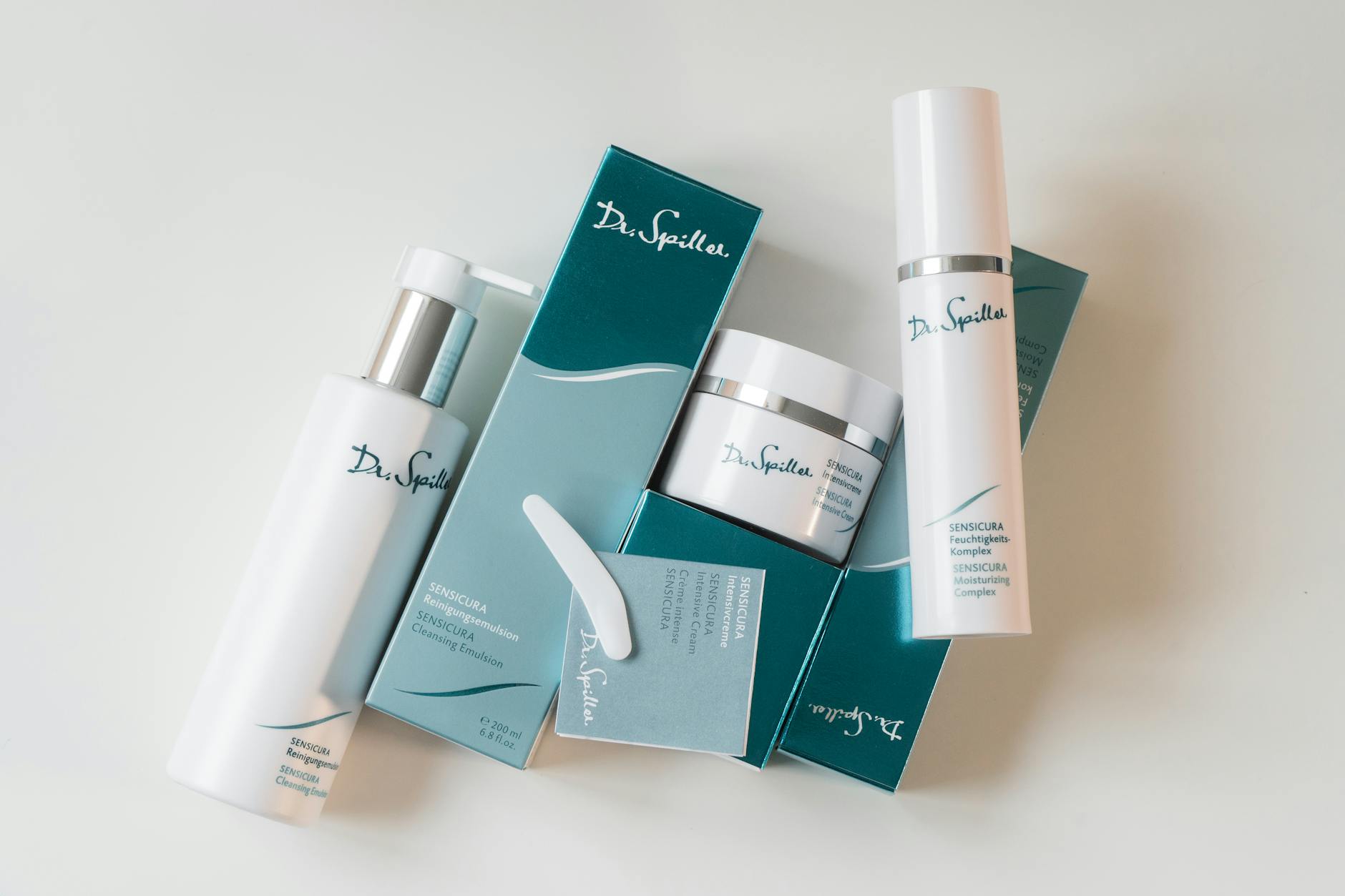

Understanding Your Combination Skin Cleansing Needs

Combination Skin presents a unique cleansing challenge that stumps many people. Your T-zone (forehead, nose, and chin) produces excess sebum, creating shine and enlarged pores similar to Oily Skin, while your cheek areas behave more like Dry Skin—feeling tight and potentially flaky.
“The biggest mistake people with combination skin make is using one cleanser for their entire face.”
This dual nature means standard cleansing methods often fail. Harsh cleansers designed for oily skin will strip your cheeks, causing irritation and potential scarring from over-drying. Gentle cleansers meant for dry skin won't control the oil buildup in your T-zone, leading to clogged pores and breakouts that create the social embarrassment you're trying to avoid.
Understanding these contrasting needs is your first step toward achieving the clear, balanced complexion you want without damaging your skin barrier.
The Multi-Zone Cleansing Method

Combination skin requires a tailored approach that treats each facial zone according to its specific needs. Your T-zone (forehead, nose, and chin) produces excess oil and needs deeper cleansing, while your cheeks often remain normal to dry and require gentler care.
"Treating your entire face the same way is like wearing one shoe size for both feet – it simply doesn't work."
Apply a gel-based cleanser with salicylic acid to your forehead, nose, and chin using circular motions for 30 seconds.
Use a cream cleanser on your cheek areas with gentle upward strokes to maintain hydration and prevent irritation.
Remove both cleansers with lukewarm water, ensuring no residue remains that could cause clogged pores.
This targeted method prevents over-drying your cheeks while effectively controlling oil in problematic areas, reducing your risk of breakouts that could lead to scarring.
Gentle Double Cleansing for Combination Skin
Double cleansing effectively removes makeup, sunscreen, and daily buildup without triggering breakouts or damaging your skin barrier. This two-step method prevents the scarring and blemishes that worry many combination skin sufferers.
Use a lightweight cleansing oil for 60 seconds to dissolve makeup and sunscreen without stripping natural oils.
Apply a mild foaming cleanser to remove remaining impurities and excess oil from your T-zone.
Use lukewarm water throughout both steps—hot water damages even non-Sensitive Skin types and triggers excess oil production. Complete the entire routine within three minutes to prevent over-cleansing. This method works particularly well for removing long-wearing products that single cleansers often leave behind, reducing clogged pores that lead to future breakouts.
Common Cleansing Mistakes to Avoid
People with combination skin often make cleansing errors that create more problems than they solve. Over-cleansing your T-zone (forehead, nose, chin) strips away natural oils, triggering your skin to produce even more sebum. This rebounds into worse oiliness and potential breakouts that could lead to scarring.
Using harsh scrubs daily damages your skin barrier, making cheek areas drier while irritating oily zones. Your combination skin needs different care during winter (more moisture) versus summer (lighter products). For example, switch from gel cleansers to cream-based ones when temperatures drop to prevent over-drying your already sensitive cheek areas.
Building Your Combination Skin Cleansing Routine
Creating a sustainable routine for Combination Skin requires strategic timing and frequency adjustments. Morning cleansing should focus on removing overnight oil buildup in your T-zone with a gentle gel cleanser, while evening routines need deeper cleansing to remove makeup, sunscreen, and daily pollutants.
Cleanse morning and evening with your chosen combination skin method.
Watch for increased dryness or oiliness after two weeks of consistent use.
Reduce to once daily if dryness occurs, or add midday cleansing if oiliness persists.
Your skin will respond to seasonal changes, hormonal fluctuations, and stress levels, so expect to modify your routine every few months rather than worry about permanent damage.
Start with a basic morning and evening routine, then adjust frequency based on how your combination skin responds after two weeks.
Frequently Asked Questions
What is the biggest mistake people with combination skin make when cleansing?
The biggest mistake people with combination skin make is using one cleanser for their entire face. This approach fails because the T-zone needs deeper cleansing for excess oil, while the cheeks require gentler care to prevent over-drying and irritation.
How should I cleanse my T-zone vs my cheeks?
Apply a gel-based cleanser with salicylic acid to your T-zone (forehead, nose, and chin) using circular motions for 30 seconds. For your cheeks, use a cream cleanser with gentle upward strokes to maintain hydration and prevent irritation.
What is double cleansing and how does it work for combination skin?
Double cleansing is a two-step method that first uses a lightweight cleansing oil for 60 seconds to dissolve makeup and sunscreen, followed by a mild foaming cleanser to remove remaining impurities and excess oil. This method effectively removes long-wearing products without stripping natural oils or damaging your skin barrier.
How long should I spend cleansing my combination skin?
Complete your entire cleansing routine within three minutes to prevent over-cleansing. Use lukewarm water throughout both steps, as hot water can damage your skin and trigger excess oil production.
Why does over-cleansing make combination skin worse?
Over-cleansing your T-zone strips away natural oils, which triggers your skin to produce even more sebum as compensation. This creates a cycle where harsh cleansing leads to increased oil production and more skin problems.
Disclaimer: This content is for informational purposes only and does not constitute medical advice. Always consult a qualified healthcare provider before making health decisions.