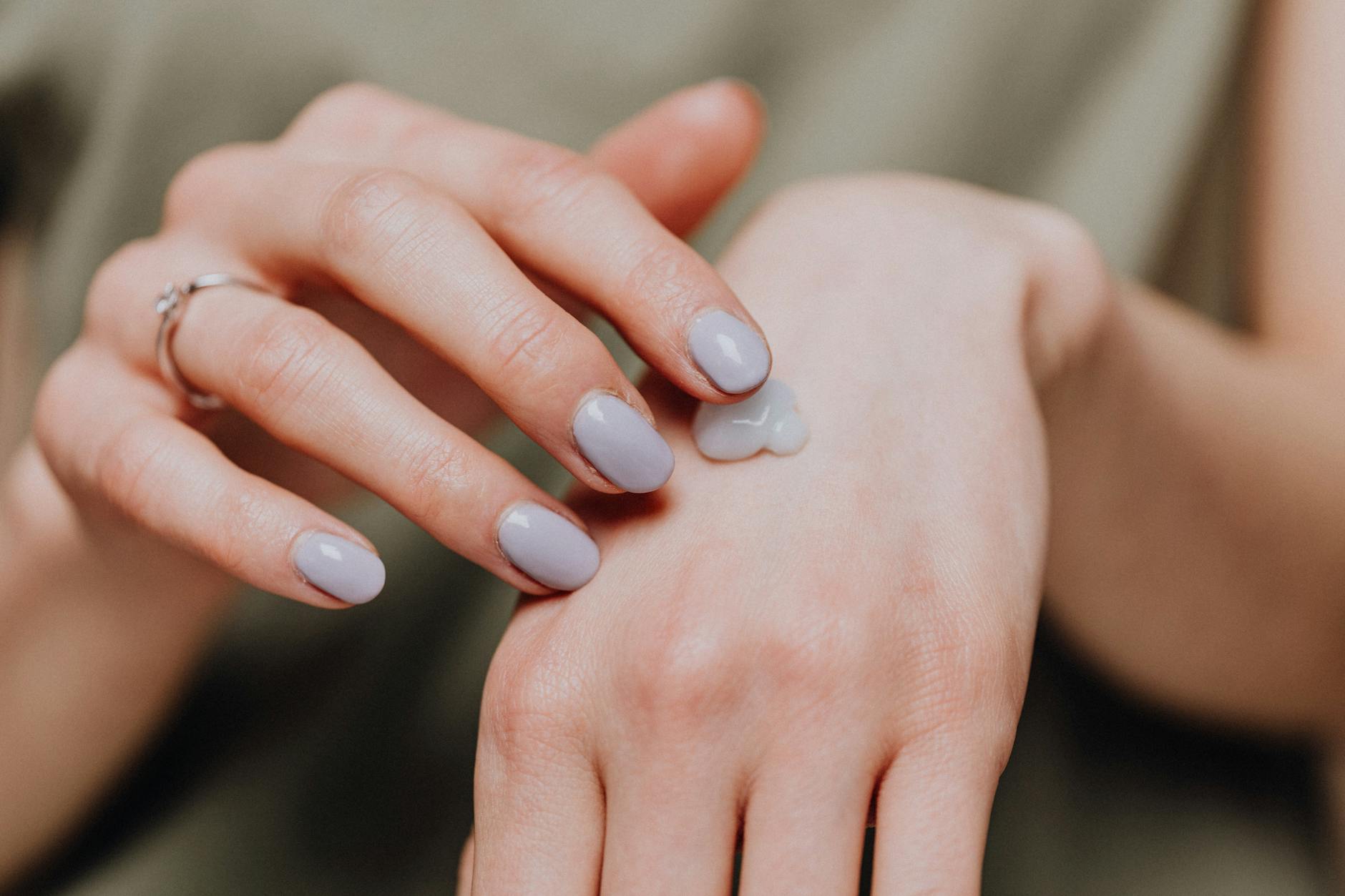

Understanding Combination Skin Moisturizing Needs

Combination Skin presents unique challenges that require a strategic approach to moisturizing. Unlike Oily Skin or Dry Skin, this mixed skin type demands different solutions for different facial zones.
“The key to managing combination skin is recognizing that one product cannot address all your skin's varying needs.”
Your T-zone—comprising your forehead, nose, and chin—produces excess sebum throughout the day. This area needs lightweight, oil-free hydration that won't clog enlarged pores or trigger breakouts. Many people worry that moisturizing oily areas will worsen acne, but skipping moisture actually signals your skin to produce more oil.
Meanwhile, your cheek areas lack natural oils and moisture, often feeling tight or showing flaky patches. These zones require richer formulations with nourishing ingredients like ceramides or hyaluronic acid. The contrast between your oily and dry areas means using targeted products prevents the frustration of worsening either condition while achieving balanced, healthy skin.
Zone-Mapping Your Moisturizing Strategy

Think of your face as a map with distinct regions requiring different moisture levels. Your T-zone (forehead, nose, chin) produces excess oil and needs lightweight hydration, while your cheek areas often feel tight and require richer moisture.
“Treating your entire face the same way is like watering a cactus and a fern identically.”
Start by examining your skin 2-3 hours after cleansing. Your T-zone will show visible shine and enlarged pores, indicating active sebum production. Your cheeks may feel tight, show flakiness, or appear dull—classic signs of dehydration.
Touch different areas of your face to identify oil versus dry zones.
Note which areas feel tight or produce breakthrough shine throughout the day.
Watch for over-moisturizing signs in oily zones: increased blackheads, clogged pores, or sudden breakouts. These indicate your T-zone is getting too much heavy moisture, potentially worsening existing concerns about scarring or blemishes.
Choosing the Right Moisturizer Formulations
Understanding ingredient science helps you select moisturizers that won't worsen existing concerns. The wrong formulation can trigger breakouts in your T-zone or leave dry areas feeling tight and uncomfortable.
For your T-zone prone to Oily Skin, choose gel-based or water-based moisturizers containing hyaluronic acid and niacinamide. Neutrogena Hydro Boost exemplifies this approach with lightweight hydration that won't clog pores.
Your cheek and jaw areas experiencing Dry Skin require richer formulations with ceramides, glycerin, and peptides. CeraVe Daily Moisturizing Lotion provides these barrier-repairing ingredients without heaviness.
Avoid comedogenic ingredients like coconut oil, cocoa butter, and heavy silicones in your T-zone products. These substances rank high on the comedogenicity scale and can trigger the breakouts you're working to prevent.
If you have Sensitive Skin, patch-test new products on your inner wrist first. Start with fragrance-free, alcohol-free formulations containing soothing ingredients like allantoin or colloidal oatmeal to minimize irritation while addressing your combination skin needs.
Application Techniques for Combination Skin
Proper application technique makes the difference between a moisturizer that works and one that causes breakouts or irritation. With combination skin, your T-zone (forehead, nose, chin) produces excess sebum while your cheeks remain normal to dry, requiring a strategic approach to avoid worsening either condition.
Start with freshly cleansed skin to ensure optimal product absorption and prevent trapping bacteria beneath moisturizer.
Use a richer moisturizer on dry cheek areas, working from the outer edges toward your nose with gentle upward strokes.
Apply a lighter, oil-free formula to your forehead, nose, and chin using minimal product to avoid overwhelming oily areas.
Wait 2-3 minutes between application areas to prevent product mixing and ensure each zone receives appropriate treatment.
Many people make the mistake of rushing application or using too much product on oily areas. This can clog pores and lead to breakouts, which won't cause permanent scarring but can delay your progress toward clear skin. The two-product approach consistently outperforms single multi-zone formulas because it addresses each area's specific needs rather than compromising with a one-size-fits-all solution.
Troubleshooting Common Moisturizing Problems
Even with the right products and techniques, Combination Skin can present unique challenges that leave you frustrated. Understanding how to address these issues prevents the worry about permanent damage or worsening breakouts.
If your T-zone becomes oilier after moisturizing, you're likely using too heavy a product or applying too much. Switch to a lighter, gel-based moisturizer for oily areas and use gentle patting motions rather than rubbing. This prevents overstimulation of oil glands.
Persistent dry patches on your cheeks signal inadequate hydration or barrier damage. Layer a hydrating serum under your moisturizer, and consider using a richer cream specifically on dry areas while keeping lighter products on your T-zone.
Seasonal changes require routine adjustments. Winter air strips moisture, so increase hydration frequency. Summer heat may require switching to lighter formulas to prevent clogged pores.
Seek professional dermatological help if you experience persistent irritation, worsening breakouts after two weeks of consistent use, or if your skin shows signs of Sensitive Skin reactions like burning or stinging. A dermatologist can identify underlying issues and recommend targeted treatments.
Building Your Complete Moisturizing Routine
Creating an effective routine for combination skin requires strategic timing and product layering. Morning routines focus on lightweight protection—apply moisturizer after cleansing but before sunscreen. Evening routines allow heavier formulations that repair overnight damage.
Use lightweight, non-comedogenic moisturizer followed by broad-spectrum SPF 30.
Apply richer moisturizer after serums but before face oils or overnight treatments.
Integration with other products follows a simple rule: thinnest to thickest consistency. Apply water-based serums first, then moisturizer, then oils. This prevents product pilling and maximizes absorption.
Expect visible improvements within 2-4 weeks of consistent use. Your skin barrier strengthens gradually, reducing both oiliness and dry patches. Adjust your approach if new breakouts persist beyond six weeks—you may need different formulations for each facial zone.
Consistency beats perfection—stick to your routine for at least four weeks before making changes.
Frequently Asked Questions
How do I moisturize combination skin without making my T-zone more oily?
Use lightweight, oil-free moisturizers on your T-zone (forehead, nose, and chin) to provide hydration without clogging pores. Gel-based or water-based formulas with hyaluronic acid and niacinamide work best for oily areas. Skipping moisture in the T-zone actually signals your skin to produce more oil, so proper hydration is essential.
What percentage of people have combination skin?
75% of adults have combination skin, making it the most common skin type. This skin type produces 2x more oil in the T-zone compared to the cheeks. You can typically see skin improvement within 14 days of using the right moisturizing strategy.
How can I tell which areas of my face need different moisturizers?
Examine your skin 2-3 hours after cleansing to identify your different zones. Your T-zone will show visible shine and enlarged pores, indicating excess oil production. Your cheeks may feel tight, show flakiness, or appear dull, which are classic signs of dehydration that require richer moisture.
What ingredients should I look for in moisturizers for combination skin?
For oily T-zone areas, choose gel-based or water-based moisturizers with hyaluronic acid and niacinamide. For dry cheek areas, look for richer formulations containing ceramides or hyaluronic acid. Using targeted products with the right ingredients prevents worsening either oily or dry conditions while achieving balanced, healthy skin.
Can using the wrong moisturizer make combination skin worse?
Yes, using the wrong formulation can trigger breakouts in your T-zone or leave dry areas feeling tight and uncomfortable. Over-moisturizing oily zones can lead to increased blackheads, clogged pores, or sudden breakouts. This is why treating your entire face the same way doesn't work for combination skin.
Disclaimer: This content is for informational purposes only and does not constitute medical advice. Always consult a qualified healthcare provider before making health decisions.