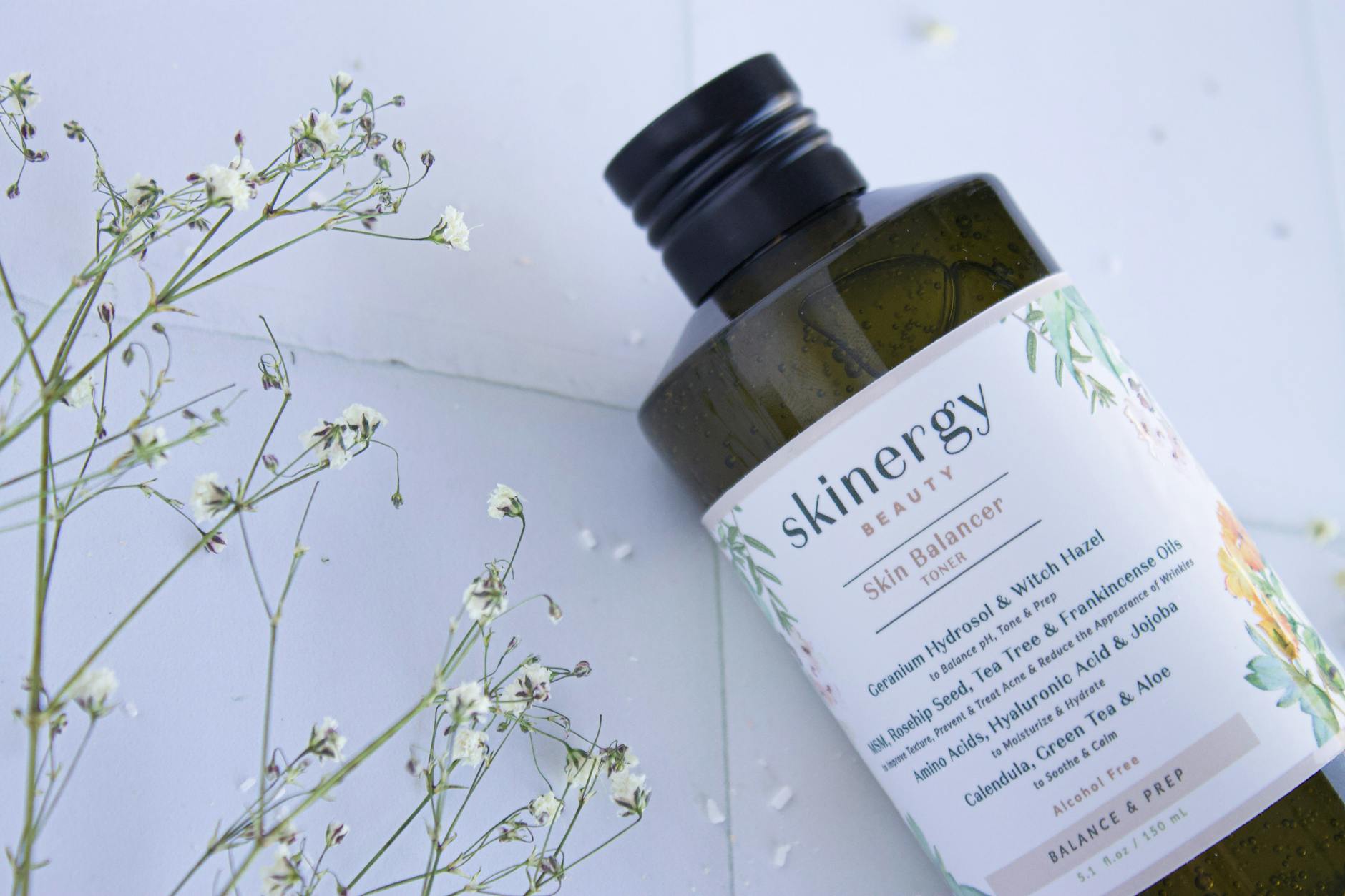

Why Ingredient Selection Matters for Oily Skin

Oily Skin develops when your sebaceous glands work overtime, producing excess sebum that creates a shiny appearance, enlarged pores, and increased vulnerability to acne and blackheads. Understanding this fundamental difference helps you avoid the common mistake of using harsh products that strip your skin, triggering even more oil production as your glands compensate.
“Wrong ingredients can backfire, causing your skin to produce even more oil in response to aggressive treatment.”
Many people with oily or even Combination Skin unknowingly sabotage their progress by choosing ingredients that seem logical but actually worsen their condition. Your overactive sebaceous glands respond differently to skincare ingredients than normal or dry skin types. Alcohol-based toners might feel refreshing initially, but they often lead to rebound oiliness within hours.
Smart ingredient selection targets oil control without triggering your skin's defensive mechanisms. This prevents the frustrating cycle of breakouts that can lead to scarring and helps you achieve the clear, balanced complexion you want faster than trial-and-error approaches.
Oil-Controlling Actives That Actually Work

The key to managing oily skin lies in choosing ingredients with proven track records for oil control. These four powerhouse actives work through different mechanisms to tackle excess sebum production and prevent the clogged pores that lead to breakouts and potential scarring.
“Salicylic acid penetrates oil-filled pores better than any other beta-hydroxy acid, making it essential for oily skin management.”
Salicylic acid stands out as the gold standard for pore clearing. This beta-hydroxy acid dissolves the oil and dead skin cells that clog pores, working from inside the follicle outward. Look for concentrations between 0.5% and 2% in cleansers or leave-on treatments. The Ordinary Salicylic Acid 2% Solution demonstrates how effective this ingredient can be when properly formulated.
Niacinamide offers a gentler approach to oil regulation. This form of vitamin B3 reduces sebum production by up to 30% while strengthening the skin barrier. It works particularly well for sensitive oily skin types who cannot tolerate stronger acids. Start with 5% concentrations and work up to 10% if needed.
Retinoids provide long-term oil control by normalizing skin cell turnover and reducing pore size. Prescription tretinoin or over-the-counter retinol both work, though results take 12 weeks to appear. Start slowly to avoid irritation that could worsen breakouts.
Zinc oxide offers immediate oil absorption while providing gentle antimicrobial benefits. Unlike harsh clay masks that strip skin completely, zinc oxide absorbs excess oil without triggering rebound production.
Gentle Cleansing and Exfoliating Ingredients
Finding the right cleansing ingredients matters more than you might think. Many people with oily skin make the mistake of using harsh scrubs or strong detergents, which strip away natural oils and trigger your skin to produce even more oil in response. This rebound effect often leads to worse breakouts and the scarring you want to avoid.
Beta hydroxy acids, particularly salicylic acid, work differently than physical scrubs. These ingredients penetrate deep into your pores to dissolve oil and dead skin cells from the inside out. Unlike harsh exfoliants that damage your skin barrier, BHAs reduce inflammation while they clean, making them ideal for preventing future breakouts without irritation.
Clay-based ingredients like bentonite and kaolin absorb excess oil without overdrying. These natural minerals draw impurities from your pores while maintaining your skin's protective barrier. For those with Sensitive Skin, French green clay offers gentler absorption than stronger volcanic clays.
Choose cleansers with gentle surfactants like sodium cocoyl glutamate instead of sodium lauryl sulfate. These mild cleansing agents remove dirt and oil effectively without the harsh stripping action that damages your skin and causes irritation.
Hydrating Ingredients That Won't Clog Pores
Many people with oily skin skip moisturizer, thinking it will make breakouts worse. This creates a cycle where skin becomes dehydrated and produces even more oil to compensate. The key lies in choosing the right hydrating ingredients that provide moisture without triggering breakouts or causing the scarring you're worried about.
Hyaluronic acid stands out as the gold standard for oily skin hydration. This lightweight molecule holds up to 1,000 times its weight in water, delivering intense moisture without any greasy residue. Unlike heavy creams that sit on your skin's surface, hyaluronic acid absorbs quickly and won't clog your pores.
Ceramides offer another excellent option for maintaining your skin barrier. These naturally occurring lipids help prevent water loss while supporting healthy skin function. Products containing ceramides feel light but provide lasting hydration that prevents the overproduction of oil.
Avoid comedogenic ingredients like coconut oil, cocoa butter, and heavy petroleum-based products. These can trap bacteria and dead skin cells in your pores. Instead, look for products labeled "non-comedogenic" and formulated specifically for oily or combination skin types, unlike products designed for Dry Skin which often contain heavier, pore-clogging ingredients.
Ingredients to Avoid with Oily Skin
While hunting for quick fixes, many people accidentally choose products that worsen their oily skin. Understanding what to avoid prevents setbacks that could delay your clear skin goals and potentially cause the scarring you're trying to prevent.
Heavy oils like coconut oil and thick butters such as shea butter can overwhelm oily skin. These ingredients sit on top of your skin rather than absorbing, creating a breeding ground for bacteria. Comedogenic ingredients like isopropyl myristate and certain silicones also block pores effectively.
Alcohol-based toners strip your skin's natural oils, triggering your sebaceous glands to produce even more oil as compensation. This creates a frustrating cycle where your skin becomes oilier over time.
Over-exfoliating with multiple acids simultaneously irritates your skin and damages your protective barrier. Stick to one exfoliating acid at a time and use it only every other day initially.
Building Your Oily Skin Ingredient Routine
Creating an effective routine requires strategic timing and gradual introduction of active ingredients. Start with one new ingredient at a time to identify what works without overwhelming your skin or causing irritation that could lead to scarring.
Use gentle cleansers, lightweight moisturizers, and always apply broad-spectrum SPF 30 or higher.
Reserve stronger ingredients like retinoids and AHAs for nighttime when your skin repairs itself.
Apply thinnest to thickest consistency, waiting 5-10 minutes between active ingredients.
Begin with products containing 0.5% salicylic acid or 2% niacinamide every other night. Your skin needs 4-6 weeks to show improvement, so resist the urge to add multiple actives quickly.
Introduce one active ingredient every 2-3 weeks to build tolerance and identify what delivers clear skin without irritation.
Frequently Asked Questions
Why does my oily skin get worse when I use harsh products?
Harsh products that strip your skin can trigger your sebaceous glands to produce even more oil as a defensive response. This creates a frustrating cycle where alcohol-based toners and strong detergents may feel refreshing initially but lead to rebound oiliness within hours. Your overactive sebaceous glands respond differently to skincare ingredients than normal skin types, making gentle approaches more effective.
What percentage of salicylic acid should I use for oily skin?
Look for salicylic acid concentrations between 0.5% and 2% in cleansers or leave-on treatments. Salicylic acid is the gold standard for pore clearing because it penetrates oil-filled pores better than other acids and dissolves the oil and dead skin cells that clog pores from inside the follicle outward.
How much can niacinamide reduce oil production?
Niacinamide can reduce sebum production by up to 30% while strengthening the skin barrier. This form of vitamin B3 offers a gentler approach to oil regulation and works particularly well for sensitive oily skin types who cannot tolerate stronger acids. Start with 5% concentrations and work up to 10% if needed.
How long does it take to see results from retinoids for oily skin?
Retinoids take 12 weeks to show results for oil control and pore size reduction. Both prescription tretinoin and over-the-counter retinol work by normalizing skin cell turnover and reducing pore size. Start slowly to avoid irritation that could worsen breakouts during the adjustment period.
Is zinc oxide good for absorbing excess oil?
Yes, zinc oxide offers immediate oil absorption while providing gentle antimicrobial benefits. Unlike harsh clay masks that completely strip the skin, zinc oxide absorbs excess oil without triggering rebound oil production. This makes it a safer option for managing oily skin without causing the defensive overproduction of sebum.
Disclaimer: This content is for informational purposes only and does not constitute medical advice. Always consult a qualified healthcare provider before making health decisions.