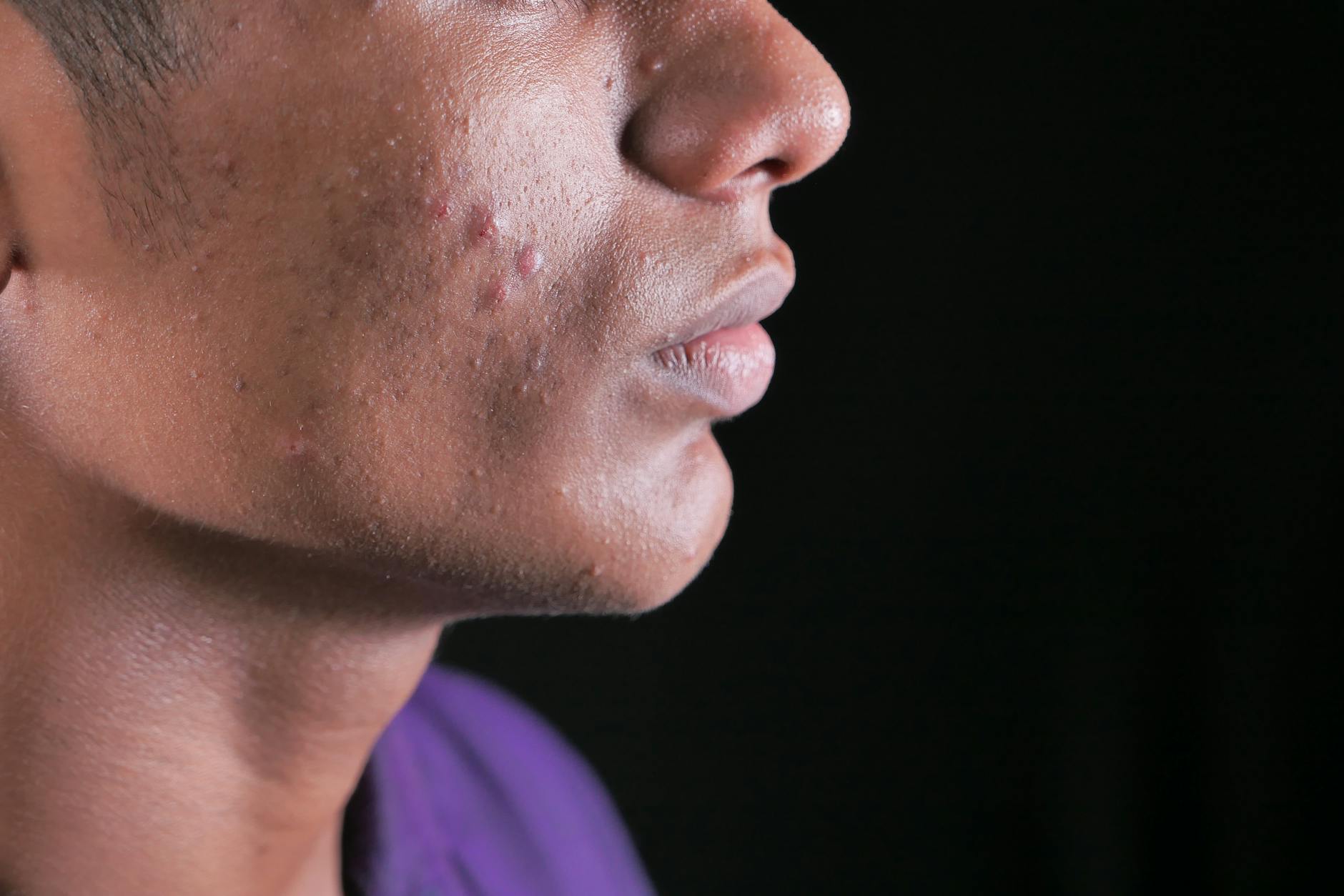

Why This Connection Matters for Your Skin Health

Understanding the relationship between Oily Skin and acne transforms how you approach treatment and prevents months of frustration. When your sebaceous glands produce excess oil, they create the perfect breeding ground for acne-causing bacteria, making effective treatment more complex than simply washing your face more often.
“Treating acne without addressing oily skin is like trying to stop a flood without turning off the faucet.”
This knowledge directly impacts your treatment success. Products that work for dry or normal skin types can actually worsen oily, acne-prone skin by either over-drying and triggering more oil production, or by adding unnecessary moisture that clogs pores further.
Recognizing this connection helps prevent your skin from deteriorating into more severe acne stages. Early intervention with appropriate treatments reduces your risk of permanent scarring and the social embarrassment that often accompanies visible breakouts.
Most importantly, understanding your skin type helps you avoid common mistakes like harsh scrubbing, which strips natural oils and paradoxically increases oil production, or using heavy moisturizers that compound the problem.
The Science Behind Oily Skin and Acne Formation
Understanding how oily skin leads to acne starts with your sebaceous glands. These tiny oil-producing factories sit beneath your skin's surface, connected to hair follicles. When hormones signal these glands to work overtime, they pump out excess sebum—the natural oil that normally protects your skin. This overproduction creates the foundation for acne development.
“Oily skin creates the perfect storm for acne: excess oil, trapped dead skin cells, and bacteria working together to clog your pores.”
The pore clogging process happens in stages. First, excess sebum mixes with dead skin cells that naturally shed from your follicle walls. Instead of flowing freely to the surface, this sticky combination creates a plug. When this plug remains below the skin's surface, you get a whitehead. When it pushes through and oxidizes with air, it becomes a blackhead.
Bacterial growth transforms simple clogged pores into inflamed acne lesions. Propionibacterium acnes, a bacteria that naturally lives on your skin, thrives in the oxygen-free environment of blocked pores. These bacteria feed on the trapped sebum, multiplying rapidly and triggering your immune system's inflammatory response. This inflammation creates the red, swollen, sometimes painful bumps we recognize as acne.
Oily Skin, characterized by overactive sebaceous glands producing excess oil, creates enlarged pores and increased susceptibility to acne and blackheads. The cycle perpetuates itself: more oil leads to more clogged pores, which can cause more inflammation and potentially scarring if left untreated. Breaking this cycle requires understanding that oily skin isn't just a cosmetic concern—it's a biological process that responds to targeted treatment strategies.
How Different Skin Types Experience This Connection

The relationship between oil production and acne varies significantly depending on your skin type. Understanding these differences helps you choose the right approach for managing breakouts without causing additional irritation or scarring.
Pure oily skin produces excess sebum across the entire face, creating an environment where acne bacteria thrive. People with this skin type typically experience larger pores, frequent blackheads, and inflammatory breakouts concentrated on the forehead, nose, cheeks, and jawline. The consistent oil production means breakouts often occur in predictable patterns.
Combination Skin presents a more complex challenge. This skin type features an oily T-zone (forehead, nose, chin) with enlarged pores and excess sebum, while cheek areas remain normal to dry with possible sensitivity. Breakouts primarily develop in the T-zone, but the varying oil levels across your face require targeted treatment strategies. You might notice cystic acne on your chin while dealing with dry patches on your cheeks simultaneously.
Sensitive Skin complicates acne management further. This reactive skin type responds to skincare products, environmental factors, or irritants with symptoms like redness, burning, stinging, itching, or inflammation. When sensitive skin produces excess oil, standard acne treatments often trigger irritation, making breakouts worse and potentially leading to post-inflammatory hyperpigmentation.
Even Dry Skin can develop acne when barrier function becomes compromised. While this skin type lacks moisture and natural oils, over-cleansing or using harsh products can trigger compensatory oil production, creating unexpected breakouts alongside flakiness and tightness.
Identifying Your Specific Oily Skin-Acne Pattern
Understanding your unique Oily Skin patterns helps you choose the right treatments and prevent future breakouts. Most people notice their acne follows predictable patterns based on where it appears, how severe it gets, and when flare-ups occur.
Location patterns reveal important clues about your triggers. T-zone breakouts (forehead, nose, chin) typically indicate hormonal influences or product buildup. Cheek acne often connects to touching your face, phone contact, or certain skincare products. Jawline and neck breakouts usually signal hormonal fluctuations, especially in women.
Take photos weekly to track where acne appears most frequently.
Use a 1-10 scale to monitor inflammation and pain levels.
Record when breakouts worsen relative to stress, diet, or hormonal cycles.
Severity indicators help distinguish between mild congestion and inflammatory acne that could lead to scarring. Painful, red bumps under the skin require gentler treatment than surface blackheads. Deep cysts that persist for weeks need professional intervention to prevent permanent marks.
Timing correlations often reveal your biggest triggers. Many people with Oily Skin notice breakouts worsen during menstrual cycles, stressful periods, or after eating certain foods. Seasonal changes also affect oil production—summer heat typically increases breakouts while winter dryness can trigger rebound oil production.
For example, if you consistently break out on your right cheek where you hold your phone, switching to speaker mode or cleaning your device daily might solve the problem completely.
Breaking the Oily Skin-Acne Cycle
Breaking free from the cycle requires targeting both excess oil production and pore health simultaneously. The good news is that consistent action can prevent the scarring and embarrassment you're worried about while building clear, healthy skin over time.
Use products with niacinamide or salicylic acid to regulate oil output without over-drying your skin.
Cleanse twice daily with a gentle cleanser and use clay masks weekly to remove buildup.
Apply non-comedogenic moisturizer daily and never skip sunscreen to avoid inflammation.
Sebum regulation starts with understanding that Oily Skin needs hydration, not stripping. When you over-cleanse or use harsh products, your sebaceous glands actually produce more oil to compensate. Choose oil-free products labeled "for oily skin" and introduce new treatments gradually to avoid irritation.
Pore maintenance prevents the buildup that creates blackheads and whiteheads. Dead skin cells mix with sebum to form plugs, so gentle exfoliation with beta hydroxy acids keeps pores clear. Use a BHA product like salicylic acid 2-3 times weekly, starting with once to test tolerance.
Prevention techniques focus on consistency rather than intensity. Wash your face morning and night, change pillowcases weekly, and avoid touching your face throughout the day. These simple habits interrupt the cycle before it starts. Remember that oils from your hands, hair products, and environment constantly contact your skin, so creating barriers through proper cleansing and protective products maintains the progress you're building.
Most people see initial improvements within 6-8 weeks of consistent routine implementation, though complete cycle interruption may take 3-4 months.
When to Seek Professional Help
Knowing when to move beyond drugstore remedies can save your skin from permanent damage. While home care works for many people, certain warning signs indicate you need dermatological intervention.
Seek professional help if your acne creates deep, painful nodules or cysts beneath the skin surface. These severe forms often resist over-the-counter treatments and can lead to permanent scarring without proper medical management. Your fear of lasting marks is valid—early intervention prevents this outcome.
Consider seeing a dermatologist when moderate acne persists after six to eight weeks of consistent treatment with benzoyl peroxide or salicylic acid products. Stubborn breakouts may require prescription retinoids, antibiotics, or hormonal therapies that only medical professionals can provide.
Dermatologists offer advanced options including professional chemical peels, laser therapy, and injectable treatments for active acne. They can also prescribe oral medications like isotretinoin for severe cases that don't respond to topical treatments.
Don't wait if acne significantly impacts your daily life or self-confidence. Professional treatment typically shows results within three months, giving you the clear skin you're seeking faster than trial-and-error approaches.
Your Next Steps for Clearer Skin
Managing Oily Skin and acne requires a structured approach that combines immediate action with long-term commitment. Your fear of permanent scarring is valid, but with consistent care, most acne resolves without lasting marks.
Begin with gentle cleansing twice daily and introduce one new product every two weeks.
Establish morning and evening skincare habits using salicylic acid or benzoyl peroxide products.
Take weekly photos and note improvements or setbacks to adjust your approach.
Your long-term strategy should focus on maintaining healthy skin barriers while controlling oil production. Remember that visible improvements typically appear after 6-8 weeks of consistent care. If your acne persists beyond this timeframe or worsens, schedule a dermatologist consultation to explore prescription options.
Consistency beats intensity—gentle daily care prevents more breakouts than aggressive treatments that irritate your skin.
Frequently Asked Questions
Why does oily skin cause acne?
Oily skin causes acne because overactive sebaceous glands produce excess oil that mixes with dead skin cells to create plugs in your pores. When bacteria called Propionibacterium acnes feeds on this trapped oil in oxygen-free blocked pores, it multiplies rapidly and triggers an inflammatory response. This inflammation creates the red, swollen bumps we recognize as acne lesions.
How does excess oil production lead to clogged pores?
Excess sebum from overactive sebaceous glands mixes with dead skin cells that naturally shed from follicle walls. Instead of flowing freely to the surface, this sticky combination creates a plug that blocks the pore. When the plug stays below the skin's surface it becomes a whitehead, and when it pushes through and oxidizes with air, it becomes a blackhead.
What mistakes should I avoid when treating oily acne-prone skin?
Avoid harsh scrubbing, which strips natural oils and paradoxically increases oil production as your skin tries to compensate. Don't use heavy moisturizers that can compound the problem by adding unnecessary moisture that clogs pores further. Also avoid using products designed for dry or normal skin types, as they can either over-dry your skin or worsen breakouts.
Can treating acne without addressing oily skin be effective?
No, treating acne without addressing oily skin is ineffective because it doesn't tackle the root cause of the problem. When sebaceous glands produce excess oil, they create the perfect breeding ground for acne-causing bacteria, making treatment more complex than simple face washing. Understanding this connection is crucial for preventing months of frustration and achieving successful treatment results.
Disclaimer: This content is for informational purposes only and does not constitute medical advice. Always consult a qualified healthcare provider before making health decisions.