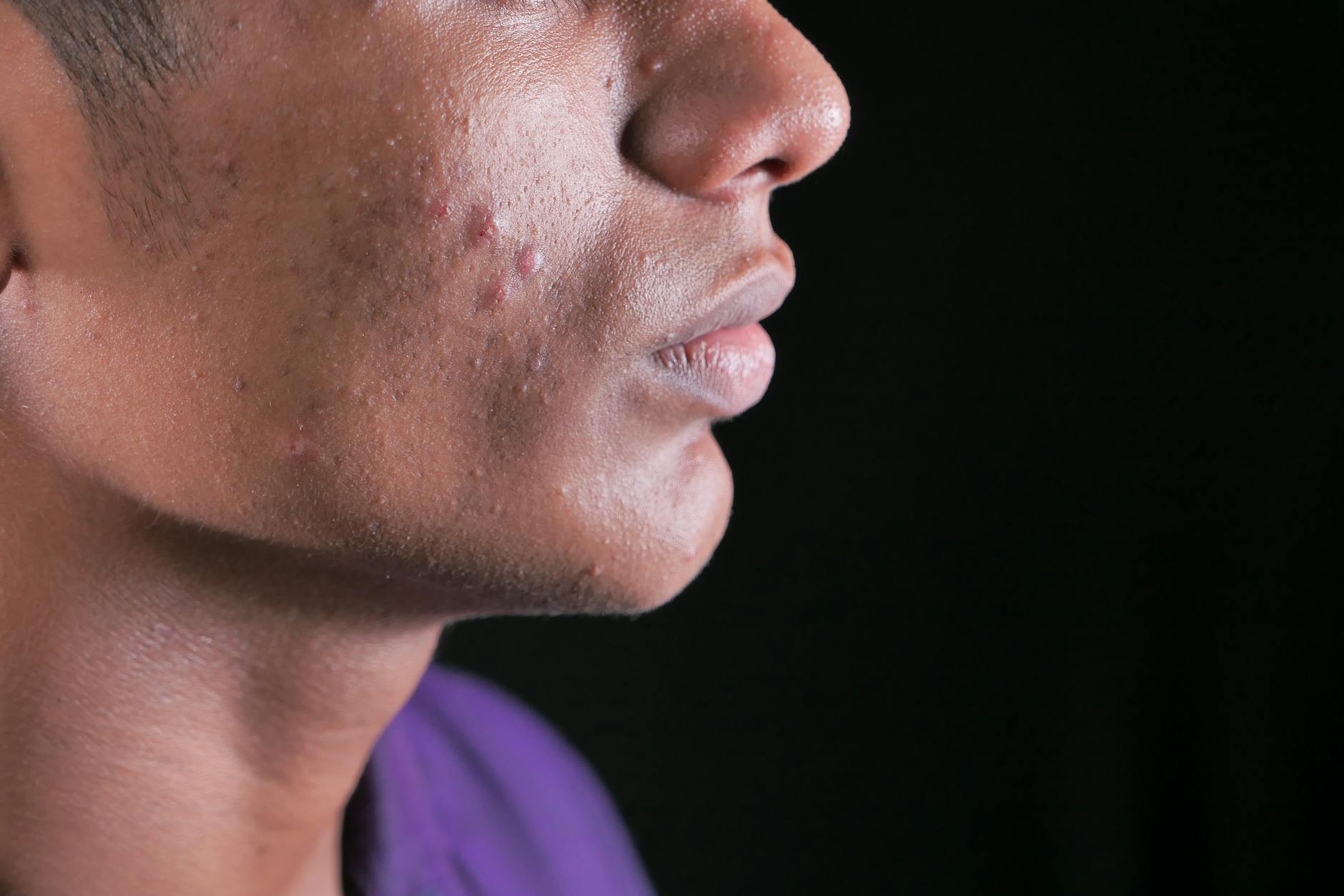

Understanding Oily Skin: What's Really Happening

Oily skin is characterized by overactive sebaceous glands producing excess oil, resulting in a shiny appearance, enlarged pores, and increased susceptibility to acne and blackheads. Your sebaceous glands, tiny factories beneath your skin's surface, naturally produce sebum—an oily substance that protects and moisturizes your skin. When these glands work overtime, you end up with that unwanted shine.
"Understanding your skin type is the first step toward achieving the clear complexion you want."
Oily skin differs significantly from other skin types. Combination skin features an oily T-zone (forehead, nose, chin) with enlarged pores and excess sebum, while cheek areas remain normal to dry with possible sensitivity. Dry skin lacks moisture and natural oils, often feeling tight, rough, or flaky with a dull appearance and potential for irritation.
Recognizing these differences helps you avoid using harsh products that might worsen your condition or cause the scarring you're worried about. Your oily skin actually has advantages—natural oil production helps prevent premature aging and keeps skin supple. The key lies in managing excess production rather than stripping your skin completely dry.
Genetic Factors: Why Some People Are Born with Oily Skin
Your genes play the primary role in determining how much oil your skin produces. If your parents struggled with oily skin, you're likely to experience similar challenges because genetics control the size and activity level of your sebaceous glands.
“Genetics determine up to 80% of your skin's natural oil production levels.”
Family history patterns reveal clear inheritance trends. When both parents have oily skin, their children have an 85% chance of developing the same condition. Even with just one oily-skinned parent, the likelihood remains around 50%.
Ethnicity also influences oil production patterns. People of Mediterranean, Middle Eastern, and some Asian backgrounds typically have more active sebaceous glands compared to those of Northern European descent. This genetic variation explains why certain populations experience higher rates of acne and require different skincare approaches.
Understanding your genetic predisposition helps set realistic expectations for treatment timelines and prevents the frustration that leads to over-treating your skin, which can worsen breakouts and potentially cause scarring.
Hormonal Changes: The Internal Triggers

Your hormones act like internal switches that control your skin's oil production throughout your life. These powerful chemical messengers can turn your sebaceous glands into overdrive, creating the excess oil that leads to breakouts and that shiny appearance you're trying to manage.
During puberty, your body produces higher levels of androgens like testosterone. These hormones signal your oil glands to increase production dramatically. This explains why teenagers often struggle with oily skin and acne, even if they had normal skin as children.
Women experience oil fluctuations during their menstrual cycle, with increased production typically occurring one week before menstruation. Pregnancy can either improve or worsen oily skin, depending on individual hormone levels. Menopause often brings relief as hormone production decreases.
Stress triggers cortisol release, which stimulates oil production and can worsen existing breakouts. Understanding these hormonal patterns helps you anticipate changes in your skin and adjust your routine accordingly, preventing the scarring and embarrassment that worry you most.
Environmental and Lifestyle Factors
Your surroundings and daily habits play a bigger role in oil production than you might think. Understanding these external influences helps you make smarter choices that won't worsen existing breakouts or create new skin problems.
Climate affects your skin's oil production significantly. Hot, humid weather triggers your sebaceous glands to work overtime, while dry environments can cause your skin to overcompensate by producing more oil. Air conditioning and heating systems also disrupt your skin's natural balance, often leading to increased oiliness during seasonal transitions.
Your diet directly impacts skin health. High-glycemic foods like white bread and sugary snacks spike insulin levels, prompting increased oil production. Dairy products can also trigger hormonal fluctuations that worsen oily skin conditions.
Poor sleep and chronic stress elevate cortisol levels, which stimulates sebaceous glands. Getting adequate rest and managing stress through exercise or relaxation techniques helps regulate your skin's oil production naturally, preventing the cycle of breakouts that leads to scarring concerns.
Skincare and Product-Related Causes
Your skincare routine might be making your oily skin worse. Many people with oily skin fall into the trap of over-cleansing, thinking that washing their face multiple times daily will remove excess oil. This actually strips your skin's natural barrier, triggering your sebaceous glands to produce even more oil to compensate.
Wrong product choices compound this problem. Harsh cleansers, alcohol-based toners, and oil-free products marketed for oily skin often contain drying ingredients that create rebound oil production. Your skin works overtime to replace lost moisture, leading to increased sebum production within hours of cleansing.
This cycle particularly affects those with Sensitive Skin, who may experience redness and irritation alongside increased oiliness. Even products labeled "gentle" can be too harsh if used excessively.
Proper moisturizing is crucial for breaking this cycle. A lightweight, non-comedogenic moisturizer helps maintain your skin's barrier function without clogging pores. When your skin feels adequately hydrated, it produces less compensatory oil, helping you achieve the balanced complexion you want.
Medical Conditions and Medications
Several underlying health conditions can trigger excessive oil production, making your skin appear persistently greasy despite proper care. Polycystic ovary syndrome (PCOS) frequently causes hormonal imbalances that stimulate sebaceous glands, leading to oily skin and acne breakouts. Other hormonal disorders like thyroid dysfunction and insulin resistance can similarly affect your skin's oil production.
Certain medications also increase oil production. Corticosteroids, lithium, and some birth control pills containing androgenic progestins can worsen oily skin. Anabolic steroids and anticonvulsants may have similar effects.
Schedule a dermatologist appointment if your oily skin suddenly worsens, appears alongside irregular periods, or doesn't respond to over-the-counter treatments after eight weeks. Early intervention prevents scarring and addresses underlying causes effectively.
Taking Control: Next Steps for Managing Oily Skin
Understanding your specific triggers is the first step toward clearer skin. Keep a simple skin diary for two weeks, noting when breakouts occur alongside factors like stress levels, menstrual cycle, new products, or dietary changes. This pattern recognition helps you avoid future flare-ups and prevents the scarring and social anxiety that comes with persistent acne.
Consistency beats perfection when managing oily skin. Stick with your routine for at least six weeks before making changes, as your skin needs time to adjust and show results.
Consider scheduling a dermatologist consultation if over-the-counter products aren't working after three months. Professional treatment plans can address stubborn oil production more effectively than trial-and-error approaches.
Track your triggers, maintain routine consistency, and seek professional help when needed for lasting oily skin control.
Frequently Asked Questions
What causes oily skin?
Oily skin is caused by overactive sebaceous glands that produce excess oil (sebum). The primary factor is genetics, which determines the size and activity level of your oil glands. Hormonal changes, especially during puberty when androgens like testosterone increase, also trigger higher oil production.
Is oily skin hereditary?
Yes, oily skin is largely hereditary, with genetics determining up to 80% of your skin's natural oil production levels. When both parents have oily skin, children have an 85% chance of developing the same condition. Even with just one oily-skinned parent, the likelihood remains around 50%.
How do hormones affect oily skin?
Hormones act like internal switches that control oil production throughout your life. During puberty, higher levels of androgens like testosterone cause oil glands to increase production dramatically, which is why teenagers often struggle with oily skin. Women also experience oil fluctuations during their menstrual cycle, with increased production typically occurring one week before menstruation.
What's the difference between oily and combination skin?
Combination skin features an oily T-zone (forehead, nose, chin) with enlarged pores and excess oil, while the cheek areas remain normal to dry with possible sensitivity. Oily skin, on the other hand, has overactive sebaceous glands producing excess oil across the entire face. This results in a shiny appearance, enlarged pores, and increased susceptibility to acne throughout the face.
Does oily skin have any benefits?
Yes, oily skin actually has advantages because natural oil production helps prevent premature aging and keeps skin supple. The key lies in managing excess oil production rather than stripping your skin completely dry. Understanding this helps you avoid using harsh products that might worsen your condition or cause scarring.
Disclaimer: This content is for informational purposes only and does not constitute medical advice. Always consult a qualified healthcare provider before making health decisions.