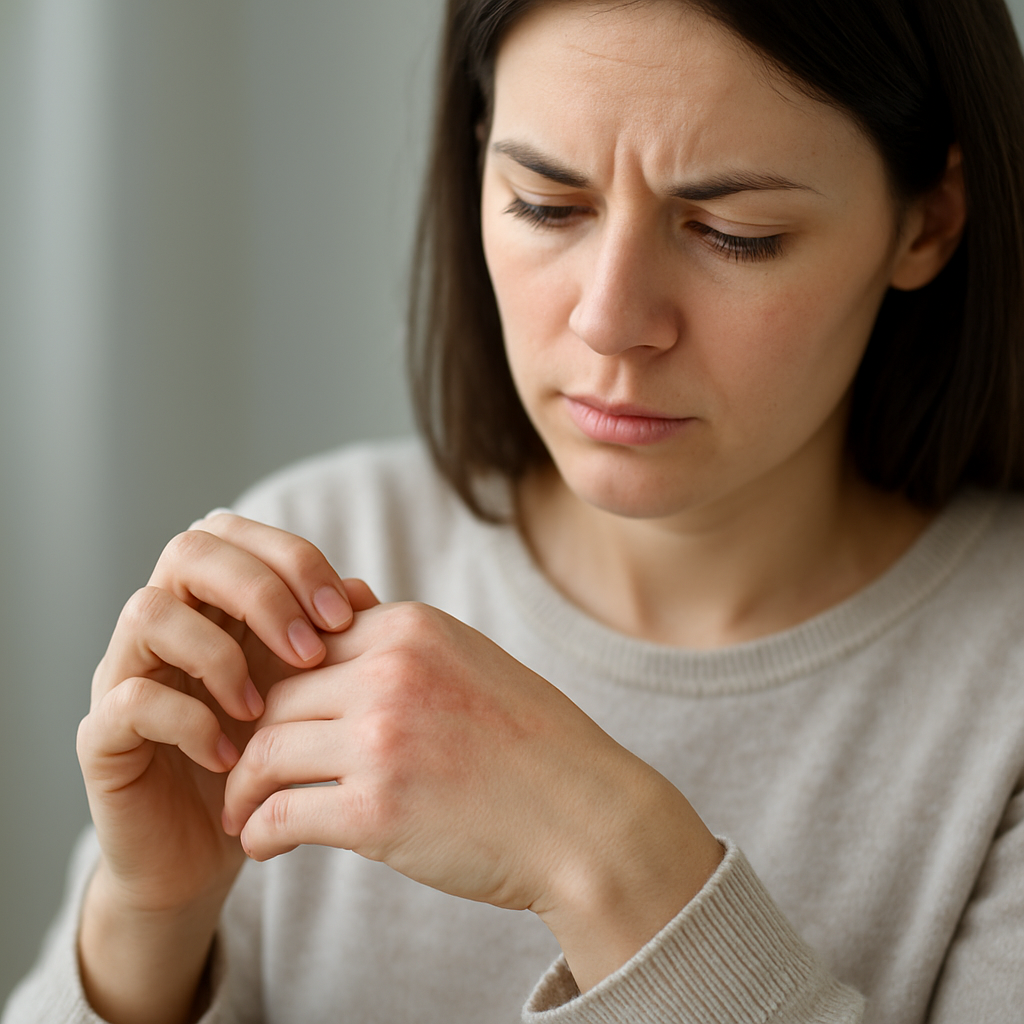

What Is Contact Dermatitis?

Contact dermatitis is an inflammatory skin reaction that occurs when your skin comes into direct contact with an irritating substance or allergen. This common condition, classified under ICD-10 code L25.9, affects millions of people worldwide regardless of age, gender, or skin type. The condition manifests as red, itchy, inflamed patches that can appear anywhere on your body where contact occurred.
“Contact dermatitis is not a permanent condition and typically resolves completely with proper treatment and avoidance of triggers.”
Two distinct types exist: irritant contact dermatitis and allergic contact dermatitis. Irritant contact dermatitis develops immediately after exposure to harsh chemicals, soaps, or detergents that damage the skin barrier. Allergic contact dermatitis requires previous sensitization and triggers an immune response upon re-exposure to specific allergens like poison ivy, nickel, or fragrances.
People with Sensitive Skin face higher risks of developing contact dermatitis. Sensitive skin reacts easily to skincare products, environmental factors, or irritants with symptoms like redness, burning, stinging, itching, or inflammation. This reactive skin type requires extra caution when selecting personal care products and handling potential irritants.
Common examples include reactions to latex gloves, costume jewelry containing nickel, poison oak exposure, or harsh household cleaners. The good news is that contact dermatitis rarely causes permanent scarring when treated appropriately and trigger substances are identified and avoided.
Types of Contact Dermatitis
Contact dermatitis occurs in two distinct forms, each with different triggers and timing patterns. Understanding which type affects you helps determine the most effective treatment approach and prevents future flare-ups.
Irritant contact dermatitis develops immediately or within hours of exposure to harsh substances. Your skin reacts directly to chemicals, soaps, detergents, or rough materials that damage the protective skin barrier. This type accounts for about 80% of all contact dermatitis cases and affects anyone exposed to strong irritants. Common examples include dishwashing liquid causing cracked hands, harsh laundry detergent triggering body rashes, or new skincare products causing facial irritation.
Allergic contact dermatitis involves your immune system and appears 24 to 48 hours after contact with specific allergens. Your body develops sensitivity to particular substances over time, then overreacts during future exposures. Poison ivy, nickel jewelry, fragrances, and latex commonly trigger this delayed hypersensitivity reaction.
The manifestations differ significantly between types. Irritant dermatitis typically appears as dry, cracked, or burned-looking skin at the exact contact site. Allergic reactions often spread beyond the initial contact area, creating red, swollen patches with small blisters.
"Most contact dermatitis heals completely without permanent scarring when properly treated and the trigger is avoided."
Both types respond well to treatment when the causative substance is identified and eliminated. Proper care prevents the permanent scarring that many patients fear, restoring healthy skin appearance within weeks.
Symptoms and Signs

Contact dermatitis symptoms typically appear exactly where your skin touched the triggering substance. The most common signs include red, swollen patches of skin accompanied by intense itching and burning sensations. Many people also develop small, fluid-filled blisters that may ooze or crust over as they heal.
The affected skin often becomes dry, cracked, and scaly, especially as the reaction progresses. Some individuals experience raised, itchy bumps similar to hives, while others notice their skin becoming thick and leathery with repeated exposure. The severity ranges from mild redness to painful, weeping lesions that significantly impact daily activities.
Irritant contact dermatitis symptoms appear immediately or within hours of exposure. For example, dishwashing liquid causing instant hand irritation. Allergic contact dermatitis develops more slowly, often taking 24 to 48 hours to appear after touching poison ivy or nickel jewelry.
Most contact dermatitis heals completely without permanent scarring when treated properly. However, seek medical attention if you develop signs of infection like pus, red streaks extending from the rash, fever, or worsening symptoms after a week. Large areas of blistering, facial involvement, or severe swelling also warrant professional evaluation to prevent complications and ensure proper healing.
Common Causes and Triggers
Contact dermatitis develops when your skin encounters specific irritants or allergens that trigger inflammation. Understanding these common triggers helps you identify and avoid substances that cause flare-ups, reducing your risk of developing permanent scarring or discoloration.
Chemical irritants represent the most frequent cause of contact dermatitis. Harsh soaps, detergents, bleach, and cleaning products strip your skin's natural protective barrier. Strong acids or alkalis found in toilet bowl cleaners, rust removers, and pool chemicals can cause severe reactions within minutes of contact. Even seemingly gentle products like hand sanitizers and antibacterial wipes can trigger reactions with repeated use.
Plant allergens like poison ivy, oak, and sumac contain urushiol oil that creates delayed allergic reactions. Metal allergens including nickel in jewelry, belt buckles, and eyeglass frames cause persistent rashes. Fragrances in perfumes, lotions, and laundry products trigger reactions in sensitive individuals, while preservatives like formaldehyde in cosmetics and hair products create contact allergies.
Your skin type influences your susceptibility to contact dermatitis. Dry skin lacks moisture and natural oils, making it more vulnerable to irritants because the compromised barrier allows chemicals to penetrate deeper. Oily skin with overactive sebaceous glands may react differently to oil-based products and fragrances. Combination skin presents unique challenges, as the oily T-zone areas may tolerate products that irritate the drier cheek regions.
Occupational hazards include latex gloves for healthcare workers, hair dyes for stylists, and cement for construction workers. Everyday household triggers encompass fabric softeners, rubber gloves, adhesives, and even foods like citrus fruits or garlic that leave residue on hands.
Risk Factors
Certain individuals face higher risks of developing contact dermatitis based on their skin type, lifestyle, and medical history. Understanding these risk factors helps identify your vulnerability and prevent future reactions.
People with Sensitive Skin—also called reactive skin—are significantly more prone to contact dermatitis. This skin type reacts easily to skincare products, environmental factors, or irritants with symptoms like redness, burning, stinging, itching, or inflammation. If you already experience reactions to fragrances, preservatives, or new products, your risk increases substantially.
Your occupation plays a crucial role in exposure patterns. Healthcare workers, hairstylists, cleaners, mechanics, and food handlers encounter irritants daily through chemicals, latex gloves, detergents, and frequent hand washing. These repeated exposures weaken the skin barrier over time.
Previous allergic reactions create lasting sensitivities. Once your immune system identifies a substance as harmful, future contact triggers faster, more severe reactions. This immunological memory explains why reactions often worsen with repeated exposure rather than improving.
Atopic dermatitis patients face triple the normal risk due to compromised skin barriers that allow irritants to penetrate more easily. Excessive hand washing, while promoting hygiene, strips protective oils and creates microscopic breaks where allergens enter.
Treatment Options
Contact dermatitis treatment focuses on reducing inflammation and preventing permanent damage to your skin. Most cases respond well to proper treatment without leaving lasting marks or scars when addressed promptly.
Topical corticosteroids form the foundation of contact dermatitis treatment. Your doctor will prescribe mild corticosteroids like hydrocortisone 1% for facial rashes or stronger formulations such as triamcinolone 0.1% for body areas. Apply these medications twice daily to affected areas, using the weakest effective strength to minimize side effects.
Use clean cloth soaked in cool water for 15-20 minutes three times daily to reduce inflammation and itching.
Apply fragrance-free moisturizer like Cetaphil or CeraVe while skin remains damp to lock in hydration.
Use oral diphenhydramine 25-50mg or loratadine 10mg daily to control itching and prevent scratching damage.
Trigger avoidance represents your most powerful long-term strategy. Keep detailed records of products used before flare-ups. Common culprits include nickel jewelry, fragranced soaps, latex gloves, and poison ivy. Switch to hypoallergenic alternatives and perform patch testing when introducing new skincare products.
Doctors prescribe oral corticosteroids like prednisone for severe widespread reactions covering more than 10% of body surface area or when topical treatments fail after one week. These powerful medications require careful monitoring but can prevent extensive scarring in severe cases.
Prevention and Management
Preventing contact dermatitis requires identifying your personal triggers through careful observation. Keep a diary noting when reactions occur, what products you used, and activities you performed. Common culprits include fragrances, preservatives, metals like nickel, and rubber compounds. Once you know your triggers, read product labels carefully and choose fragrance-free, hypoallergenic alternatives.
For high-risk activities like cleaning, gardening, or handling chemicals, wear protective gloves made from materials you don't react to. Vinyl or nitrile gloves work well for most people with latex allergies. Change gloves frequently and wash hands thoroughly afterward to remove any residual irritants that might penetrate the barrier.
People with Sensitive Skin need modified skincare routines that minimize irritation risk. Use gentle, soap-free cleansers and apply fragrance-free moisturizers while skin is still damp. Introduce new products one at a time, testing on a small patch first. Avoid harsh scrubs, alcohol-based toners, and products with known irritants.
Seek professional dermatological help if reactions persist despite avoidance measures, cover large body areas, or cause significant discomfort. Early intervention prevents the cycle of scratching and inflammation that can lead to permanent skin changes and scarring. A dermatologist can perform patch testing to identify specific allergens and prescribe stronger treatments when needed.
Successful contact dermatitis management centers on identifying personal triggers and consistently avoiding them through protective measures and modified routines.
Frequently Asked Questions
What is contact dermatitis?
Contact dermatitis is an inflammatory skin reaction that occurs when your skin comes into direct contact with an irritating substance or allergen. This common condition affects millions of people worldwide and manifests as red, itchy, inflamed patches that can appear anywhere on your body where contact occurred. The good news is that contact dermatitis is not a permanent condition and typically resolves completely with proper treatment and avoidance of triggers.
What are the two types of contact dermatitis?
The two distinct types are irritant contact dermatitis and allergic contact dermatitis. Irritant contact dermatitis develops immediately after exposure to harsh chemicals, soaps, or detergents that damage the skin barrier and accounts for about 80% of all cases. Allergic contact dermatitis requires previous sensitization and triggers an immune response 24 to 48 hours after re-exposure to specific allergens like poison ivy, nickel, or fragrances.
How long does contact dermatitis take to heal?
Contact dermatitis typically takes 2-4 weeks to heal completely with proper treatment. The condition has an 85% complete recovery rate when trigger substances are identified and avoided. Contact dermatitis rarely causes permanent scarring when treated appropriately.
Who is at higher risk for developing contact dermatitis?
People with sensitive skin face higher risks of developing contact dermatitis. Sensitive skin reacts easily to skincare products, environmental factors, or irritants with symptoms like redness, burning, stinging, itching, or inflammation. This reactive skin type requires extra caution when selecting personal care products and handling potential irritants.
What percentage of the population is affected by contact dermatitis?
Contact dermatitis affects approximately 15% of the population worldwide. This common condition can affect people regardless of age, gender, or skin type. The condition is widespread enough to be a significant dermatological concern globally.
Disclaimer: This content is for informational purposes only and does not constitute medical advice. Always consult a qualified healthcare provider before making health decisions.