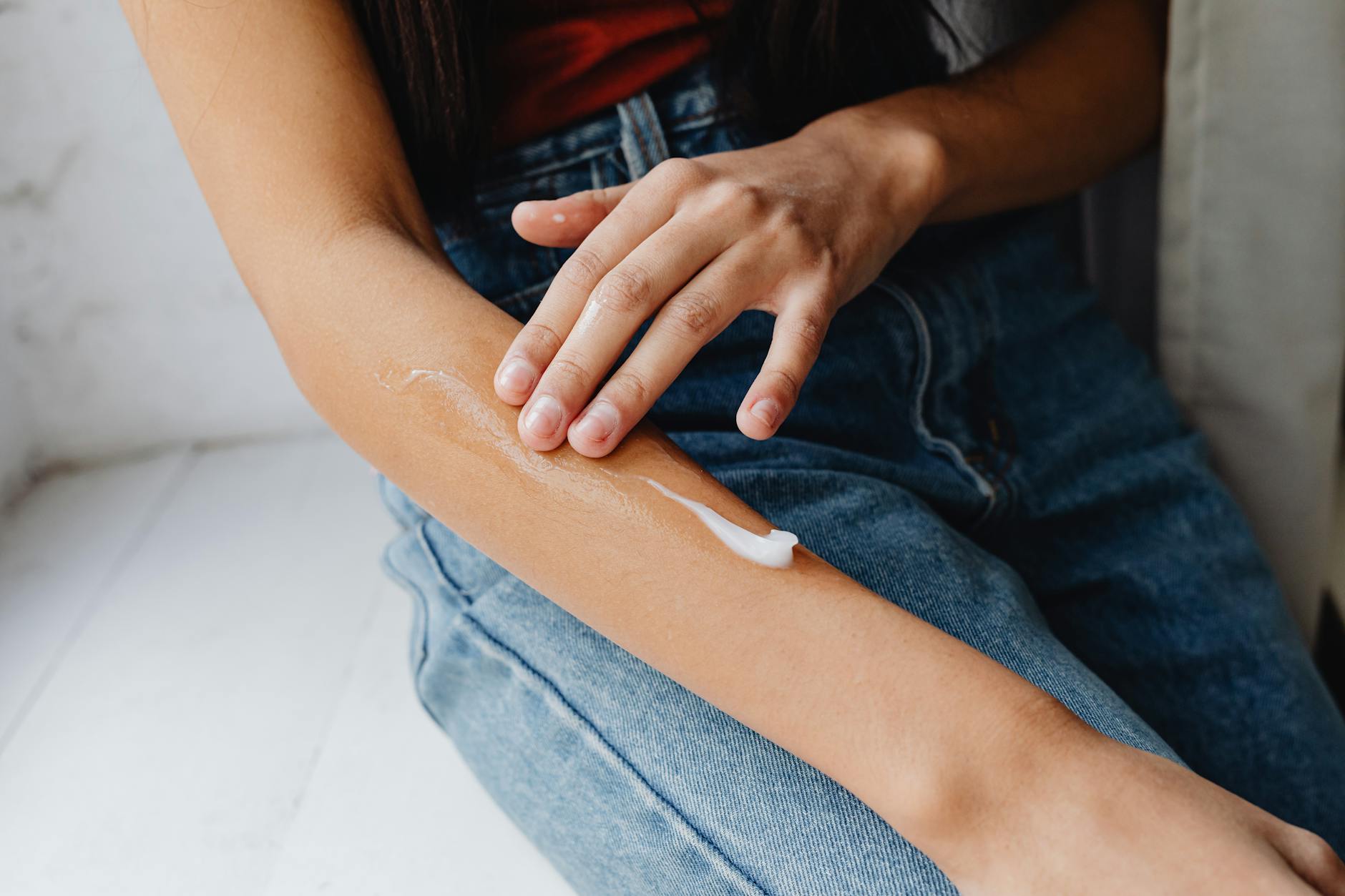

Harsh Cleansing Ingredients That Strip Your Skin

When you have sensitive skin, certain cleansing ingredients can transform your daily routine into a source of irritation rather than relief. Sulfates like sodium lauryl sulfate (SLS) and sodium laureth sulfate (SLES) are powerful surfactants that strip away your skin's natural protective oils, leaving you with the tight, uncomfortable feeling of dry skin.
“Aggressive cleansers don't just remove makeup and dirt—they can damage your skin barrier for hours after washing.”
Denatured alcohols, often listed as alcohol denat or SD alcohol, disrupt your skin barrier by dissolving the lipids that keep moisture locked in. This creates a cycle where your skin becomes increasingly reactive and prone to redness.
For example, many foaming face washes contain these ingredients to create that satisfying lather, but that same bubbling action signals potential trouble for sensitive skin. Your skin barrier needs gentle care, not aggressive stripping that can worsen irritation and delay healing.
Fragrances and Essential Oils to Skip

Both synthetic fragrances and natural essential oils can trigger reactions in Sensitive Skin, causing redness, burning, and inflammation that might leave you worried about lasting damage. Don't assume natural means safer—many essential oils are stronger irritants than synthetic alternatives.
“Essential oils like citrus, peppermint, and tea tree are common culprits behind contact dermatitis in sensitive skin types.”
Citrus oils (lemon, orange, bergamot), mint varieties (peppermint, spearmint), and cinnamon consistently cause problems. These oils contain compounds that penetrate skin barriers and trigger inflammatory responses.
Watch for hidden fragrances listed as "parfum," "fragrance," or "natural flavor" on ingredient labels. Botanical extracts like lavender extract or rose extract often contain fragrant compounds. Even products labeled "unscented" may contain masking fragrances to neutralize chemical odors. Choose products specifically marked "fragrance-free" to avoid these reactive ingredients completely.
Active Ingredients That Require Extra Caution
High-concentration acids and retinoids promise quick results, but they can trigger serious irritation in sensitive skin. Alpha hydroxy acids (AHAs) like glycolic acid at 10% or higher, beta hydroxy acid (BHA) like salicylic acid above 2%, and prescription retinoids can cause redness, peeling, and burning sensations that take weeks to heal.
Even Combination Skin, with its oily T-zone and normal-to-dry cheeks, requires careful introduction of active ingredients. The dry areas remain vulnerable to over-exfoliation despite the oily nose and forehead tolerating stronger formulations.
Start with gentler formulations containing 2% AHA or 0.25% retinol. Introduce one new active every two weeks, using it only twice weekly initially. This gradual approach prevents the painful inflammation that derails skincare routines and protects against long-term damage.
Preservatives and Chemical Irritants
Preservatives keep skincare products safe, but certain types trigger contact reactions in sensitive individuals. Formaldehyde-releasing preservatives like DMDM hydantoin and quaternium-15 cause delayed allergic responses that can lead to persistent rashes and scarring concerns.
Parabens (methylparaben, propylparaben) rarely cause true allergic reactions but can irritate already compromised skin barriers. Chemical sunscreen ingredients like avobenzone and octinoxate frequently trigger stinging and burning, especially problematic for those with Oily Skin who need frequent reapplication.
Common irritating preservatives include MIT (methylisothiazolinone), phenoxyethanol in high concentrations, and benzyl alcohol. These ingredients often hide in "natural" or "gentle" formulations, making label reading essential for preventing inflammatory reactions that could worsen existing skin concerns.
Reading Labels to Protect Your Skin
Mastering ingredient labels protects you from reactions that could lead to lasting skin damage. Many irritating compounds hide behind scientific names that sound harmless to untrained eyes.
These make up the highest concentration in your product and pose the greatest risk for reactions.
Fragrance appears as parfum, limonene, or linalool while alcohols hide as ethanol or denatured alcohol.
Keep notes of products that work well and ingredients to avoid based on your skin's reactions.
Red flag terms include "fragrance," words ending in "-paraben," and any alcohol listed early in ingredients. Creating your personal reference list prevents repeated exposure to triggers.
Always read the first five ingredients on every product label and maintain a written list of your skin's safe and problematic ingredients.
Frequently Asked Questions
What cleansing ingredients should I avoid if I have sensitive skin?
Avoid sulfates like sodium lauryl sulfate (SLS) and sodium laureth sulfate (SLES) as these powerful surfactants strip away your skin's natural protective oils. Denatured alcohols (alcohol denat or SD alcohol) are also problematic because they disrupt your skin barrier by dissolving the lipids that keep moisture locked in. These aggressive ingredients can leave your skin feeling tight, dry, and increasingly reactive to other products.
Are essential oils safe for sensitive skin?
No, essential oils can actually be stronger irritants than synthetic alternatives and frequently trigger reactions in sensitive skin. Common problem oils include citrus oils (lemon, orange, bergamot), mint varieties (peppermint, spearmint), and cinnamon, which contain compounds that penetrate skin barriers and cause inflammatory responses. Even though they're natural, these oils can cause redness, burning, and contact dermatitis.
What percentage of retinol is safe for beginners with sensitive skin?
Beginners with sensitive skin should start with 0.25% retinol maximum to avoid irritation. High-concentration retinoids can cause redness, peeling, and burning sensations that take weeks to heal in sensitive skin types. Start by using the low concentration only twice weekly initially, and introduce one new active ingredient every two weeks to prevent painful inflammation.
How often should I use acid treatments if I have sensitive skin?
You should wait at least 72 hours minimum between acid treatments to avoid over-exfoliation and irritation. Start with gentler formulations containing 2% AHA rather than high concentrations of 10% or higher. Begin by using acid treatments only twice weekly initially, as approximately 30% of users experience irritation from high-strength acids.
Disclaimer: This content is for informational purposes only and does not constitute medical advice. Always consult a qualified healthcare provider before making health decisions.