Understanding Adult Acne Prevention vs Treatment

Adult acne prevention operates on a completely different principle than treatment. Treatment targets existing breakouts with active ingredients like benzoyl peroxide or salicylic acid, while prevention focuses on maintaining healthy skin barriers and consistent routines that stop acne before it forms. Think of treatment as firefighting and prevention as fireproofing your home.
“Prevention focuses on maintaining healthy skin barriers and consistent routines that stop acne before it forms.”
Hormonal fluctuations drive most adult acne, particularly in women experiencing monthly cycles, pregnancy, or menopause. Unlike teenage acne that appears primarily in the T-zone, adult hormonal acne typically clusters around the jawline and chin. Prevention strategies must account for these predictable hormonal surges by strengthening the skin's natural defenses rather than simply attacking bacteria after breakouts occur.
Mature skin presents unique challenges that teenage acne products ignore. Your skin produces less oil naturally as you age, making harsh treatments counterproductive. Aggressive scrubs or high-concentration acids can damage the skin barrier, actually triggering more breakouts as your skin overcompensates with excess oil production. For example, using a 10% benzoyl peroxide wash daily might clear teenage skin but leave adult skin red, flaky, and more prone to cysts.
Effective prevention requires gentle, consistent care that supports your skin's natural repair processes. This means choosing products with lower concentrations of active ingredients, incorporating hydrating elements, and understanding that clear skin develops over months, not days. The goal shifts from aggressive intervention to sustainable maintenance that prevents the scarring and social embarrassment that many adults fear most.
Essential Maintenance Product Categories

Building an effective acne prevention routine requires understanding four core product categories that work together to maintain clear skin. Each category serves a specific purpose in preventing breakouts before they start, rather than treating existing acne.
“Prevention is always more effective than correction when it comes to adult acne management.”
Gentle cleansers form the foundation of any maintenance routine. Look for pH-balanced formulas that remove excess oil and debris without stripping your skin's natural barrier. Cream or gel cleansers with ingredients like ceramides work better than harsh foaming formulas that can trigger increased oil production. The CeraVe Hydrating Cleanser exemplifies this approach with its non-irritating formula.
Low-strength chemical exfoliants prevent pore blockages by removing dead skin cells that would otherwise mix with oil to form comedones. Start with 0.5% to 2% salicylic acid or 5% to 8% glycolic acid products used two to three times weekly. Paula's Choice 2% BHA Liquid Exfoliant demonstrates how gentle daily exfoliation can prevent future breakouts without irritation.
Non-comedogenic moisturizers maintain your skin's protective barrier while preventing the dryness that can paradoxically worsen acne. These products won't clog pores and often contain ingredients like niacinamide or hyaluronic acid. Even oily skin needs proper hydration to function optimally and avoid overproducing sebum as compensation for dryness.
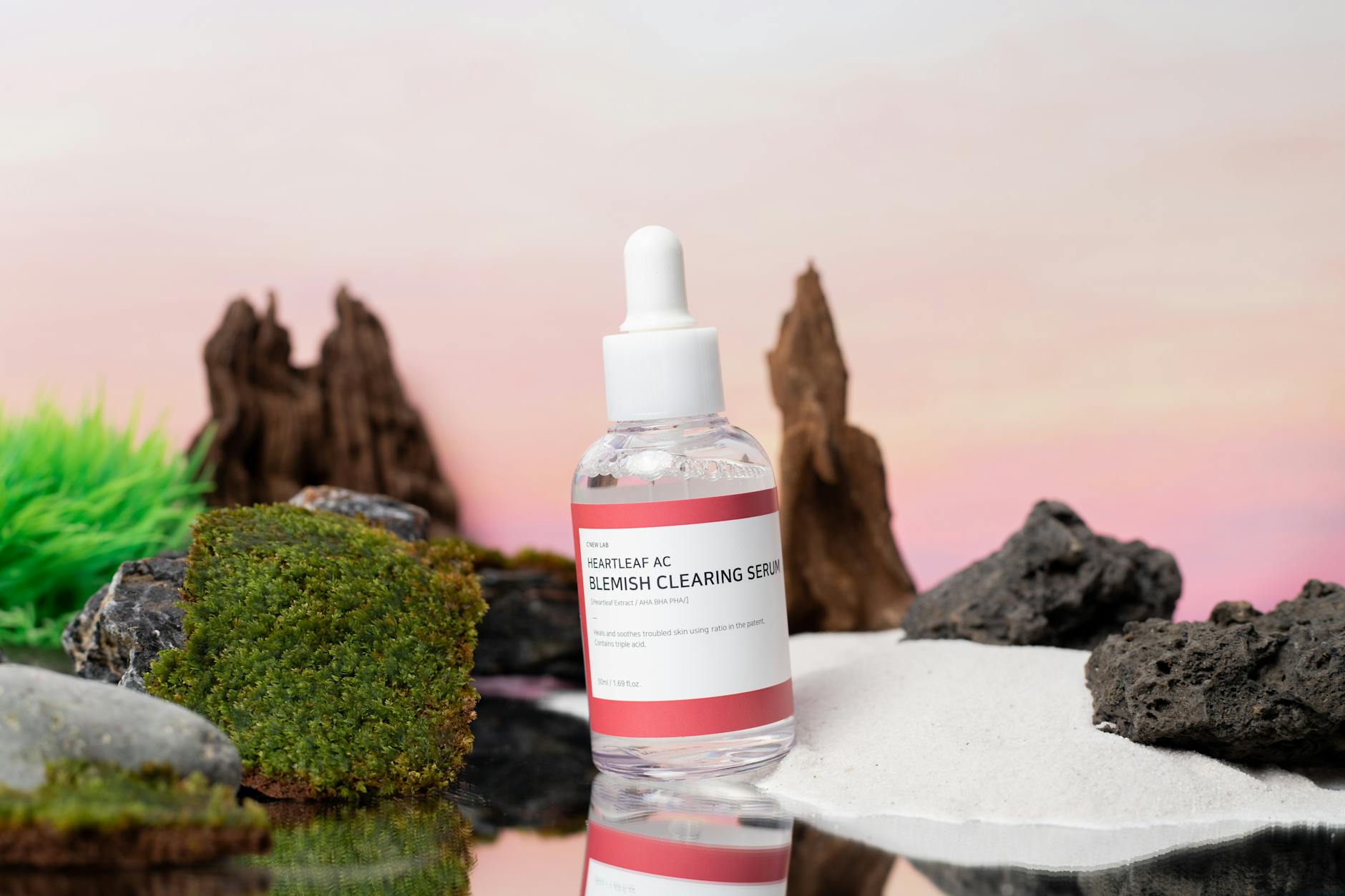
Targeted spot prevention serums address areas prone to frequent breakouts with concentrated active ingredients. These might contain higher concentrations of salicylic acid, retinol, or niacinamide applied only to problem zones like the T-zone or jawline. This targeted approach prevents future breakouts while minimizing the risk of irritation that could lead to post-inflammatory hyperpigmentation or scarring.
Understanding these categories helps you build a routine that addresses your skin's specific needs without overwhelming it with too many active ingredients at once.
Building Your Maintenance Routine Timeline
Creating a consistent acne prevention routine requires structure and timing. The key to preventing future breakouts and avoiding permanent scarring lies in following a systematic approach that addresses your skin's needs throughout each day and week.
Start with a gentle cleanser, apply vitamin C serum, follow with lightweight moisturizer, and finish with broad-spectrum SPF 30 sunscreen.
Remove makeup thoroughly, cleanse again, apply retinoid or salicylic acid treatment, and seal with heavier night moisturizer.
Use a clay mask or exfoliating treatment once per week to remove buildup and prevent clogged pores.
Evaluate your skin's response, take progress photos, and adjust product concentrations or frequencies as needed.
Your morning routine focuses on protection and prevention. After cleansing away overnight oils and dead skin cells, vitamin C provides antioxidant protection while sunscreen prevents post-inflammatory hyperpigmentation that can last months longer than the acne itself.
Evening routines emphasize repair and treatment. This is when active ingredients like retinoids and chemical exfoliants work most effectively. Your skin repairs itself during sleep, making nighttime the optimal window for stronger treatments that might cause sensitivity in daylight.
Weekly treatments target stubborn blackheads and prevent buildup that daily cleansing might miss. Clay masks work especially well for oily skin, while gentle chemical exfoliants suit sensitive types. Never combine multiple active treatments on the same night to avoid irritation.
Monthly assessments help you track progress and catch problems early. Take photos in consistent lighting, note any new breakout patterns, and adjust your routine based on seasonal changes or hormonal cycles. This systematic approach prevents the frustration of starting over when products stop working effectively.
Ingredient Rotation and Tolerance Building
Your skin needs time to adapt to active ingredients without becoming overwhelmed or resistant. Think of ingredient rotation like strength training—you gradually increase intensity while allowing recovery periods to prevent injury and maintain progress.
Start with one active ingredient and use it every third night for two weeks. Once your skin shows no irritation, increase to every other night for another two weeks, then advance to nightly use if tolerated. Introduce a second active only after your skin completely adapts to the first, typically after 4-6 weeks.
Start retinoids at 0.025% or salicylic acid at 0.5% to minimize irritation.
Watch for redness, peeling, or increased sensitivity as signs to slow progression.
Alternate retinoids with AHA/BHA rather than layering multiple actives nightly.
Recognize over-treatment signs immediately: persistent redness, burning sensation, or worsening breakouts. These symptoms indicate you're pushing too hard and risk damaging your skin barrier, which can actually worsen acne and increase scarring risk.
Adjust your routine seasonally since skin needs change with weather. Reduce active ingredient frequency during harsh winter months when skin becomes drier and more sensitive. Summer heat and humidity may allow for more frequent active use, but always prioritize sun protection since many acne ingredients increase photosensitivity.
Take planned breaks from actives every 6-8 weeks to reset your skin's tolerance. Use these rest periods to focus on hydration and barrier repair with gentle cleansers and moisturizers only.
Lifestyle Integration for Long-Term Success

Your skincare routine works best when supported by lifestyle choices that promote healthy skin from within. While topical treatments address surface concerns, addressing underlying factors prevents the cycle of breakouts that leads to permanent scarring and ongoing frustration.
Diet plays a significant role in adult acne management. Dairy products and high-glycemic foods like white bread and sugary snacks can trigger hormonal fluctuations that worsen breakouts. Focus on anti-inflammatory foods like leafy greens, fatty fish, and berries. Women experiencing hormonal acne around their menstrual cycle should track patterns and consider discussing hormonal balance with their healthcare provider.
Stress management directly impacts your skin's healing ability. High cortisol levels increase oil production and inflammation. Practice stress-reduction techniques like deep breathing, regular exercise, or meditation. Even 10 minutes of daily stress management can improve skin clarity within weeks.
Sleep quality affects skin repair and hormone regulation. Aim for 7-9 hours nightly and wash your pillowcases twice weekly to prevent bacterial buildup. Poor sleep disrupts your skin's natural regeneration process.
Environmental protection requires daily SPF 30+ sunscreen, even indoors near windows. Pollution and UV exposure worsen acne inflammation and increase scarring risk. Use a gentle, non-comedogenic sunscreen as your final morning step, and consider air purifiers in heavily polluted areas.
Troubleshooting Maintenance Challenges
Even the most carefully planned acne prevention routine will face obstacles. Recognizing when to make adjustments prevents minor setbacks from becoming major breakouts that could lead to scarring.
Your routine needs updating when seasonal changes affect your skin, hormonal fluctuations occur, or stress levels increase. Dry winter air might require switching to a gentler cleanser, while summer humidity could mean adding a stronger treatment product. Pay attention to how your skin responds to life changes like new medications, dietary shifts, or travel.
Breakthrough breakouts happen despite consistent care. Rather than abandoning your routine, identify potential triggers first. New makeup, laundry detergent, or even touching your face more frequently can disrupt clear skin. Treat isolated breakouts with spot treatments while maintaining your regular prevention routine.
Product efficacy naturally diminishes over time as your skin adapts. If your trusted benzoyl peroxide stops working as effectively after six months, rotating to salicylic acid for a few weeks can restore sensitivity. This cycling approach keeps treatments effective long-term.
Contact your dermatologist when breakouts persist beyond two weeks despite adjustments, when new types of lesions appear, or when your skin becomes increasingly sensitive to products that previously worked well. Professional guidance prevents DIY experimentation that could worsen your condition.
Monitor your skin's response to your routine and make gradual adjustments rather than dramatic changes when challenges arise.
Frequently Asked Questions
What is the difference between adult acne prevention and treatment?
Treatment targets existing breakouts with active ingredients like benzoyl peroxide or salicylic acid, while prevention focuses on maintaining healthy skin barriers and consistent routines that stop acne before it forms. Think of treatment as firefighting and prevention as fireproofing your home. Prevention focuses on maintaining healthy skin barriers and consistent routines that stop acne before it forms.
Where does adult hormonal acne typically appear?
Adult hormonal acne typically clusters around the jawline and chin, unlike teenage acne that appears primarily in the T-zone. Hormonal fluctuations drive most adult acne, particularly in women experiencing monthly cycles, pregnancy, or menopause.
Why are teenage acne products not good for mature skin?
Mature skin produces less oil naturally as you age, making harsh treatments counterproductive. Aggressive scrubs or high-concentration acids can damage the skin barrier, actually triggering more breakouts as your skin overcompensates with excess oil production. For example, using a 10% benzoyl peroxide wash daily might clear teenage skin but leave adult skin red, flaky, and more prone to cysts.
What type of cleanser should I use for adult acne prevention?
Look for pH-balanced formulas that remove excess oil and debris without stripping your skin's natural barrier. Cream or gel cleansers with ingredients like ceramides work better than harsh foaming formulas that can trigger increased oil production. The CeraVe Hydrating Cleanser exemplifies this approach with its non-irritating formula.
Do I still need moisturizer if I have oily, acne-prone skin?
Yes, even oily skin needs proper hydration to function optimally and avoid overproducing sebum as compensation for dryness. Non-comedogenic moisturizers maintain your skin's protective barrier while preventing the dryness that can paradoxically worsen acne. These products won't clog pores and often contain ingredients like niacinamide or hyaluronic acid.
Disclaimer: This content is for informational purposes only and does not constitute medical advice. Always consult a qualified healthcare provider before making health decisions.