Quick Verdict: Adult vs Teen Acne Treatment

Teen acne and adult acne require completely different treatment strategies, despite appearing similar on the surface. Teen acne primarily stems from hormonal surges during puberty that trigger excessive oil production. Treatment focuses on controlling this oil overproduction through stronger ingredients like benzoyl peroxide and salicylic acid.
“Adult skin needs gentler care because it's often dealing with both acne and aging simultaneously.”
Adult acne presents a more complex challenge. Your skin produces less oil but faces hormonal fluctuations from stress, menstrual cycles, or life changes. Adult treatments emphasize gentle, multi-targeted approaches that address inflammation without over-drying already mature skin. This prevents the scarring and hyperpigmentation that worry many adult acne sufferers.
The key difference lies in approach: teens can tolerate aggressive oil-control methods, while adults need balanced treatments that target specific triggers like hormones and stress while maintaining skin barrier health.
The Core Differences: Why Age Matters in Acne Treatment

Your skin operates completely differently at 16 versus 35, which means the acne treatments that worked in high school might actually make adult breakouts worse. Understanding these fundamental differences helps you choose treatments that won't waste time or cause additional scarring.
“Teen acne typically responds to stronger treatments, while adult skin needs gentler approaches that won't disrupt an already compromised barrier.”
Teenage acne stems primarily from puberty's hormonal surge, flooding skin with androgens that trigger massive oil production. Teen skin bounces back quickly from aggressive treatments like high-strength benzoyl peroxide or retinoids because their skin barrier remains robust and resilient.
Adult acne operates differently. Hormonal fluctuations become more subtle but persistent, often tied to menstrual cycles, stress, or hormonal transitions. Meanwhile, your skin barrier weakens with age, producing less oil and becoming more sensitive to harsh ingredients.
Lifestyle factors also hit adult skin harder. Poor sleep, chronic stress, and dietary choices create inflammation that teenage skin typically shrugs off. This means adult acne treatment must address both topical care and underlying lifestyle triggers to prevent future breakouts effectively.
Treatment Approach Comparison
The treatment strategies for teen and adult acne differ significantly because your skin's needs change as you age. Teen treatments focus heavily on oil reduction since adolescent skin produces excess sebum due to hormonal surges. Dermatologists typically prescribe stronger oil-controlling ingredients like benzoyl peroxide at 5-10% concentration or salicylic acid at 2% to combat this overproduction.
Adult acne treatment takes a more nuanced approach. Your skin produces less oil naturally after age 25, so aggressive oil-stripping treatments can actually worsen breakouts by triggering irritation. Instead, adult treatments balance acne control with anti-aging benefits. For example, retinoids serve double duty by clearing pores while stimulating collagen production to prevent fine lines.
Ingredient concentrations also vary by age group. Teens can typically handle stronger formulations because their skin barrier is more resilient and recovers faster from potential irritation. Adults require gentler concentrations to avoid compromising their skin barrier, which heals more slowly and shows damage more permanently.
This gentler approach addresses the fear of permanent scarring that many adults face. While teens' skin bounces back quickly from aggressive treatments, adult skin needs careful handling to prevent long-term damage while still achieving clear results.
Product Formulation Differences
The skincare industry creates different formulations for teens and adults because mature skin has distinct needs that teenage acne products cannot address. Teen products prioritize powerful acne-fighting ingredients like salicylic acid and benzoyl peroxide in straightforward formulations designed for oily, resilient skin. These products often contain 2% salicylic acid or 2.5-10% benzoyl peroxide without additional moisturizing agents.
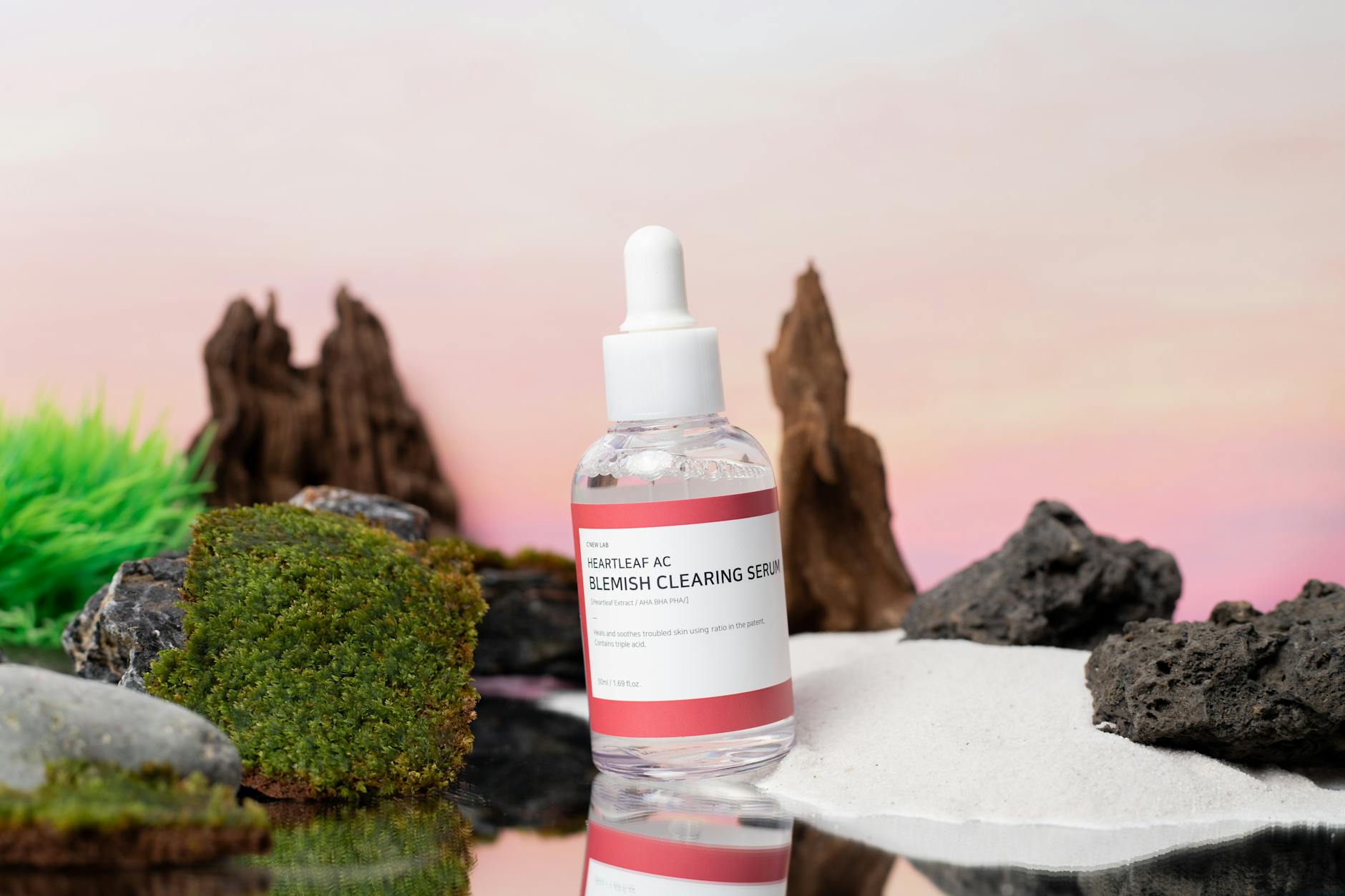
Adult acne formulations take a gentler approach by combining acne treatments with hydrating ingredients like hyaluronic acid, niacinamide, and ceramides. These products use lower concentrations of active ingredients and include anti-aging components such as retinol or peptides. For example, an adult acne serum might contain 0.5% salicylic acid with 2% niacinamide and glycerin.
The pH levels and delivery systems also differ significantly. Adult products maintain a slightly higher pH to protect the skin barrier and use encapsulation technology to deliver ingredients slowly. This prevents the irritation and dryness that can worsen adult acne and lead to permanent scarring, addressing your concerns about long-term skin damage.
Who Should Choose Which Approach

Age alone doesn't determine your best acne treatment path. While someone in their 30s might assume they need adult-focused products, their skin could actually respond better to traditional teen formulations if they have oily, resilient skin without sensitivity issues.
Your skin type plays the deciding role. People with dry or sensitive skin benefit from gentler adult formulations regardless of age. Those with thick, oily skin can often handle stronger teen treatments even into their twenties and beyond. Pay attention to how your skin reacts to current products rather than focusing solely on your birth year.
Hormonal status significantly impacts treatment choice. Women experiencing hormonal fluctuations from pregnancy, menopause, or PCOS typically need adult-targeted approaches that address these underlying causes. Men and women with stable hormone levels might succeed with either approach based purely on skin characteristics.
Consider consulting a dermatologist if you're unsure which category fits your situation. They can prevent the trial-and-error approach that often leads to irritation and delayed results, helping you avoid prolonged breakouts that increase scarring risk.
Final Recommendation
Your treatment choice should match your current skin needs, not your age. Teen acne responds well to salicylic acid cleansers and consistent routines, while adult acne often requires gentler approaches that won't disrupt mature skin barriers.
Start with gentle products regardless of whether you're 16 or 46. Your skin will tell you if you can handle stronger treatments. Most people fear permanent scarring, which makes rushing into harsh treatments tempting, but aggressive approaches often backfire by causing irritation and more breakouts.
Professional consultation becomes essential when over-the-counter options fail after 6-8 weeks. Dermatologists can prescribe targeted treatments like retinoids for teens or hormonal therapies for adults that address root causes rather than just surface symptoms.
Match your treatment to your skin's current condition and hormonal stage, not your age alone.
Frequently Asked Questions
What's the difference between teen acne and adult acne treatment?
Teen acne treatment focuses on controlling excess oil production from hormonal surges during puberty, using stronger ingredients like benzoyl peroxide and salicylic acid. Adult acne requires gentler, multi-targeted approaches that address inflammation without over-drying mature skin that already produces less oil naturally. Adults need balanced treatments that target specific triggers like hormones and stress while maintaining skin barrier health.
Why don't teenage acne treatments work for adults?
Adult skin operates completely differently than teenage skin and has a weaker skin barrier that becomes more sensitive to harsh ingredients. Aggressive oil-stripping treatments that work for teens can actually worsen adult breakouts by triggering irritation. Adult acne stems from more subtle but persistent hormonal fluctuations rather than the massive oil overproduction seen in teenagers.
Can adults use the same strong acne products that teens use?
Adults should avoid the same aggressive treatments that work for teenagers because mature skin produces less oil and has a compromised barrier. High-strength benzoyl peroxide or harsh retinoids that teenage skin can tolerate may cause additional scarring and hyperpigmentation in adults. Adult treatments must balance acne control with anti-aging benefits rather than focusing solely on oil reduction.
What causes adult acne versus teenage acne?
Teenage acne primarily stems from puberty's hormonal surge that floods skin with androgens, triggering massive oil production. Adult acne operates differently with more subtle but persistent hormonal fluctuations often tied to menstrual cycles, stress, or life transitions. Lifestyle factors like poor sleep, chronic stress, and dietary choices also create inflammation that affects adult skin more severely than teenage skin.
Disclaimer: This content is for informational purposes only and does not constitute medical advice. Always consult a qualified healthcare provider before making health decisions.