How We Selected the Best Benzoyl Peroxide Gels and Creams
Selecting the right benzoyl peroxide treatment requires careful evaluation of multiple factors that directly impact your skin's response. We analyzed dozens of products across three main concentration levels: 2.5%, 5%, and 10%. Research shows that 2.5% concentrations work just as effectively as higher strengths for most people, but with significantly less irritation.
“Starting with the lowest effective concentration prevents the skin damage and scarring that many people fear when beginning acne treatment.”
Our selection process focused on formulation quality differences between gels and creams. Gels work better for oily skin types because they dry quickly and don't clog pores, while creams provide extra moisture for sensitive or dry skin. We prioritized products with minimal inactive ingredients that could trigger reactions.
We consulted board-certified dermatologists and reviewed clinical studies published in peer-reviewed journals. User reviews from verified purchasers helped us identify real-world performance issues like pilling, bleaching, or excessive dryness. Products that consistently caused irritation or failed to show results within 6-8 weeks were excluded from our recommendations.
Each recommended product underwent evaluation for packaging quality, price point accessibility, and availability at major retailers to ensure practical usability for everyday treatment routines.
Best Overall Benzoyl Peroxide Gel

CeraVe Foaming Facial Cleanser with 4% Benzoyl Peroxide takes our top spot for good reason. This dermatologist-developed formula strikes the perfect balance between effectiveness and gentleness, making it suitable for most skin types without the harsh irritation that often accompanies acne treatments.
“The key to successful acne treatment is consistency, and you can't be consistent with a product that burns your skin.”
The 4% concentration provides enough strength to kill acne-causing bacteria and unclog pores while remaining gentle enough for daily use. Unlike many benzoyl peroxide products that leave skin tight and flaky, this gel incorporates ceramides and niacinamide to maintain your skin barrier and reduce redness. The lightweight, non-comedogenic formula absorbs quickly without leaving residue or causing excessive dryness.
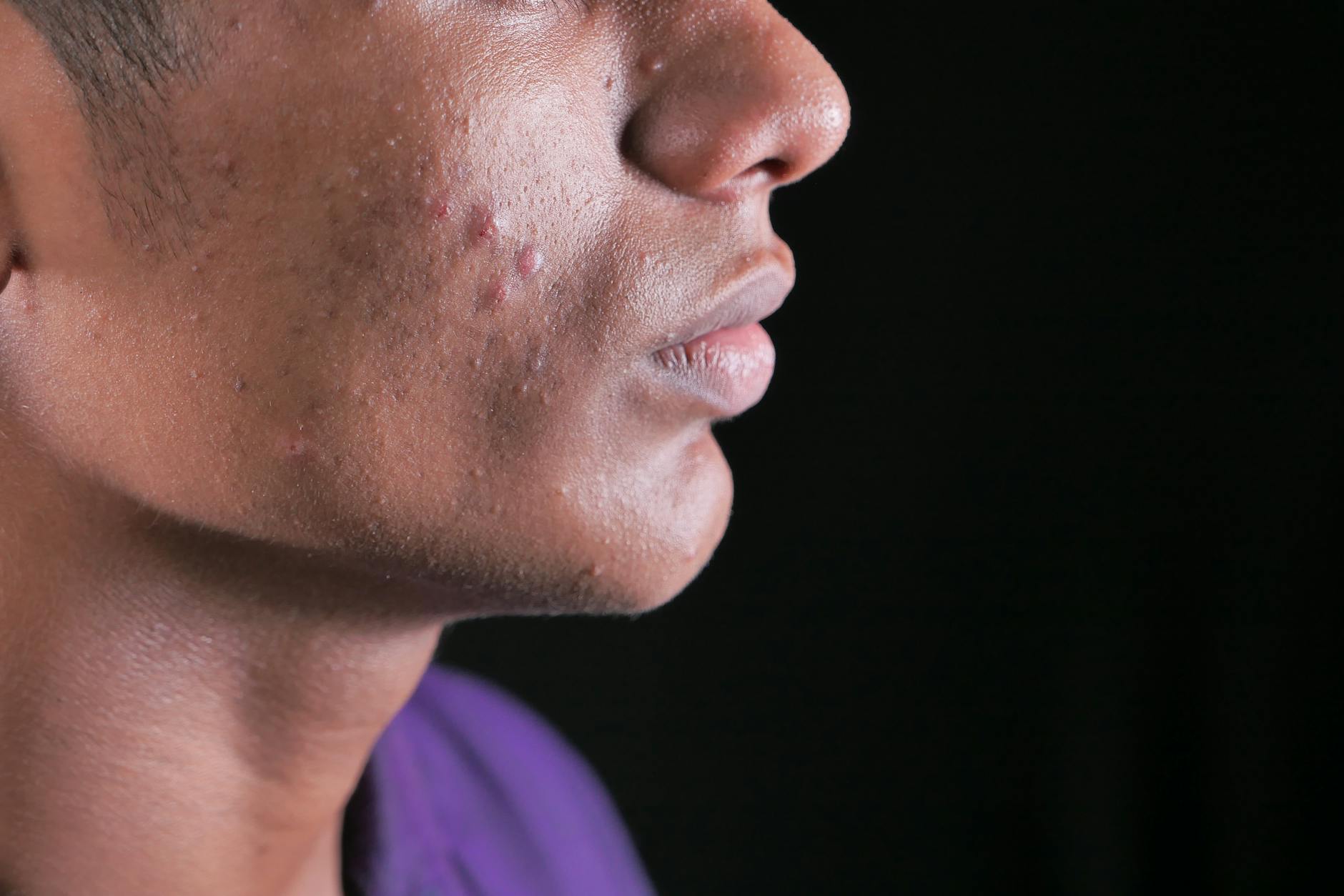
What sets this product apart is its gentle approach to preventing the scarring and post-inflammatory hyperpigmentation that worry many acne sufferers. The added moisturizing ingredients help your skin heal properly while the benzoyl peroxide works to clear existing breakouts and prevent new ones.
Available at most drugstores and online retailers for around $12, this gel offers professional-grade results at an accessible price point. Start with once-daily application to build tolerance, then increase to twice daily as your skin adjusts.
Best Overall Benzoyl Peroxide Cream
CeraVe Foaming Facial Cleanser with 4% Benzoyl Peroxide stands out as our top cream recommendation for those dealing with acne-prone skin. This dermatologist-developed formula combines the proven acne-fighting power of Benzoyl Peroxide with essential ceramides and hyaluronic acid that protect your skin barrier while treating breakouts.
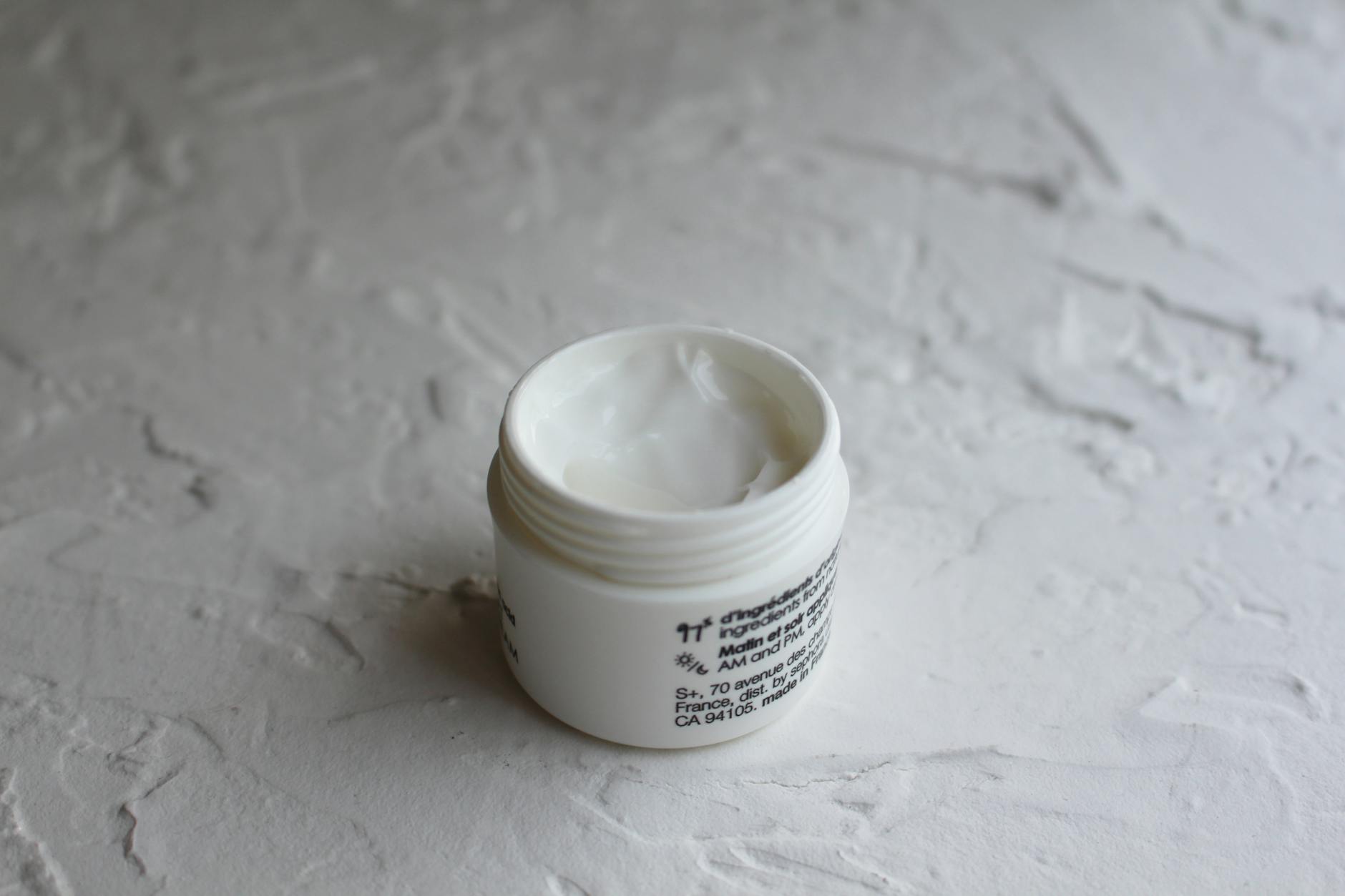
The cream's moisturizing benefits make it particularly valuable for people with dry or sensitive skin who find traditional acne treatments too harsh. Unlike many Benzoyl Peroxide products that leave skin feeling tight and flaky, this formulation includes three essential ceramides that help restore and maintain your skin's natural protective barrier. The hyaluronic acid provides additional hydration without clogging pores.
The texture feels smooth and spreads easily across your face without the sticky residue common in some acne treatments. Users report that it absorbs quickly and works well under makeup or moisturizer. The cream formulation proves gentler than gel alternatives while maintaining effectiveness against both existing breakouts and preventing new ones from forming.
Compared to gel formulations, this cream provides superior moisturizing properties that help prevent the peeling and irritation that can lead to post-inflammatory hyperpigmentation. This makes it an excellent choice if you're concerned about scarring or dark spots from previous breakouts. Start with every-other-day application to build tolerance.
Best Budget-Friendly Option

Quality acne treatment doesn't require breaking the bank. Several drugstore benzoyl peroxide products deliver professional-grade results at fraction of premium prices, making clear skin accessible regardless of your budget.
Clean & Clear Persa-Gel 10 stands out as our top budget recommendation. This drugstore staple contains 10% benzoyl peroxide in a proven formula that costs under $7. The gel penetrates quickly without leaving residue, making it perfect for daily use. Despite its low price, the ingredient quality matches expensive alternatives.
Neutrogena On-The-Spot offers another excellent value at 2.5% concentration. This gentler strength works well for sensitive skin while preventing the scarring you're worried about through consistent daily application. The smaller tube size means fresher product with each purchase.
Both products are available at virtually every pharmacy and grocery store, ensuring you never run out of treatment. The key lies in consistency rather than price - these affordable options work just as effectively as premium brands when used regularly. Start with lower concentrations to build tolerance, then adjust based on your skin's response.
Best for Sensitive Skin
If your skin tends to burn, sting, or turn red easily, you need a gentler approach to benzoyl peroxide. The fear of making irritation worse or causing permanent damage is real, but you can still benefit from this proven acne fighter with the right strategy.
Start with 2.5% benzoyl peroxide formulations. Research shows this concentration provides nearly the same acne-fighting power as higher strengths but with significantly less irritation. CeraVe Acne Foaming Cream Cleanser and Neutrogena Ultra Gentle Daily Cleanser both offer this lower strength in creamy, moisturizing bases.
Look for products that include soothing ingredients alongside benzoyl peroxide. Formulations with ceramides, niacinamide, or hyaluronic acid help calm skin while treating breakouts. La Roche-Posay Effaclar Duo combines 5.5% benzoyl peroxide with lipo-hydroxy acid for gentle exfoliation, making it suitable for reactive skin types.
Apply a small amount to your inner wrist and wait 24-48 hours to check for reactions.
Use every third night for the first week, then gradually increase frequency as your skin adjusts.
Apply a fragrance-free moisturizer immediately after your benzoyl peroxide product dries. This creates a protective barrier that reduces the chance of dryness and peeling while maintaining the treatment's effectiveness.
Best High-Strength Formula
When stubborn acne refuses to respond to standard treatments, high-strength benzoyl peroxide formulations at 10% concentration offer the most powerful over-the-counter option. These formulas work aggressively to eliminate acne bacteria and prevent the scarring that comes from prolonged breakouts.
Products like PanOxyl 10% Acne Foaming Wash and Neutrogena Stubborn Acne AM Treatment deliver maximum strength benzoyl peroxide for persistent cases. These concentrations prove most effective for severe inflammatory acne, including cystic breakouts that standard treatments cannot control.
High-strength formulas require careful introduction to prevent severe irritation. Start with every third day application, gradually increasing frequency as your skin builds tolerance. Monitor for excessive dryness, burning, or peeling that signals overuse.
These powerful treatments can cause significant initial irritation, including redness and flaking that may temporarily worsen your appearance. However, this period typically lasts 2-4 weeks before skin adapts and dramatic clearing begins.
Always pair high-strength benzoyl peroxide with gentle moisturizers and limit sun exposure, as these formulations increase photosensitivity and can cause additional irritation when combined with UV rays.
Gel vs Cream: Which Should You Choose?
The formulation you choose affects how benzoyl peroxide absorbs into your skin and performs. Gels penetrate deeper and faster because of their lightweight, water-based structure. This makes them ideal for oily skin types that produce excess sebum, as the gel won't add moisture that could clog pores further.
Creams work differently. They absorb more slowly and provide hydration alongside acne treatment. If you have dry or sensitive skin, creams prevent the over-drying that sometimes leads to irritation and peeling. The moisturizing base helps your skin tolerate benzoyl peroxide better during the adjustment period.
Consider your other skincare products when choosing. Gels layer well under makeup and don't interfere with serums or moisturizers applied afterward. Creams are thicker and work best as your final step, especially at night.
Seasonal factors matter too. Summer heat and humidity favor gels, which feel lighter and won't slide off sweaty skin. Winter weather often calls for creams, which protect against harsh conditions while treating breakouts. Many people switch formulations based on the season or use gels during the day and creams at night for maximum flexibility.
Quick Comparison Summary

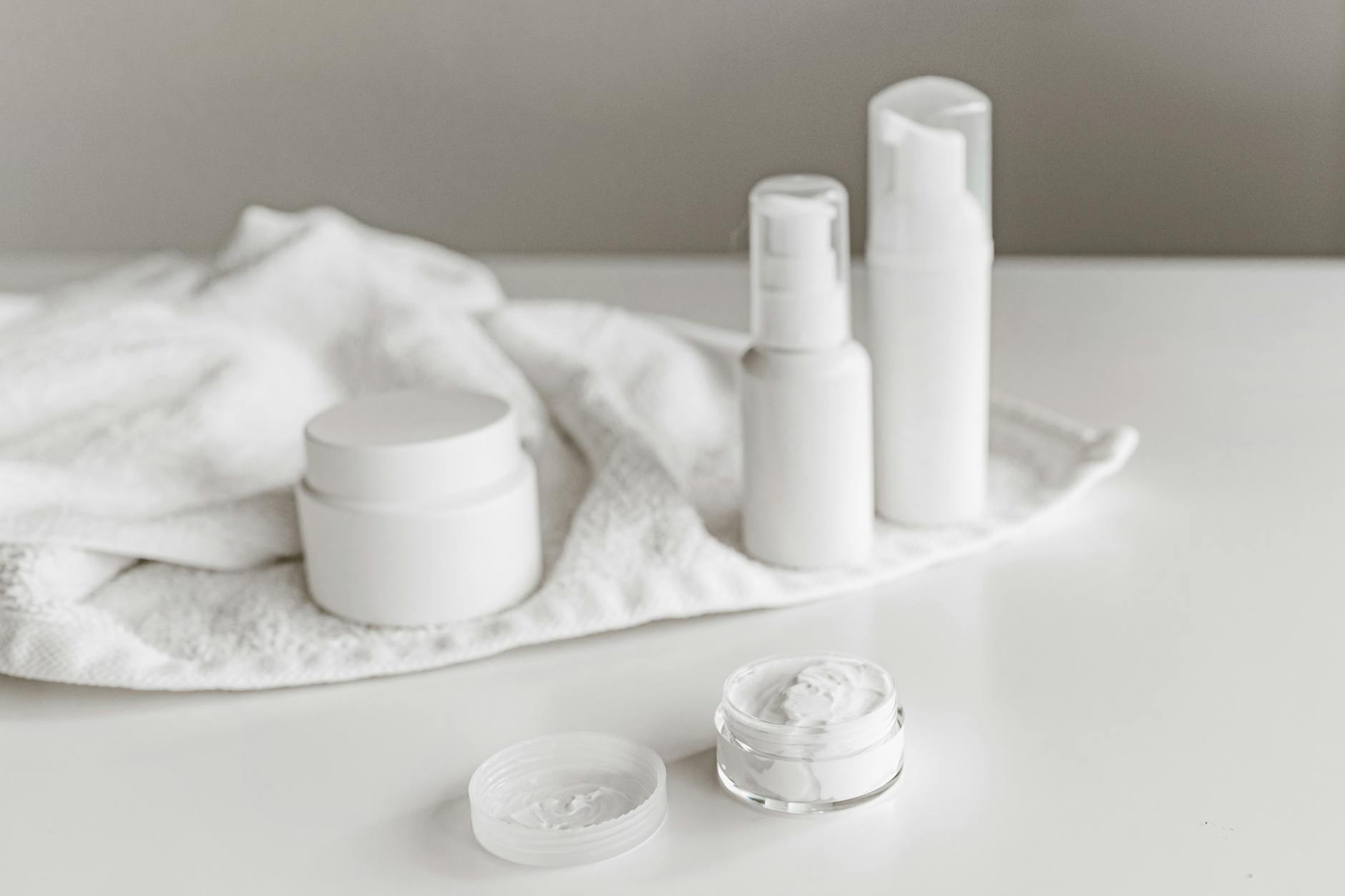
Choosing the right benzoyl peroxide product becomes easier when you see the key differences side by side. Here's how the top options stack up across the factors that matter most for clearing your skin without causing unnecessary irritation.
Gels work best for oily skin and quick absorption, while creams suit dry or sensitive skin types. Budget-friendly drugstore options like Neutrogena and Clean & Clear deliver proven results at $6-12, while premium brands like PanOxyl offer specialized formulations at $8-15.
For beginners worried about scarring from harsh treatments, start with 2.5% cream formulations. These provide effective acne-fighting power with minimal risk of over-drying. Once your skin adjusts, you can graduate to stronger concentrations or gel formulas if needed.
The sweet spot for most people combines a gentle 2.5% benzoyl peroxide cream for daily use with a stronger 5% gel for spot treatments. This approach prevents future breakouts while addressing existing blemishes without triggering the redness and peeling that can worsen skin confidence issues.
Tips for Using Benzoyl Peroxide Gels and Creams
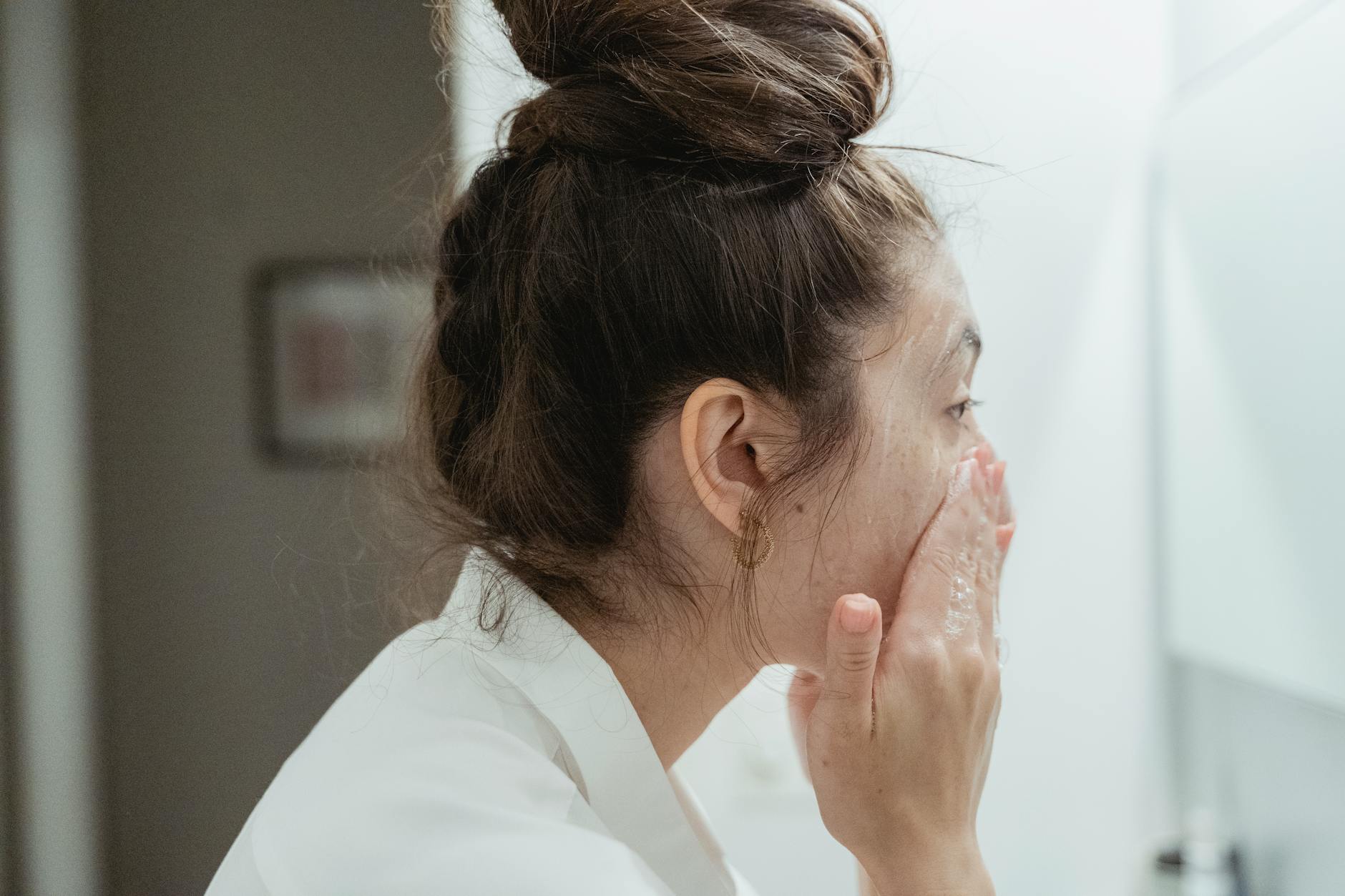
Start slowly with benzoyl peroxide to prevent irritation. Apply a thin layer once daily in the evening, then gradually increase to twice daily as your skin adjusts. Clean skin thoroughly before application, but wait 15-20 minutes after washing to let your skin dry completely.
Start with evening application only for the first week to minimize sun sensitivity.
Benzoyl peroxide increases sun sensitivity, making UV protection essential.
Wash hands thoroughly after application and use white towels and pillowcases.
Benzoyl peroxide bleaches colored fabrics permanently, so choose white bedding and towels. The bleaching happens even with trace amounts on your hands or face.
When combining with other acne treatments, space them apart. Use benzoyl peroxide in the morning and retinoids at night, or alternate days. This prevents excessive dryness while addressing your concerns about scarring through consistent treatment.
Start with once-daily evening application, always wear sunscreen, and protect colored fabrics from permanent bleaching.
Frequently Asked Questions
What concentration of benzoyl peroxide should I start with?
You should start with 2.5% benzoyl peroxide concentration, as research shows it works just as effectively as higher strengths for most people but with significantly less irritation. Starting with the lowest effective concentration prevents skin damage and scarring that many people fear when beginning acne treatment. You can always increase the concentration later if needed.
What's the difference between benzoyl peroxide gels and creams?
Gels work better for oily skin types because they dry quickly and don't clog pores, while creams provide extra moisture for sensitive or dry skin. The choice between gel and cream should be based on your skin type and moisture needs. Both formulations can be effective for treating acne when used consistently.
How long does it take to see results from benzoyl peroxide?
You should expect to see results within 6-8 weeks of consistent use. Products that don't show results within this timeframe are typically not effective for your skin. The key to successful acne treatment is consistency, so it's important to use a product that doesn't cause excessive irritation.
Can benzoyl peroxide cause bleaching or other side effects?
Yes, benzoyl peroxide can cause bleaching of fabrics and clothing, which is a common real-world issue reported by users. Other potential side effects include pilling, excessive dryness, and skin irritation. Starting with a lower concentration and building tolerance gradually can help minimize these side effects.
Disclaimer: This content is for informational purposes only and does not constitute medical advice. Always consult a qualified healthcare provider before making health decisions.