What Are the Most Common Benzoyl Peroxide Side Effects?

Starting benzoyl peroxide can feel like a leap of faith, especially when you're already worried about your skin's appearance. The truth is, most people experience some side effects when they first begin treatment, and knowing what to expect helps you stay on track toward clearer skin.
“Understanding these side effects as temporary hurdles rather than permanent setbacks makes all the difference in your acne treatment journey.”
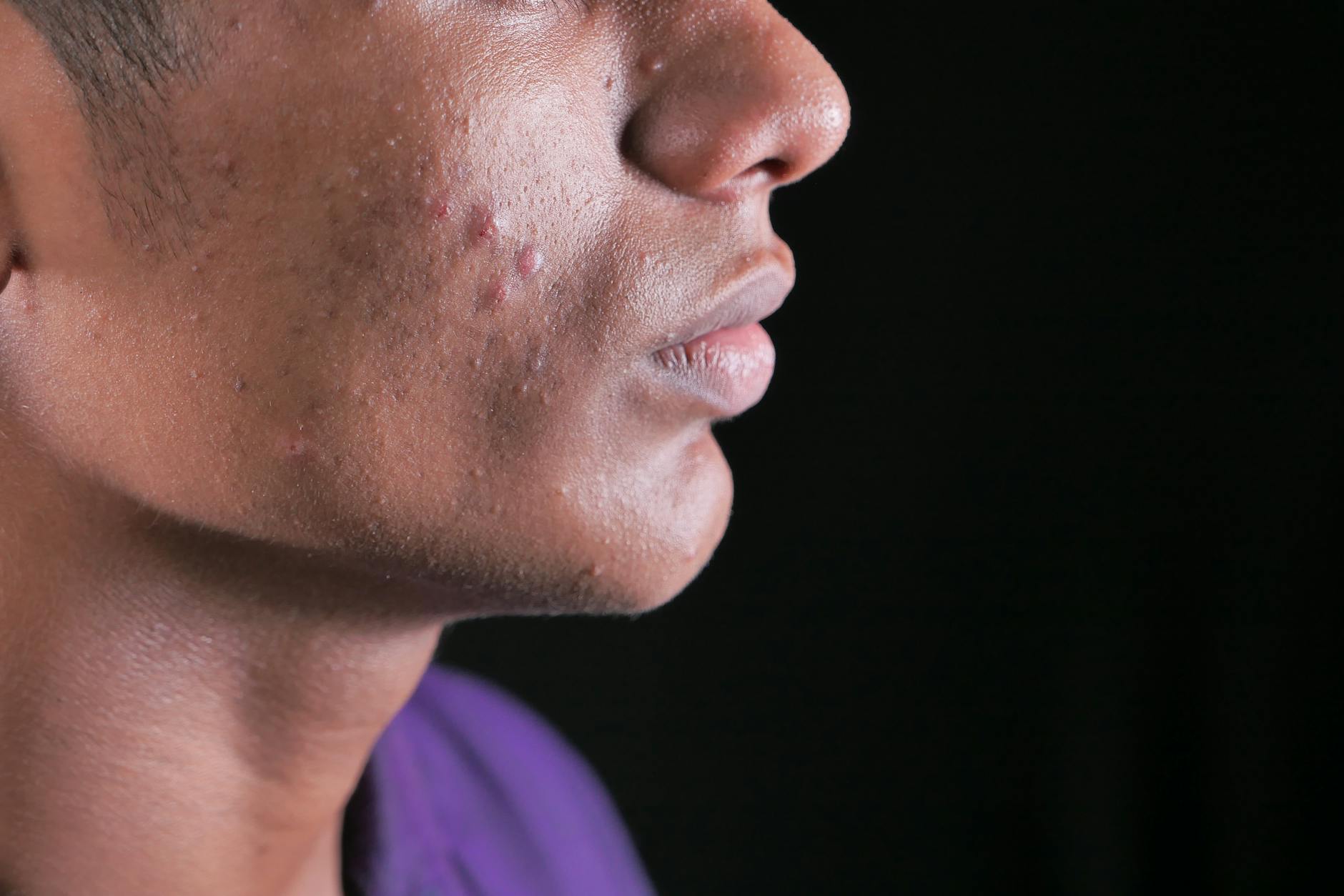
The most frequent side effect is skin dryness and peeling, which affects nearly everyone during the first few weeks. Your skin may feel tight and look flaky as it adjusts to the medication. Redness and irritation often accompany this dryness, making your face appear more inflamed than before you started treatment.
Many people also experience an initial acne purging phase where breakouts temporarily worsen. This happens because benzoyl peroxide accelerates skin cell turnover, bringing existing clogged pores to the surface faster. Contact sensitivity can develop too, causing stinging or burning when you apply the product.
One practical side effect to remember is fabric bleaching. Benzoyl peroxide will permanently discolor clothing, pillowcases, and towels that come into contact with treated skin. Use white linens and old shirts during treatment to avoid ruining your favorite items.
Why These Side Effects Happen

Understanding why your skin reacts to Benzoyl Peroxide helps you stay confident during treatment. The side effects you're experiencing aren't signs of damage—they're evidence that the medication is working at a cellular level.
Benzoyl Peroxide fights acne through two powerful mechanisms. First, its antibacterial action releases oxygen molecules directly into your pores, creating an environment where acne-causing bacteria cannot survive. This oxygen release process can initially irritate surrounding skin tissue, leading to redness and sensitivity.
“The side effects you're experiencing aren't signs of damage—they're evidence that the medication is working.”
Second, Benzoyl Peroxide acts as a keratolytic agent, meaning it actively breaks down and removes dead skin cells that clog your pores. This accelerated cell turnover reveals fresh, new skin underneath but temporarily disrupts your skin's protective barrier. The result is the dryness, peeling, and flaking many people notice during their first few weeks of treatment.
This barrier disruption is temporary and completely normal. Your skin adapts to the treatment within 2-4 weeks, developing tolerance while maintaining the acne-fighting benefits that prevent future breakouts.
Immediate Solutions for Side Effects
When benzoyl peroxide causes irritation, you can take immediate steps to reduce discomfort without abandoning your acne treatment entirely. The key lies in adjusting how you use the product rather than stopping completely.
Switch from 10% to 5% or 2.5% benzoyl peroxide for gentler results.
Apply every other day instead of daily until your skin adapts.
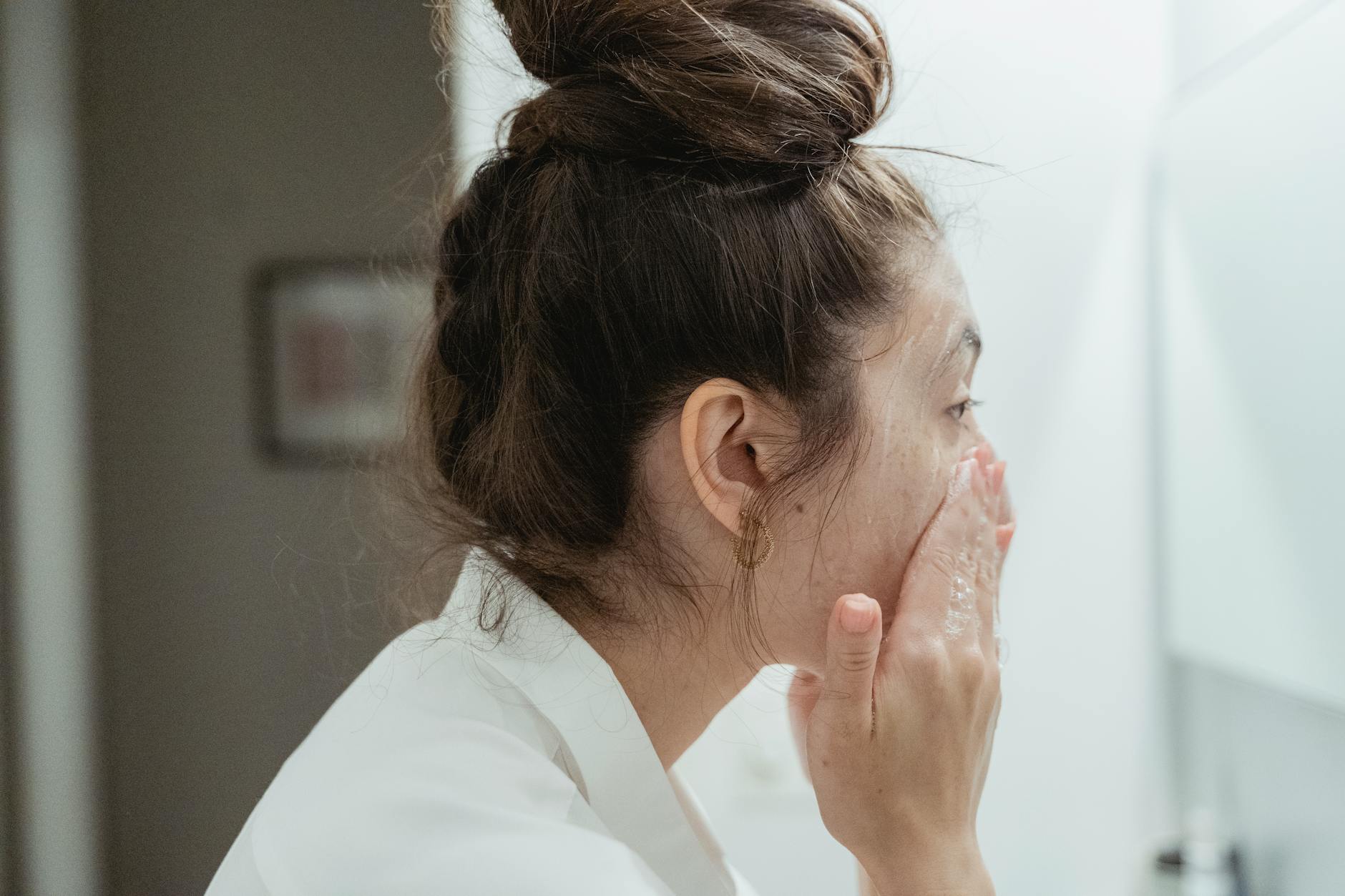
Apply benzoyl peroxide only after your face is completely dry from washing.
Use a fragrance-free moisturizer within five minutes of application.
Start with the lowest concentration available and gradually increase as your skin builds tolerance. For example, use 2.5% benzoyl peroxide three times per week for two weeks, then increase to every other day. This approach prevents the severe peeling and redness that can lead to temporary dark spots, addressing concerns about scarring.
Choose moisturizers with ceramides or hyaluronic acid to repair your skin barrier. Avoid products containing alcohol, fragrances, or additional acids during the adjustment period. These simple modifications allow your skin to acclimate while maintaining acne-fighting benefits.
Long-term Management Strategies
Building tolerance to Benzoyl Peroxide takes patience, but following a structured approach prevents the setbacks that lead to permanent scarring. Your skin needs time to adapt while maintaining the treatment's acne-fighting benefits.
Start by repairing your skin barrier with ceramide-rich moisturizers applied twice daily. This creates a protective foundation that reduces irritation as you continue treatment. Damaged barriers make skin more vulnerable to inflammation and potential scarring.
Apply Benzoyl Peroxide to completely dry skin, waiting 20 minutes after cleansing to prevent amplified irritation.
Follow with niacinamide or hyaluronic acid serums that calm inflammation and boost hydration.
Increase strength only when you experience zero irritation for two consecutive weeks.
Combine Benzoyl Peroxide with gentle, anti-inflammatory ingredients like centella asiatica or green tea extract. These partnerships maintain effectiveness while reducing harsh side effects. Track your skin's response weekly through photos and notes about irritation levels.
Most people successfully increase from 2.5% to 5% strength after 6-8 weeks of consistent use without irritation. Never rush this progression – steady tolerance building prevents the frustrating cycle of stopping and restarting treatment.
When to Stop Using Benzoyl Peroxide

Knowing when to discontinue Benzoyl Peroxide protects your skin from permanent damage and prevents the scarring you're worried about. Stop treatment immediately if you experience severe allergic reactions like widespread hives, facial swelling, or difficulty breathing.
A persistent burning sensation that doesn't improve after reducing frequency signals your skin cannot tolerate the medication. If your acne worsens significantly after 2-3 weeks of consistent use, Benzoyl Peroxide may not be the right treatment for you.
Watch for signs of chemical burns: deep redness that doesn't fade overnight, skin that feels hot to touch, or areas that appear white or grey. For example, if your cheeks develop patches that look like sunburn but feel intensely painful, discontinue use immediately.
Alternative treatments include salicylic acid for sensitive skin, retinoids for persistent acne, or prescription antibiotics. Your dermatologist can recommend gentler options that won't compromise your skin barrier while still achieving the clear complexion you want.
Your Next Steps for Success
Success with Benzoyl Peroxide requires patience and smart strategy. Your skin needs 6-8 weeks to adjust fully, so resist the urge to abandon treatment after just a few days of irritation. This adjustment period is normal and doesn't predict permanent damage or scarring.
Start with the lowest concentration available, typically 2.5%, and use it every other day initially. Build up gradually to daily use, then consider stronger formulations only if needed. Your gentle, consistent routine matters more than aggressive treatment that backfires.
Use 2.5% concentration every other day for the first week.
Increase frequency gradually while watching for excessive dryness or irritation.
Consult a dermatologist if side effects persist beyond two weeks.
Slow, steady progress with Benzoyl Peroxide beats aggressive treatment that causes setbacks.
Frequently Asked Questions
What are the most common side effects of benzoyl peroxide?
The most common side effects include skin dryness and peeling, which affects nearly everyone during the first few weeks. Many people also experience redness, irritation, and an initial acne purging phase where breakouts temporarily worsen. Contact sensitivity causing stinging or burning when applying the product is also frequent. Additionally, benzoyl peroxide will permanently bleach clothing, pillowcases, and towels that come into contact with treated skin.
Why does benzoyl peroxide cause skin dryness and peeling?
Benzoyl peroxide acts as a keratolytic agent, meaning it actively breaks down and removes dead skin cells that clog pores. This accelerated cell turnover reveals fresh skin underneath but temporarily disrupts your skin's protective barrier. The disruption causes the dryness, peeling, and flaking that many people notice during their first few weeks of treatment.
How long do benzoyl peroxide side effects last?
The barrier disruption and associated side effects are temporary and completely normal. Your skin typically adapts to the treatment within 2-4 weeks, developing tolerance while maintaining the acne-fighting benefits. Most people experience side effects during the first few weeks as their skin adjusts to the medication.
How can I reduce benzoyl peroxide irritation without stopping treatment?
You can switch from 10% to a lower concentration like 5% or 2.5% benzoyl peroxide for gentler results. Apply the product every other day instead of daily until your skin adapts, and make sure to apply it only after your face is completely dry from washing. Using a fragrance-free moisturizer immediately after application can also help reduce irritation.
Does benzoyl peroxide bleach clothes and bedding?
Yes, benzoyl peroxide will permanently discolor clothing, pillowcases, and towels that come into contact with treated skin. This is a practical side effect that affects fabric rather than your skin. To avoid ruining your favorite items, use white linens and old shirts during treatment.
Disclaimer: This content is for informational purposes only and does not constitute medical advice. Always consult a qualified healthcare provider before making health decisions.