What Is Benzoyl Peroxide and How It Works

Benzoyl peroxide is a powerful antibacterial agent specifically designed to target the bacteria that cause acne breakouts. This medication, also known as dibenzoyl peroxide, works by releasing oxygen directly into your pores, creating an environment where acne-causing bacteria cannot survive.
“Benzoyl peroxide kills acne bacteria by flooding your pores with oxygen.”
When applied to your skin, benzoyl peroxide penetrates deep into clogged pores and releases oxygen molecules that destroy Propionibacterium acnes, the main bacteria responsible for inflammatory acne. This oxygen release also helps reduce swelling and redness around existing breakouts, preventing the scarring that many people worry about.
However, benzoyl peroxide can cause significant irritation, dryness, and peeling if used incorrectly. Understanding proper application techniques and starting with lower concentrations helps you harness its acne-fighting power while minimizing unwanted side effects that could damage your skin.
Step 1: Start Low and Go Slow

The biggest mistake people make with benzoyl peroxide is jumping straight to high concentrations. Start with 2.5% strength products, which prove just as effective as stronger versions but cause fewer side effects. Your skin needs time to build tolerance without triggering excessive dryness or irritation that could lead to scarring.
“Starting slow prevents the harsh reactions that make people abandon treatment altogether.”
Apply your 2.5% benzoyl peroxide once every other day during your first week. Watch how your skin responds before increasing frequency. If you notice mild redness or peeling, maintain this schedule longer. Once your skin adapts without irritation, gradually move to daily application, then twice daily if needed.
For example, someone with sensitive skin might stay at every-other-day application for three weeks, while others progress to daily use after one week. Listen to your skin's signals rather than rushing the process.
Step 2: Proper Application Technique
Getting your application technique right prevents unnecessary irritation while maximizing benzoyl peroxide's acne-fighting power. Poor application habits cause most of the redness and dryness that worry people about permanent skin damage.
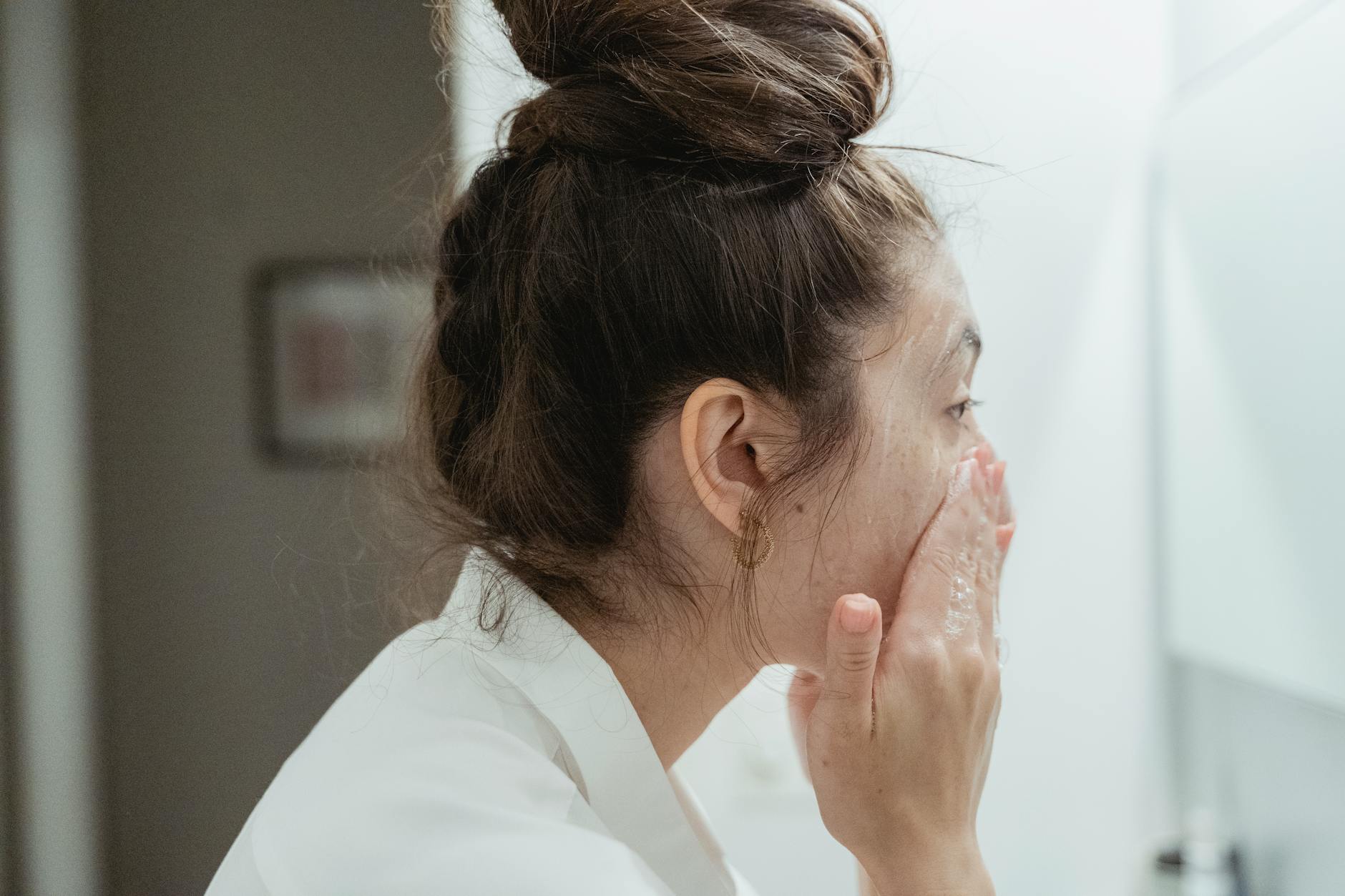
Wash your face with a gentle cleanser and pat completely dry before applying.
Use your fingertips to spread a pea-sized amount across the entire affected area.
Stay away from eyes, lips, and any broken or irritated skin areas.
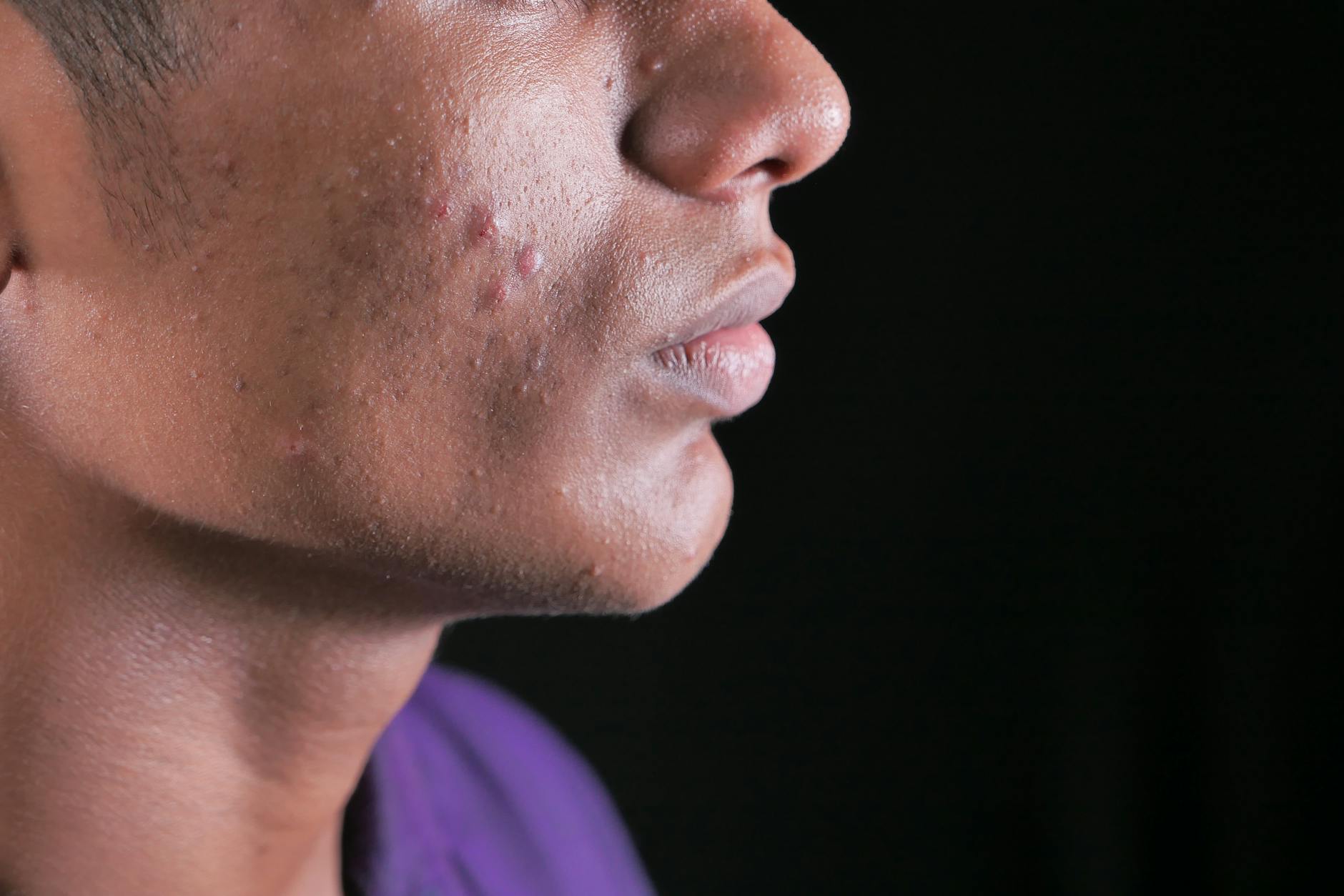
Apply to your whole acne-prone area, not just visible pimples. This prevents new breakouts from forming. Skip cotton pads—they absorb too much product and create uneven coverage. For example, if you have chin acne, treat your entire chin and jawline area rather than spot-treating individual blemishes.
Step 3: Essential Safety Precautions
Taking proper safety measures prevents complications and protects your skin investment. Daily sunscreen becomes non-negotiable when using benzoyl peroxide, as your skin becomes more vulnerable to UV damage that could worsen acne scarring.
Never combine benzoyl peroxide with retinoids during your first month of use. This powerful combination can cause severe irritation and setbacks in your clear skin journey. Start with one ingredient, establish tolerance, then gradually introduce the second under dermatologist guidance.
Protect your clothing and bedding by using white towels and old pillowcases. Benzoyl peroxide bleaches colored fabrics permanently, creating expensive wardrobe casualties.
Skip application on broken, bleeding, or severely inflamed areas. Damaged skin barriers cannot handle the ingredient's intensity and may develop lasting irritation.
Always wash your hands immediately after application to prevent accidental eye contact or fabric damage from residual product on your fingertips.
Warning Signs to Watch For

Mild redness and peeling during your first weeks are normal as your skin adjusts. However, watch for concerning symptoms that signal you need to reduce frequency or stop completely. Severe burning, intense swelling, or widespread irritation beyond the application area indicates overuse.
Signs of allergic reaction include hives, difficulty breathing, or facial swelling—seek immediate medical attention if these occur. If your skin becomes excessively dry, develops painful cracks, or shows signs of infection, reduce usage to every other day or discontinue temporarily.
Contact your dermatologist if irritation persists beyond two weeks, acne worsens significantly, or you develop unexpected darkening or lightening of treated areas. Remember, effective treatment shouldn't cause permanent damage or severe discomfort.
Building Your Routine
Start benzoyl peroxide in your evening routine to minimize sun sensitivity and reduce the chance of bleaching clothes during daytime activities. Apply it after cleansing but before moisturizer, giving your skin time to adjust to this powerful ingredient.
Apply thin layer to clean, dry skin and follow with gentle moisturizer.
Increase frequency as tolerance builds, maintaining consistent moisturizing routine.
Continue nightly use or reduce to prevent future breakouts once skin clears.
Pair benzoyl peroxide with gentle, fragrance-free moisturizers and broad-spectrum sunscreen. Avoid retinoids, vitamin C serums, and alpha hydroxy acids initially to prevent irritation. Most people see initial improvements within 4-6 weeks, with significant clearing by 10-12 weeks of consistent use.
Start slow with every-other-night application and build tolerance gradually while maintaining gentle skincare habits for long-term success.
Frequently Asked Questions
How does benzoyl peroxide work to treat acne?
Benzoyl peroxide works by releasing oxygen directly into your pores, creating an environment where acne-causing bacteria cannot survive. When applied to your skin, it penetrates deep into clogged pores and releases oxygen molecules that destroy Propionibacterium acnes, the main bacteria responsible for inflammatory acne. This oxygen release also helps reduce swelling and redness around existing breakouts, preventing the scarring that many people worry about.
What strength benzoyl peroxide should I start with?
You should start with 2.5% strength products, which prove just as effective as stronger versions but cause fewer side effects. Your skin needs time to build tolerance without triggering excessive dryness or irritation that could lead to scarring. Apply your 2.5% benzoyl peroxide once every other day during your first week and watch how your skin responds before increasing frequency.
How do I properly apply benzoyl peroxide?
First, wash your face with a gentle cleanser and pat completely dry before applying. Use your fingertips to spread a pea-sized amount across the entire affected area, avoiding eyes, lips, and any broken or irritated skin areas. Apply to your whole acne-prone area, not just visible pimples, to prevent new breakouts from forming.
Do I need sunscreen when using benzoyl peroxide?
Yes, daily sunscreen becomes non-negotiable when using benzoyl peroxide, as your skin becomes more vulnerable to UV damage that could worsen acne scarring. Taking proper safety measures prevents complications and protects your skin investment.
Can I use benzoyl peroxide with retinoids?
Never combine benzoyl peroxide with retinoids during your first month of use. This powerful combination can cause severe irritation and setbacks in your clear skin journey.
Disclaimer: This content is for informational purposes only and does not constitute medical advice. Always consult a qualified healthcare provider before making health decisions.