Understanding Cystic Acne

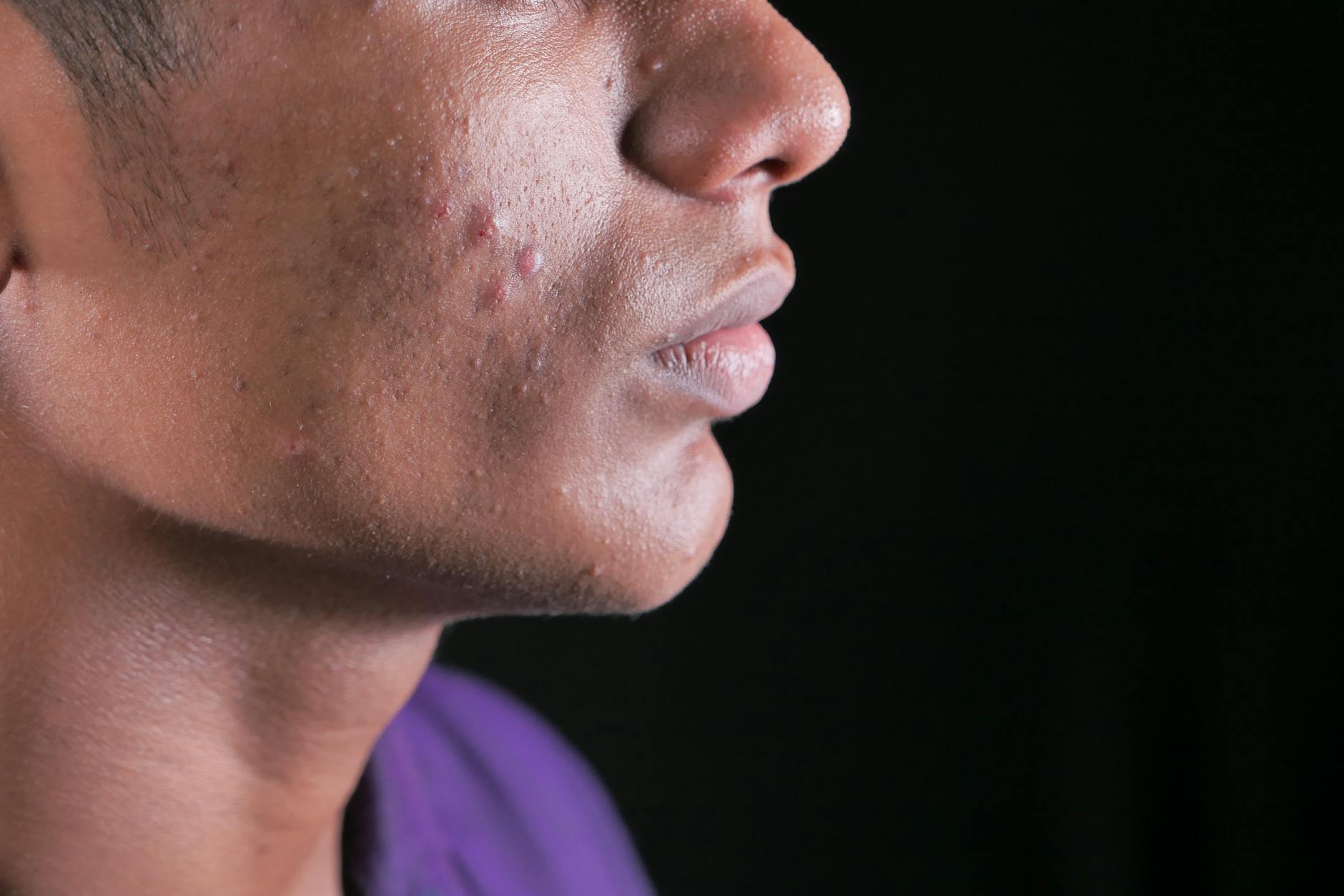
Cystic acne, medically known as nodulocystic acne, represents the most severe form of acne vulgaris. Unlike surface-level blackheads or whiteheads, cystic acne develops deep within the skin as painful, inflamed cysts and nodules that feel hard to the touch. These lesions form when bacteria, oil, and dead skin cells become trapped in hair follicles, creating infections that extend far beneath the skin's surface.
This condition typically affects the face, neck, chest, back, and shoulders—areas with the highest concentration of oil glands. The cysts appear as large, red, tender bumps that can persist for weeks or months. Unlike regular pimples, these lesions cannot be squeezed or extracted safely at home.
"Cystic acne affects only 1-2% of adolescents, but its impact on self-esteem and skin health can last a lifetime without proper treatment."
The condition peaks during teenage years when hormone fluctuations trigger excessive oil production. Without proper treatment, cystic acne carries a significant risk of permanent scarring, including deep pits and raised tissue. Early intervention proves crucial for preventing long-term skin damage and emotional distress.
Key Ingredients That Work for Cystic Acne

Cystic acne requires powerful, targeted ingredients to penetrate deep into the skin and address severe inflammation. While over-the-counter products may work for mild breakouts, cystic acne typically demands prescription-strength treatments that work at the source of the problem.
“Isotretinoin remains the only treatment that can permanently alter the course of severe cystic acne.”
Isotretinoin stands as the gold standard treatment for severe cystic acne. This oral medication dramatically reduces oil production, shrinks sebaceous glands, and prevents new cysts from forming. While it requires careful monitoring due to potential side effects, isotretinoin offers the best chance for long-term remission and helps prevent the permanent scarring that many patients fear most.
Topical retinoids like tretinoin and adapalene work by increasing cell turnover and preventing pores from becoming clogged. These prescription creams can significantly improve cystic acne when used consistently, though results typically take 12-16 weeks to become apparent.
Oral antibiotics like doxycycline and minocycline reduce bacteria and inflammation, making them valuable for moderate to severe cases. Hormonal therapies, including spironolactone and birth control pills, target hormonal fluctuations that trigger cystic breakouts in many women. Chemical peels performed by dermatologists can help accelerate healing and reduce scarring when combined with other treatments.
Types of Cystic Acne Products
Understanding the different treatment options for cystic acne helps you work effectively with your dermatologist to find the right approach. Treatment categories range from gentle over-the-counter options to powerful prescription medications, each serving specific roles in your healing journey.
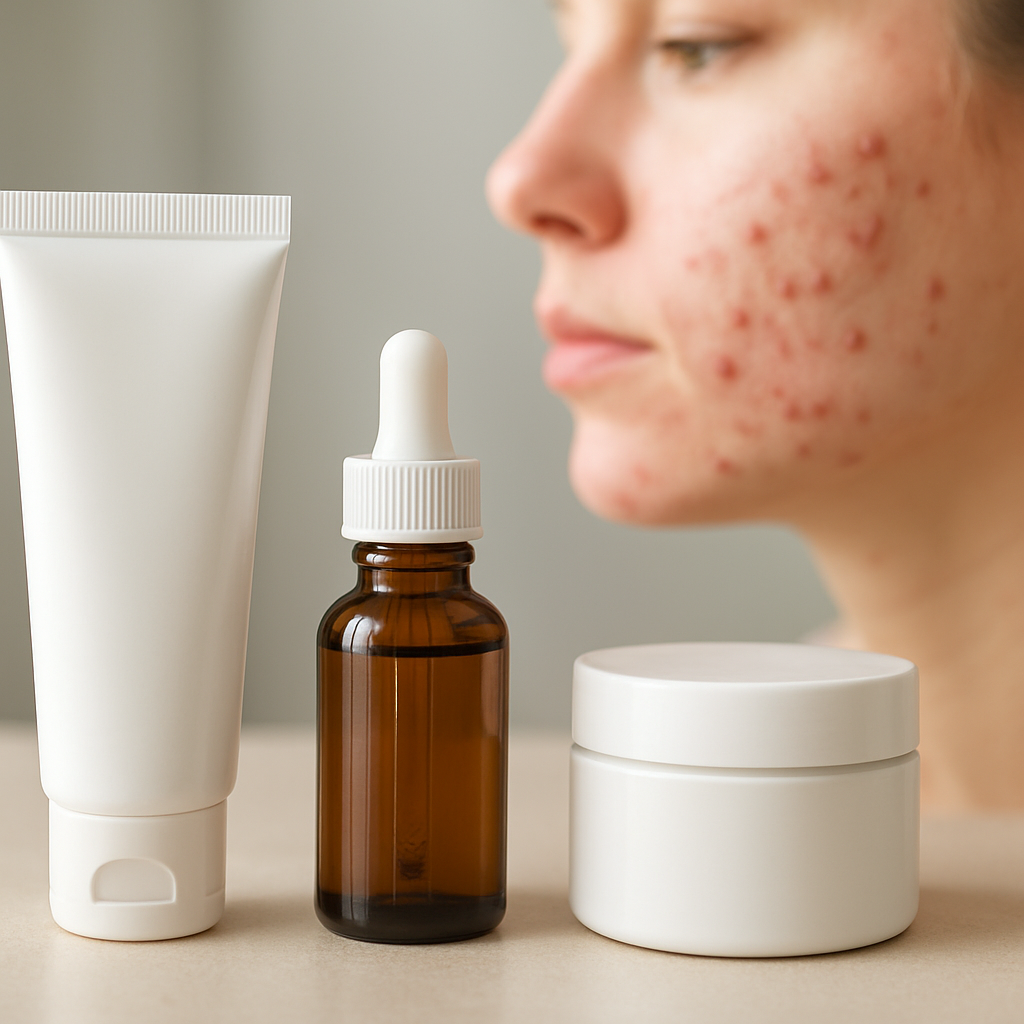
Over-the-counter products containing salicylic acid or benzoyl peroxide provide initial treatment for mild cases but rarely penetrate deep enough to address severe cystic lesions. Prescription topical treatments like tretinoin, adapalene, or clindamycin offer stronger concentrations and targeted mechanisms that can reach deeper skin layers where cysts form.
Oral medications like antibiotics, hormonal treatments, or isotretinoin work systemically to reduce inflammation and oil production. Professional interventions include corticosteroid injections that quickly reduce individual cyst inflammation and prevent the scarring you're concerned about.
Combination therapy often proves most effective for cystic acne. Your dermatologist might recommend pairing a topical retinoid with an oral antibiotic, then adding professional treatments for stubborn lesions. This multi-pronged approach targets different aspects of cystic acne formation simultaneously, leading to faster clearance and reduced scarring risk.
Who Should Use Cystic Acne Products
Cystic acne products target the most severe form of acne, requiring careful consideration of who truly needs these intensive treatments. Unlike surface breakouts that respond to gentler products, cystic acne forms deep, painful nodules beneath the skin that can cause permanent scarring if left untreated.
You should consider cystic acne products if your breakouts are larger than a pencil eraser, feel deep and tender, persist for weeks, or leave dark marks after healing. Males between 16-20 years old experience cystic acne most frequently, though hormonal fluctuations affect women during menstruation, pregnancy, and menopause.
See a dermatologist immediately if over-the-counter products fail after six weeks, if cysts appear on your chest or back, or if acne significantly impacts your daily confidence. Family history of severe acne increases your risk substantially. Professional treatment prevents the scarring and emotional distress that untreated cystic acne causes, offering targeted solutions that address both immediate breakouts and long-term skin health.
How Cystic Acne Products Compare to Other Acne Treatments

Cystic acne products represent the heavy artillery in acne treatment, requiring significantly stronger formulations than standard over-the-counter options. While regular acne treatments might contain 2% salicylic acid, cystic acne often demands prescription retinoids, antibiotics, or even isotretinoin to penetrate deep enough to reach inflamed cysts.
Treatment timelines extend well beyond typical acne therapies. Most cystic acne products require 3-6 months to show meaningful results, compared to 6-8 weeks for surface treatments. This extended timeline reflects the deep-seated nature of cystic inflammation and the time needed to prevent new cyst formation.
The trade-off comes with increased side effects—dryness, peeling, and initial flare-ups are common. However, these powerful treatments offer superior scarring prevention, which standard acne products cannot match when dealing with severe inflammatory lesions that threaten permanent skin damage.
Making the Right Choice for Your Skin
Choosing the right cystic acne treatment requires a strategic approach that balances effectiveness with your skin's specific needs. A dermatologist consultation should be your first step, as they can evaluate your acne severity, identify potential underlying causes, and recommend prescription treatments if over-the-counter options aren't sufficient.
Setting realistic expectations prevents frustration during your treatment journey. Most cystic acne products require 6-12 weeks to show meaningful improvement, with some taking up to 16 weeks for full results. Your skin may initially worsen before improving, especially with retinoid-based treatments—this temporary purging phase is normal and indicates the product is working.
Monitor your skin closely for side effects like excessive dryness, irritation, or allergic reactions. Start new products gradually, introducing them every other day before building to daily use. If you experience severe reactions or no improvement after three months, contact your dermatologist to adjust your treatment plan.
Remember that preventing scarring is often easier than treating it later. While the emotional impact of cystic acne can feel overwhelming, consistent treatment adherence and patience typically lead to significant improvement. Your dermatologist can also discuss procedures like cortisone injections for individual cysts that need immediate attention.
Professional guidance combined with realistic timeline expectations and consistent product use offers the best path to managing cystic acne effectively.
Frequently Asked Questions
What is cystic acne and how is it different from regular acne?
Cystic acne, medically known as nodulocystic acne, is the most severe form of acne that develops deep within the skin as painful, inflamed cysts and nodules. Unlike surface-level blackheads or whiteheads, these lesions form when bacteria, oil, and dead skin cells become trapped in hair follicles, creating infections that extend far beneath the skin's surface. The cysts appear as large, red, tender bumps that feel hard to the touch and cannot be squeezed or extracted safely at home.
What percentage of people get cystic acne?
Cystic acne affects only 1-2% of adolescents, making it relatively rare compared to other forms of acne. The condition typically peaks during the teenage years, specifically between ages 15-20, when hormone fluctuations trigger excessive oil production.
What is the best treatment for severe cystic acne?
Isotretinoin stands as the gold standard treatment for severe cystic acne, with an 85% success rate. This oral medication dramatically reduces oil production, shrinks sebaceous glands, and prevents new cysts from forming. It remains the only treatment that can permanently alter the course of severe cystic acne, though it requires careful monitoring due to potential side effects.
Will cystic acne cause permanent scars?
Without proper treatment, cystic acne carries an 85% risk of permanent scarring, including deep pits and raised tissue. Early intervention proves crucial for preventing long-term skin damage and emotional distress. This is why seeking professional dermatological treatment is essential rather than attempting to treat severe cystic acne at home.
How long does it take for cystic acne treatments to work?
Treatment timelines vary depending on the therapy used. Topical retinoids like tretinoin and adapalene typically take 12-16 weeks to show apparent results when used consistently. Isotretinoin treatment usually lasts about 6 months for a typical course, providing the best chance for long-term remission of severe cystic acne.
Disclaimer: This content is for informational purposes only and does not constitute medical advice. Always consult a qualified healthcare provider before making health decisions.