Understanding Hormonal Acne vs. Regular Acne

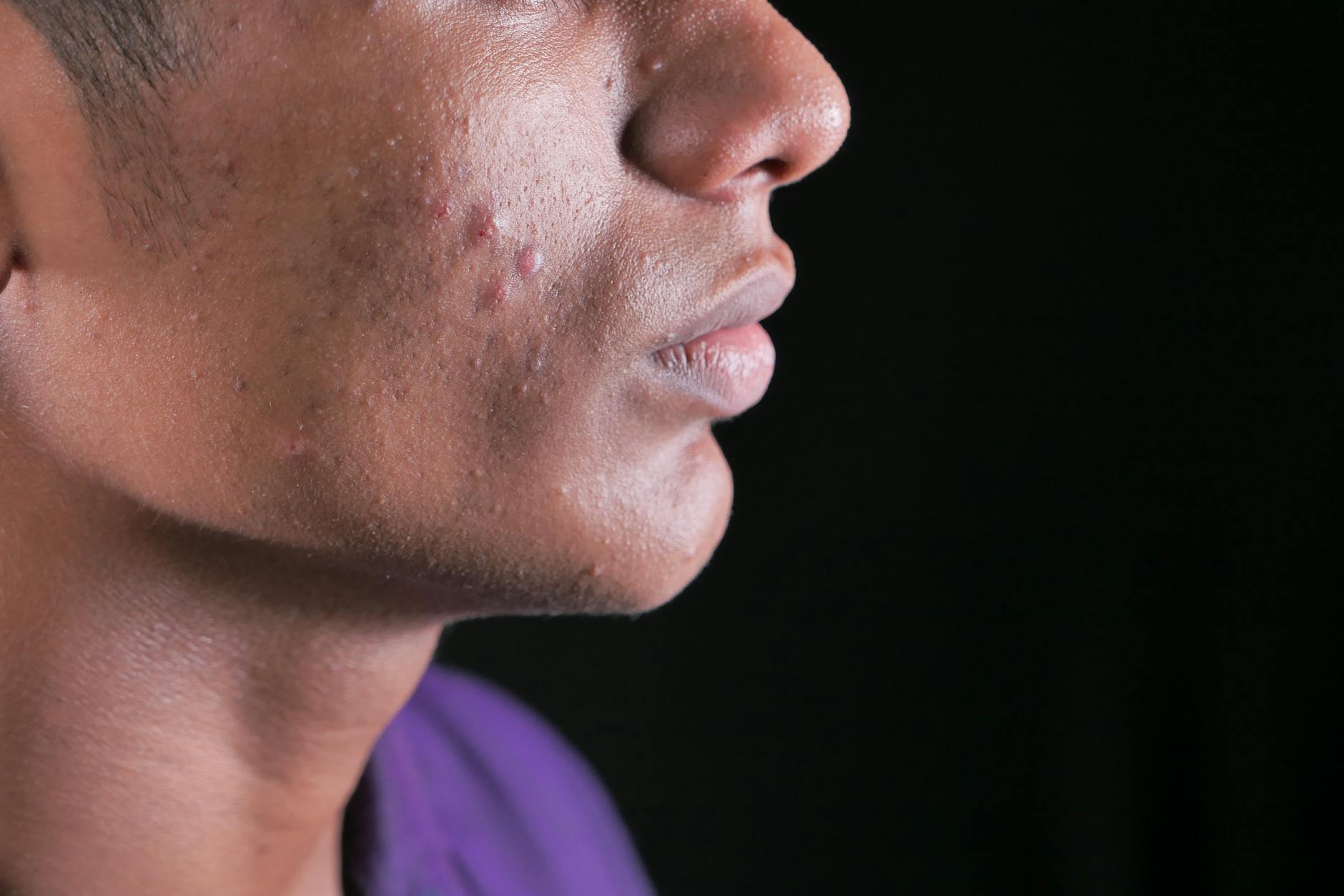
Hormonal acne stands apart from typical teenage breakouts through its distinct patterns and stubborn persistence. Unlike regular acne that appears randomly across your face, hormonal acne targets specific areas with painful, deep cystic lesions concentrated along your jawline, chin, and lower cheeks.
“Hormonal acne follows your menstrual cycle like clockwork, flaring up predictably before your period arrives.”
The telltale sign is timing. Your skin worsens 7-10 days before menstruation, then calms down afterward. This cyclical pattern reflects hormonal fluctuations that increase sebum production, creating the perfect storm for deep, inflamed breakouts.
Consider Sarah, a 35-year-old who noticed her acne wasn't responding to over-the-counter treatments. Her breakouts appeared exclusively on her jawline each month, forming tender nodules that took weeks to heal. This pattern screamed hormonal acne.
Understanding this difference matters because hormonal acne requires targeted treatment approaches. Regular acne responds well to topical treatments, but hormonal acne often needs internal intervention to address the root cause and prevent the scarring you're worried about.
Key Ingredients That Target Hormonal Acne

While many acne treatments focus on surface-level issues, hormonal acne requires ingredients that address deeper, systemic causes. The right active ingredients can prevent the scarring you're worried about by tackling breakouts at their source.
“Hormonal acne responds differently to treatment than teenage acne because it's driven by internal fluctuations rather than excess oil production.”
Topical retinoids stand as the gold standard for hormonal acne treatment. These vitamin A derivatives accelerate cell turnover, preventing dead skin cells from clogging pores where hormonal fluctuations typically trigger breakouts. Tretinoin and adapalene work particularly well for adult women experiencing cyclical acne patterns.
Benzoyl peroxide targets the bacterial component of hormonal acne by killing Propionibacterium acnes bacteria that thrive in clogged pores. Unlike antibiotics, bacteria cannot develop resistance to benzoyl peroxide, making it effective for long-term use.
Salicylic acid penetrates oil-filled pores to dissolve buildup and reduce inflammation. This beta-hydroxy acid proves especially valuable for hormonal acne because it can reach deeper into pores where hormone-triggered sebum production creates stubborn clogs.
These ingredients work differently for hormonal acne than teen acne because they must counteract internal hormone surges rather than simply controlling excess surface oil. For example, a 30-year-old woman might need stronger retinoid concentrations than a teenager because hormonal acne tends to be more persistent and occurs in deeper skin layers.
Product Categories for Hormonal Acne Treatment
Understanding which products to use when makes all the difference in treating hormonal acne effectively. Each product category serves a specific purpose in your skincare routine, and using them correctly helps prevent the scarring and embarrassment that worry many people dealing with persistent breakouts.
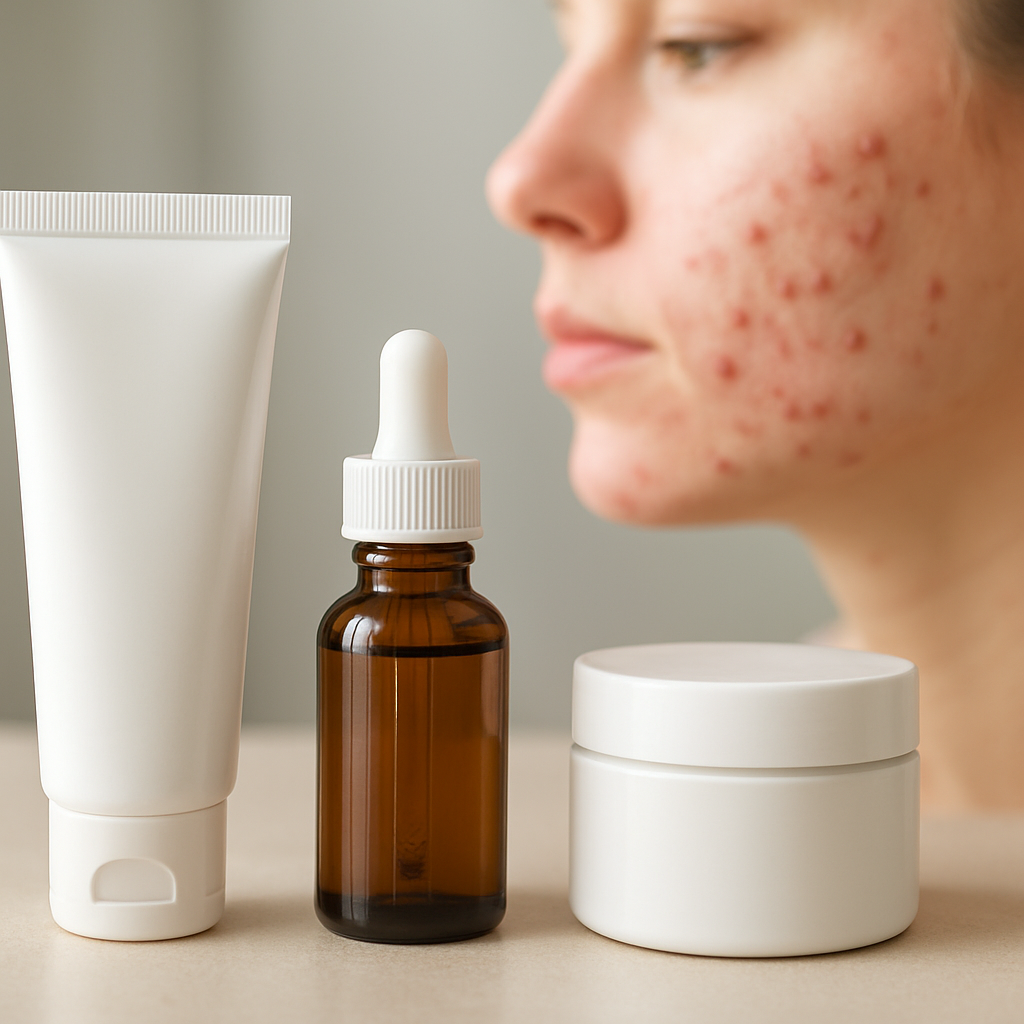
Cleansers with gentle exfoliation form the foundation of hormonal acne treatment. Look for products containing salicylic acid or glycolic acid that remove dead skin cells without over-drying your skin. CeraVe Foaming Facial Cleanser with salicylic acid works well for daily use, effectively unclogging pores while maintaining your skin's protective barrier.
Targeted serums deliver concentrated active ingredients like retinoids or niacinamide to affected areas. Apply these after cleansing but before moisturizer. The Ordinary Niacinamide 10% + Zinc serum reduces oil production and inflammation in problem zones.
Spot treatments tackle active breakouts with ingredients like benzoyl peroxide or tea tree oil. Use these only on individual pimples to avoid irritating healthy skin. Neutrogena On-The-Spot Acne Treatment contains 2.5% benzoyl peroxide for effective overnight results.
Non-comedogenic moisturizers prevent dryness without clogging pores. Even oily skin needs hydration, especially when using acne treatments. Neutrogena Oil-Free Moisture Gel provides lightweight hydration that won't worsen hormonal breakouts.
Building Your Hormonal Acne Routine

Creating an effective hormonal acne routine requires strategic timing and patience. Your skin needs time to adjust to new products without causing irritation that could lead to scarring.
Use gentle cleanser and moisturizer with SPF during your first week.
Introduce one active ingredient like salicylic acid or retinol after week one.
Wait two weeks before adding new products to avoid overwhelming your skin.
Note when breakouts occur to time stronger treatments before your period.
Morning routines should focus on protection and hydration. Use a gentle cleanser, lightweight moisturizer, and broad-spectrum SPF 30 or higher. Evening routines handle the heavy lifting with treatment products like benzoyl peroxide or adapalene.
Track your menstrual cycle to optimize treatment timing. Many people with hormonal acne see flare-ups seven to ten days before their period starts. You can intensify treatments during this window and scale back during less active phases.
Avoid common mistakes that slow progress. Never use multiple strong actives simultaneously—this causes irritation and potential scarring. Don't skip moisturizer thinking it will reduce oiliness. Most importantly, resist the urge to add new products weekly. Your skin needs consistent routine for at least six to eight weeks to show real improvement.
For example, if you notice breakouts around day 21 of your cycle, start using a stronger spot treatment around day 18. This proactive approach prevents rather than just treats existing blemishes.
When to Consider Professional Treatment
While topical products work well for many people, some cases of hormonal acne require prescription medications to achieve clear skin. Understanding when to seek professional help can save you months of frustration and prevent scarring.
Consider professional treatment if you experience deep, painful cysts along your jawline and chin, breakouts that worsen before your period, or acne that hasn't improved after three months of consistent over-the-counter care. These signs often indicate your hormones need direct intervention.
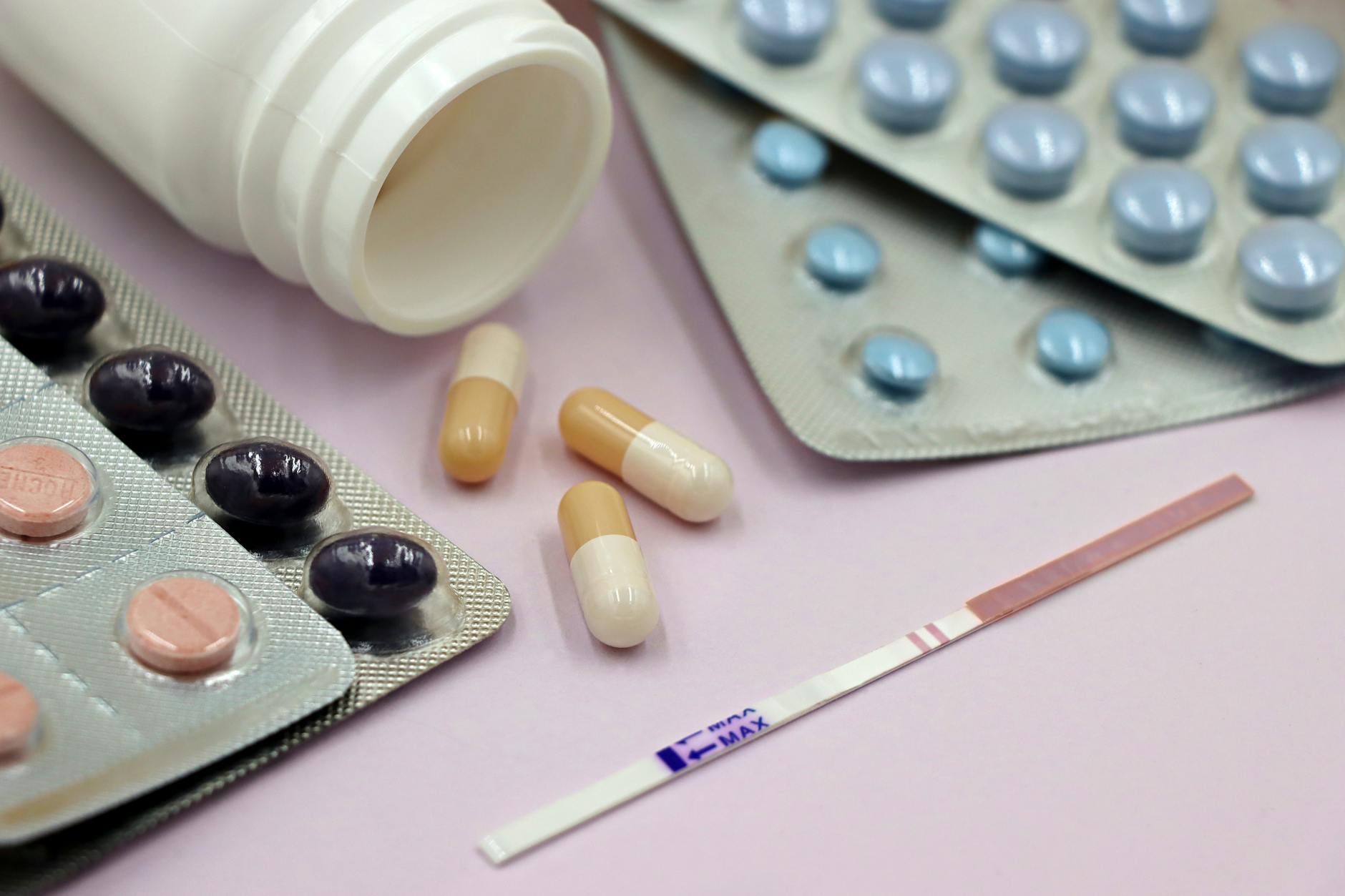
Dermatologists may prescribe oral contraceptives or spironolactone to block androgens that trigger excess oil production. Spironolactone works particularly well for adult women with persistent chin and jawline breakouts. If you have PCOS or insulin resistance, these conditions often require targeted hormonal therapy alongside topical treatments.
Your dermatologist will typically combine systemic medications with prescription topical treatments like tretinoin or adapalene. This dual approach addresses both the hormonal triggers and the surface-level symptoms of acne.
Seek professional treatment if deep cystic acne persists after three months of consistent over-the-counter care, especially around your chin and jawline.
Frequently Asked Questions
What's the difference between hormonal acne and regular acne?
Hormonal acne appears in specific patterns along the jawline, chin, and lower cheeks, while regular acne appears randomly across the face. It follows a cyclical pattern that worsens 7-10 days before menstruation and then calms down afterward. Hormonal acne typically forms deeper, more painful cystic lesions that are more persistent than typical teenage breakouts.
Where does hormonal acne typically appear on the face?
Hormonal acne concentrates along the jawline, chin, and lower cheeks, with 80% occurring on the lower face. Unlike regular acne that appears randomly, hormonal acne targets these specific areas with deep, inflamed breakouts. This location pattern is one of the key identifying features of hormonal acne.
What ingredients work best for treating hormonal acne?
Topical retinoids like tretinoin and adapalene are the gold standard for hormonal acne treatment as they accelerate cell turnover and prevent pore clogging. Benzoyl peroxide kills acne bacteria without developing resistance, while salicylic acid penetrates deep into oil-filled pores to dissolve buildup. These ingredients work differently for hormonal acne because they must counteract internal hormone surges rather than just controlling surface oil.
How common is hormonal acne in adult women?
Hormonal acne affects 25% of women aged 40-49 and 12% of women over 50, showing it's not just a teenage problem. This demonstrates that hormonal acne is a significant issue for adult women well beyond their teenage years. The condition can persist or even develop for the first time during adulthood due to hormonal fluctuations.
Why doesn't hormonal acne respond to regular acne treatments?
Hormonal acne is driven by internal hormonal fluctuations rather than excess oil production, so it requires different treatment approaches than regular teenage acne. While regular acne responds well to topical treatments, hormonal acne often needs internal intervention to address the root cause. The deeper, more persistent nature of hormonal breakouts means they typically require stronger concentrations of active ingredients to be effective.
Disclaimer: This content is for informational purposes only and does not constitute medical advice. Always consult a qualified healthcare provider before making health decisions.