What Is Niacinamide and How Does It Help Acne?

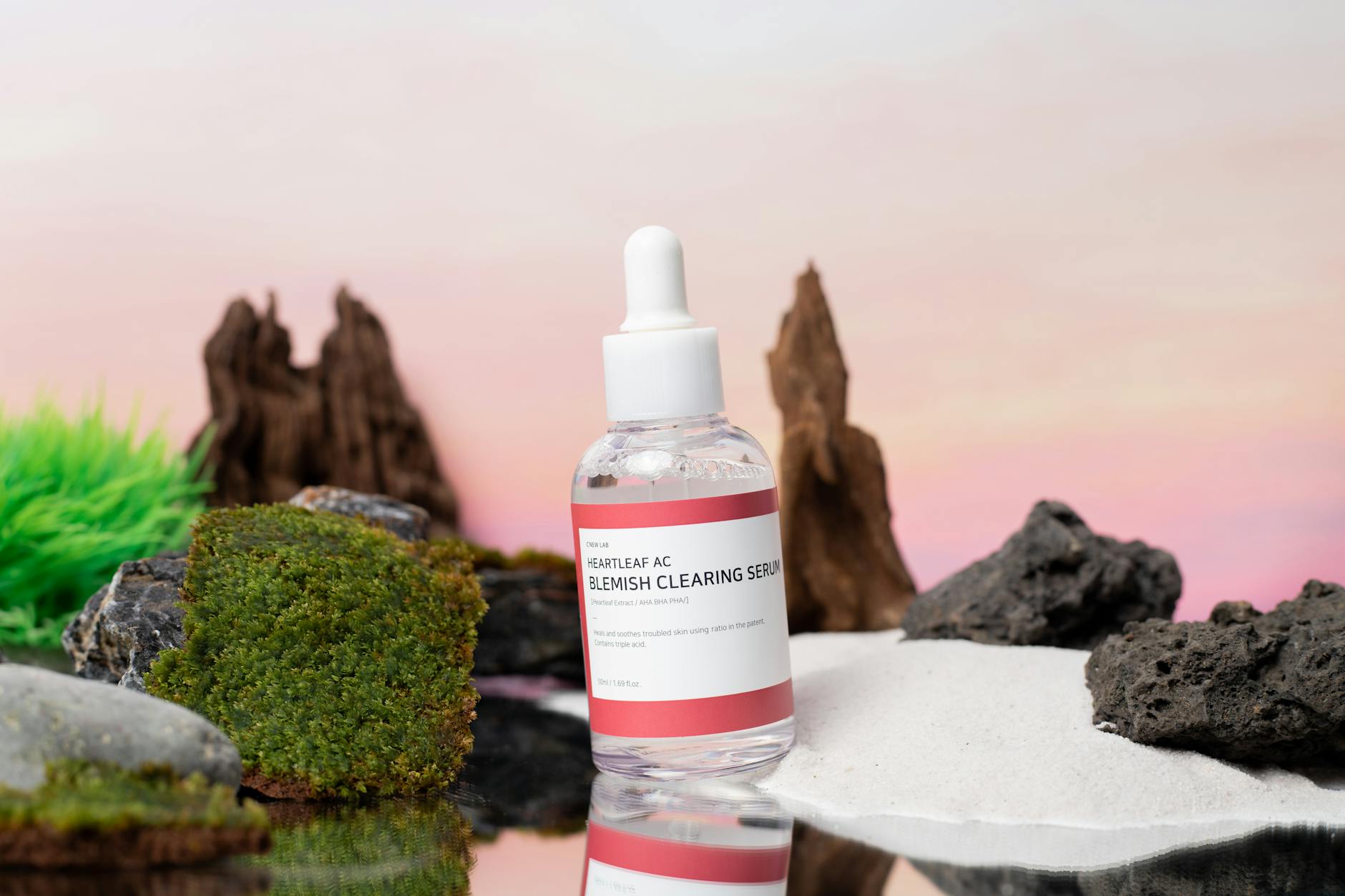
Niacinamide is a form of vitamin B3, also known as nicotinic acid amide, that has become a powerhouse ingredient in acne treatment. Unlike harsh chemicals that can irritate your skin, niacinamide works gently to address multiple causes of breakouts without the burning or peeling that often leads to scarring concerns.
“Niacinamide tackles acne at its source by controlling oil production and calming inflammation simultaneously.”
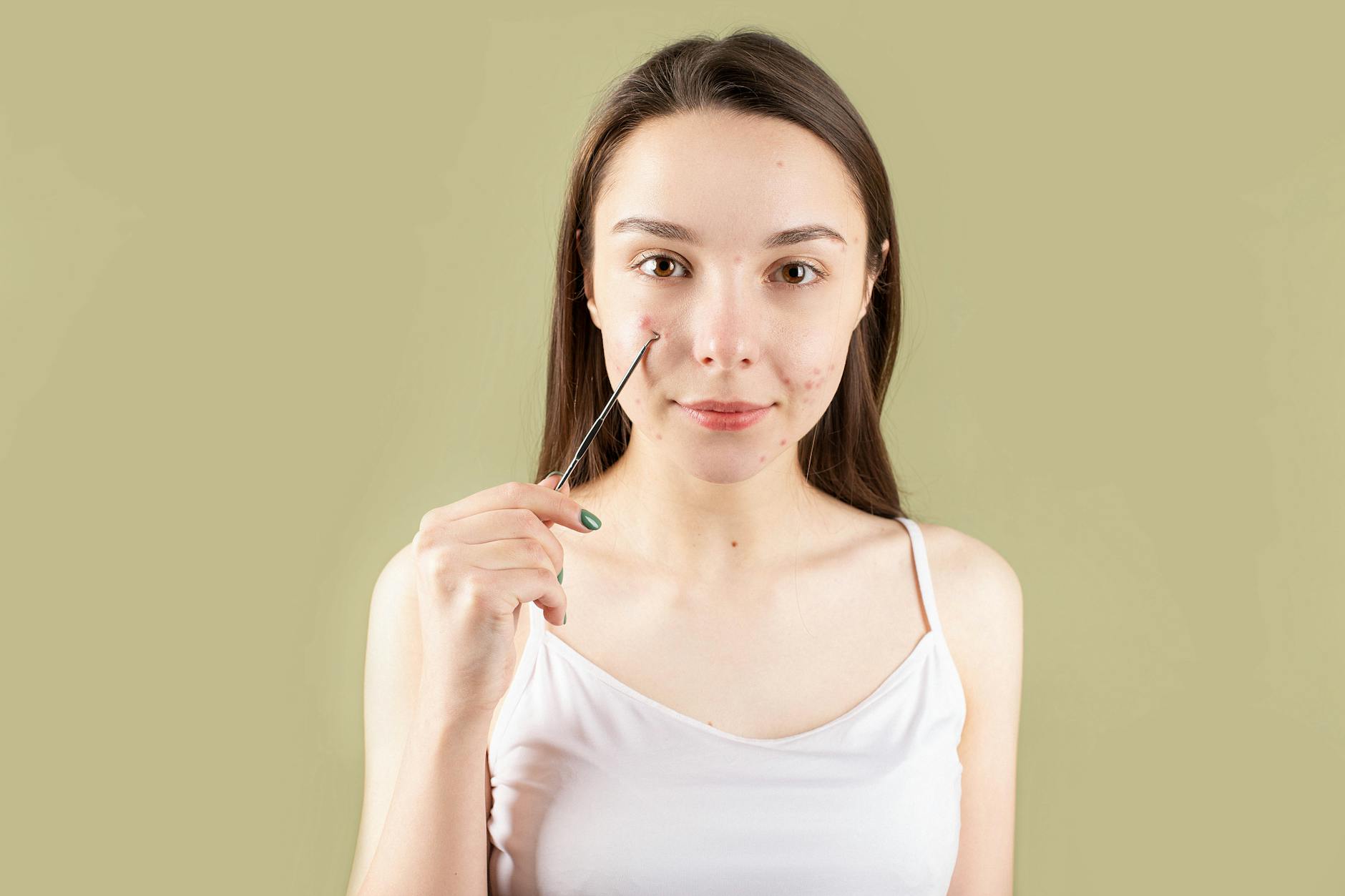
This vitamin regulates sebum production by reducing the activity of your oil glands. When your skin produces less excess oil, pores become less clogged, preventing new breakouts from forming. The ingredient also delivers powerful anti-inflammatory benefits that calm existing pimples and reduce redness.
Beyond fighting active acne, niacinamide helps minimize pore appearance by improving skin texture and elasticity. This dual action makes it particularly effective for preventing the post-inflammatory marks that can develop into lasting discoloration, addressing your concerns about permanent skin damage while working toward consistently clear skin.
How to Use Niacinamide for Acne

Starting with niacinamide requires a thoughtful approach to avoid irritation and maximize effectiveness. Begin with a low concentration (2-5%) to let your skin adjust before moving to higher strengths.
Apply niacinamide in the morning for oil control or evening for overnight repair.
Use after cleansing but before moisturizer and sunscreen.
Begin with every other day for one week, then increase to daily use.
Niacinamide plays well with most ingredients, making it safe to combine with retinoids, vitamin C, and salicylic acid. However, introduce one new product at a time to identify any sensitivities.
"Consistency beats intensity when building an effective acne routine."
For example, apply a niacinamide serum after your morning cleanser, followed by moisturizer and SPF 30 sunscreen. This routine helps control excess oil while preventing the scarring that causes lasting skin concerns.
What to Expect: Timeline and Results
Niacinamide works gradually, not overnight. Most people notice initial improvements within 2-4 weeks of consistent use. Your skin may look calmer and less red during this early phase, which helps reduce the social anxiety that comes with visible breakouts.
Full benefits typically appear after 8-12 weeks. You'll see fewer new breakouts, smaller pore appearance, and better skin texture. For severe acne, niacinamide serves as a supportive treatment rather than a complete solution.
Signs it's working include less morning oiliness, faster healing of existing blemishes, and reduced inflammation around active breakouts. Your skin should feel smoother and appear more even-toned as weeks progress.
Common Mistakes and How to Avoid Them

Starting with high concentrations is the biggest mistake beginners make. Many people assume that 10% niacinamide works faster than 2%, but this often leads to irritation and can actually worsen acne breakouts. Start with 2-5% concentrations and increase gradually.
Mixing niacinamide with vitamin C serums creates an unstable combination that reduces effectiveness. Use vitamin C in the morning and niacinamide at night, or separate them by several hours. Similarly, avoid combining with retinoids initially until your skin adjusts.
Expecting results within days sets you up for disappointment and might lead to overuse. Niacinamide typically shows initial improvements after 4-6 weeks of consistent use. Rushing the process by using multiple acne treatments simultaneously can cause irritation and potential scarring.
Always patch test new products on your inner forearm for 24 hours. This simple step prevents widespread reactions that could worsen existing acne or create new breakouts across your entire face.
When to Consider Other Natural Acne Treatments
While niacinamide works well for many people, it has limitations. This ingredient excels at reducing inflammation and oil production, but it won't address hormonal acne or severe cystic breakouts that require stronger intervention.
You can safely combine niacinamide with other natural treatments like salicylic acid from willow bark, tea tree oil, or zinc supplements. Start with one additional ingredient at a time to monitor your skin's response and avoid overwhelming your complexion.
Seek professional help if you notice deep, painful cysts, widespread breakouts covering your face and body, or signs of permanent scarring developing. A dermatologist can prescribe targeted treatments that prevent lasting damage to your skin.
Alternative natural options include green tea extracts, azelaic acid, and retinol from rosehip oil. These ingredients target different aspects of acne formation and may work better for your specific skin type than niacinamide alone.
Combine niacinamide with complementary natural treatments, but seek professional help for severe acne to prevent permanent scarring.
Frequently Asked Questions
What is niacinamide and how does it work for acne?
Niacinamide is a form of vitamin B3 that works gently to treat acne by controlling oil production and reducing inflammation. It regulates sebum production by reducing the activity of your oil glands, which helps prevent clogged pores and new breakouts. Unlike harsh chemicals, niacinamide also delivers anti-inflammatory benefits that calm existing pimples and reduce redness without causing irritation.
How should I start using niacinamide for acne?
Start with a low concentration (2-5%) and begin using it every other day for one week before increasing to daily use. Apply niacinamide after cleansing but before moisturizer and sunscreen, either in the morning for oil control or evening for overnight repair. You can safely combine it with most other skincare ingredients like retinoids, vitamin C, and salicylic acid, but introduce one new product at a time.
How long does it take to see results from niacinamide?
Initial improvements from niacinamide typically appear within 2-4 weeks of consistent use, with your skin looking calmer and less red. Full benefits usually become visible after 8-12 weeks, including fewer new breakouts, smaller pore appearance, and better skin texture. Most people experience around 20% oil reduction with regular use.
Can niacinamide be used with other acne treatments?
Yes, niacinamide plays well with most skincare ingredients and can be safely combined with retinoids, vitamin C, and salicylic acid. However, it's important to introduce one new product at a time to identify any potential sensitivities. For severe acne, niacinamide works best as a supportive treatment alongside other acne-fighting ingredients rather than as a complete solution.
What are the signs that niacinamide is working for my acne?
Signs that niacinamide is working include less morning oiliness, faster healing of existing blemishes, and reduced inflammation around active breakouts. You'll also notice your skin feeling smoother and appearing more even-toned as weeks progress. The ingredient helps minimize pore appearance and improves skin texture while preventing post-inflammatory marks that can lead to lasting discoloration.
Disclaimer: This content is for informational purposes only and does not constitute medical advice. Always consult a qualified healthcare provider before making health decisions.