How We Selected These Sulfur Acne Treatments

We evaluated dozens of sulfur-based acne products using strict criteria to ensure safe, effective options that won't worsen existing breakouts or cause permanent scarring. Our selection process focused on natural ingredient formulations that combine sulfur with gentle, skin-supporting compounds rather than harsh chemicals.
“We prioritized products with proven sulfur concentrations between 3-10% for optimal acne-fighting benefits without excessive irritation.”
Each recommended treatment underwent thorough evaluation for minimal irritation potential, essential for preventing the redness and inflammation that can lead to scarring. We analyzed thousands of user reviews and consulted dermatologist recommendations to identify products that consistently deliver clear skin results while maintaining gentle, daily-use compatibility for sensitive acne-prone skin.
Sulfur Clay Masks for Deep Pore Cleansing

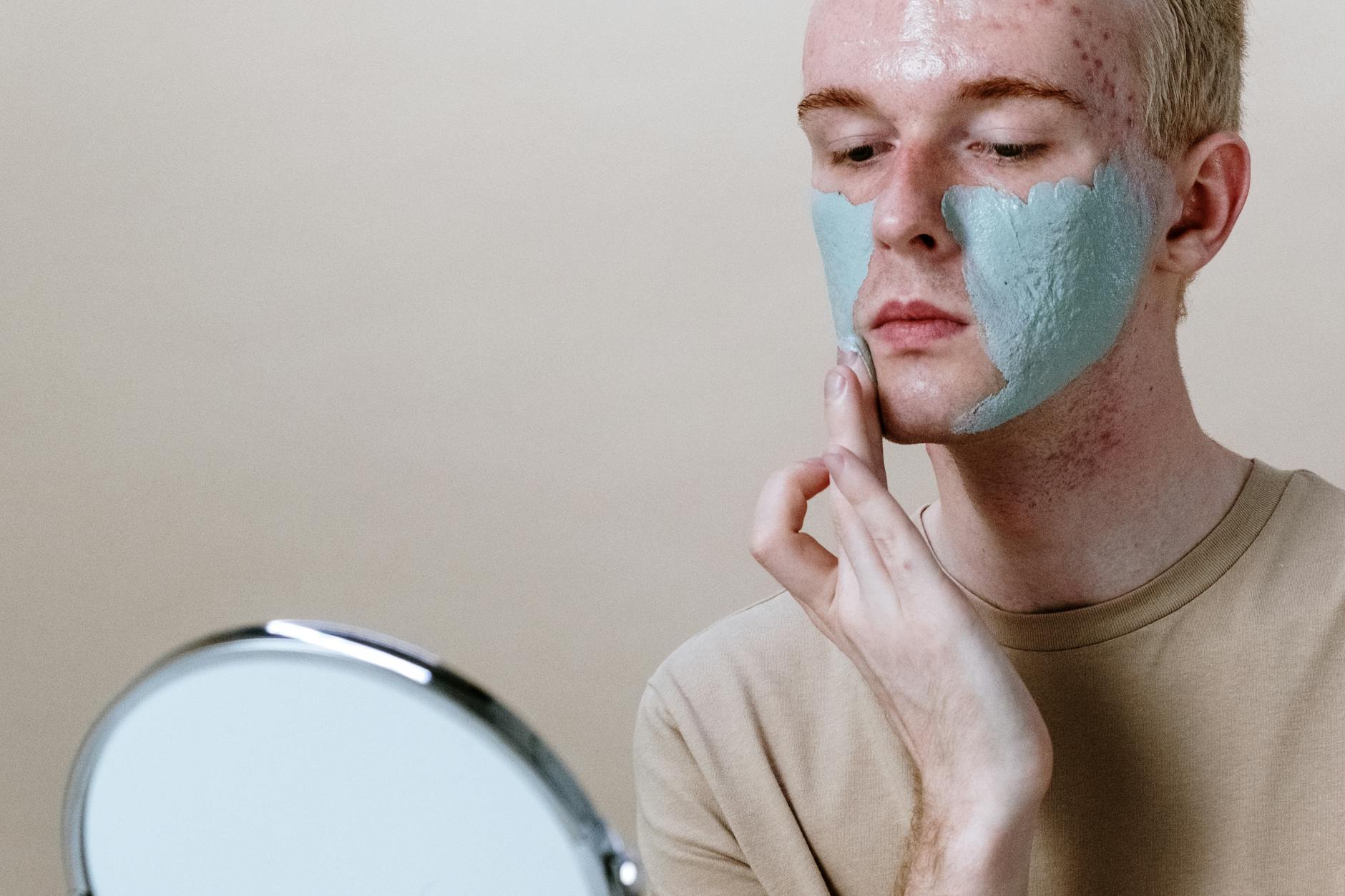
Sulfur clay masks combine sulfur's antibacterial properties with clay's oil-absorbing power to target stubborn blackheads and prevent the deep cystic acne that causes permanent scarring. The Peter Thomas Roth Therapeutic Sulfur Mask stands out for its 10% sulfur content, while Origins Clear Improvement offers a gentler 3% formula for sensitive skin.
“Clay masks with sulfur work like magnets, pulling oil and bacteria from deep within pores where regular cleansers can't reach.”
Use these masks twice weekly on oily skin or once weekly for sensitive types. Apply a thin layer, avoiding the eye area, and leave for 10-15 minutes until dry. Most users notice reduced blackheads within one week, with significant improvement in overall skin clarity after four weeks of consistent use. Always follow with a gentle moisturizer to prevent over-drying.
Natural Sulfur Soaps for Daily Cleansing
Sulfur soaps offer a gentle way to incorporate sulfur's acne-fighting benefits into your daily routine without the intensity of masks or spot treatments. The key lies in choosing formulations that balance sulfur's drying effects with moisturizing ingredients to prevent irritation that could worsen breakouts or lead to scarring concerns.
Noble Formula 2% Pyrithione Zinc leads sulfur soap options with its balanced pH of 6.5 and added zinc for enhanced antimicrobial action. Grisi Sulfur Soap provides 10% sulfur content but includes lanolin and glycerin to maintain skin moisture. For sensitive skin, Revitale Advanced Sulfur Soap combines 3% sulfur with chamomile extract and shea butter.
pH balance matters significantly when selecting sulfur soaps. Look for products with pH levels between 5.5-7.0 to maintain your skin's natural barrier. Higher pH levels can strip protective oils, potentially causing rebound oil production and new breakouts.
Sulfur Spot Treatments for Targeted Acne
Concentrated sulfur spot treatments deliver the fastest-acting relief for individual breakouts. These targeted formulations typically contain 3-10% sulfur, significantly higher than daily cleansers. The key is applying a thin layer directly onto clean, dry pimples before bedtime.
Wash your face and pat completely dry before application.
Use a cotton swab to dab product only on active blemishes.
Leave on overnight and rinse in the morning.
Many effective spot treatments combine sulfur with zinc oxide or salicylic acid for enhanced results. Start with every other night to prevent excessive drying, which can actually worsen breakouts and potentially lead to post-inflammatory marks.
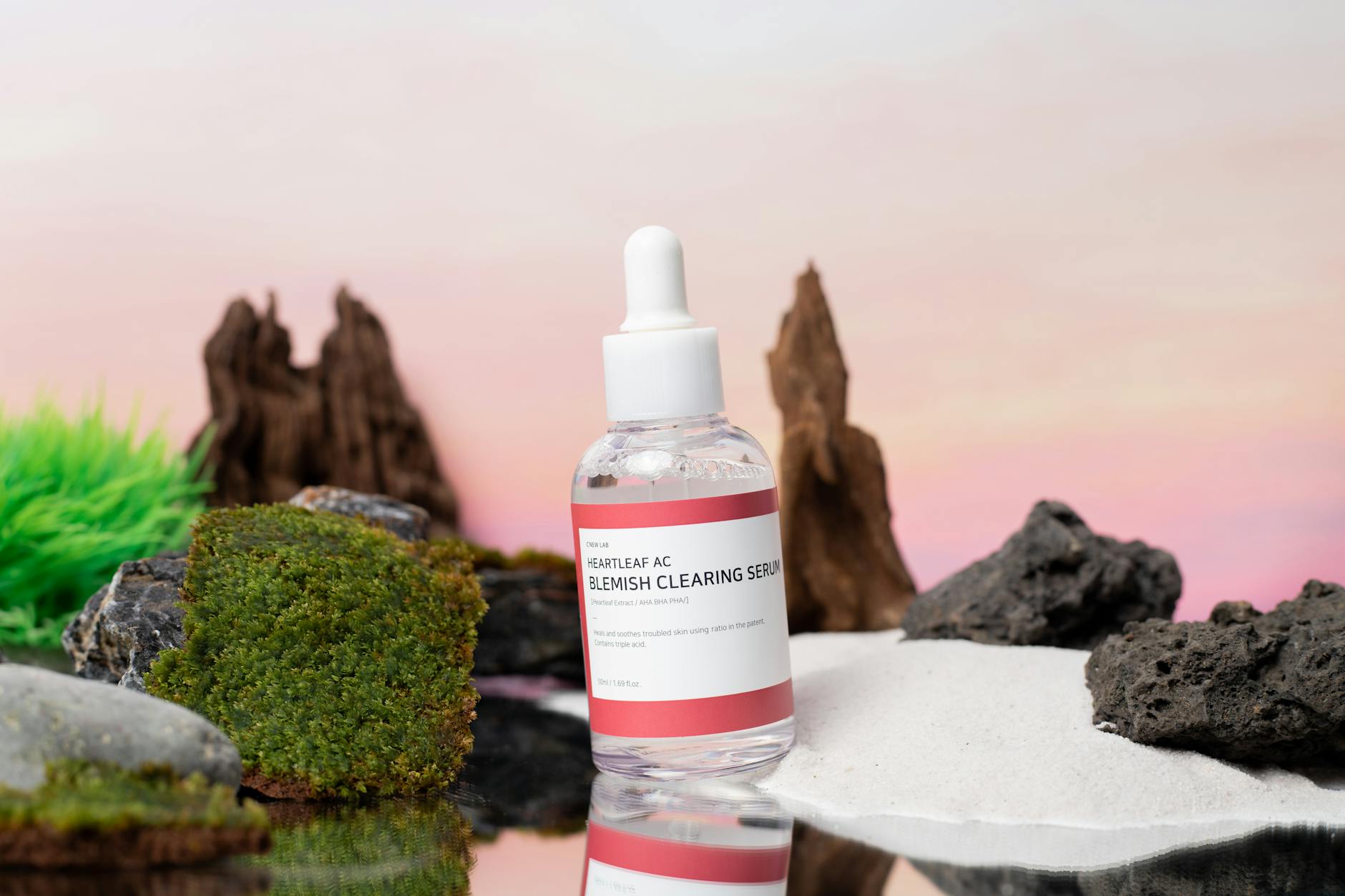
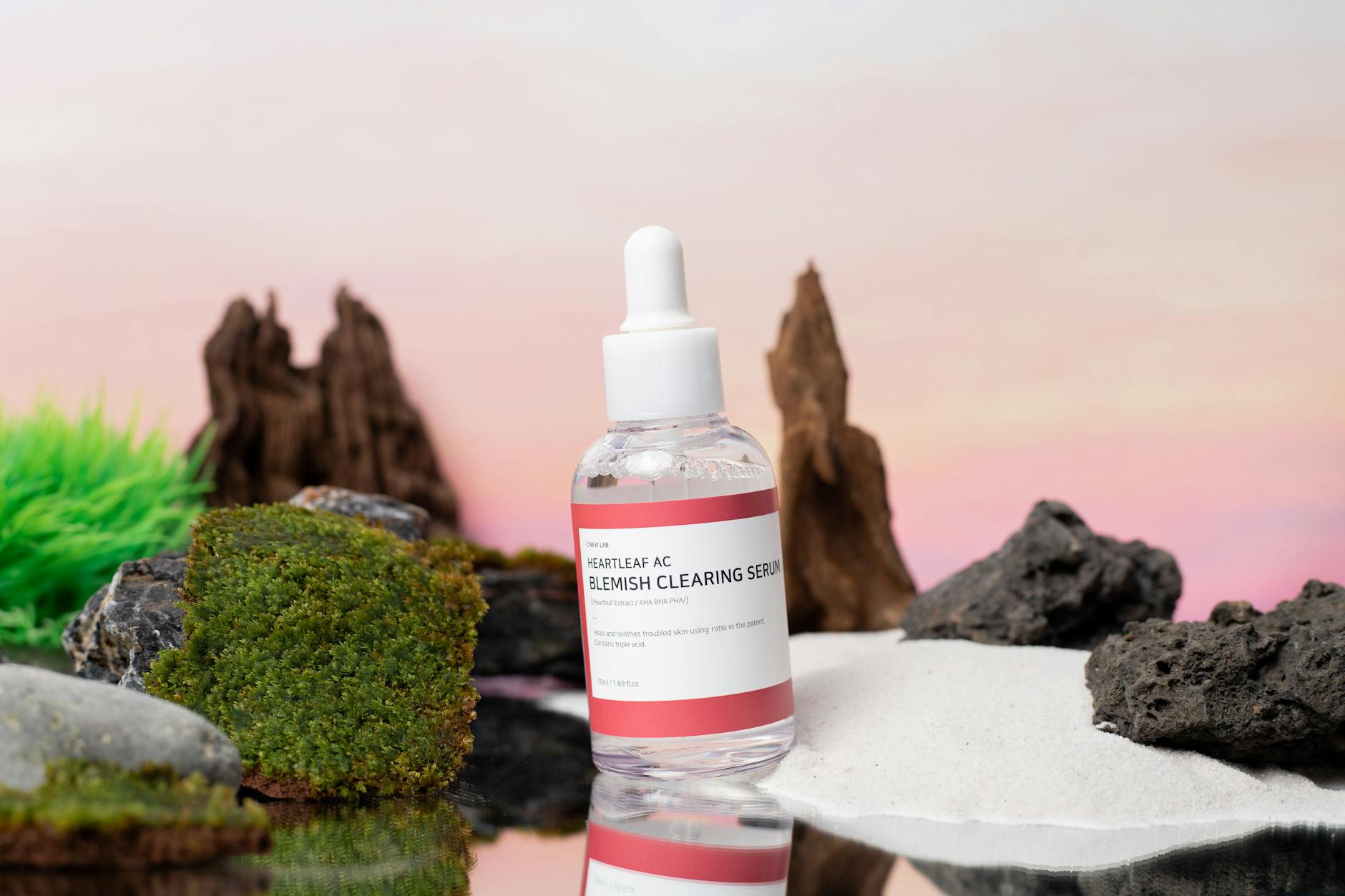
Plant-Based Sulfur Serums and Lotions

Lightweight sulfur formulations offer gentle all-over treatment without the heaviness of traditional spot treatments. These daily-use options typically contain 1-3% sulfur combined with soothing botanical ingredients like chamomile, green tea, or aloe vera that prevent over-drying.
The best formulas layer seamlessly under moisturizer and sunscreen, making them practical for morning routines. Look for serums that blend sulfur with niacinamide or hyaluronic acid for added skin benefits. Paula's Choice CALM Restoring Serum and Mario Badescu Drying Lotion represent quality options in this category.
These gentler concentrations help prevent the scarring concerns many face by treating emerging breakouts before they worsen. Start with every-other-day application to build tolerance, then gradually increase to daily use for consistent acne prevention across your entire complexion.
Quick Comparison: Which Sulfur Treatment Is Right for You
Choose sulfur treatments based on your specific skin needs and acne severity. For sensitive skin with mild acne, start with 2-3% sulfur serums applied every other night. Oily skin with moderate breakouts responds well to 5-8% sulfur masks used twice weekly. Combination skin benefits from spot treatments on problem areas while using gentler formulations elsewhere.
Severe acne requires professional guidance, but 10% sulfur ointments can supplement dermatologist care. Budget-conscious options include drugstore sulfur soaps and DIY clay masks with sulfur powder. Begin slowly to prevent irritation and avoid the scarring that concerns many acne sufferers.
Start with lower concentrations and patch test any sulfur treatment before applying to your entire face.
Frequently Asked Questions
What percentage of sulfur is best for acne treatment?
The optimal sulfur concentration for acne treatment is between 3-10%, which provides effective acne-fighting benefits without causing excessive irritation. Products with 3% sulfur are gentler and suitable for sensitive skin, while 10% formulations offer stronger treatment for stubborn blackheads and cystic acne. The specific percentage you choose should depend on your skin's sensitivity and the severity of your acne.
How often should I use sulfur clay masks for acne?
Use sulfur clay masks twice weekly if you have oily skin, or once weekly if you have sensitive skin. Apply a thin layer avoiding the eye area and leave on for 10-15 minutes until dry. Most users notice reduced blackheads within one week, with significant improvement in overall skin clarity after four weeks of consistent use.
How do you apply sulfur spot treatments for pimples?
To apply sulfur spot treatments, first clean your face and pat it completely dry. Use a cotton swab to dab the product precisely only on active blemishes, then leave it on overnight and rinse in the morning. This targeted approach delivers the fastest-acting relief for individual breakouts.
What pH level should I look for in sulfur soaps?
Look for sulfur soaps with pH levels between 5.5-7.0 to maintain your skin's natural barrier function. Higher pH levels can strip protective oils from your skin, potentially causing rebound oil production and new breakouts. A balanced pH helps prevent irritation while allowing the sulfur to work effectively against acne.
Can sulfur acne treatments cause skin scarring?
When used properly, sulfur treatments help prevent scarring by targeting the deep cystic acne and stubborn blackheads that commonly cause permanent scarring. However, it's essential to choose products with minimal irritation potential and follow proper application methods. Always use gentle formulations and follow with moisturizer to prevent over-drying that could lead to inflammation.
Disclaimer: This content is for informational purposes only and does not constitute medical advice. Always consult a qualified healthcare provider before making health decisions.