Understanding Zinc's Role in Acne Treatment

Zinc works as a powerful ally in fighting acne through three key mechanisms that directly target the root causes of breakouts. This essential mineral doesn't just mask symptoms—it addresses the underlying processes that create acne in the first place.
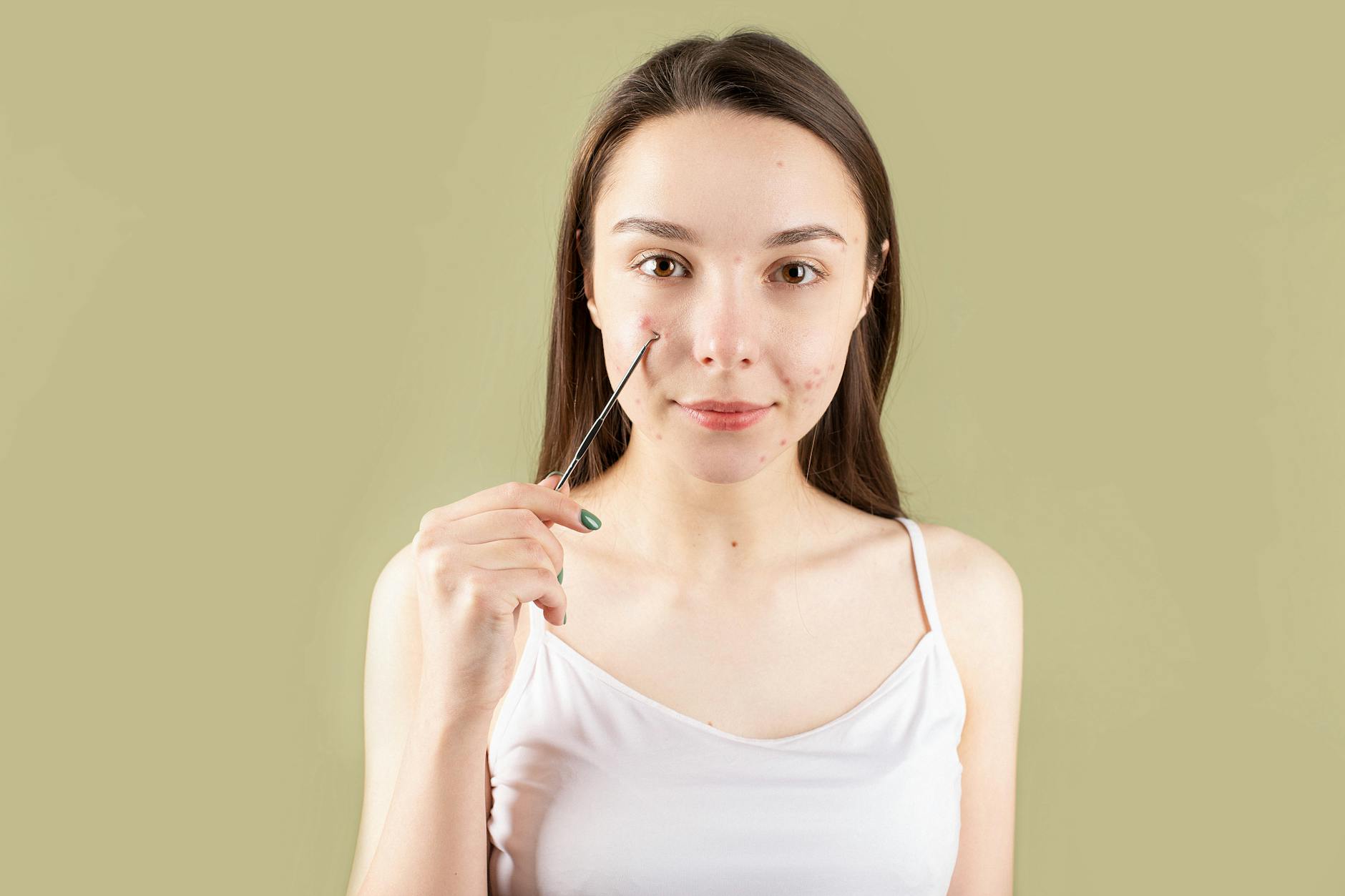
The anti-inflammatory properties of zinc help calm angry, red pimples that can lead to scarring. When your skin becomes inflamed from bacterial overgrowth or clogged pores, zinc acts like a fire extinguisher, reducing the swelling and redness that makes acne so visible and painful. Research shows zinc can decrease inflammatory markers in acne-prone skin within weeks of consistent use.
“Zinc acts like a fire extinguisher, reducing the swelling and redness that makes acne so visible and painful.”
Oil production regulation represents zinc's second major benefit. Your sebaceous glands produce sebum, the oily substance that can clog pores when overproduced. Zinc helps normalize this oil production by influencing hormone activity and enzyme function. Think of it as adjusting your skin's oil thermostat to a healthier setting.
Wound healing and skin repair form zinc's third crucial role. Every pimple creates a small wound in your skin. Zinc accelerates the healing process by supporting collagen synthesis and cellular regeneration. This faster healing means less time for bacteria to multiply and reduced risk of permanent scarring.
For example, someone with inflammatory cystic acne might notice their existing breakouts heal faster while new ones become less severe after incorporating zinc supplements. The mineral works both defensively and offensively—protecting healthy skin while repairing damaged areas.
Understanding these mechanisms helps explain why zinc supplements and topical treatments have gained recognition as effective acne therapies backed by scientific evidence.
Zinc Supplements for Acne: Types and Dosages

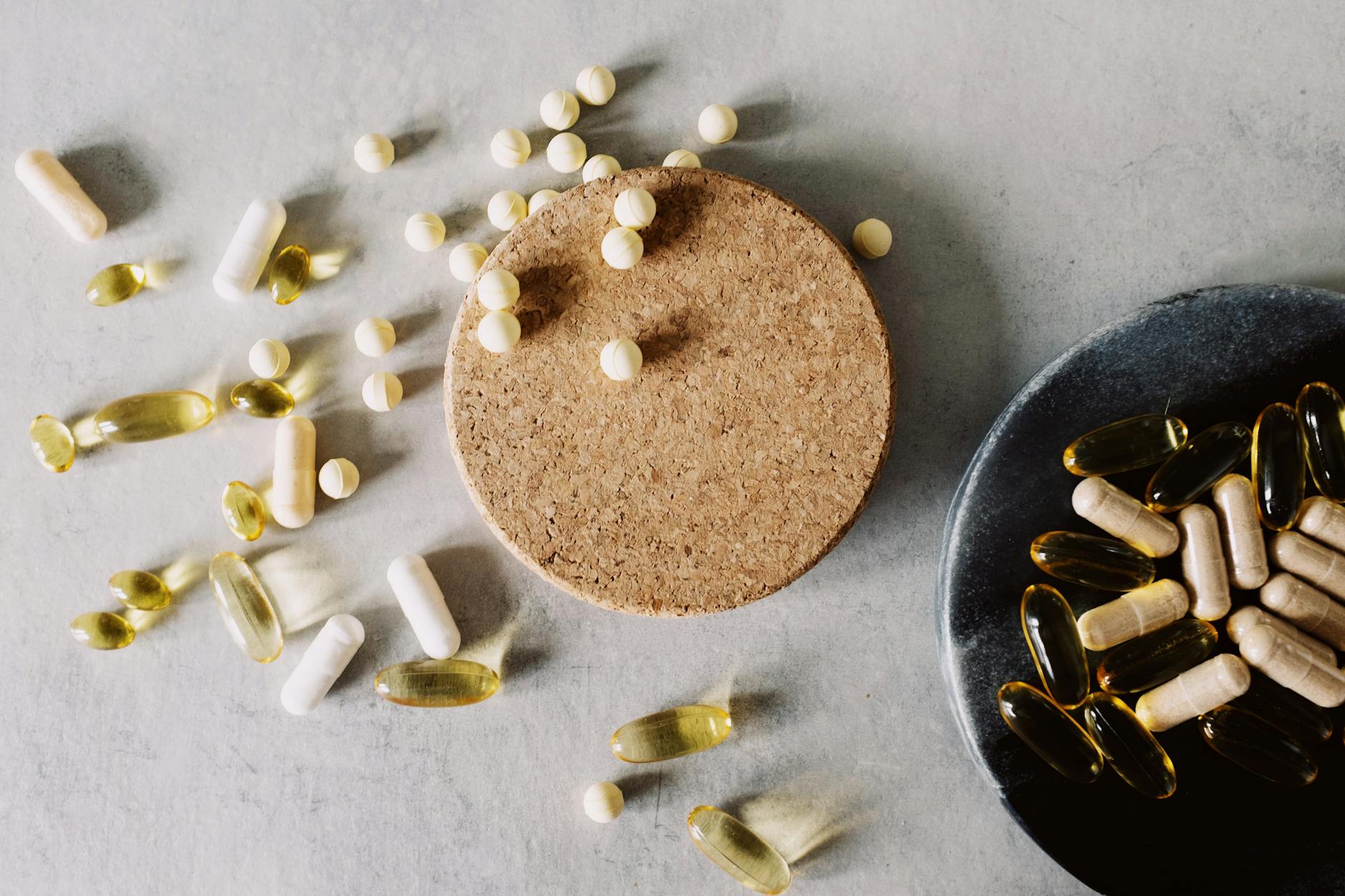
Choosing the right zinc supplement can feel overwhelming with so many forms available. The three most common types for acne treatment are zinc gluconate, zinc picolinate, and zinc sulfate. Each delivers zinc to your body differently, affecting how well you absorb this essential mineral.
Zinc picolinate offers the highest absorption rate because picolinic acid helps transport zinc across your intestinal wall. This means you get more benefit from each dose. Zinc gluconate ranks second in absorption and tends to be gentler on your stomach, making it a popular choice for beginners. Zinc sulfate, while the least expensive option, has lower absorption rates and may cause more digestive upset.
“Taking zinc on an empty stomach maximizes absorption but often causes nausea—timing with a small snack strikes the right balance.”
For acne treatment, dermatologists typically recommend 30-40mg of elemental zinc daily. This amount has shown effectiveness in clinical studies without causing significant side effects. However, some people see results with as little as 20mg, while others may need up to 50mg under medical supervision. Start with the lower end and increase gradually if needed.
Timing matters significantly for zinc absorption and tolerability. Take your supplement two hours before or after meals for maximum absorption, though this often causes stomach upset. A better approach for most people involves taking zinc with a light snack containing some protein but avoiding dairy, coffee, or high-fiber foods that block absorption.
Remember that consistency beats perfect timing. Taking your zinc supplement at the same time daily, even with food to prevent nausea, works better than skipping doses because you forgot to time it perfectly. Your skin won't clear overnight, but proper dosing helps prevent the scarring that many acne sufferers fear most.
Topical Zinc Products for Acne-Prone Skin
Topical zinc treatments offer a targeted approach for acne-prone skin, delivering anti-inflammatory benefits directly where you need them most. These products work by reducing bacteria on your skin's surface while calming existing breakouts without the potential stomach upset that some people experience with oral supplements.
Zinc oxide serves as the most common topical form, appearing in everything from spot treatments to daily moisturizers. You'll recognize it as the white, thick paste lifeguards use on their noses—though modern formulations blend more smoothly into skin. Zinc pyrithione, another effective option, combines zinc with an antifungal agent that's particularly useful for treating both acne and seborrheic dermatitis. Products containing zinc pyrithione include specialized face washes and leave-on treatments that target stubborn breakouts.
Start by applying zinc products to clean skin once daily, preferably at night. Zinc creams and serums layer well under moisturizer but should go on before heavier treatments. If you're using retinoids or benzoyl peroxide, alternate nights initially to prevent irritation—zinc actually enhances the effectiveness of these treatments when your skin adjusts.
Many people worry that experimenting with new products will worsen their acne and lead to scarring, but zinc's gentle nature makes it one of the safer ingredients to try. Begin with a patch test on your jawline, then gradually increase application frequency. Popular options include La Roche-Posay Effaclar Duo with zinc, The Ordinary's Zinc + Niacinamide serum, and simple zinc oxide spot treatments from drugstore brands.
Combine topical zinc with consistent cleansing and sun protection for optimal results, giving your skin time to respond before adding more aggressive treatments.
How to Use Zinc Safely and Effectively for Acne
Getting zinc right requires the proper approach to avoid wasting time or experiencing unwanted side effects. Your acne journey doesn't need setbacks from improper zinc use, which can delay the clear skin results you're working toward.
Begin with 30mg daily, taken with food to prevent stomach upset, and assess tolerance for two weeks.
Take zinc supplements two hours before or after calcium, iron, or magnesium to ensure proper absorption.
Cleanse skin first, apply zinc cream or serum to dry skin, and allow five minutes before adding other products.
Track improvements weekly and watch for signs of zinc deficiency or excess to adjust your approach.
Zinc deficiency shows up as slow wound healing, increased acne breakouts, and white spots on fingernails. You might also notice hair loss or frequent infections. These signs suggest your current intake isn't meeting your skin's needs.
Zinc toxicity occurs when you exceed 40mg daily for extended periods. Watch for nausea, metallic taste, headaches, or decreased immune function. Copper deficiency can develop from excessive zinc use, leading to anemia and nerve problems.
For example, if you experience stomach pain after taking 50mg zinc, reduce to 30mg and always take with meals. Most people see acne improvements within 6-8 weeks when following proper dosing guidelines and maintaining consistency with their chosen zinc approach.
Timeline and Realistic Expectations

Understanding zinc's timeline helps prevent frustration and premature treatment changes. Most people notice subtle improvements within 2-3 weeks of consistent zinc supplementation. Your skin may initially look less inflamed, and new breakouts might become smaller or heal faster. However, these early changes don't mean your acne battle is won.
Peak effectiveness typically occurs between 6-12 weeks of consistent use. This is when you'll see the most dramatic reduction in breakouts and notice existing acne healing more completely. Many people expect overnight results, but zinc works by gradually reducing inflammation and regulating oil production—processes that take time to show visible changes.
The fear of permanent scarring makes waiting difficult, but patience prevents poor decisions. Switching treatments too quickly actually increases scarring risk because you interrupt your skin's healing process. Give zinc at least three months before deciding it's ineffective.
Reassess your approach if you see zero improvement after 12 weeks, or if your acne worsens significantly during the first month. For example, if you started with moderate acne and develop severe cystic breakouts, consult a dermatologist immediately. Similarly, if digestive issues persist beyond two weeks, reduce your dosage or switch formulations.
Track your progress with weekly photos taken in consistent lighting. This objective record helps you notice gradual improvements that daily mirror checks might miss.
Potential Side Effects and Interactions
While zinc supplements can effectively treat acne, they're not without risks. Understanding these potential issues helps you use zinc safely and avoid complications that could worsen your skin concerns.
Common side effects of zinc supplementation include nausea, stomach upset, and metallic taste in your mouth. Taking zinc on an empty stomach often triggers these digestive issues, so always consume supplements with food. High doses can cause vomiting, headaches, and fatigue. Long-term use of excessive amounts may lead to copper deficiency, which can affect your immune system and blood cell production.
Zinc interacts with several medications that could impact your treatment plan. Antibiotics like tetracycline and quinolones become less effective when taken with zinc. Blood pressure medications, particularly ACE inhibitors, may have reduced absorption. If you're taking birth control pills, zinc can interfere with copper absorption, potentially affecting hormonal balance. Always space zinc supplements at least two hours apart from these medications.
Consult your healthcare provider before starting zinc supplements if you have kidney disease, diabetes, or digestive disorders. Pregnant and breastfeeding women should seek medical guidance for appropriate dosing. Contact your doctor immediately if you experience persistent nausea, severe stomach pain, or signs of copper deficiency like fatigue and pale skin.
Start with the lowest effective zinc dose, take with food, and inform your doctor about all medications to avoid dangerous interactions.
Frequently Asked Questions
How does zinc help with acne?
Zinc fights acne through three key mechanisms: reducing inflammation that causes red, painful pimples; regulating oil production by normalizing sebaceous gland activity; and accelerating wound healing to repair damaged skin faster. This essential mineral addresses the root causes of breakouts rather than just masking symptoms. Research shows zinc can decrease inflammatory markers in acne-prone skin within weeks of consistent use.
What type of zinc supplement is best for acne?
Zinc picolinate offers the highest absorption rate at 68% because picolinic acid helps transport zinc across your intestinal wall, making it the most effective option. Zinc gluconate ranks second in absorption and tends to be gentler on your stomach, making it a good choice for beginners. Zinc sulfate is the least expensive but has lower absorption rates and may cause more digestive upset.
How much zinc should I take daily for acne?
Dermatologists typically recommend 30-40mg of elemental zinc daily for acne treatment, as this amount has shown effectiveness in clinical studies without significant side effects. Some people see results with as little as 20mg, while others may need up to 50mg under medical supervision. Start with the lower end and increase gradually if needed.
When should I take zinc supplements for best absorption?
Take zinc supplements two hours before or after meals for maximum absorption, though this timing often causes stomach upset. A better approach is taking it with a small snack to strike the right balance between absorption and tolerability. Taking zinc on an empty stomach maximizes absorption but often causes nausea.
How long does it take for zinc to work on acne?
Research shows zinc can decrease inflammatory markers in acne-prone skin within weeks of consistent use. Someone with inflammatory cystic acne might notice their existing breakouts heal faster while new ones become less severe after incorporating zinc supplements. The mineral works both defensively and offensively—protecting healthy skin while repairing damaged areas.
Disclaimer: This content is for informational purposes only and does not constitute medical advice. Always consult a qualified healthcare provider before making health decisions.