What Is Salicylic Acid and How It Treats Acne

Salicylic acid is a beta hydroxy acid (BHA) that works differently from other common acne treatments. Unlike alpha hydroxy acids that only work on the skin's surface, salicylic acid can penetrate deep into your pores where acne begins.
“Salicylic acid dissolves the bonds between dead skin cells, preventing them from clogging your pores in the first place.”
This oil-soluble acid, also known as 2-hydroxybenzoic acid, excels at breaking down the buildup of dead skin cells and excess oil that leads to blackheads, whiteheads, and inflammatory acne. When your pores stay clear, you reduce your risk of developing the deep, painful breakouts that can cause permanent scarring.
The gentle exfoliation happens inside your pores rather than just scrubbing away surface skin, making salicylic acid particularly effective for preventing future breakouts while treating existing ones.
Step 1: Choose the Right Salicylic Acid Product

Starting with the wrong concentration can irritate your skin and worsen breakouts, so begin with 0.5-1% salicylic acid formulations. These gentler concentrations effectively unclog pores without causing excessive dryness or redness that might delay your progress toward clear skin.
“Starting with lower concentrations protects your skin while still delivering acne-fighting benefits.”
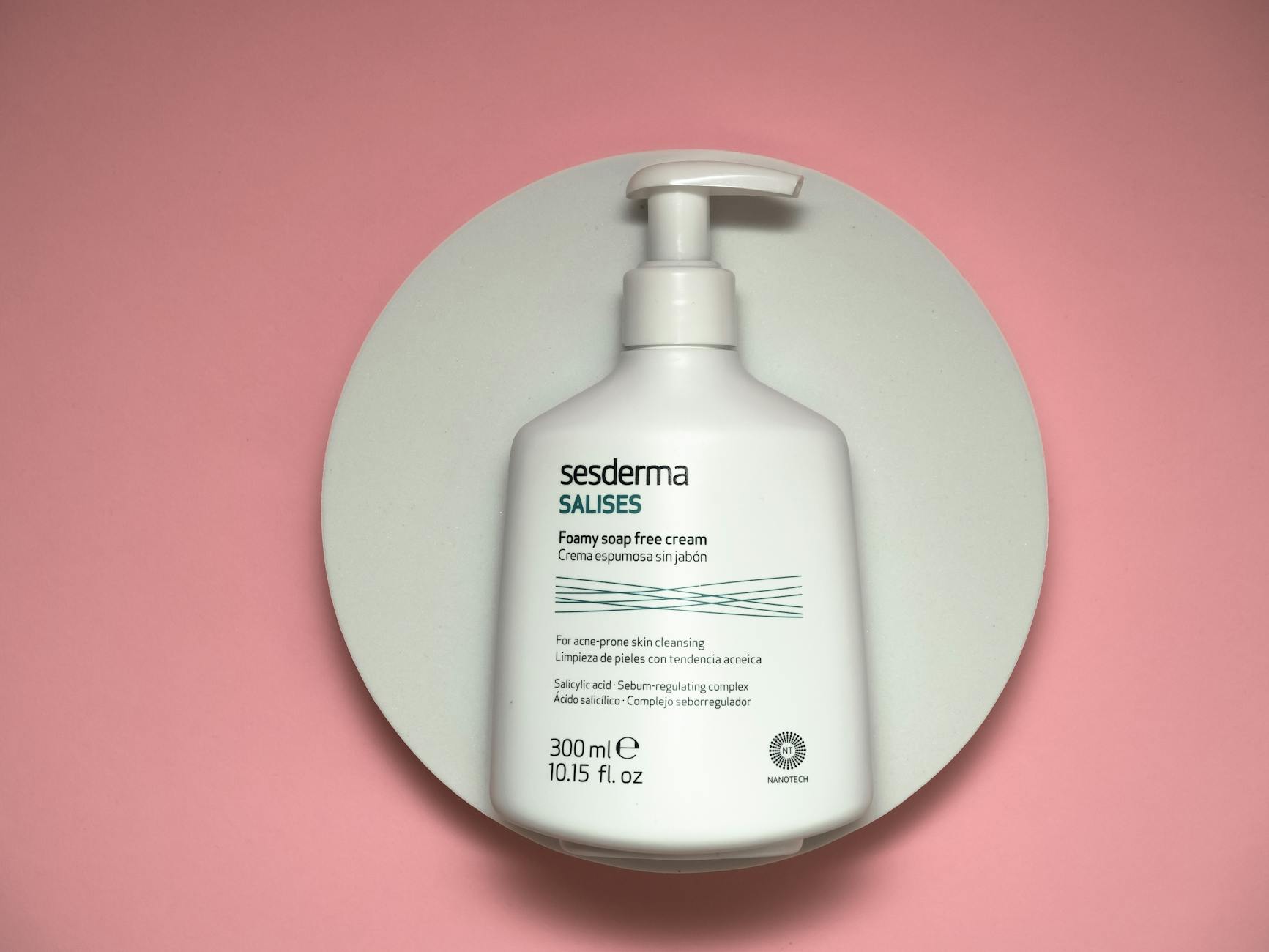
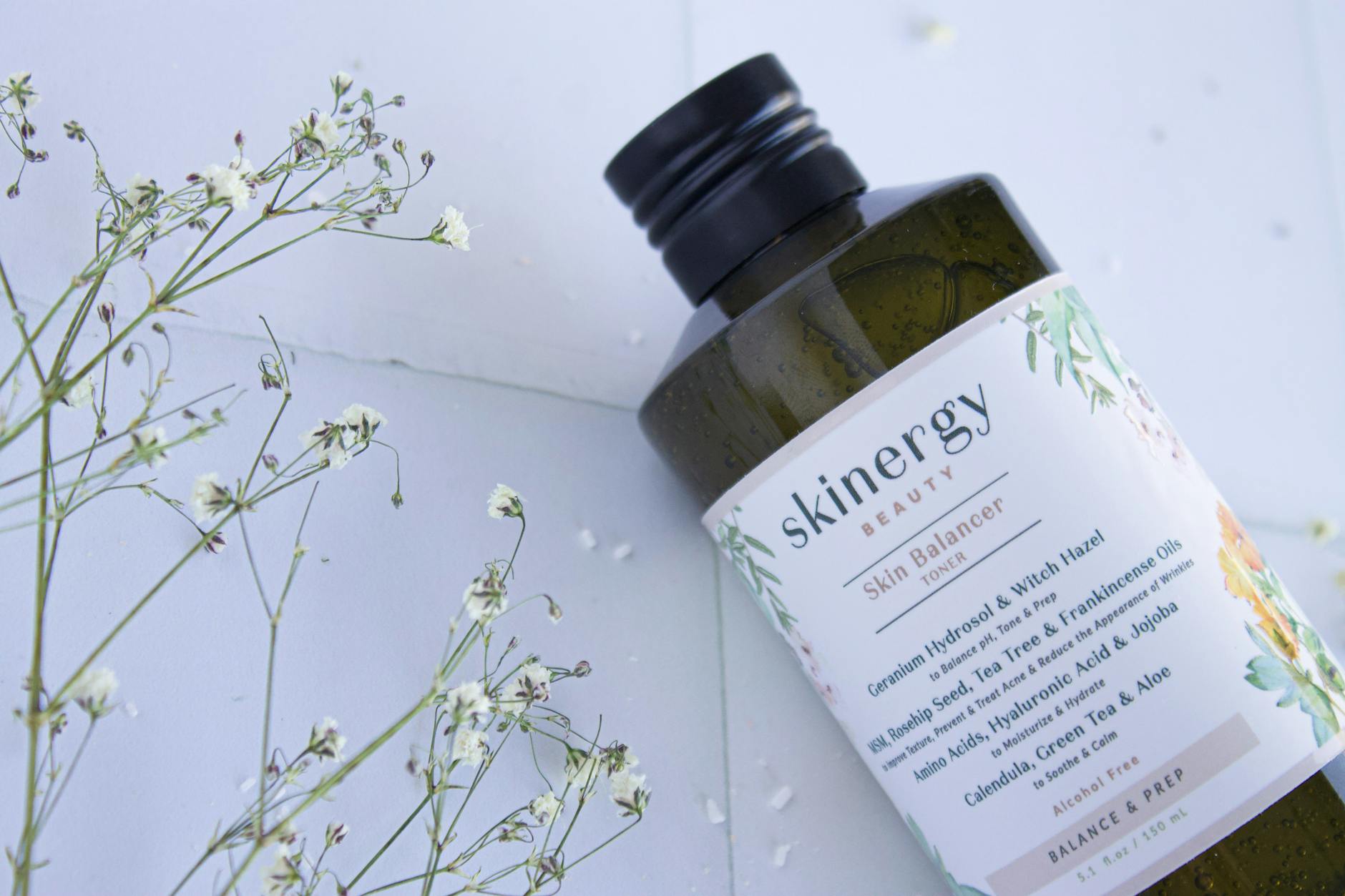
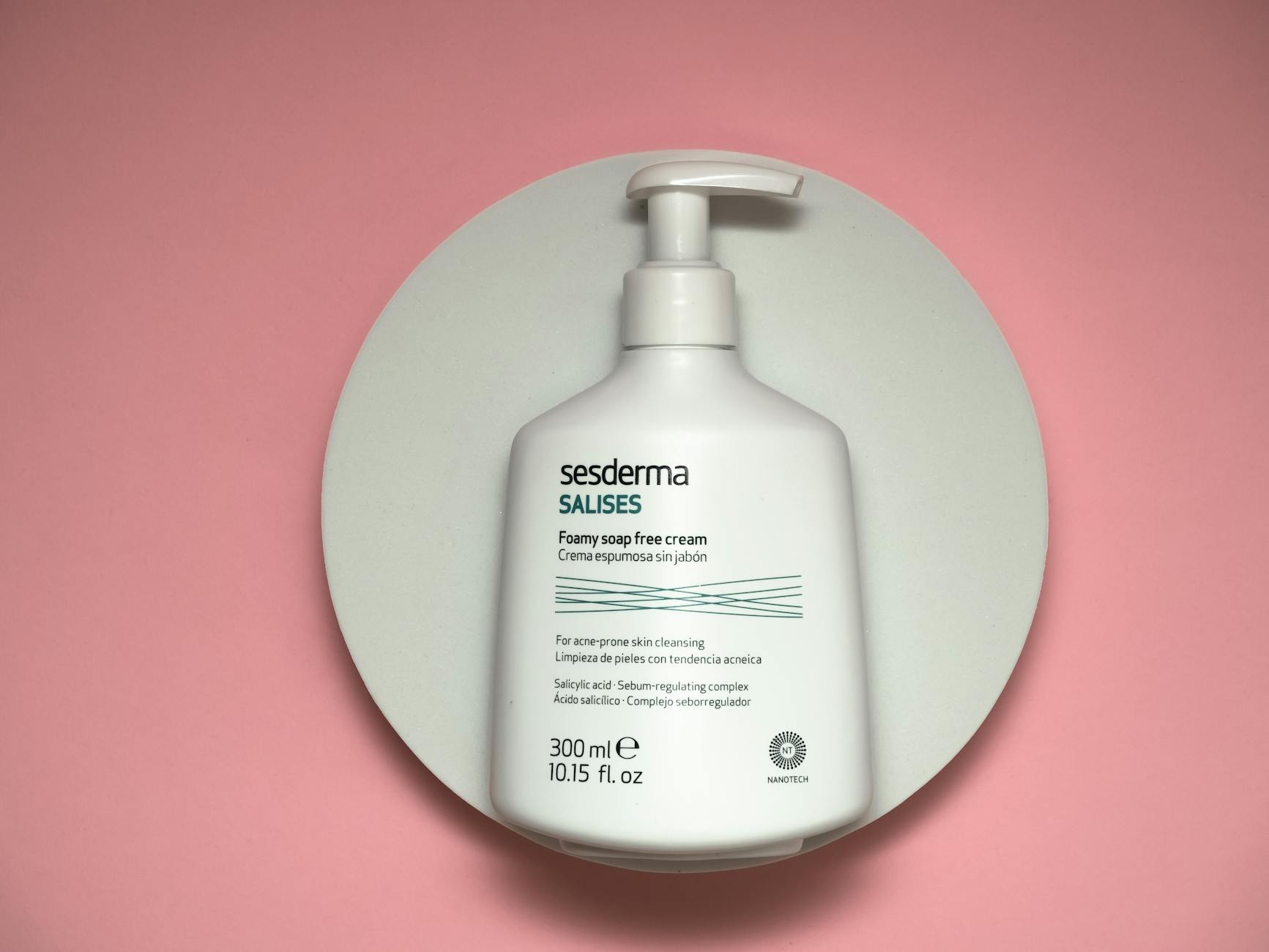
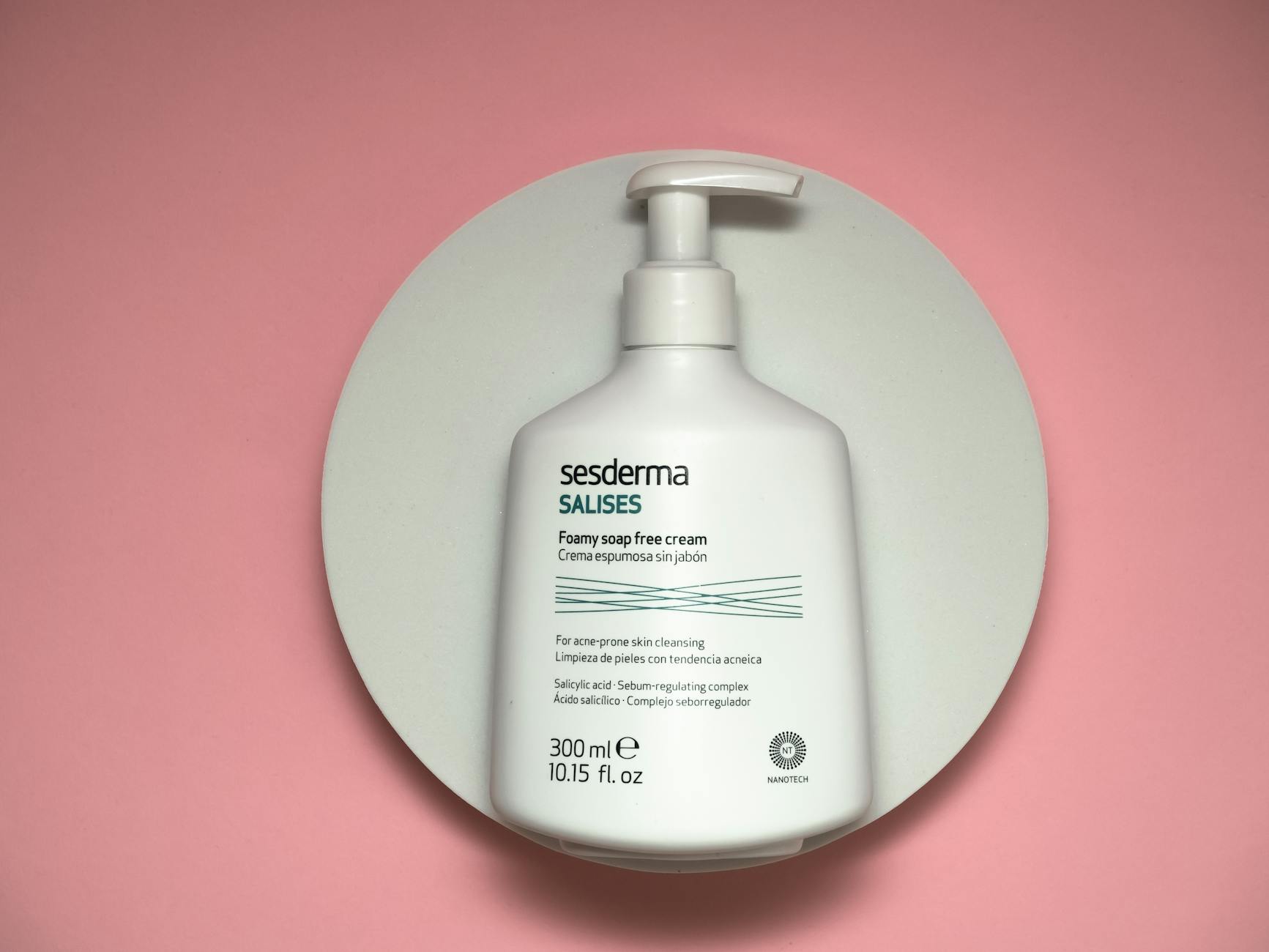
Product types serve different purposes in your routine. Cleansers provide daily gentle exfoliation but wash off quickly. Toners offer deeper pore penetration and prepare skin for other treatments. Leave-on treatments like serums or spot gels deliver concentrated action to problem areas overnight.
Consider your skin's sensitivity level when choosing. Sensitive skin responds better to cleansers, while normal skin can handle toners or leave-on treatments. For example, CeraVe Foaming Facial Cleanser contains 0.5% salicylic acid for beginners, while Paula's Choice 2% BHA Liquid offers stronger treatment for experienced users.
Step 2: Start Slowly to Avoid Irritation
Your skin needs time to adjust to salicylic acid, even though you're eager for quick results. Starting too aggressively leads to redness, peeling, and irritation that can actually worsen acne and delay your progress.
Apply your salicylic acid product every other day for the first two weeks.
After two weeks without irritation, move to daily use, then twice daily if needed.
Watch for excessive dryness, burning, or persistent redness that signals over-exfoliation.
Distinguish between normal purging (temporary breakouts as pores clear) and irritation (burning, excessive peeling, or worsening acne). For example, mild initial breakouts lasting 2-4 weeks indicate purging, while immediate burning suggests you're using too much too soon.
Step 3: Apply Salicylic Acid Correctly
The order you apply your products makes the difference between clear skin and unnecessary irritation. Your application technique directly impacts how effectively salicylic acid penetrates your pores and prevents the scarring you're worried about.
Start with a gentle cleanser to remove dirt and makeup before applying salicylic acid.
Wait 5 minutes after cleansing to ensure your skin is completely dry before treatment.
Apply a pea-sized amount for your entire face or spot-treat individual blemishes.
Allow 10-15 minutes for the acid to absorb before applying moisturizer or sunscreen.
Evening application works best for most people since salicylic acid can increase sun sensitivity. If you use it in the morning, always follow with SPF 30 or higher sunscreen to protect your healing skin.
Common Mistakes to Avoid

New salicylic acid users often make predictable mistakes that delay results or worsen breakouts. Understanding these errors helps you avoid unnecessary setbacks and potential scarring.
Starting with too much product too quickly ranks as the biggest mistake. Many people apply salicylic acid daily from day one, causing severe dryness and irritation. Begin with twice weekly applications and gradually increase frequency as your skin adapts.
Combining salicylic acid with retinoids, benzoyl peroxide, or vitamin C simultaneously creates chemical warfare on your face. Use salicylic acid in the morning and other actives at night, or alternate days entirely.
Skipping moisturizer because you think it causes breakouts actually makes acne worse. Your skin overproduces oil to compensate for dryness. Choose a lightweight, non-comedogenic moisturizer.
Finally, forgetting sunscreen leaves treated skin vulnerable to UV damage and hyperpigmentation. Salicylic acid increases photosensitivity, making daily SPF 30 essential for preventing dark spots that outlast your acne.
When to Expect Results
Your skin may initially worsen during the first 2-4 weeks as salicylic acid brings deeper clogs to the surface—this purging phase is normal, not a sign of treatment failure. Visible improvements typically appear around 4-6 weeks, with reduced blackheads and fewer new breakouts.
Full benefits emerge after 8-12 weeks of consistent use. You'll know the treatment is working when existing blemishes heal faster and new ones appear less frequently, giving you confidence that clearer skin is achievable.
Stick with salicylic acid for at least 8-12 weeks to see full results, as initial purging is temporary and indicates the product is working.
Frequently Asked Questions
What is salicylic acid and how does it work for acne?
Salicylic acid is a beta hydroxy acid (BHA) that can penetrate deep into your pores where acne begins, unlike other acids that only work on the skin's surface. It dissolves the bonds between dead skin cells and breaks down the buildup of dead skin cells and excess oil that leads to blackheads, whiteheads, and inflammatory acne. This oil-soluble acid prevents pores from clogging in the first place and provides gentle exfoliation inside your pores rather than just scrubbing away surface skin.
What concentration of salicylic acid should I start with?
You should begin with 0.5-1% salicylic acid formulations to avoid irritating your skin and worsening breakouts. These gentler concentrations effectively unclog pores without causing excessive dryness or redness that might delay your progress toward clear skin. Starting with lower concentrations protects your skin while still delivering acne-fighting benefits.
How often should I use salicylic acid when starting out?
Begin with 2-3 applications per week, applying your salicylic acid product every other day for the first two weeks. After two weeks without irritation, you can move to daily use, then twice daily if needed. Your skin needs time to adjust to salicylic acid, and starting too aggressively leads to redness, peeling, and irritation that can actually worsen acne.
What's the difference between salicylic acid cleansers, toners, and leave-on treatments?
Cleansers provide daily gentle exfoliation but wash off quickly, while toners offer deeper pore penetration and prepare skin for other treatments. Leave-on treatments like serums or spot gels deliver concentrated action to problem areas overnight. Sensitive skin responds better to cleansers, while normal skin can handle toners or leave-on treatments.
How can I tell if salicylic acid is causing irritation or normal purging?
Normal purging appears as mild initial breakouts lasting 2-4 weeks as pores clear out, which is temporary and indicates the product is working. Irritation, on the other hand, shows up as burning, excessive peeling, persistent redness, or worsening acne that signals over-exfoliation. If you experience immediate burning, it suggests you're using too much product too soon.
Disclaimer: This content is for informational purposes only and does not constitute medical advice. Always consult a qualified healthcare provider before making health decisions.