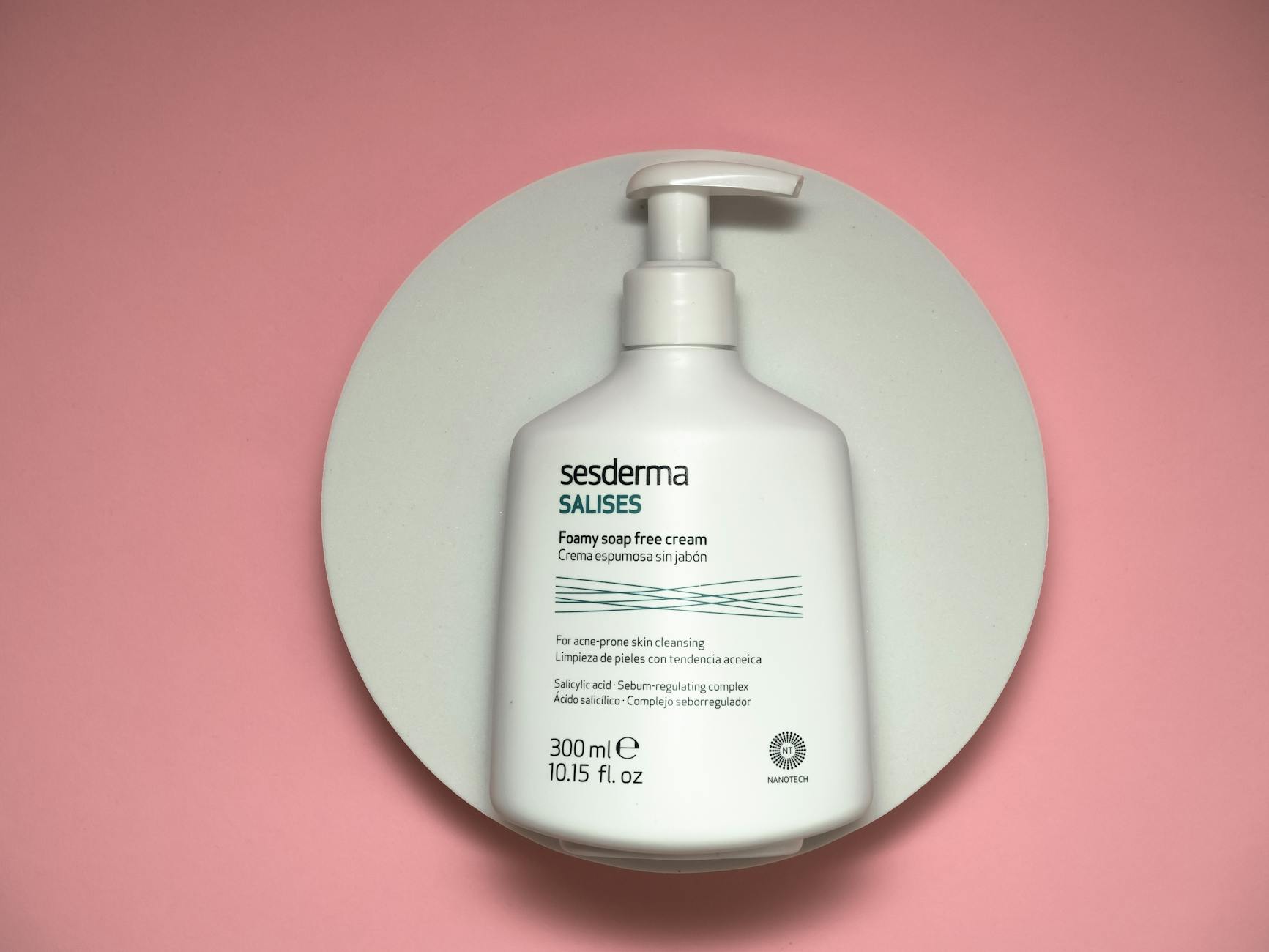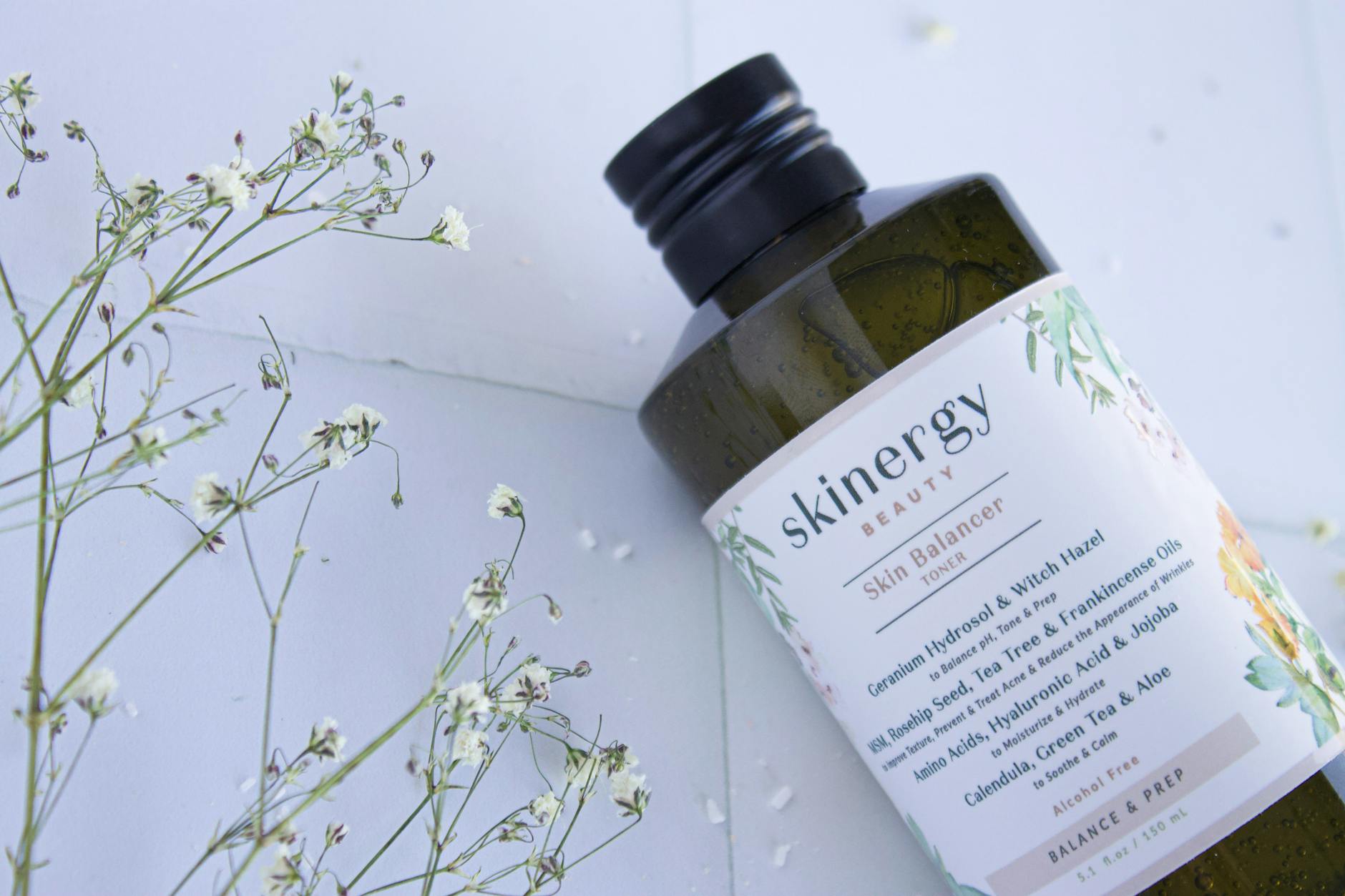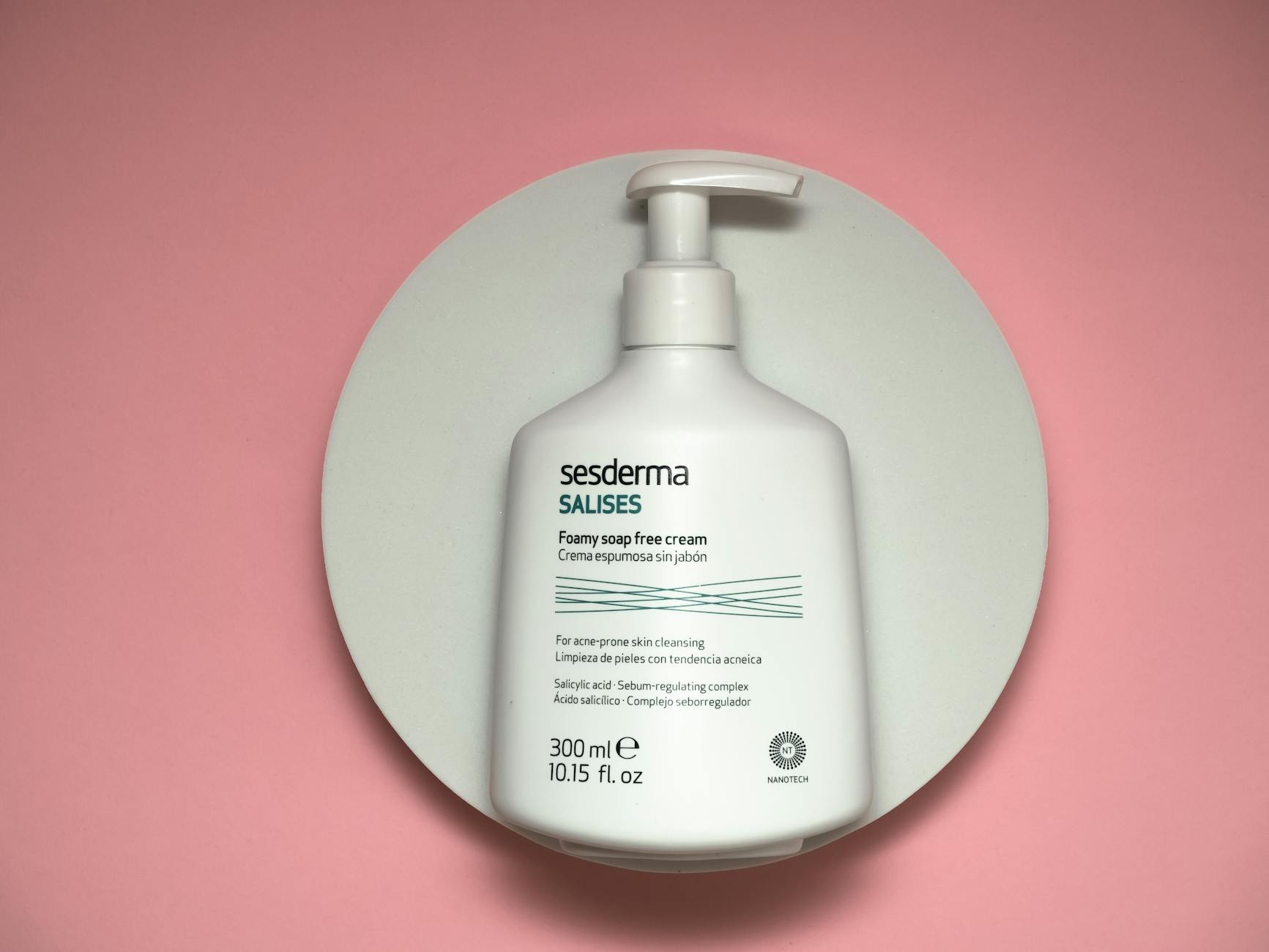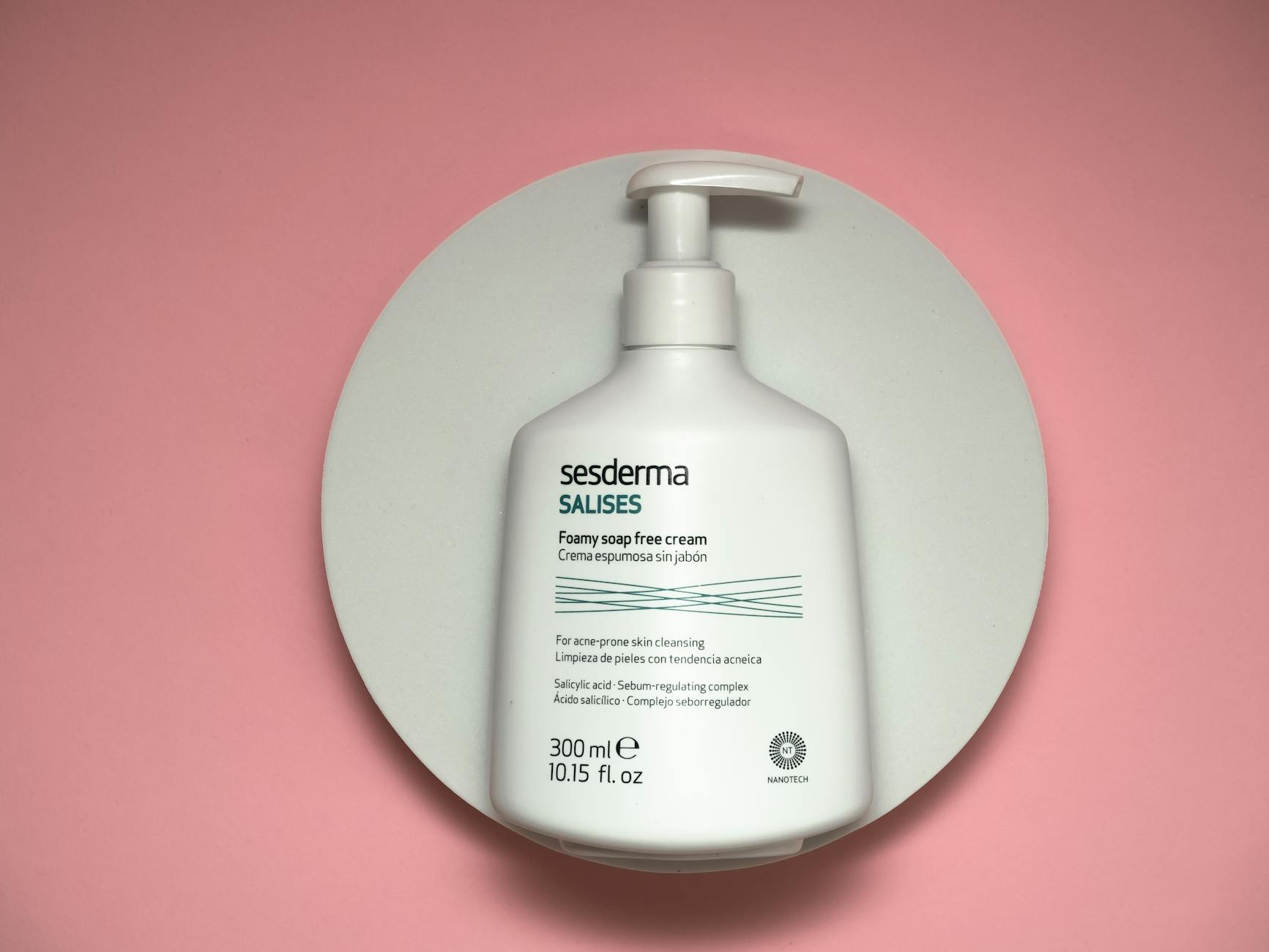
Common Salicylic Acid Side Effects

Salicylic Acid can cause several side effects, especially when you first start using it. Understanding these common reactions helps you distinguish between normal adjustment and potential problems that need attention.
Skin dryness and flaking occur because salicylic acid removes dead skin cells faster than usual. Your face might feel tight or develop white flakes, particularly around your nose and chin. This typically improves within two to three weeks as your skin adjusts.
“Most side effects are temporary signs that your skin is adjusting, not permanent damage.”
Redness and irritation appear as pink or red patches where you applied the product. Some people experience mild stinging or burning sensations during the first few applications. These reactions usually fade as your skin builds tolerance.
Initial purging brings existing pimples to the surface faster, making your skin temporarily look worse before improving. This process typically lasts four to six weeks and signals that the treatment is working effectively to clear your pores.
Increased sun sensitivity makes your skin more vulnerable to UV damage and potential scarring. Your skin becomes more susceptible to burning and dark spots during treatment.
Who Is Most at Risk for Side Effects

While Salicylic Acid works well for most people, certain individuals face higher risks of experiencing side effects. Understanding your personal risk factors helps you make informed decisions and avoid complications that could worsen your skin.
“People with sensitive skin should always start with lower concentrations and patch test before full application.”
Sensitive skin types represent the highest-risk group. If you typically react to fragrances, harsh cleansers, or weather changes, your skin barrier is already compromised and more vulnerable to irritation.
First-time acid users also face elevated risks because their skin hasn't built tolerance. Your skin needs time to adjust to chemical exfoliation, regardless of your skin type.
Those using high concentrations above 2% without prior experience increase their chances of burns, excessive peeling, and scarring. Products containing 10-30% Salicylic Acid should only be used under professional supervision to prevent permanent damage to your skin.
How to Prevent Salicylic Acid Side Effects
Preventing side effects starts with choosing the right concentration for your skin type. Begin with products containing 0.5% to 1% salicylic acid, especially if you have sensitive skin. Higher concentrations aren't always better and can cause irritation without improving results.
Use salicylic acid every other day for the first two weeks, then gradually increase to daily use.
Apply a gentle, fragrance-free moisturizer within three minutes of using salicylic acid to prevent dryness.
Use broad-spectrum SPF 30 or higher daily, as salicylic acid increases sun sensitivity.
Avoid combining salicylic acid with other exfoliating ingredients like retinoids or glycolic acid, which can lead to over-exfoliation and potential scarring. If your skin becomes red, flaky, or stings during application, reduce usage frequency immediately. Remember that clear skin takes time—rushing the process often backfires with increased irritation and slower healing.
What to Do If You Experience Side Effects

If your skin reacts poorly to Salicylic Acid, don't panic – most side effects are temporary and manageable. The good news is that proper response can prevent permanent damage while keeping your skin care goals on track.
Discontinue Salicylic Acid products as soon as irritation appears.
Use gentle, fragrance-free moisturizers and avoid all active ingredients for 3-7 days.
Monitor for improvement within 48 hours of stopping treatment.
See a dermatologist if you experience severe burning, widespread rash, or symptoms lasting more than a week. For example, persistent red patches or deep irritation may signal overuse that requires professional evaluation.
Once your skin heals completely, restart with half your previous frequency. Begin with every other day application to rebuild tolerance gradually without triggering another reaction.
Safe Usage Guidelines for Beginners
Starting with Salicylic Acid requires a cautious approach to prevent irritation and achieve clear skin safely. Begin with 0.5% concentration products used twice weekly, gradually increasing to daily use as your skin adjusts over 2-3 weeks.
Apply 0.5-1% Salicylic Acid twice weekly for the first two weeks.
Watch for redness, peeling, or excessive dryness between applications.
Apply after cleansing but before moisturizer and always use sunscreen during the day.
Avoid combining Salicylic Acid with retinoids or vitamin C initially. This careful progression prevents the irritation and potential scarring that concerns many beginners while building tolerance for effective acne treatment.
Start with low concentrations twice weekly and gradually increase frequency to prevent irritation while building effective acne-fighting habits.
Frequently Asked Questions
What are the most common side effects of salicylic acid?
The most common side effects include skin dryness and flaking, redness and irritation, initial purging that brings pimples to the surface, and increased sun sensitivity. These reactions typically occur when you first start using salicylic acid and usually improve within two to three weeks as your skin adjusts. Most side effects are temporary signs that your skin is adapting to the treatment.
How long does salicylic acid purging last?
Salicylic acid purging typically lasts four to six weeks. During this time, existing pimples are brought to the surface faster, making your skin temporarily look worse before improving. This process actually signals that the treatment is working effectively to clear your pores.
What concentration of salicylic acid should beginners use?
Beginners should start with products containing 0.5% to 1% salicylic acid, especially if they have sensitive skin. Higher concentrations aren't always better and can cause irritation without improving results. Products containing 10-30% salicylic acid should only be used under professional supervision to prevent permanent damage.
How can I prevent salicylic acid side effects?
Start slowly by using salicylic acid every other day for the first two weeks, then gradually increase to daily use. Apply a gentle, fragrance-free moisturizer within three minutes of using salicylic acid to prevent dryness. Always use broad-spectrum SPF 30 or higher daily, as salicylic acid increases sun sensitivity, and avoid combining it with other exfoliating ingredients like retinoids or glycolic acid.
Who is most at risk for salicylic acid side effects?
People with sensitive skin types face the highest risk, especially if they typically react to fragrances, harsh cleansers, or weather changes. First-time acid users also face elevated risks because their skin hasn't built tolerance to chemical exfoliation. Those using high concentrations above 2% without prior experience significantly increase their chances of burns, excessive peeling, and scarring.
Disclaimer: This content is for informational purposes only and does not constitute medical advice. Always consult a qualified healthcare provider before making health decisions.