Why Proper Body Lotion Application Matters

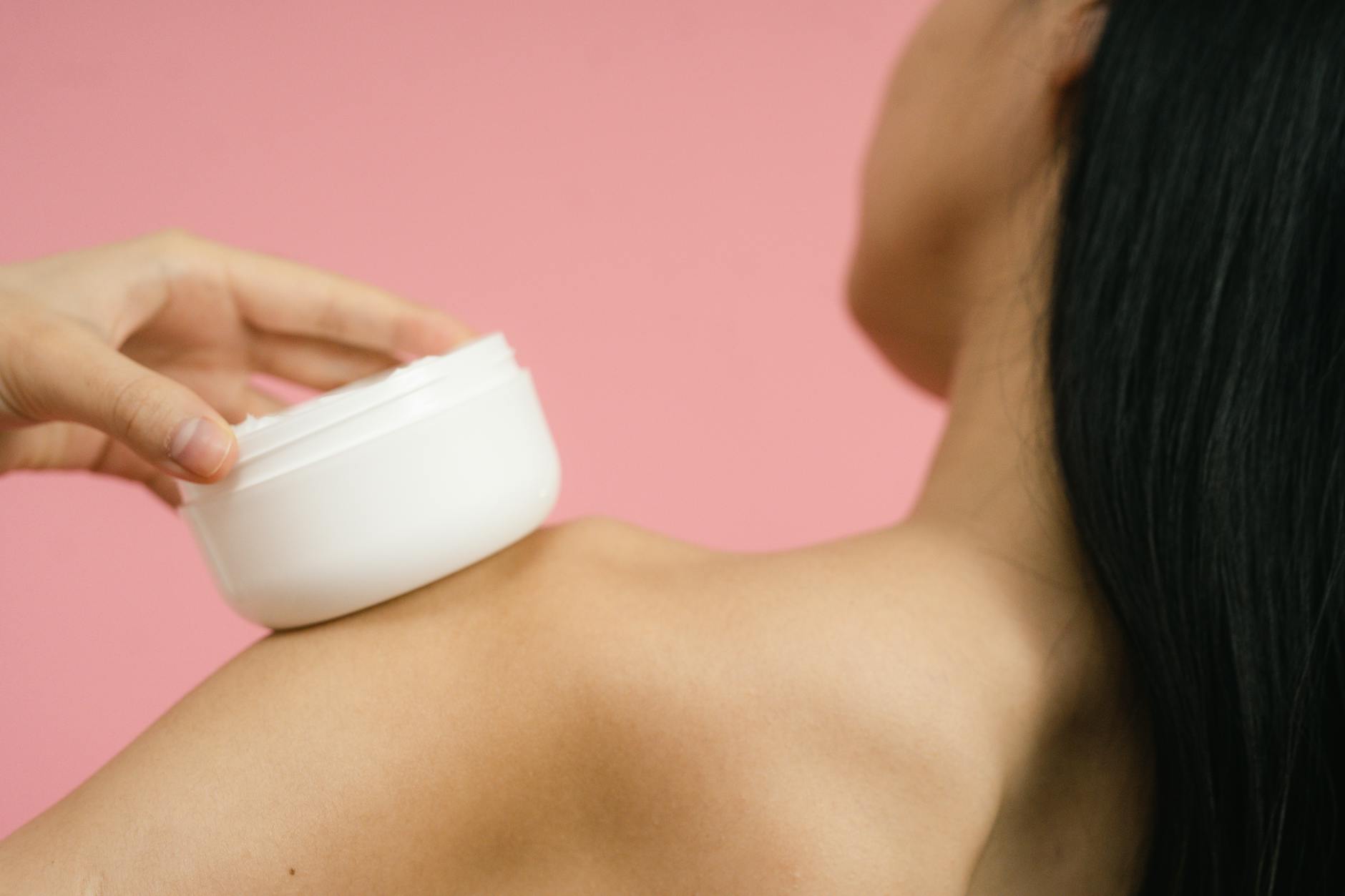
Your skin's health depends heavily on how you apply body lotion. Poor technique can leave you with dry patches, irritation, and a compromised skin barrier that fails to protect against environmental damage. When your skin barrier weakens, moisture escapes more easily while irritants penetrate deeper, creating a cycle of dryness and inflammation.
“Proper application technique can increase moisturizer effectiveness by up to 40% compared to haphazard rubbing.”
The way you apply lotion directly affects absorption effectiveness. Gentle, circular motions help the product penetrate evenly across your body's surface. This prevents common issues like streaky coverage or product buildup that can clog pores. Consistent technique also prevents the dry, flaky skin that often leads to self-consciousness about your appearance, helping you maintain confidence in social situations while supporting your skin's natural healing processes.
When to Apply Body Lotion for Best Results

Timing your body lotion application correctly makes the difference between dry, flaky skin and smooth, healthy-looking skin. The most effective time is immediately after showering, when your skin is still damp. This traps water beneath the lotion, creating optimal hydration conditions.
“Apply body lotion within three minutes of showering for maximum moisture retention.”
Your daily routine should include morning and evening applications. Morning application protects your skin throughout the day, while evening application allows deeper repair during sleep. For example, if you shower at night, apply lotion immediately afterward, then reapply a lighter layer in the morning before dressing.
Adjust timing based on your skin's condition. Dry or irritated skin may require more frequent applications, especially during winter months or in air-conditioned environments. Consistent timing prevents the buildup of dead skin cells that can lead to uneven texture and appearance concerns.
Step-by-Step Application Technique
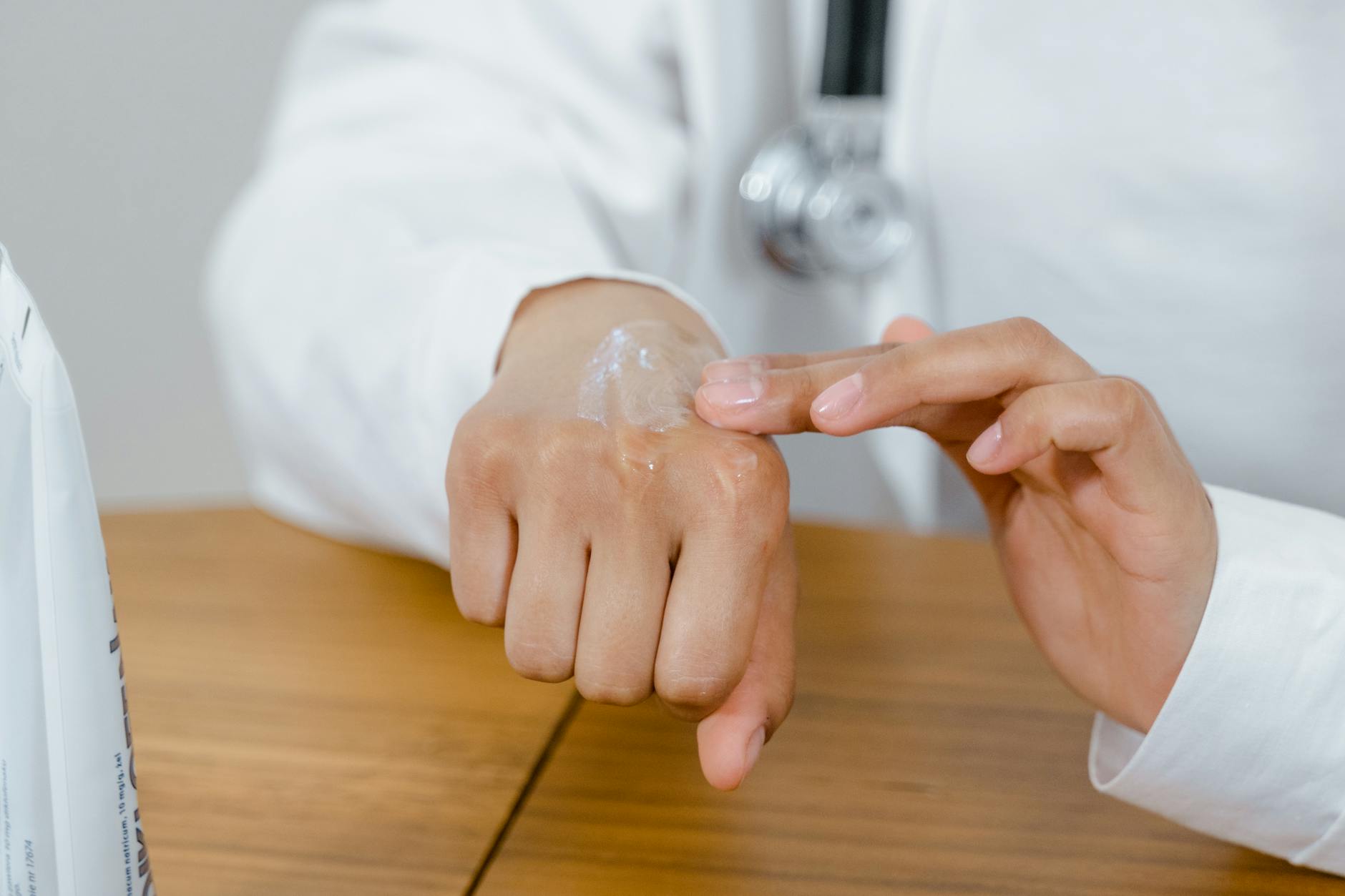
Proper application technique maximizes your body lotion's effectiveness and prevents common mistakes that can irritate skin or block pores. Following the right method helps ensure even coverage without waste.
Apply a quarter-sized amount per body section (arm, leg, torso).
Begin at your feet and hands, working inward toward your torso.
Massage in gentle upward motions to promote circulation and absorption.
Spend extra time on dry patches like elbows, knees, and heels.
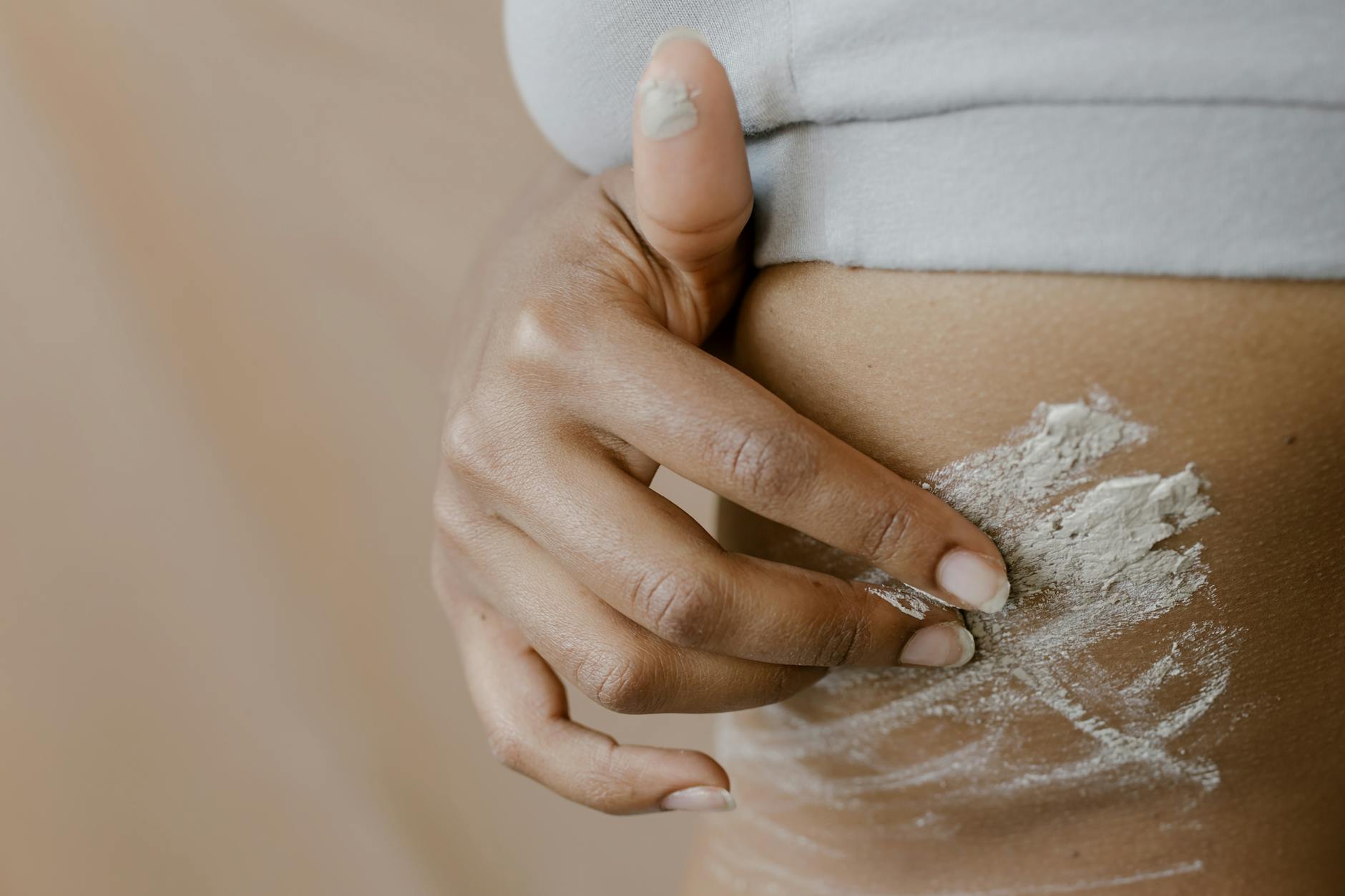
When massaging lotion into your body, use light pressure and circular motions. This technique helps the product penetrate deeper without causing irritation. For areas prone to breakouts like your back or chest, use a lighter touch to avoid aggravating existing blemishes or creating new ones.
Always let the lotion fully absorb before getting dressed. This prevents the product from rubbing off on clothing and ensures maximum skin benefits.
Common Application Mistakes to Avoid

Even with the best intentions, body lotion mistakes can worsen skin conditions and prevent healing. Over-applying creates a greasy barrier that clogs pores, while using too little leaves dry patches that crack and become infected.
Skipping commonly missed areas like elbows, knees, and heels allows bacteria to enter through micro-cracks in neglected skin. Many people rush the process, applying lotion to wet skin which dilutes the formula and reduces effectiveness.
Product mixing creates chemical reactions that irritate sensitive skin. For example, combining retinol body lotions with vitamin C products causes redness and peeling. Wait fifteen minutes between different skincare products to prevent adverse reactions that could lead to permanent discoloration or scarring.
Signs Your Application Technique Is Working
Your body will give you clear feedback when you're applying lotion correctly. The most immediate sign is improved absorption—your lotion should disappear into skin within minutes, not sit on the surface feeling greasy or sticky.
Within days of proper application, you'll notice your skin feels consistently soft throughout the day. Flaking and dry patches disappear, replaced by smooth texture that stays moisturized between applications. Your skin won't feel tight after showering, and you'll need less product to achieve the same level of hydration.
These positive changes reduce the risk of skin irritation and breakouts that can lead to scarring concerns.
Proper lotion application creates lasting moisture that keeps your skin smooth and healthy between applications.
Frequently Asked Questions
When should I apply body lotion for the best results?
The most effective time to apply body lotion is immediately after showering when your skin is still damp, ideally within three minutes. This timing traps water beneath the lotion, creating optimal hydration conditions. For best results, apply lotion both morning and evening - morning application protects your skin throughout the day while evening application allows deeper repair during sleep.
How much body lotion should I use for each application?
Use a quarter-sized amount of body lotion per body section, such as each arm, leg, or your torso. This amount provides adequate coverage without over-applying, which can create a greasy barrier. Using the right amount ensures even coverage and prevents product waste while maximizing the lotion's effectiveness.
What is the proper technique for applying body lotion?
Start applying lotion from your extremities (feet and hands) and work inward toward your torso using gentle upward strokes and circular motions. Use light pressure when massaging the lotion into your skin to promote circulation and absorption without causing irritation. Focus extra attention on dry problem areas like elbows, knees, and heels, and always let the lotion fully absorb before getting dressed.
Why does proper body lotion application technique matter?
Proper application technique can increase moisturizer effectiveness by up to 40% compared to haphazard application methods. Poor technique can leave you with dry patches, irritation, and a compromised skin barrier that fails to protect against environmental damage. The right application method ensures even coverage, prevents product buildup that can clog pores, and maintains your skin's natural healing processes.
Disclaimer: This content is for informational purposes only and does not constitute medical advice. Always consult a qualified healthcare provider before making health decisions.