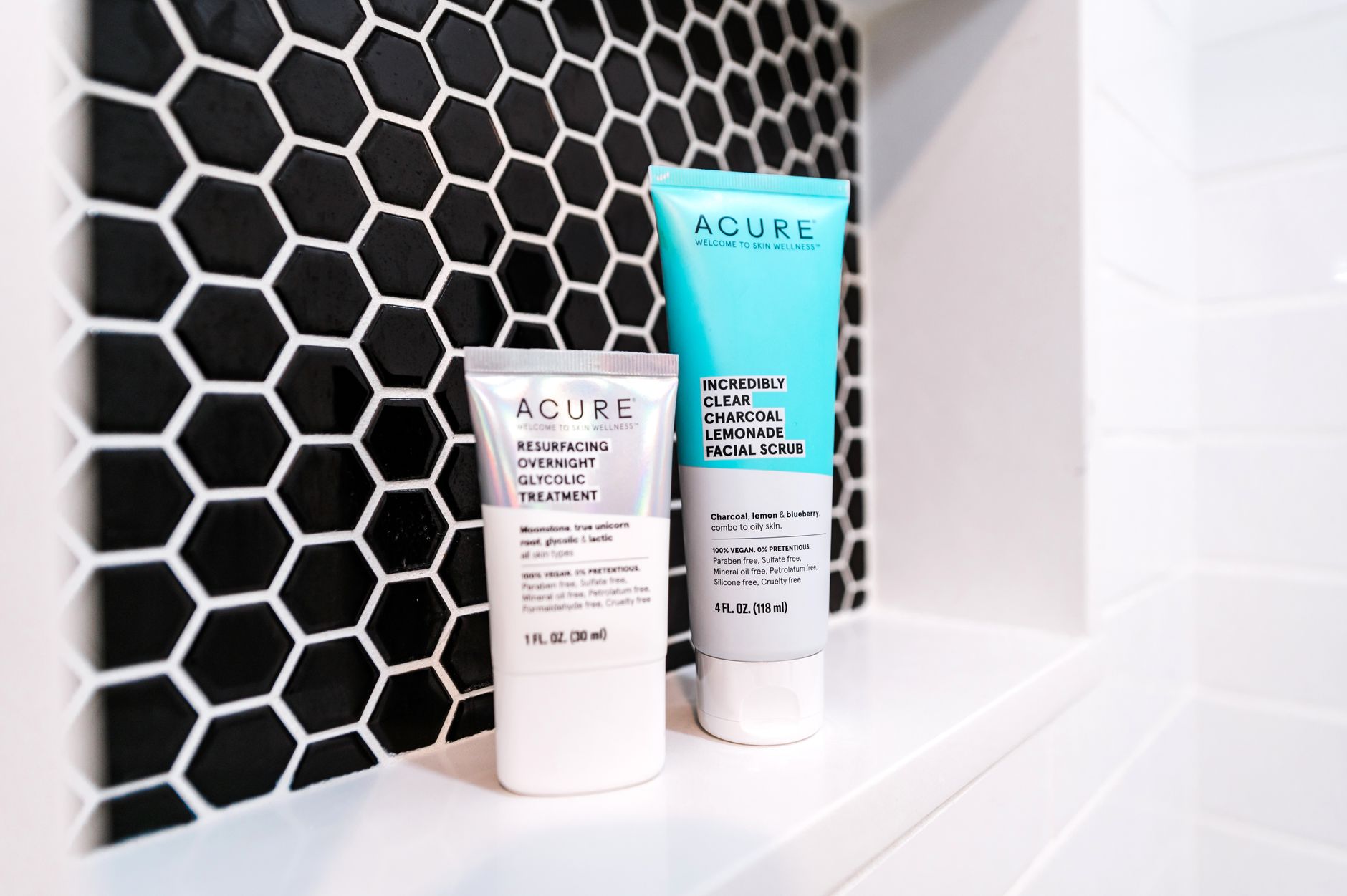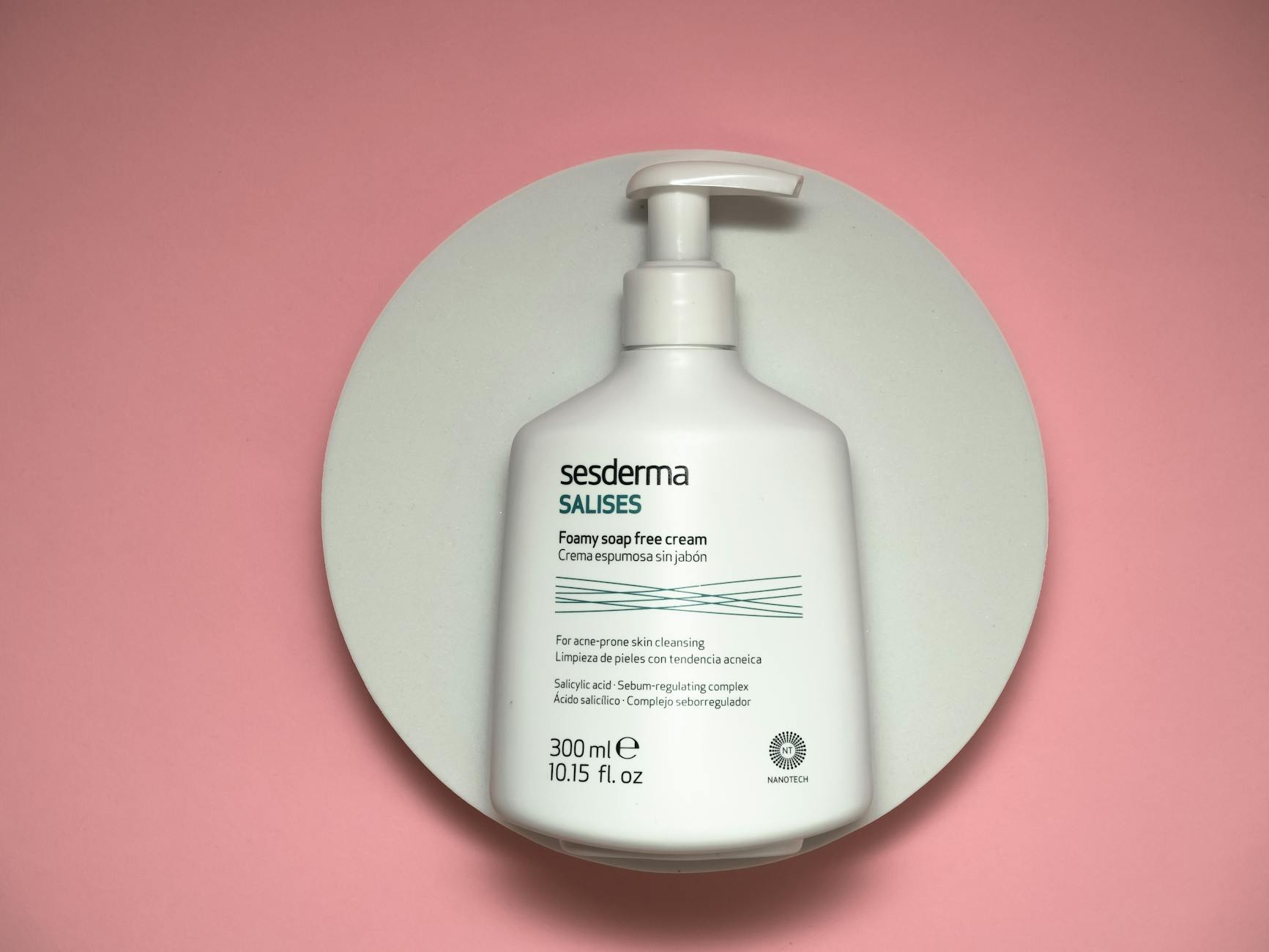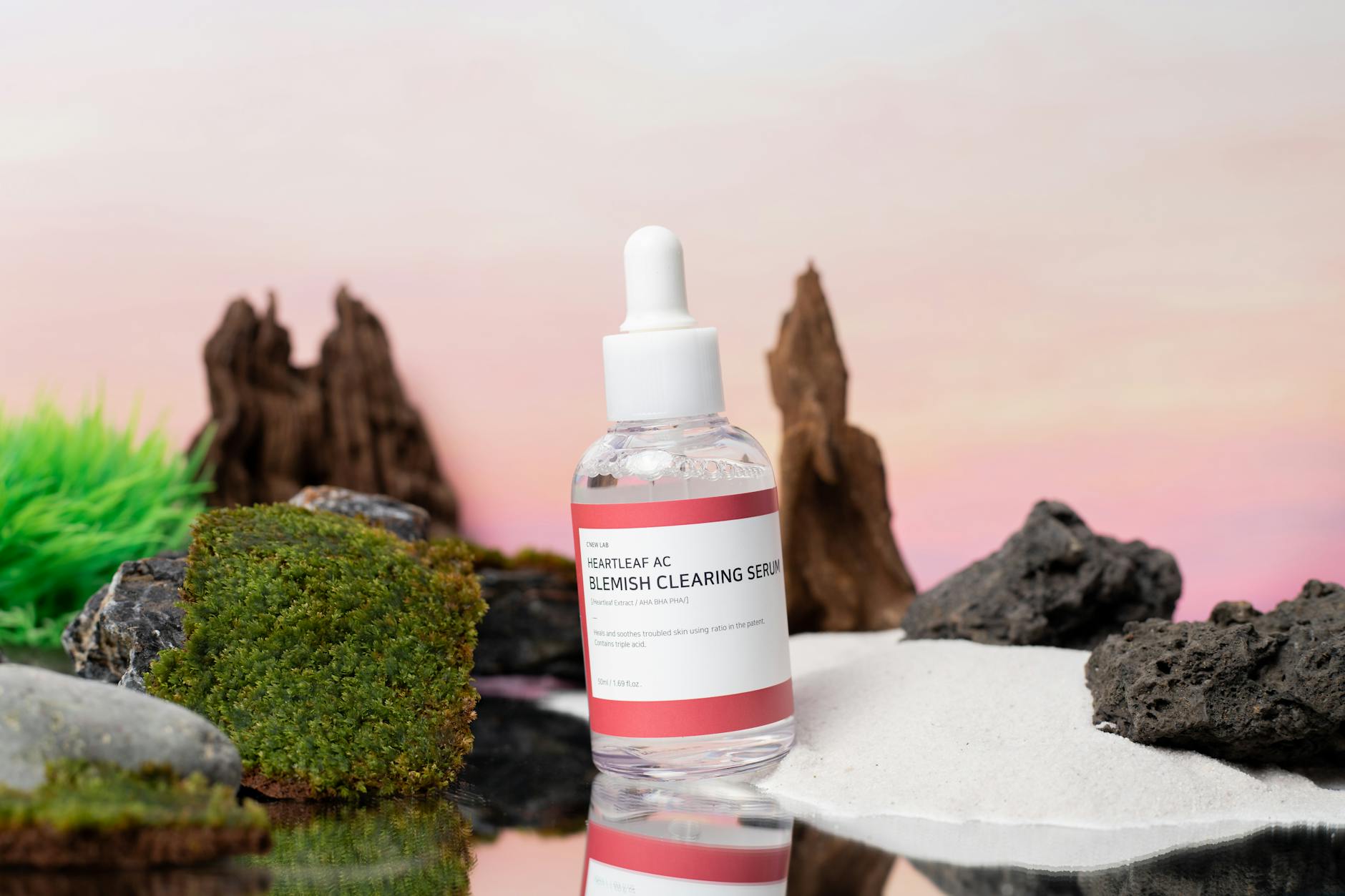
What AHA Does for Your Skin (And Why Start Slowly)

Alpha hydroxy acids work by gently dissolving the bonds between dead skin cells on your skin's surface. This natural exfoliation process reveals the fresh, healthy skin underneath, giving you a noticeably smoother and brighter complexion within weeks of consistent use.
“Starting slowly with AHA prevents the irritation that scares people away from this proven skin-improving ingredient.”
Regular AHA use reduces fine lines by encouraging faster cell turnover and improving overall skin texture. You'll notice rough patches becoming smoother and dullness giving way to a healthy glow. Many users also see improvements in pore appearance and minor discoloration.
However, rushing into daily AHA use often backfires. Your skin needs time to adjust to increased exfoliation, and jumping straight to frequent applications can cause redness, burning, or peeling that might worry you about permanent damage. The good news is that proper irritation from gradual AHA introduction is temporary and reversible.
Starting with once or twice weekly applications allows your skin to build tolerance while still delivering benefits. This patient approach prevents the setbacks that come from overeager use and keeps you moving steadily toward your clear skin goals.
Step 1: Choose Your First AHA Product

Your first AHA product should feel gentle, not like sandpaper on your face. Start with a concentration between 5-10% to minimize irritation while still seeing results. Products stronger than this can cause redness and peeling that might worry you about permanent damage, but starting low reduces this risk significantly.
“Lactic acid is the gentlest AHA for beginners because it has larger molecules that penetrate skin more slowly.”
Choose lactic acid over glycolic acid for your first product. Lactic acid works more gradually and causes less stinging, making it perfect for testing how your skin responds. Look for products that list lactic acid in the first five ingredients.
Decide between three product types: serums, toners, or cleansers. Serums offer the most control since you apply them to specific areas. Toners provide gentle all-over treatment. Cleansers rinse off quickly, reducing contact time and irritation potential. Start with whichever format feels most comfortable to you.
Avoid products combining AHA with retinol, vitamin C, or benzoyl peroxide initially. These combinations can overwhelm beginner skin and make it impossible to identify which ingredient causes any irritation. For example, The Ordinary Lactic Acid 5% + HA is an excellent starter serum that contains only gentle ingredients.
Step 2: Patch Test and Prepare Your Skin
Before applying AHA to your entire face, you must perform a patch test to prevent adverse reactions that could worsen your skin concerns. This simple step protects you from potential irritation, redness, or sensitivity reactions that might set back your skincare progress.
Apply a small amount of AHA product behind your ear or on your inner wrist.
Leave the product on for 24-48 hours and watch for redness, burning, or excessive peeling.
If you experience no negative reactions, you can proceed with facial application.
During your patch test period, stop using all other exfoliating products including scrubs, retinoids, and other acids. Your skin needs this break to avoid over-exfoliation when you introduce AHA.
Start building up your skin barrier by applying a gentle, fragrance-free moisturizer twice daily. For example, CeraVe Daily Moisturizing Lotion provides the hydration your skin needs without interfering with the upcoming AHA treatment. This preparation step ensures your skin can handle the new active ingredient effectively.
Step 3: Start Your AHA Routine (Week-by-Week Schedule)
The key to avoiding irritation and potential scarring lies in patience. Your skin needs time to adapt to AHA acids, so rushing this process often backfires with redness, peeling, and setbacks that delay your clear skin goals.
Apply your AHA product only once per week in the evening after cleansing.
Increase to two evenings per week with at least two nights between applications.
Build up to every other night or as your skin tolerates without irritation.
Always apply AHA products in the evening only. These acids make your skin more sun-sensitive, and nighttime application gives your skin hours to recover before UV exposure.
For example, if you start on Sunday night during week one, your next application should be the following Sunday. During weeks three and four, you might use Wednesday and Sunday evenings. Never apply AHA two nights in a row during the building phase.
Watch for warning signs like persistent stinging, excessive dryness, or worsening breakouts. These signal you're moving too fast. Back down to your previous frequency and stay there for an extra week before advancing again.
Step 4: Layer AHA in Your Evening Routine

Proper layering prevents irritation and maximizes AHA effectiveness. Your evening routine creates the perfect environment for chemical exfoliation to work while you sleep.
Remove all makeup, sunscreen, and daily buildup with your regular cleanser.
Use a thin layer on completely dry skin, avoiding the eye area.
This waiting period allows the acid to work at its optimal pH level.
Apply a hydrating serum, then seal with moisturizer to prevent dryness.
Never layer AHA with retinol or vitamin C in the same routine—this combination can cause severe irritation and potential scarring. Instead, alternate these ingredients on different nights. For example, use AHA on Monday, Wednesday, and Friday, then try retinol on Tuesday and Thursday.
Your skin should feel slightly tingly for the first few minutes, but burning or stinging indicates you need to reduce frequency or concentration.
What to Expect and Common Mistakes to Avoid
Your skin will likely experience mild tingling or slight redness during the first few applications—this is completely normal as your skin adjusts to the acid. Don't panic if your skin looks temporarily worse before it improves; this "purging" phase can last 2-4 weeks as AHA brings underlying breakouts to the surface faster.
The biggest mistake beginners make is skipping sunscreen. AHA increases sun sensitivity significantly, and unprotected exposure can cause permanent dark spots or scarring—your exact concern. Apply broad-spectrum SPF 30 minimum every morning, even on cloudy days.
Stop immediately if you experience severe burning, persistent redness lasting more than an hour, or peeling that doesn't resolve within a few days. These signs indicate you're overdoing the concentration or frequency. Scale back to once weekly and gradually rebuild tolerance.
Start slowly, expect temporary worsening, and never skip sunscreen to achieve clear skin safely without permanent damage.
Frequently Asked Questions
What does AHA do for your skin?
Alpha hydroxy acids work by gently dissolving the bonds between dead skin cells on your skin's surface, revealing fresh, healthy skin underneath. This natural exfoliation process gives you a noticeably smoother and brighter complexion within weeks of consistent use. Regular AHA use reduces fine lines by encouraging faster cell turnover and improving overall skin texture, making rough patches smoother and reducing dullness.
What AHA concentration should beginners start with?
Beginners should start with an AHA concentration between 5-10% to minimize irritation while still seeing results. Products stronger than this can cause redness and peeling, so starting low reduces this risk significantly. This gentle approach allows your skin to build tolerance while still delivering benefits.
Which type of AHA is best for beginners?
Lactic acid is the gentlest AHA for beginners because it has larger molecules that penetrate skin more slowly. It works more gradually and causes less stinging compared to glycolic acid, making it perfect for testing how your skin responds. Look for products that list lactic acid in the first five ingredients.
How often should I use AHA when starting out?
When starting with AHA, you should use it once or twice weekly to allow your skin to build tolerance. Starting slowly prevents the irritation that can occur from rushing into daily use, which often causes redness, burning, or peeling. This patient approach prevents setbacks and keeps you moving steadily toward your skincare goals.
How do I patch test AHA products?
Apply a small amount of AHA product behind your ear or on your inner wrist and leave it on for 24-48 hours. Watch for any signs of redness, burning, or excessive peeling during this period. If you experience no negative reactions, you can proceed with applying the product to your face.
Disclaimer: This content is for informational purposes only and does not constitute medical advice. Always consult a qualified healthcare provider before making health decisions.