Quick Verdict: BHA vs Retinol for Acne

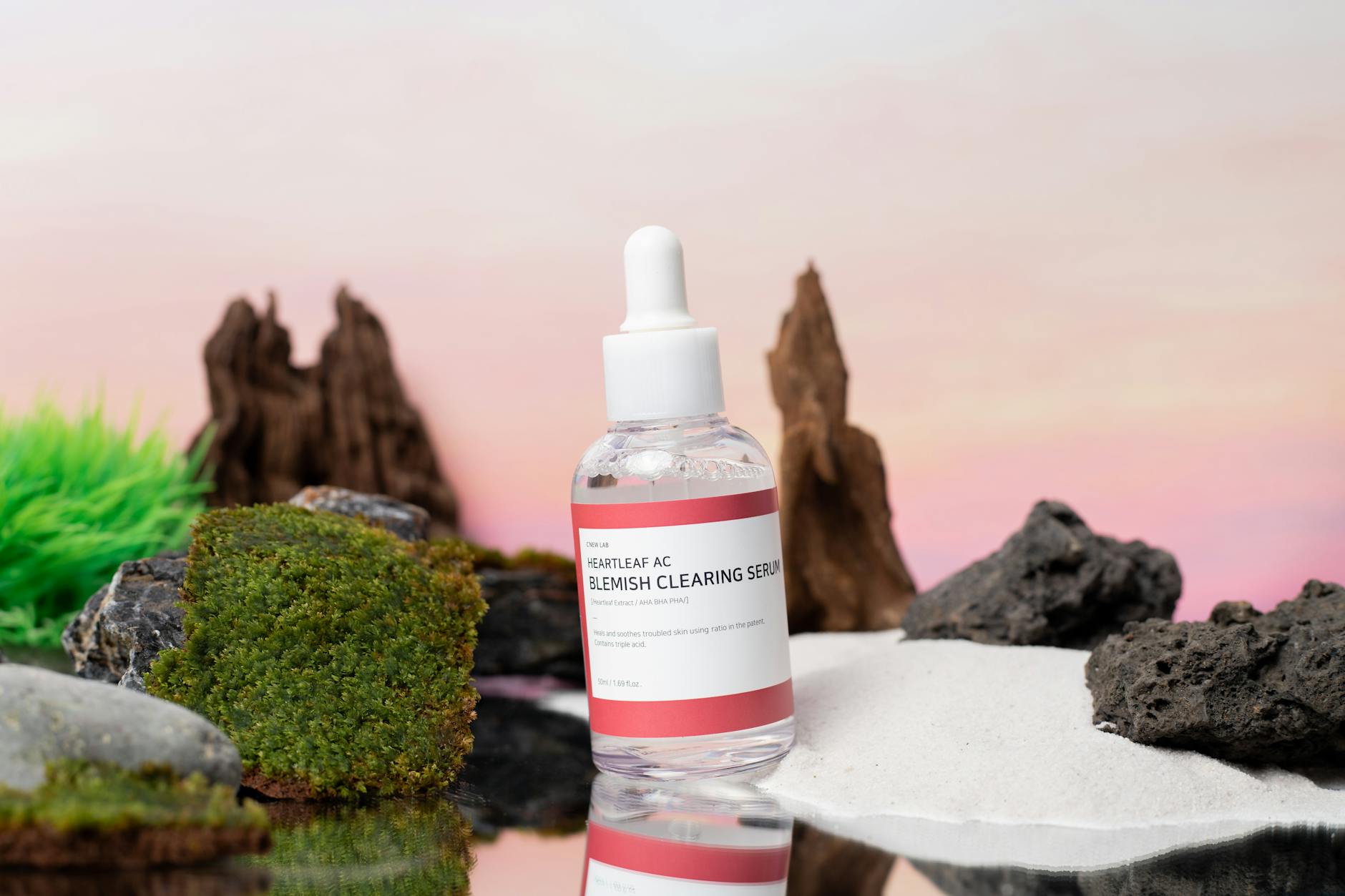
BHA works like a skilled janitor, diving deep into your pores to clear out oil and dead skin cells immediately. This beta hydroxy acid excels at treating active breakouts and blackheads right now. Retinol acts more like a long-term renovator, speeding up cell turnover to prevent future breakouts and smooth skin texture over time.
“BHA treats what's happening today, while retinol prevents tomorrow's breakouts.”
For immediate results and surface-level acne, BHA wins the speed contest. However, retinol provides superior long-term benefits for overall skin health and acne prevention. The good news? You don't have to choose just one. These ingredients can work together when used properly—BHA in the morning and retinol at night.
Understanding which one addresses your current skin concerns helps you avoid the frustration of trying treatments that don't match your needs, reducing the risk of prolonged breakouts that could lead to scarring.
How BHA and Retinol Fight Acne Differently
Understanding how these ingredients work helps explain why your skin responds differently to each treatment. BHA (beta-hydroxy acid) functions as a surface warrior, penetrating directly into your pores to dissolve the oil and dead skin cells that create blockages. Think of it as a deep-cleaning agent that can slip through oil to reach the root of blackheads and whiteheads.
“BHA works from the outside in, while retinol rebuilds your skin from the inside out.”
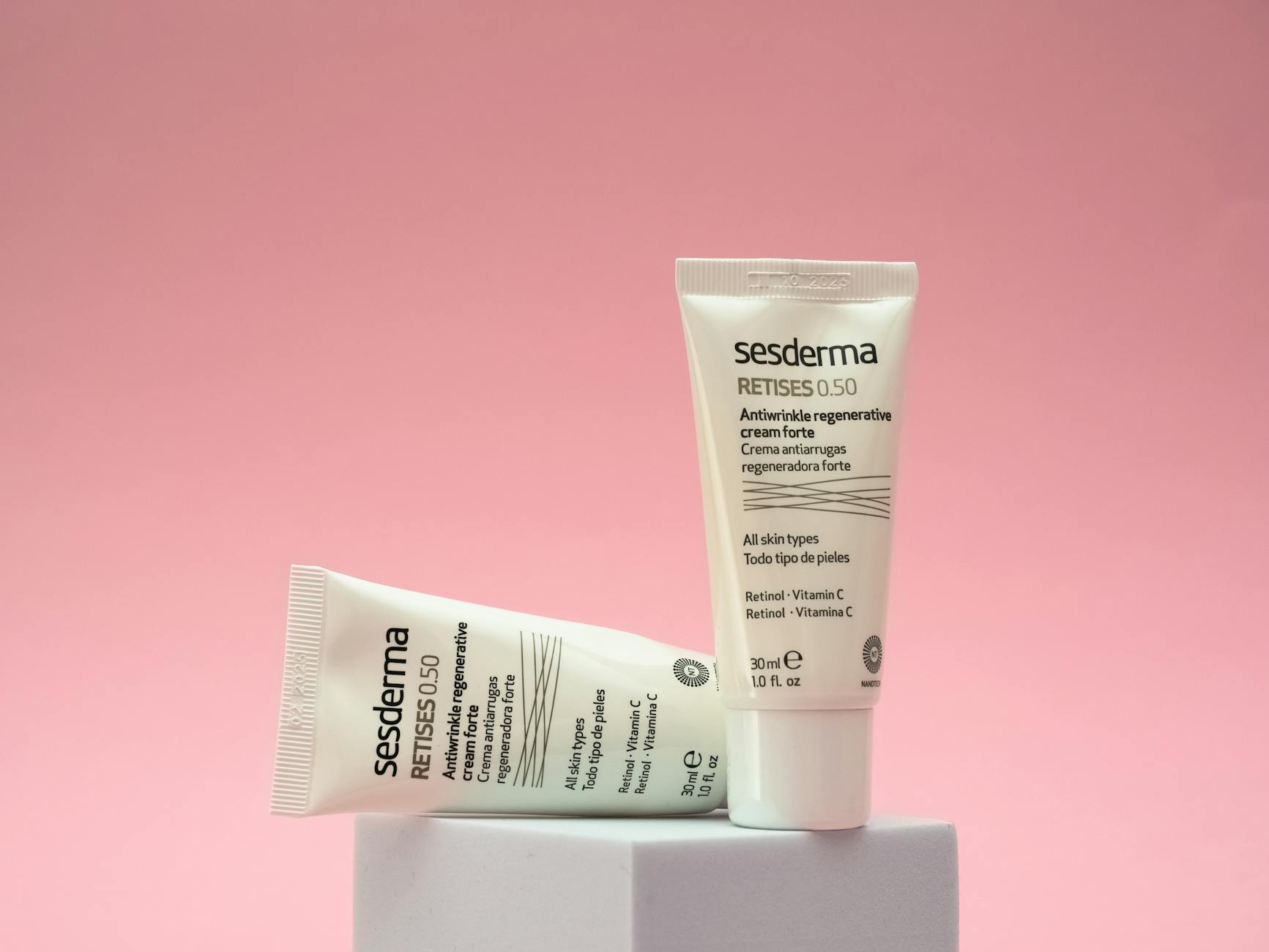
Retinol takes a completely different approach. Instead of targeting surface debris, it works in your skin's deeper layers to speed up cell renewal. When you apply retinol, it signals your skin to produce fresh cells faster and shed old ones more efficiently. This process prevents dead cells from accumulating and clogging pores in the first place.
The timeline for results reflects these different mechanisms. BHA often shows visible improvements within days because it immediately unclogs existing blockages. You might notice fewer blackheads and less surface oil within the first week. Retinol requires patience—most people see meaningful changes after 6-12 weeks of consistent use.
For those worried about scarring, both ingredients help prevent the deep, inflamed breakouts that typically leave marks. BHA stops problems at the surface before they become inflamed cysts. Retinol's cell-renewal process helps fade existing dark spots while preventing new blemishes from forming.
Consider this example: if your skin were a garden, BHA would be like removing weeds that are already growing, while retinol would be like improving the soil quality to prevent weeds from taking root. Both approaches work, but they target different stages of the acne formation process, which explains why many dermatologists recommend using both ingredients together in a comprehensive routine.
BHA vs Retinol: Complete Comparison

Choosing between BHA and retinol requires understanding how they stack up across critical factors that matter for your skin journey. This head-to-head comparison reveals which treatment aligns better with your specific needs and timeline.
Speed separates these treatments significantly. BHA delivers visible improvements within two to four weeks, making it ideal when social events or important occasions approach. Retinol requires patience, often taking six to twelve weeks before dramatic changes appear, but delivers more comprehensive skin transformation over time.
Acne type compatibility varies between treatments. BHA excels against blackheads, whiteheads, and surface-level breakouts thanks to its oil-soluble nature that penetrates pores directly. Retinol tackles deeper cystic acne more effectively while simultaneously preventing the scarring that causes long-term skin concerns and social anxiety.
Side effect profiles differ substantially. BHA typically causes mild dryness and occasional peeling during the first week, then stabilizes quickly. Retinol creates more intense initial reactions including redness, flaking, and photosensitivity that can last several weeks but diminish with consistent use.
Cost and accessibility favor BHA products, which range from fifteen to fifty dollars and require no prescription. Prescription retinoids cost more initially but often prove more economical long-term due to their potency and comprehensive benefits. Over-the-counter retinol products bridge this gap, offering moderate effectiveness at drugstore prices.
Who Should Choose BHA for Acne
BHA works best for people with oily, acne-prone skin who struggle with blackheads and stubborn clogged pores. If you constantly battle shine and feel like your pores are magnets for dirt and oil, BHA's oil-soluble properties make it your ideal match. It cuts through sebum and unclogs pores more effectively than water-based treatments.
Choose BHA if you've tried retinoids before and experienced irritation, redness, or peeling that made you stop treatment. Many people with sensitive skin tolerate BHA better than retinol, especially when starting with lower concentrations like 0.5% salicylic acid.
BHA delivers faster initial results than retinol, making it perfect if you need quick improvement for an upcoming event or simply can't wait months to see changes. You'll typically notice clearer pores and reduced blackheads within two to four weeks, while retinol often takes eight to twelve weeks for visible improvement.
Budget-conscious users benefit from BHA's affordability and accessibility. Quality BHA products cost significantly less than prescription retinoids, and you can find effective options at drugstores. For example, CeraVe's SA Cleanser provides daily BHA treatment for under $10.
BHA also suits people who worry about permanent scarring because it prevents new breakouts from forming while being gentler on existing blemishes than some retinoid formulations.
Who Should Choose Retinol for Acne
Retinol becomes the clear winner for certain acne sufferers who need more than just surface-level treatment. Adults dealing with persistent comedonal acne—those stubborn blackheads and whiteheads that refuse to budge—often find retinol's deeper cellular action delivers results where other treatments fail.
The ideal retinol candidate faces adult acne combined with early signs of aging. Picture someone in their late twenties or thirties battling both breakouts and fine lines. Retinol tackles both concerns simultaneously by accelerating cell turnover and boosting collagen production, making it a smart dual-purpose choice.
Patience becomes crucial here. Retinol demands a 4-6 week adjustment period where skin may worsen before improving—a process called "purging." Those who can weather initial irritation, dryness, and temporary breakouts often see dramatic long-term improvements.
Your long-term skin health goals matter too. While BHA provides quick fixes, retinol rebuilds skin architecture from within. This prevents future scarring by keeping pores clear and strengthening skin structure over time.
Consider retinol if you can use it consistently for months, follow proper sun protection protocols, and want comprehensive skin improvement beyond just acne control. Those seeking immediate results or dealing with severe inflammatory acne should explore other options first.
Using BHA and Retinol Together Safely

Many people wonder if they can combine BHA and retinol for faster results. The answer is yes, but timing matters more than anything else. These two powerhouses can work beautifully together when you respect their individual strengths and avoid overwhelming your skin.
Start with one ingredient first and master it before introducing the second. Choose either BHA or retinol based on your primary concern, then use it consistently for 4-6 weeks. This approach helps you identify which ingredient works best for your skin while building tolerance gradually.
Use BHA on Monday, Wednesday, Friday and retinol on Tuesday, Thursday, Saturday.
Watch for excessive dryness, persistent redness, or flaking that lasts more than a few days.
Reduce to every other night for both ingredients if irritation develops.
Signs of over-exfoliation include tight, shiny skin that feels raw to touch, increased sensitivity to products that never bothered you before, and breakouts that seem worse rather than better. These symptoms mean you need to scale back immediately and focus on gentle repair.
When done correctly, BHA clears current breakouts while retinol prevents new ones from forming. BHA works on the surface to unclog pores, while retinol speeds cell turnover deeper in the skin. This combination addresses acne from multiple angles without creating the irritation that leads to scarring.
For example, you might use a 2% salicylic acid treatment on Monday evening, followed by a gentle retinol serum on Tuesday. Always apply both to clean, dry skin and follow with a moisturizer to maintain your skin barrier. Never use them during the same routine, as this increases irritation risk significantly.
Final Recommendation: Your Acne Treatment Strategy
Your skin type determines your starting point. Sensitive skin responds better to retinol's gentler approach, while oily, resilient skin can handle BHA's immediate exfoliation. Most people see faster initial results with BHA, but retinol delivers longer-term benefits that prevent scarring and reduce the social embarrassment that comes with persistent breakouts.
Choose BHA for immediate blackhead removal or retinol for long-term acne prevention.
Give your chosen treatment time to show results before adding complexity.
Track improvements and side effects to determine if you need professional guidance.
See a dermatologist if you experience severe irritation, no improvement after three months, or cystic acne that could lead to permanent scarring. Professional guidance becomes essential when over-the-counter treatments fail to control breakouts or when combining multiple active ingredients.
Remember that both ingredients require patience. Your skin needs time to adjust and show improvements, but consistent use leads to clearer skin and prevents future acne flares.
Start with one proven ingredient, use it consistently for at least 6-8 weeks, and seek professional help for persistent or severe acne.
Frequently Asked Questions
What's the difference between BHA and retinol for acne?
BHA works like a skilled janitor, diving deep into your pores to clear out oil and dead skin cells immediately, making it excellent for treating active breakouts and blackheads right now. Retinol acts more like a long-term renovator, speeding up cell turnover to prevent future breakouts and smooth skin texture over time. BHA treats what's happening today, while retinol prevents tomorrow's breakouts.
How long does it take to see results from BHA vs retinol?
BHA often shows visible improvements within days to 2-4 weeks because it immediately unclogs existing blockages, with fewer blackheads and less surface oil noticeable within the first week. Retinol requires more patience, with most people seeing meaningful changes after 6-12 weeks of consistent use. The timeline difference reflects their different mechanisms of action.
Can I use BHA and retinol together?
Yes, you don't have to choose just one as these ingredients can work together when used properly. The recommended approach is using BHA in the morning and retinol at night. Many dermatologists recommend using both ingredients together in a comprehensive routine since they target different stages of the acne formation process.
Which is better for blackheads - BHA or retinol?
BHA is better for treating existing blackheads because it functions as a surface warrior, penetrating directly into your pores to dissolve the oil and dead skin cells that create blockages. It can slip through oil to reach the root of blackheads and whiteheads, showing results within days. Retinol works more to prevent future blackheads by speeding up cell renewal in deeper skin layers.
Do BHA and retinol help prevent acne scarring?
Yes, both ingredients help prevent the deep, inflamed breakouts that typically leave marks and scarring. BHA stops problems at the surface before they become inflamed cysts, while retinol's cell-renewal process helps fade existing dark spots while preventing new blemishes from forming. Understanding which one addresses your current skin concerns helps avoid prolonged breakouts that could lead to scarring.
Disclaimer: This content is for informational purposes only and does not constitute medical advice. Always consult a qualified healthcare provider before making health decisions.