What Is Dry Brushing and How Does It Work

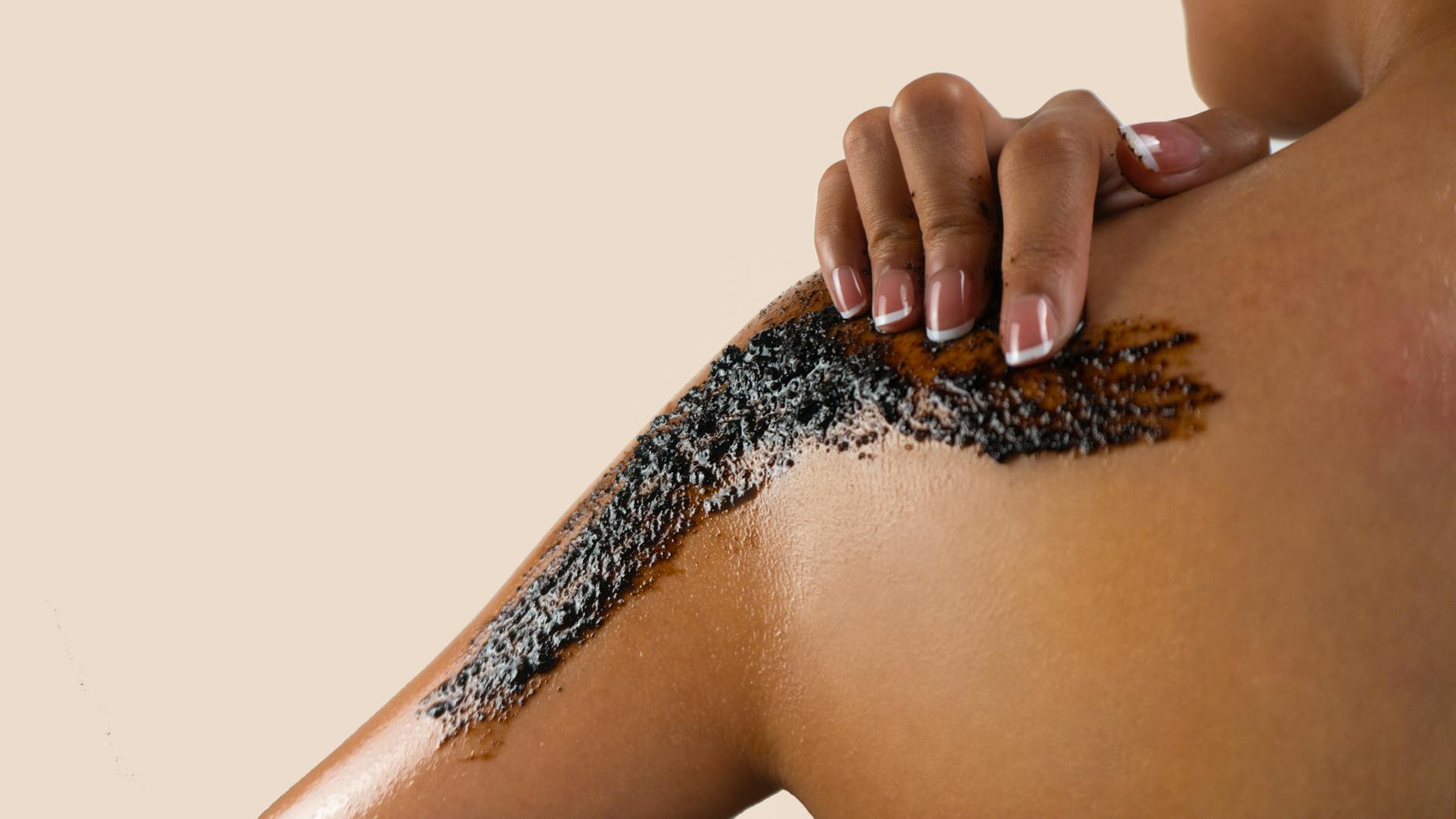
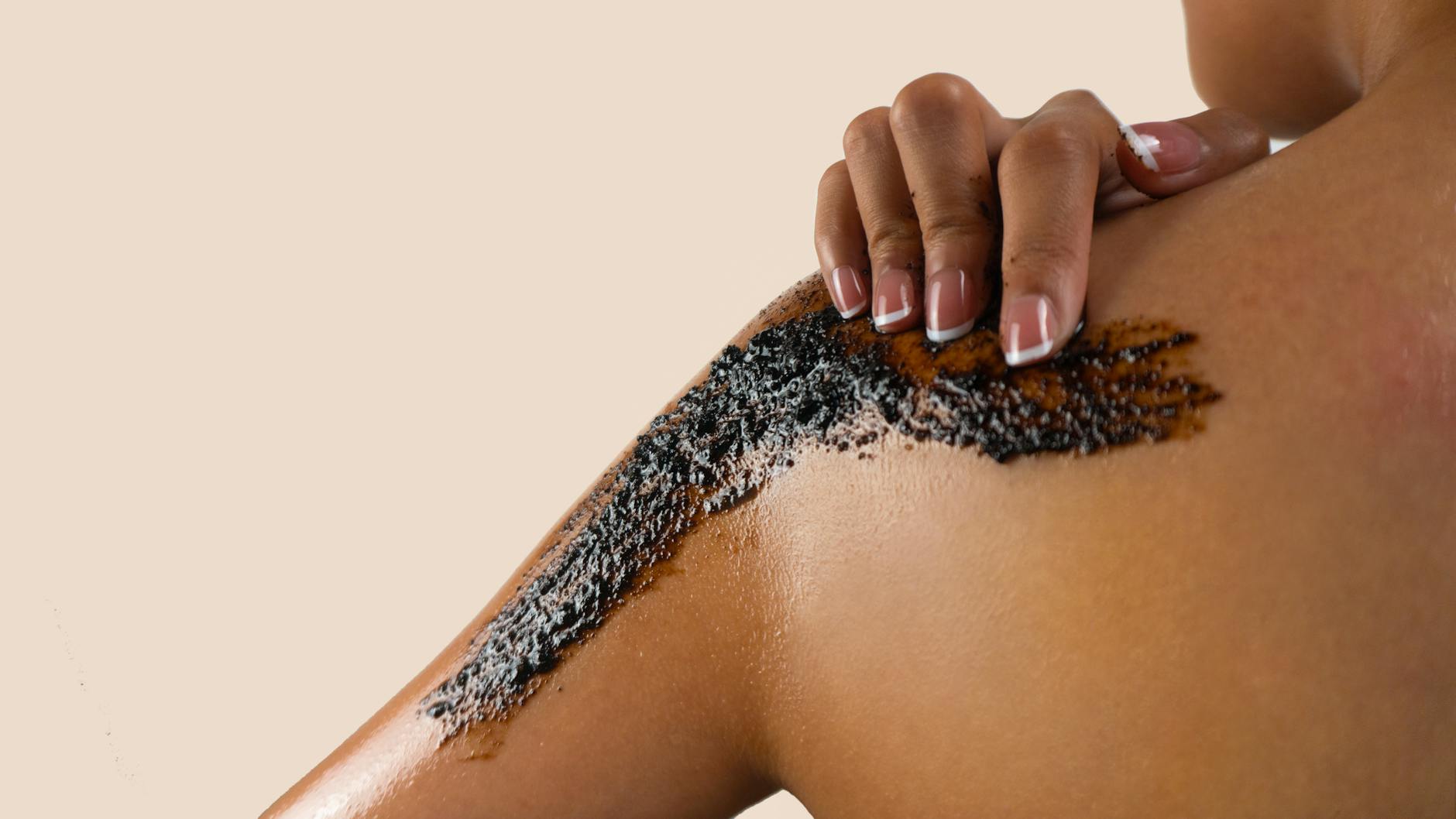
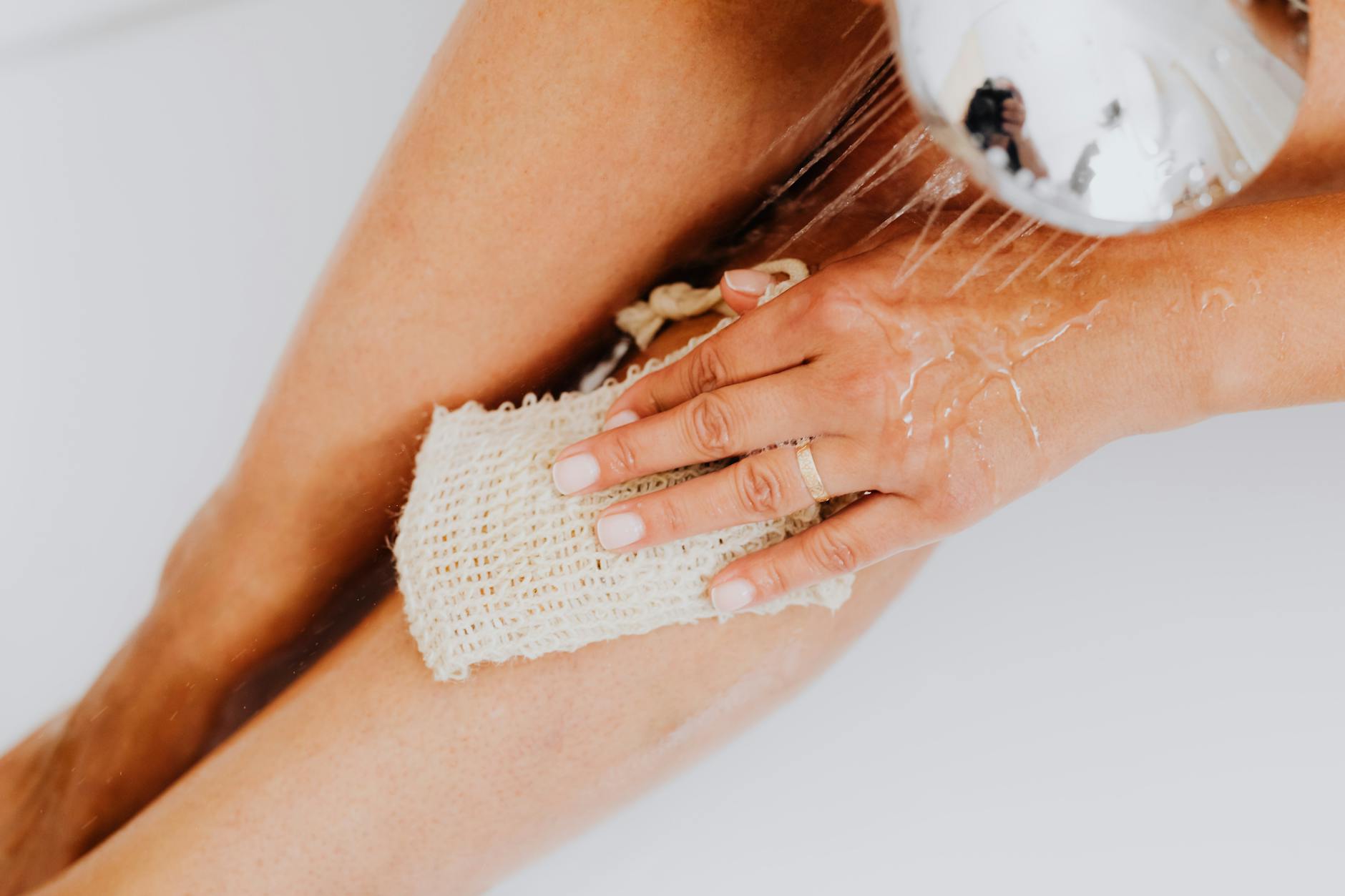
Dry brushing is a simple exfoliation technique that uses a natural bristle brush to gently sweep away dead skin cells from your body. Unlike wet exfoliation methods, this process works exclusively on completely dry skin before you shower or bathe.
"The key to effective dry brushing lies in the natural friction created between firm bristles and your skin's surface."
The brush's firm bristles physically remove the top layer of dead skin cells that can clog pores and create rough, uneven texture. This mechanical exfoliation helps prevent the buildup that often leads to bumps, ingrown hairs, and other skin concerns that worry many people about their appearance.
You'll brush your entire body systematically, covering your arms, legs, torso, and back using long, upward strokes toward your heart. This method maximizes circulation while ensuring thorough coverage across all major body areas for consistent results.
Choosing the Right Body Brush

Selecting the proper body brush prevents skin irritation while maximizing benefits. Natural bristles, typically made from boar hair or plant fibers, offer gentler exfoliation than synthetic alternatives that can cause micro-tears in sensitive skin.
“The right brush firmness protects your skin barrier while still providing effective exfoliation.”
Start with soft or medium bristles if you have sensitive skin or are new to dry brushing. Firm bristles work better for thicker skin areas like feet and elbows. Long handles help you reach your back comfortably, preventing awkward stretching that could lead to inconsistent technique.
Quality brushes range from $15 to $50. Invest in durable construction with secure bristle attachment to avoid shedding that might clog pores or irritate already compromised skin.
Step-by-Step Dry Brushing Technique
Mastering proper dry brushing technique ensures you maximize benefits while protecting your skin from irritation or damage. The key lies in following lymphatic flow patterns and using consistent pressure throughout your body.
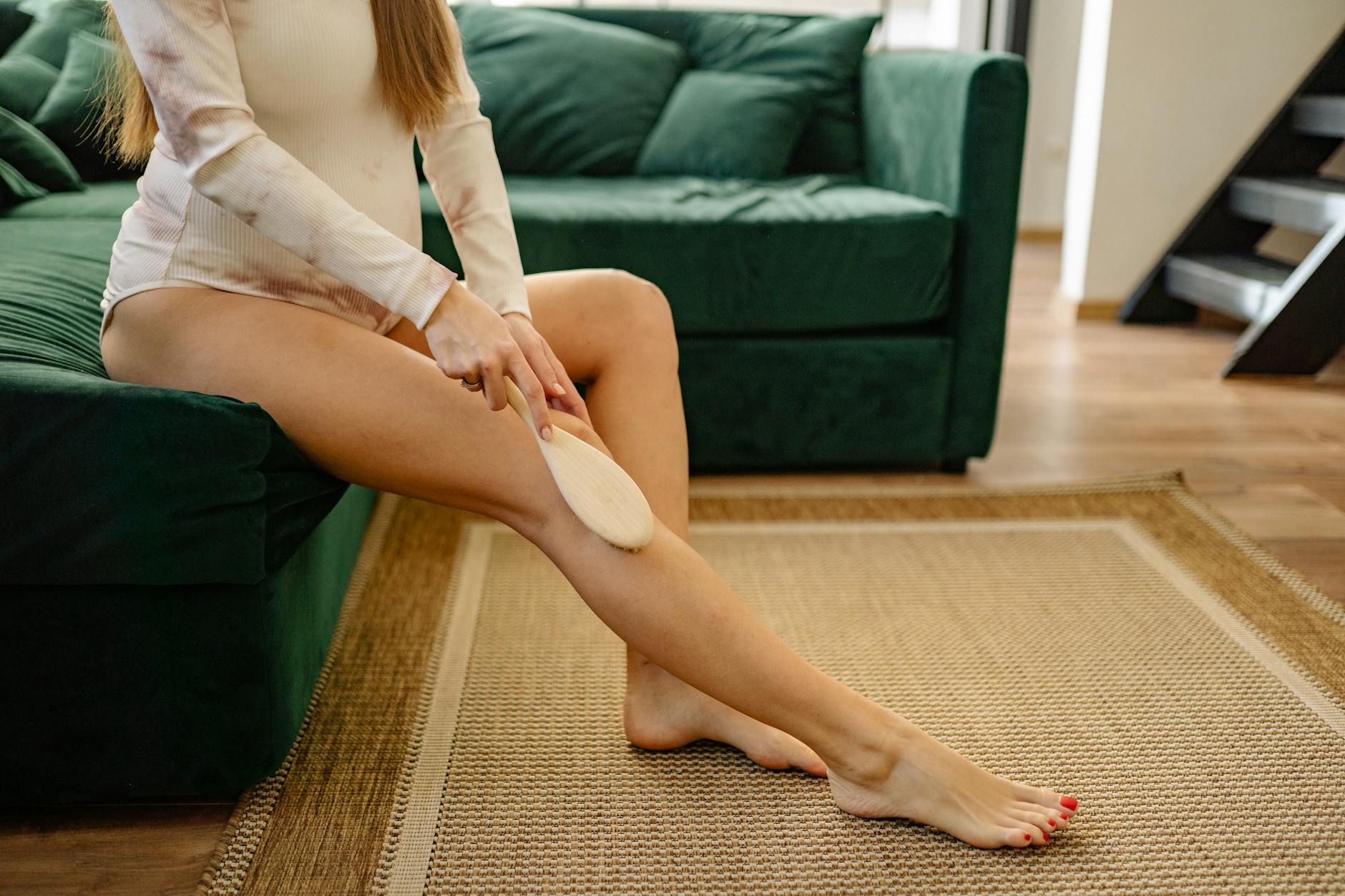
Start with the soles of your feet using circular motions, then brush upward along your legs toward your heart.
Brush from your hands toward your shoulders, then work on your torso with upward strokes toward your chest.
Use light pressure throughout, spending about 30 seconds per body area for a total session of 3-5 minutes.
Apply firm but gentle pressure - your skin should feel stimulated, not painful or red. This approach helps prevent skin irritation that could worsen existing concerns. Brush 3-4 times weekly, always on dry skin before showering. For example, brush your legs using long strokes from ankle to thigh, overlapping each stroke slightly for complete coverage.
Benefits and Realistic Expectations
Dry brushing delivers immediate but temporary skin smoothness by removing dead skin cells from the surface. Your skin will feel softer right after brushing, though this effect fades within hours. Regular practice over weeks can improve overall texture and tone by encouraging healthy cell turnover.
Don't expect dry brushing to eliminate cellulite, acne scars, or stretch marks permanently. While it may temporarily reduce the appearance of bumpy skin through improved circulation, these structural changes require different treatments. The technique won't cause scarring when performed gently, addressing common fears about skin damage.
Most people notice improved skin texture within two to four weeks of consistent daily brushing. However, dramatic changes take months of regular practice combined with proper moisturizing and overall skin care habits.
Safety Tips and Who Should Avoid Dry Brushing

Dry brushing requires careful attention to avoid skin damage that could worsen your skin concerns or cause scarring. Watch for redness that persists more than 30 minutes after brushing—this signals you're pressing too hard or using too many strokes.
Skip dry brushing entirely if you have active acne, eczema, psoriasis, or open wounds. The friction can spread bacteria and inflame sensitive skin conditions. People with diabetes should also avoid dry brushing due to slower healing times.
Clean your brush weekly with gentle soap and water, then air dry completely. Replace natural bristle brushes every 6-12 months when they become too soft or show wear patterns.
Incorporating Dry Brushing Into Your Routine
Dry brush before showering to remove dead skin cells and energize your body for the day.
Use a gentle, fragrance-free moisturizer on damp skin right after showering to lock in hydration.
Start with twice weekly sessions using light pressure to avoid irritation or skin damage.
Consistency matters more than intensity when building this habit. Set your brush next to your toothbrush as a visual reminder. Your skin needs time to adapt, so resist the urge to brush daily immediately.
Start with gentle, twice-weekly sessions before showering, then moisturize immediately to build a sustainable routine without skin irritation.
Frequently Asked Questions
What is dry brushing and how does it work?
Dry brushing is a simple exfoliation technique that uses a natural bristle brush to gently sweep away dead skin cells from your body on completely dry skin before showering. The brush's firm bristles physically remove the top layer of dead skin cells through natural friction, which helps prevent buildup that can lead to clogged pores, bumps, and ingrown hairs. You systematically brush your entire body using long, upward strokes toward your heart to maximize circulation and ensure thorough coverage.
What type of brush should I use for dry brushing?
Natural bristles made from boar hair or plant fibers are best as they offer gentler exfoliation than synthetic alternatives that can cause micro-tears in sensitive skin. Start with soft or medium bristles if you have sensitive skin or are new to dry brushing, while firm bristles work better for thicker skin areas like feet and elbows. Look for brushes with long handles to help you reach your back comfortably and invest in quality construction with secure bristle attachment to avoid shedding.
How often should I dry brush my skin?
You should dry brush 3-4 times weekly, always on completely dry skin before showering or bathing. Each session should last about 3-5 minutes total, spending approximately 30 seconds per body area. Use firm but gentle pressure throughout - your skin should feel stimulated, not painful or red, to prevent irritation.
What are the benefits of dry brushing?
Dry brushing delivers immediate but temporary skin smoothness by removing dead skin cells from the surface, making your skin feel softer right after brushing. Regular practice over weeks can improve overall texture and tone by encouraging healthy cell turnover and maximizing circulation. However, it's important to have realistic expectations as dry brushing cannot permanently eliminate cellulite, acne scars, or stretch marks, though it may temporarily reduce the appearance of bumpy skin.
What is the proper dry brushing technique?
Start at your feet using circular motions on the soles, then brush upward along your legs toward your heart following lymphatic flow patterns. Move to your arms by brushing from your hands toward your shoulders, then work on your torso with upward strokes toward your chest. Use consistent, firm but gentle pressure throughout, overlapping each stroke slightly for complete coverage while maintaining upward movements toward your heart.
Disclaimer: This content is for informational purposes only and does not constitute medical advice. Always consult a qualified healthcare provider before making health decisions.