What Are Body Chemical Exfoliants

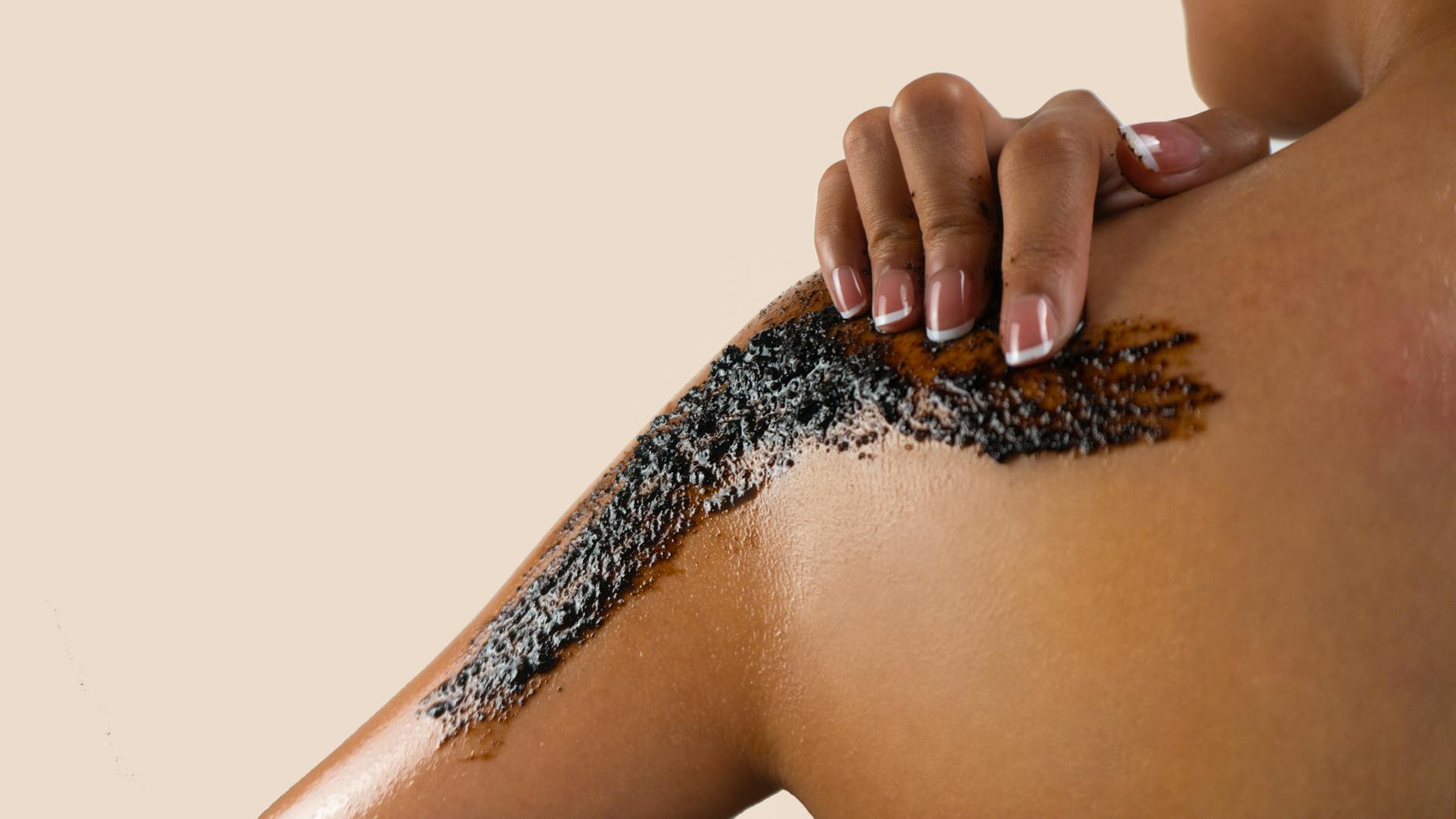
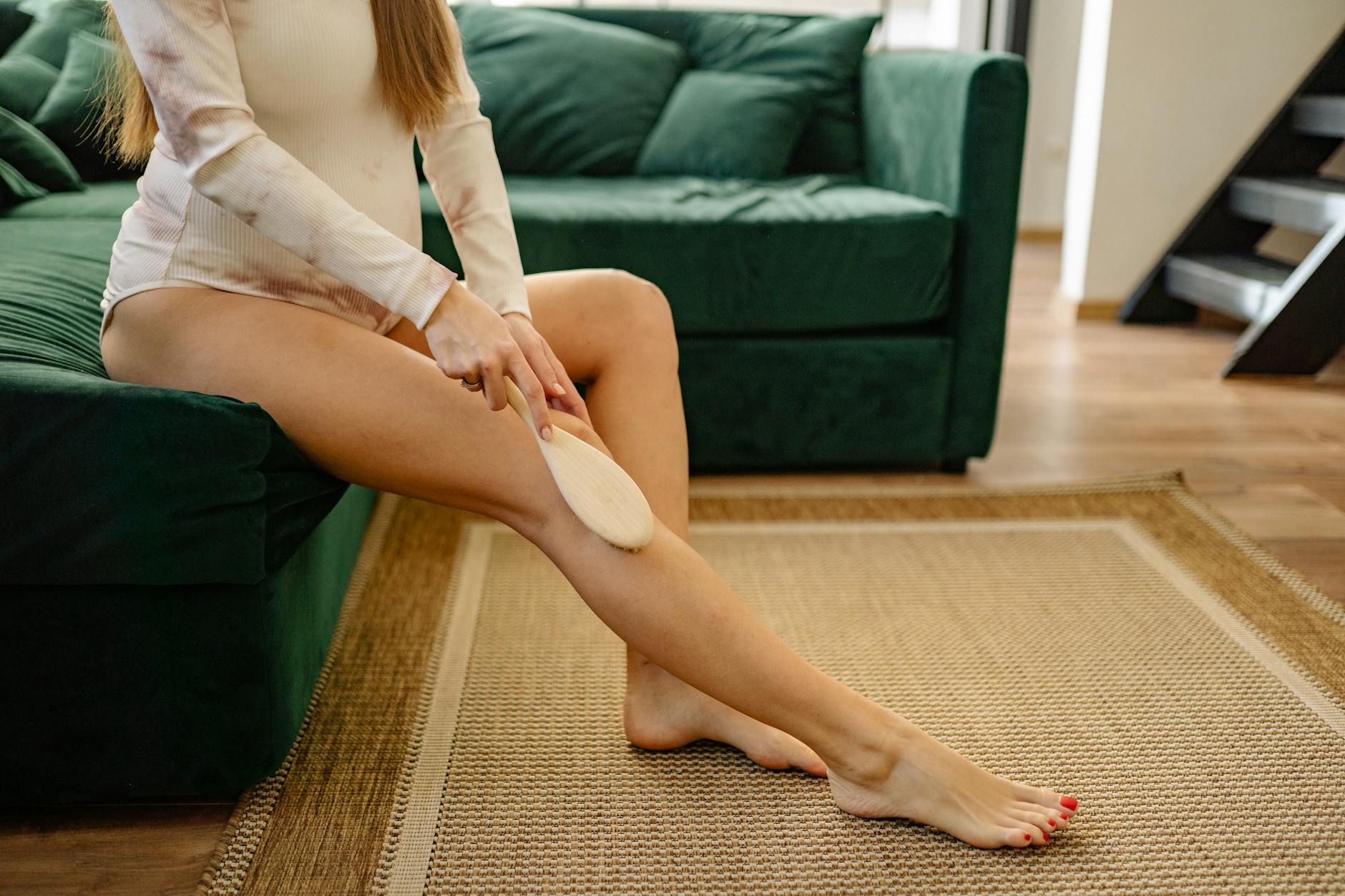
Chemical exfoliants work by using acids to dissolve dead skin cells, unlike physical exfoliants that manually scrub them away with particles or tools. Instead of relying on friction that can cause irritation and potentially lead to scarring, chemical exfoliants break down the bonds holding dead cells to your skin's surface.
“Body skin is typically thicker and less sensitive than facial skin, making it ideal for stronger chemical exfoliant formulations.”
Your body skin differs significantly from facial skin in several ways. It's generally thicker, produces less oil, and can tolerate higher concentrations of active ingredients. The skin on your back, chest, and arms also has larger pores and different patterns of oil production, which explains why breakouts appear differently on your body.
Chemical exfoliants excel at treating large surface areas efficiently. Rather than spending extensive time manually scrubbing every inch of affected skin, you can apply a chemical exfoliant to your entire back or chest in minutes. This approach helps prevent the uneven application that often occurs with physical scrubs, reducing your risk of irritation while ensuring consistent results across all treated areas.
AHA vs BHA: Which Is Right for Your Body

Alpha hydroxy acids (AHAs) and beta hydroxy acids (BHAs) work through completely different mechanisms on your body skin. Understanding these differences helps you choose the right exfoliant for your specific concerns.
AHAs like glycolic and lactic acid dissolve the bonds between dead skin cells on the surface. They excel at smoothing rough patches, improving texture, and addressing keratosis pilaris—those bumpy areas on your arms and thighs. AHAs also help with surface-level discoloration and can make body skin feel noticeably smoother within weeks of consistent use.
“BHA penetrates oil-filled pores while AHA works on the surface, making your choice depend entirely on whether you're dealing with bumps or blackheads.”
BHA, specifically salicylic acid, cuts through oil and penetrates deeper into pores. This makes it superior for body acne, chest breakouts, and back blemishes. BHA reduces inflammation and prevents the clogged pores that lead to those painful bumps that can leave marks if picked at.
For example, if you struggle with chest acne and blackheads, choose BHA. If your main concern is rough, bumpy skin on your arms, AHA will deliver better results. Many people benefit from using both acids on different areas of their body.
How to Apply Chemical Exfoliants to Your Body
Proper application technique prevents irritation and ensures even coverage across larger body areas. Start with clean, dry skin and work systematically to avoid missing spots or over-treating sensitive areas.
Shower with lukewarm water and pat skin completely dry before applying any chemical exfoliant.
Work on one body area at a time, using circular motions with a cotton pad or clean hands.
Allow the product to absorb for 10-15 minutes before applying moisturizer or other products.
Start with application twice weekly for the first month. Your skin needs time to build tolerance, and rushing this process can lead to redness or peeling that takes weeks to heal. Once your body adjusts, you can increase to every other day.
Avoid applying chemical exfoliants to recently shaved areas, open cuts, or active breakouts. The chest, back, and arms typically handle stronger concentrations well, while areas like the neck and inner arms require gentler formulations.
For example, use a 10% AHA body lotion on your legs and back, but switch to a 5% concentration for your chest and arms. Skip the underarm area entirely for 24 hours after shaving.
Always apply broad-spectrum SPF 30 or higher to treated areas the next day. Chemical exfoliants increase sun sensitivity, making your skin more prone to dark spots and uneven pigmentation without proper protection.
Safety Tips and Common Mistakes

Before applying any chemical exfoliant to your body, test a small amount on your inner wrist or behind your ear. Wait 24-48 hours to check for redness, burning, or irritation. This patch test can prevent widespread reactions that could leave marks on larger areas of your body.
Chemical exfoliants make your skin significantly more sensitive to UV damage. Apply broad-spectrum SPF 30 sunscreen daily, even on cloudy days, and cover treated areas when possible. Sun exposure on freshly exfoliated skin can cause dark spots or permanent discoloration.
Many people apply too much product or use it too frequently. Start with once or twice weekly applications using a thin layer. Your skin should feel smooth, not raw or stinging. Never layer different acids together or combine with retinoids without dermatologist guidance.
Stop using the product immediately if you experience persistent burning, swelling, or deep redness that lasts more than an hour after application. These signs indicate overexfoliation, which can damage your skin barrier and delay healing. Resume with a gentler concentration once your skin completely recovers.
Building Your Body Chemical Exfoliant Routine
Starting your body chemical exfoliant routine requires patience and gradual introduction. Begin with once-weekly applications to test your skin's tolerance. Many people rush into daily use and experience irritation that could have been easily prevented.
Use your chosen AHA or BHA product once weekly for the first two weeks.
Use after showering on completely dry skin, avoiding any cuts or irritated areas.
Wait 10-15 minutes, then apply a gentle, fragrance-free body moisturizer.
After two weeks of tolerance, increase to twice weekly, then eventually every other day.
Always moisturize after chemical exfoliation. Your skin barrier needs support as it renews itself. Choose products without fragrances or harsh ingredients that might cause reactions.
For long-term maintenance, most people find success with 2-3 applications per week. This prevents the buildup of dead skin cells without over-exfoliating your body's delicate skin barrier.
Start slowly with weekly applications and always follow chemical exfoliants with moisturizer to maintain healthy skin.
Frequently Asked Questions
What are chemical exfoliants and how do they work?
Chemical exfoliants work by using acids to dissolve dead skin cells, unlike physical exfoliants that manually scrub them away with particles or tools. Instead of relying on friction that can cause irritation and potentially lead to scarring, chemical exfoliants break down the bonds holding dead cells to your skin's surface. They excel at treating large surface areas efficiently, allowing you to apply the product to your entire back or chest in minutes.
What's the difference between AHA and BHA for body care?
AHAs like glycolic and lactic acid dissolve bonds between dead skin cells on the surface and excel at smoothing rough patches, improving texture, and addressing keratosis pilaris. BHA, specifically salicylic acid, cuts through oil and penetrates deeper into pores, making it superior for body acne, chest breakouts, and back blemishes. BHA penetrates oil-filled pores while AHA works on the surface, so your choice depends on whether you're dealing with bumps or blackheads.
Can I use stronger chemical exfoliants on my body than my face?
Yes, body skin is typically thicker and less sensitive than facial skin, making it ideal for stronger chemical exfoliant formulations. Your body skin differs significantly from facial skin as it's generally thicker, produces less oil, and can tolerate higher concentrations of active ingredients. The maximum safe concentrations are 10% for AHA and 2% for BHA on body skin.
How should I apply chemical exfoliants to my body?
Start with clean, dry skin by showering with lukewarm water and patting skin completely dry before applying any chemical exfoliant. Work on one body area at a time, using circular motions with a cotton pad or clean hands to ensure even coverage. This systematic approach helps avoid missing spots or over-treating sensitive areas while preventing the uneven application that often occurs with physical scrubs.
How long does it take to see results from body chemical exfoliants?
You can expect to see results from consistent use of body chemical exfoliants within 4-6 weeks. AHAs can make body skin feel noticeably smoother within weeks of consistent use, particularly for addressing rough patches and improving overall texture. The key is maintaining a regular application routine to achieve and maintain the desired results.
Disclaimer: This content is for informational purposes only and does not constitute medical advice. Always consult a qualified healthcare provider before making health decisions.