Why Back Acne Requires Special Exfoliation

Your back presents unique challenges that make standard facial skincare routines completely inadequate. The sheer size of this area means breakouts can spread across a much larger surface, making treatment feel overwhelming and potentially leading to more extensive scarring if not addressed properly.
“The back's thick, resilient skin can actually handle stronger exfoliation methods that would irritate your face.”
Unlike facial skin, your back's thicker dermis tolerates and often requires more aggressive exfoliation to penetrate through layers of dead skin cells and sebum buildup. This durability works in your favor, allowing you to use stronger acids, rougher textures, and more frequent treatments without the sensitivity concerns you'd have with delicate facial skin.
The hard-to-reach nature of your back creates another obstacle. You can't easily monitor developing breakouts or apply products evenly, which means prevention through consistent exfoliation becomes even more critical than treatment after acne appears.
Daily friction from clothing, backpacks, and gym equipment constantly irritates follicles while trapping sweat and bacteria against your skin. This creates an environment where standard gentle cleansing simply isn't enough to keep pores clear and prevent the cycle of inflammation that leads to persistent breakouts.
Best Exfoliation Methods for Back Acne

When treating back acne, you have two main exfoliation approaches: chemical and physical. Each method targets different aspects of the problem, and understanding their strengths helps you choose the right treatment without risking permanent scarring.
Chemical exfoliation offers the gentlest yet most effective approach for back acne. Salicylic acid body washes penetrate deep into pores, dissolving the oil and dead skin cells that create blackheads and whiteheads. Look for products containing 2% salicylic acid, which provides therapeutic benefits without excessive irritation. Brands like CeraVe and Neutrogena offer targeted formulations designed specifically for body acne.
“Chemical exfoliation works from the inside of your pores outward, preventing the buildup that causes breakouts before they start.”
Glycolic acid serves as another chemical option, working primarily on the skin's surface to remove dead cells and improve texture. Start with lower concentrations (5-10%) to avoid irritation, especially on the sensitive skin around your shoulders.
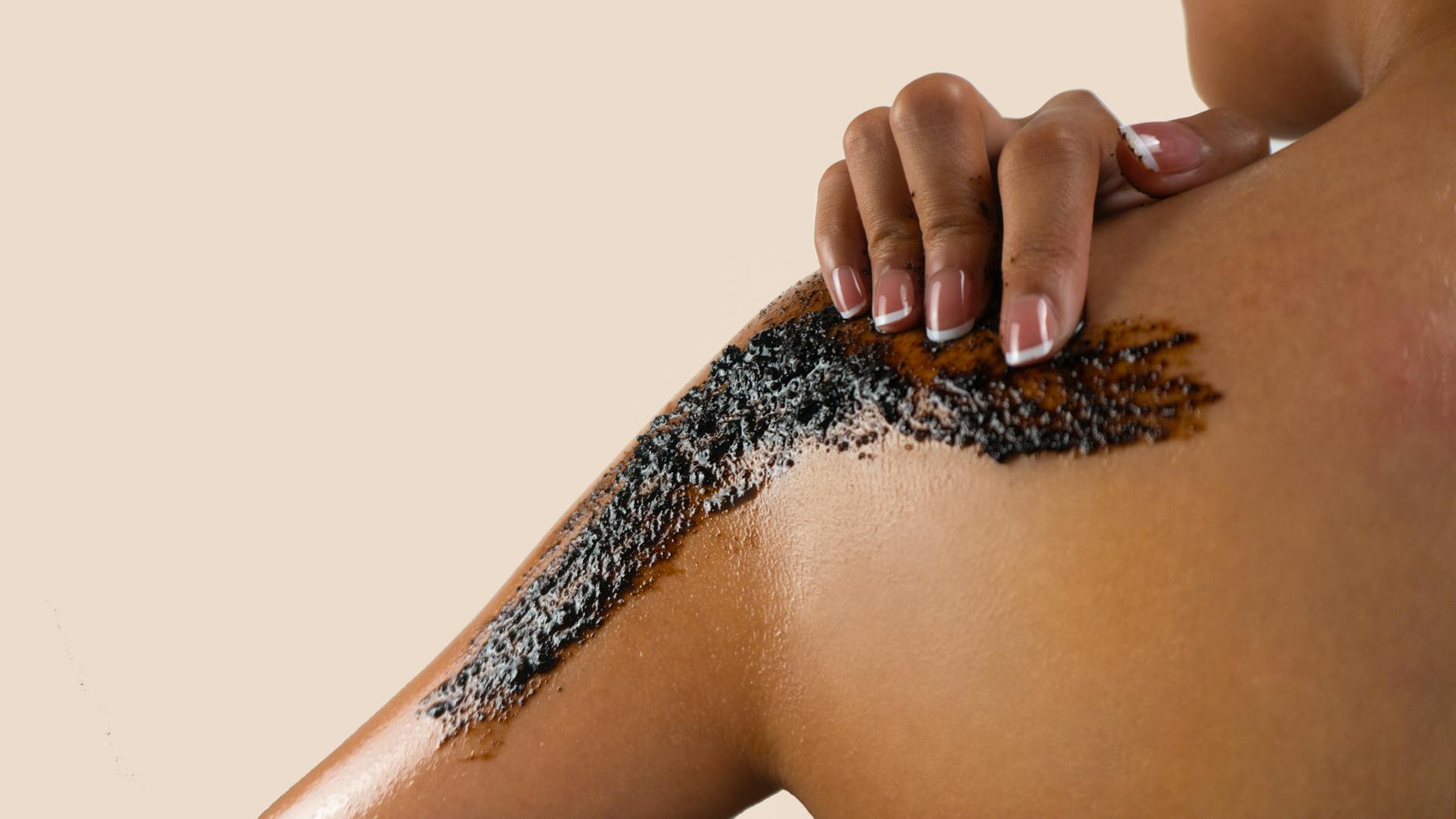
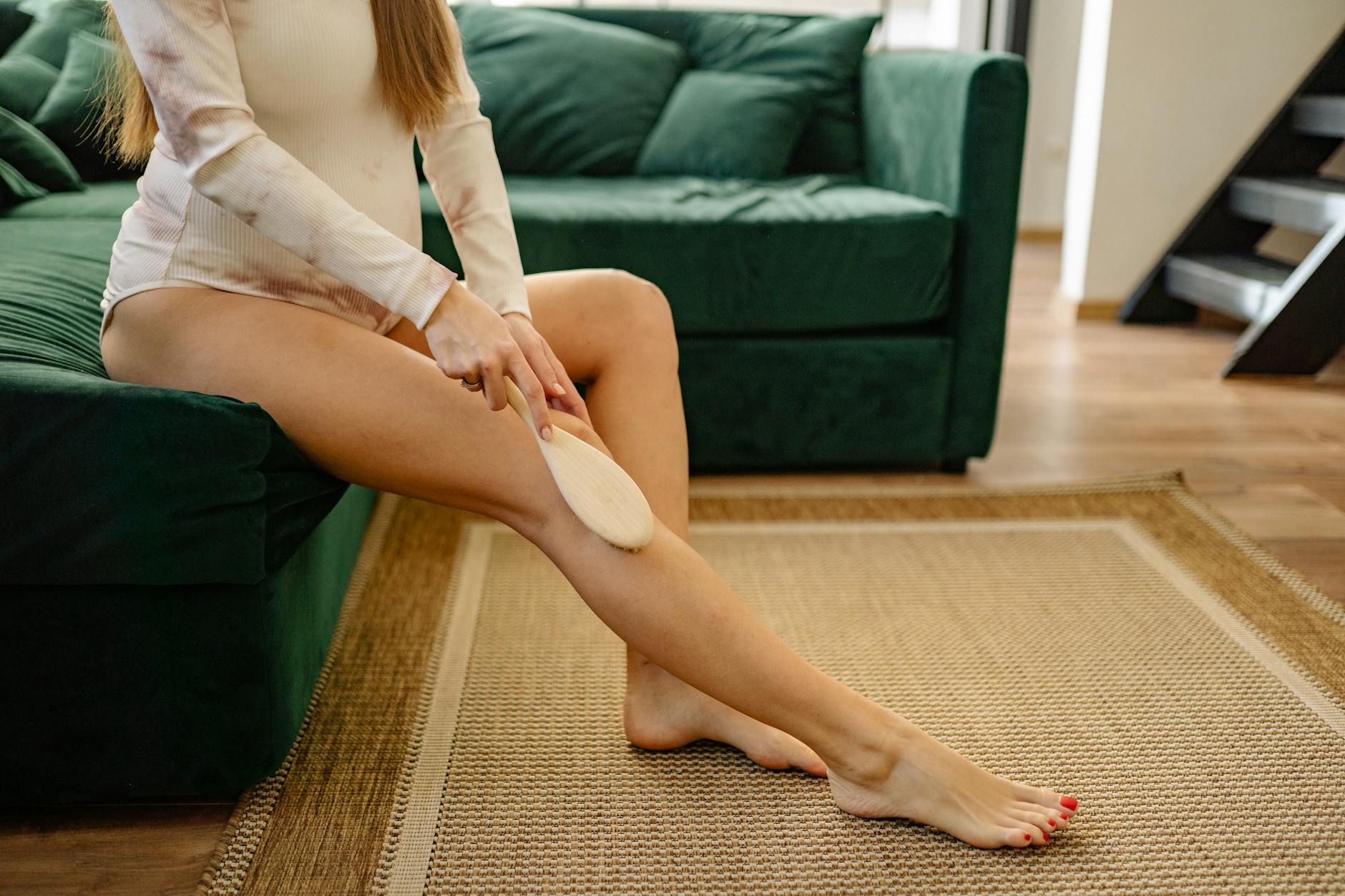
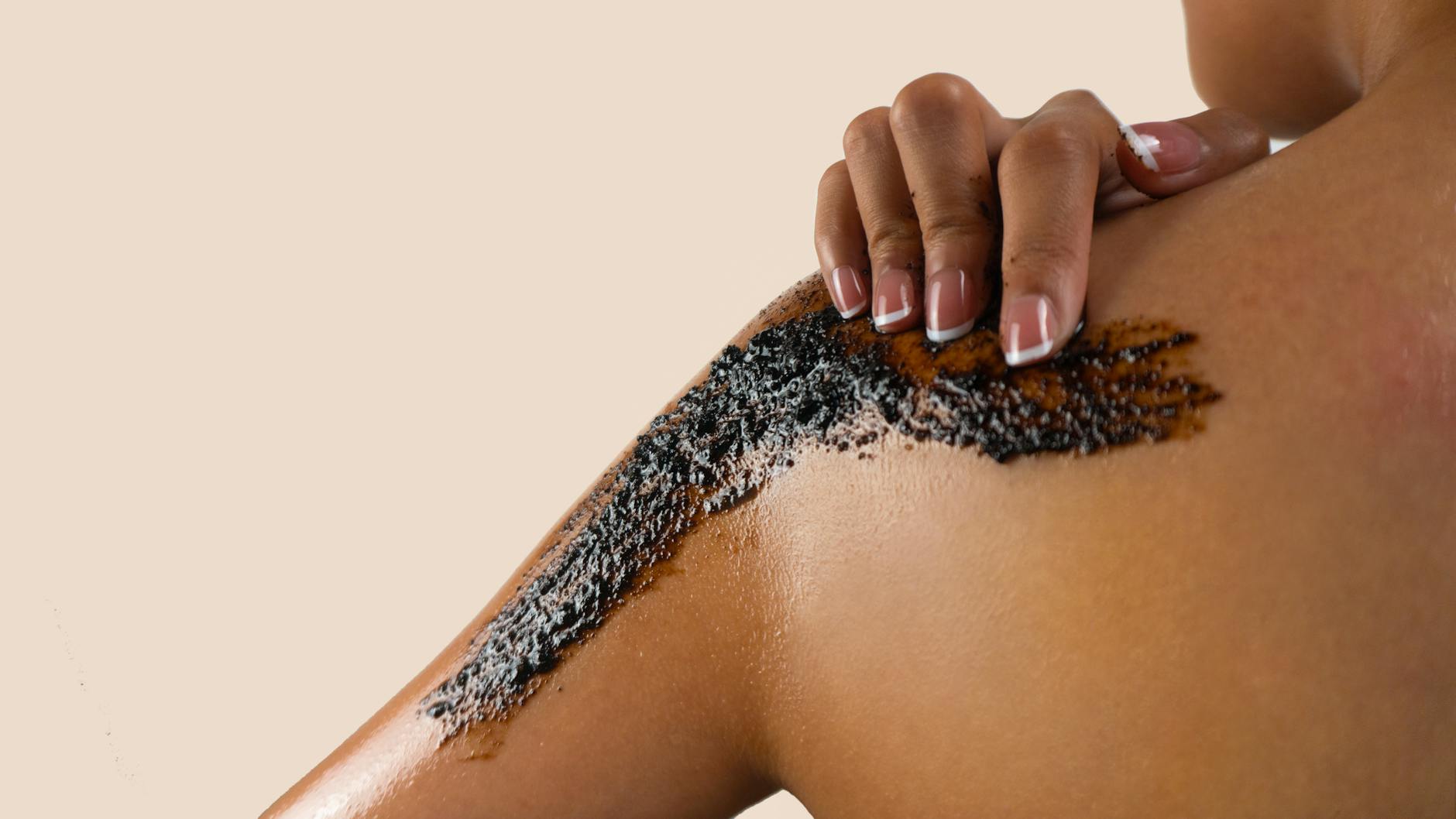
Physical exfoliation requires more careful consideration for back acne. Long-handled brushes and applicators allow you to reach problem areas without straining, but use them sparingly. Choose soft-bristled brushes and apply minimal pressure to avoid micro-tears that can worsen inflammation.
For example, alternate between a salicylic acid wash daily and gentle physical exfoliation twice weekly. This combination addresses both surface buildup and deep pore congestion without over-treating the area.
Step-by-Step Back Exfoliation Routine
Following a proper routine prevents the irritation and potential scarring that many people fear when treating back acne. The key lies in gentle, consistent technique rather than aggressive scrubbing that can worsen inflammation.
Take a lukewarm shower to soften dead skin cells and open pores before exfoliation begins.
Use a long-handled brush or clean washcloth to reach your entire back with gentle circular motions.
Remove all product residue with cool water to close pores and reduce inflammation.
Avoid rubbing with your towel, which can irritate freshly exfoliated skin.
Apply a lightweight, non-comedogenic moisturizer to prevent dryness and maintain your skin barrier.
Start exfoliating just once per week to test your skin's tolerance. Physical exfoliants like body brushes should never feel painful or leave red marks. For chemical exfoliants containing salicylic acid or glycolic acid, begin with lower concentrations around 0.5% to 2%.
Never exfoliate inflamed or actively broken skin, as this can spread bacteria and create permanent marks. If you notice increased redness or new breakouts after three uses, reduce frequency to every ten days. Most people see improvement within four to six weeks of consistent practice.
The timing matters too. Exfoliate in the evening so your skin can recover overnight, and always wear clean shirts to bed afterward. This simple routine, performed consistently rather than intensively, delivers the clear back skin you're working toward.
Tools and Products for Reaching Your Back

The biggest challenge in treating back acne isn't finding the right technique—it's physically reaching the affected areas. Your back spans a large surface area that's naturally difficult to access, but specialized tools make thorough exfoliation possible without contorting yourself or missing spots that could lead to persistent breakouts.
Long-handled body brushes offer the most control for back exfoliation. Look for brushes with natural bristles that are firm but not harsh, typically measuring 15-17 inches in length. The Ecotools Back and Body Brush provides excellent reach while maintaining gentle pressure that won't aggravate inflamed acne.
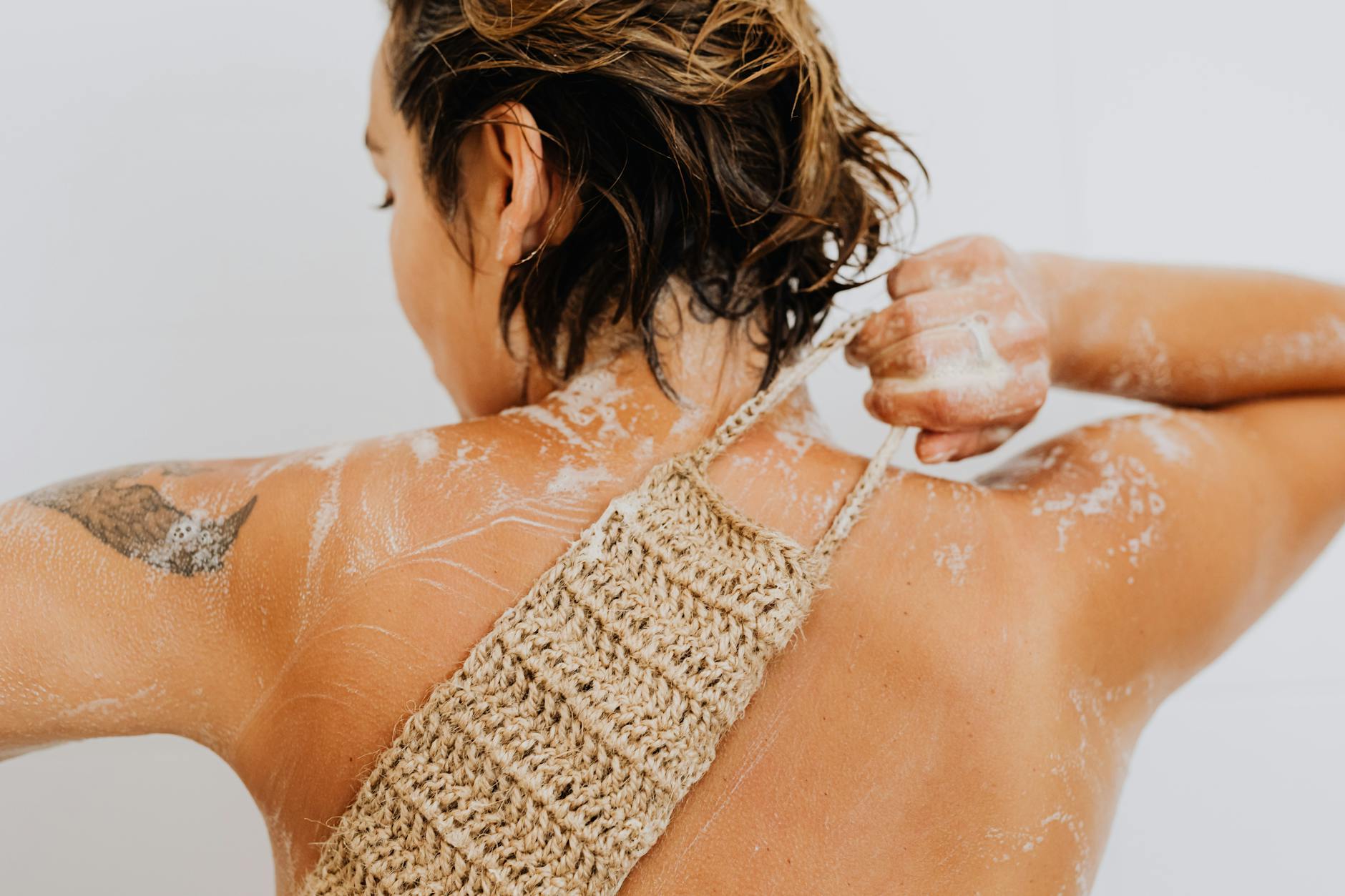
Exfoliating back straps work like towels with textured surfaces on both sides. You hold one end in each hand and move the strap across your back in a sawing motion. These straps are particularly effective because they allow you to adjust pressure and target specific areas. Salux cloth from Japan is a popular option that provides consistent exfoliation.
Spray-on chemical exfoliants eliminate the need for physical tools entirely. Products containing salicylic acid or glycolic acid in spray form allow even coverage across hard-to-reach areas. Paula's Choice CLEAR Body Spray delivers 2% salicylic acid precisely where you need it, reducing the risk of missing spots that could develop into scarring lesions.
Common Mistakes and How to Avoid Them
Even with the right tools, back exfoliation can backfire if you make common errors. Over-scrubbing your back is the biggest mistake people make when desperate for quick results. Aggressive scrubbing damages your skin barrier, causing redness and irritation that can actually worsen acne and potentially lead to scarring.
Using face exfoliating products on your back creates another problem. Face scrubs contain gentler ingredients designed for thinner facial skin. Your back's thicker skin needs stronger formulations, so face products won't effectively clear your pores.
Inconsistent routines sabotage your progress. Exfoliating once a week for a month, then skipping two weeks completely, confuses your skin's natural renewal process. Your back acne treatment needs steady, predictable care to show improvement.
Stick to gentle, consistent exfoliation 2-3 times weekly using body-specific products to avoid irritation and see real results.
Start with light pressure and observe how your back responds. If you notice increased redness or new breakouts, reduce frequency to every other day until your skin adjusts to the routine.
Frequently Asked Questions
Why is back acne harder to treat than facial acne?
Back acne requires special treatment because the area is much larger, making breakouts spread across a wider surface and potentially leading to more extensive scarring. The back's hard-to-reach nature makes it difficult to monitor developing breakouts or apply products evenly. Additionally, daily friction from clothing, backpacks, and gym equipment constantly irritates follicles while trapping sweat and bacteria against the skin.
What's the best salicylic acid concentration for back acne?
The optimal salicylic acid concentration for back acne is 2%, which provides therapeutic benefits without excessive irritation. Look for body washes containing this percentage from brands like CeraVe and Neutrogena that offer targeted formulations designed specifically for body acne. This concentration effectively penetrates deep into pores to dissolve oil and dead skin cells that create blackheads and whiteheads.
Can I use stronger exfoliation on my back than my face?
Yes, your back's thick, resilient skin can handle stronger exfoliation methods that would irritate your face. Unlike facial skin, your back's thicker dermis tolerates and often requires more aggressive exfoliation to penetrate through layers of dead skin cells and sebum buildup. This durability allows you to use stronger acids, rougher textures, and more frequent treatments without the sensitivity concerns of delicate facial skin.
How often should I physically exfoliate my back for acne?
Physical exfoliation should be limited to a maximum of three times per week to avoid over-treating the area. Use soft-bristled brushes with minimal pressure to avoid micro-tears that can worsen inflammation. For best results, alternate between daily salicylic acid wash and gentle physical exfoliation twice weekly to address both surface buildup and deep pore congestion.
What's the difference between chemical and physical exfoliation for back acne?
Chemical exfoliation works from inside your pores outward, using acids like salicylic acid or glycolic acid to dissolve oil and dead skin cells that cause breakouts. Physical exfoliation uses tools like long-handled brushes to manually remove dead skin from the surface. Chemical exfoliation offers the gentlest yet most effective approach for back acne, while physical methods require more careful consideration to avoid irritation.
Disclaimer: This content is for informational purposes only and does not constitute medical advice. Always consult a qualified healthcare provider before making health decisions.