What Is Keratosis Pilaris and Why Regular Exfoliation Doesn't Work

Keratosis pilaris appears as small, rough bumps on your arms, thighs, or buttocks. These bumps form when excess keratin protein clogs hair follicles, creating what feels like permanent goosebumps. While this condition affects millions and won't cause scarring, understanding why it happens helps you treat it effectively.
“Aggressive scrubbing actually triggers more inflammation, making those stubborn bumps redder and more noticeable.”
Your first instinct might be reaching for an abrasive scrub, but harsh exfoliation backfires with keratosis pilaris. Rough scrubs irritate already sensitive follicles and worsen inflammation. Instead, this condition responds to gentle, chemical exfoliation combined with proper moisturizing. The goal isn't to scrub away bumps but to gradually dissolve the keratin plugs while keeping skin calm and hydrated.
Chemical Exfoliants: Your Best Friend for Chicken Skin

Chemical exfoliants work differently than scrubs—they dissolve the keratin plugs blocking your hair follicles instead of trying to scrape them away. This gentler approach prevents the micro-tears that physical scrubs can cause, reducing your risk of scarring and irritation.
“Chemical exfoliants dissolve keratin plugs without creating micro-tears that can lead to scarring.”
Alpha hydroxy acids (AHAs) like lactic acid and glycolic acid work on the skin's surface, while beta hydroxy acids (BHAs) like salicylic acid penetrate deeper into pores. Urea stands out as particularly effective for keratosis pilaris because it both exfoliates and moisturizes simultaneously.
Start with a low concentration product—2% salicylic acid or 5% lactic acid—and use it just twice weekly initially. For example, CeraVe SA Lotion contains both salicylic acid and ceramides to prevent over-drying. Gradually increase frequency as your skin adapts, watching for redness or excessive dryness that signals you need to slow down.
Gentle Physical Exfoliation Methods That Won't Backfire
While chemical exfoliants work best for keratosis pilaris, gentle physical exfoliation can complement your routine when done correctly. The key is using the right tools without causing irritation that could worsen your skin or lead to scarring.
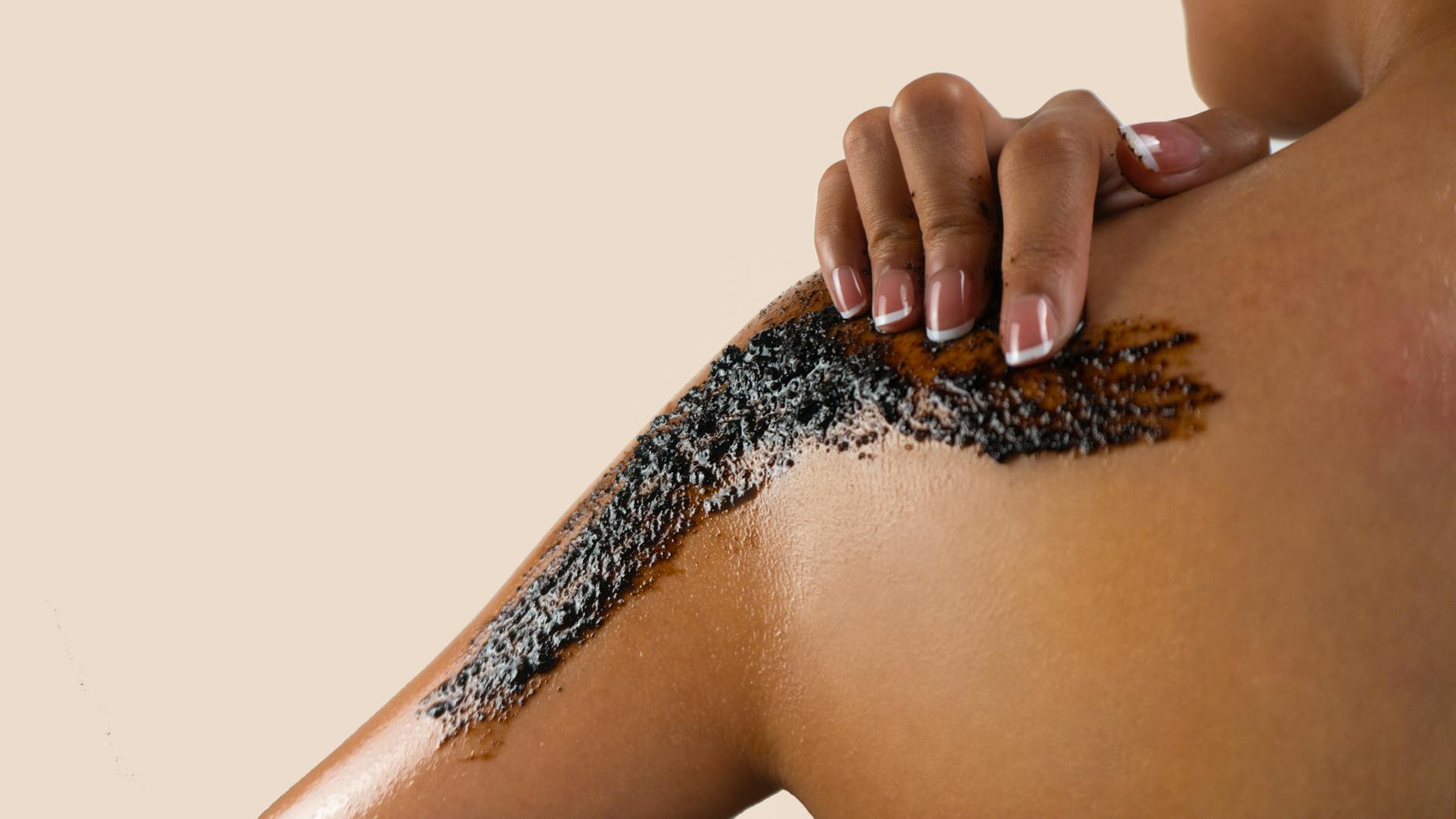
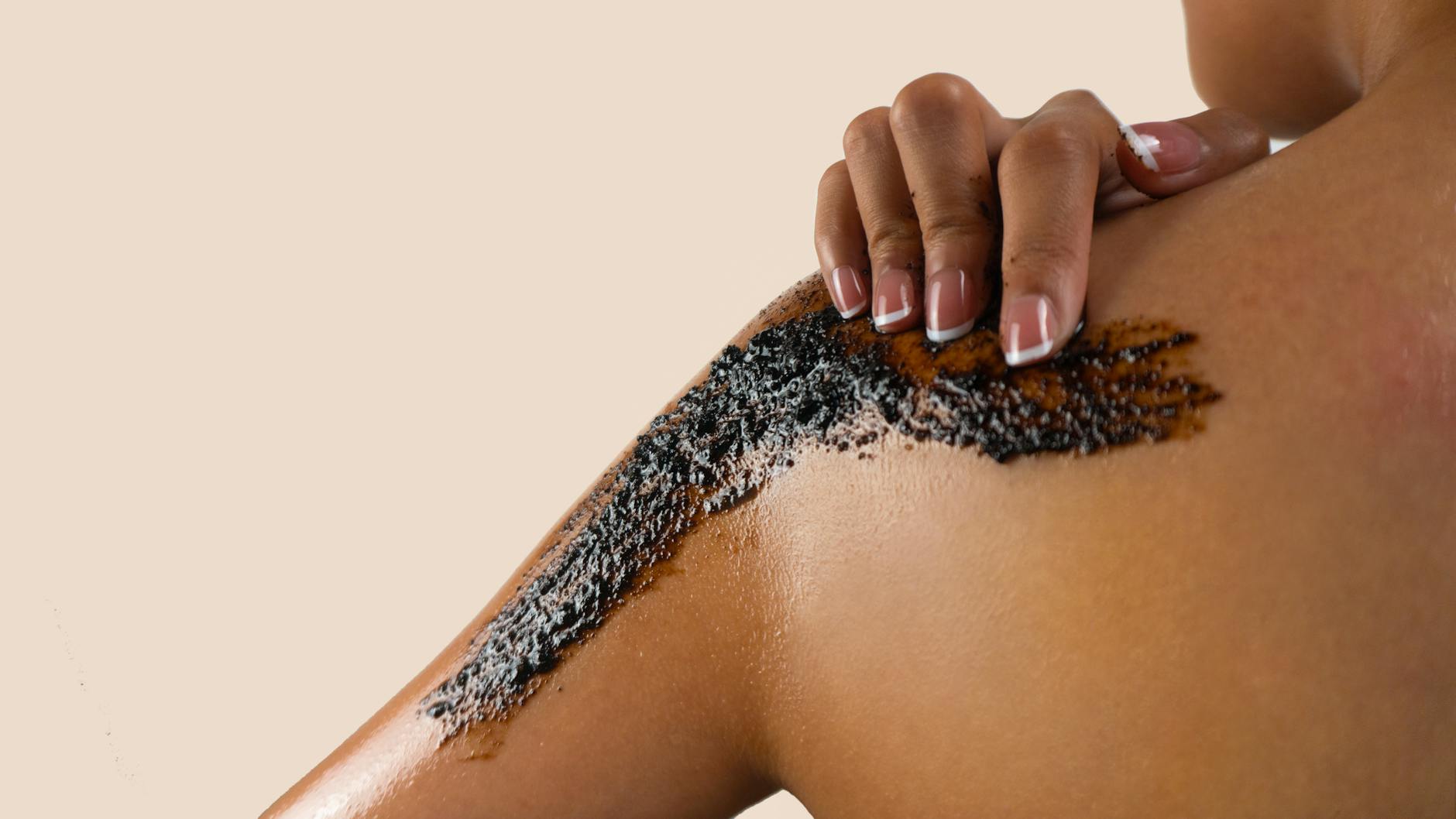
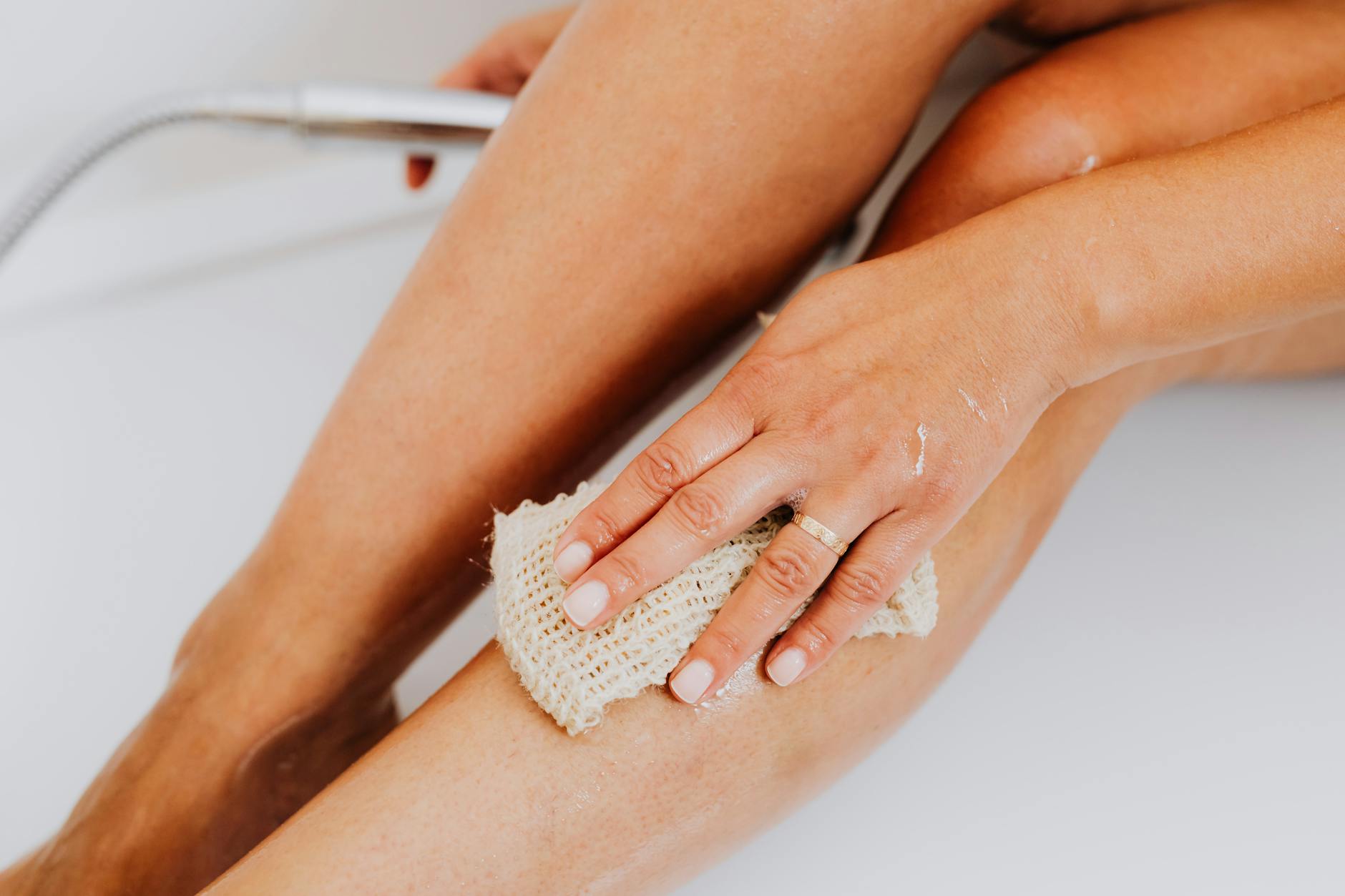
Soft washcloths work perfectly for daily gentle exfoliation. Use a clean, damp washcloth with your cleanser in circular motions. Replace washcloths frequently to avoid bacteria buildup. You can also try sugar-based scrubs once or twice weekly, but avoid anything with sharp particles like crushed walnut shells.
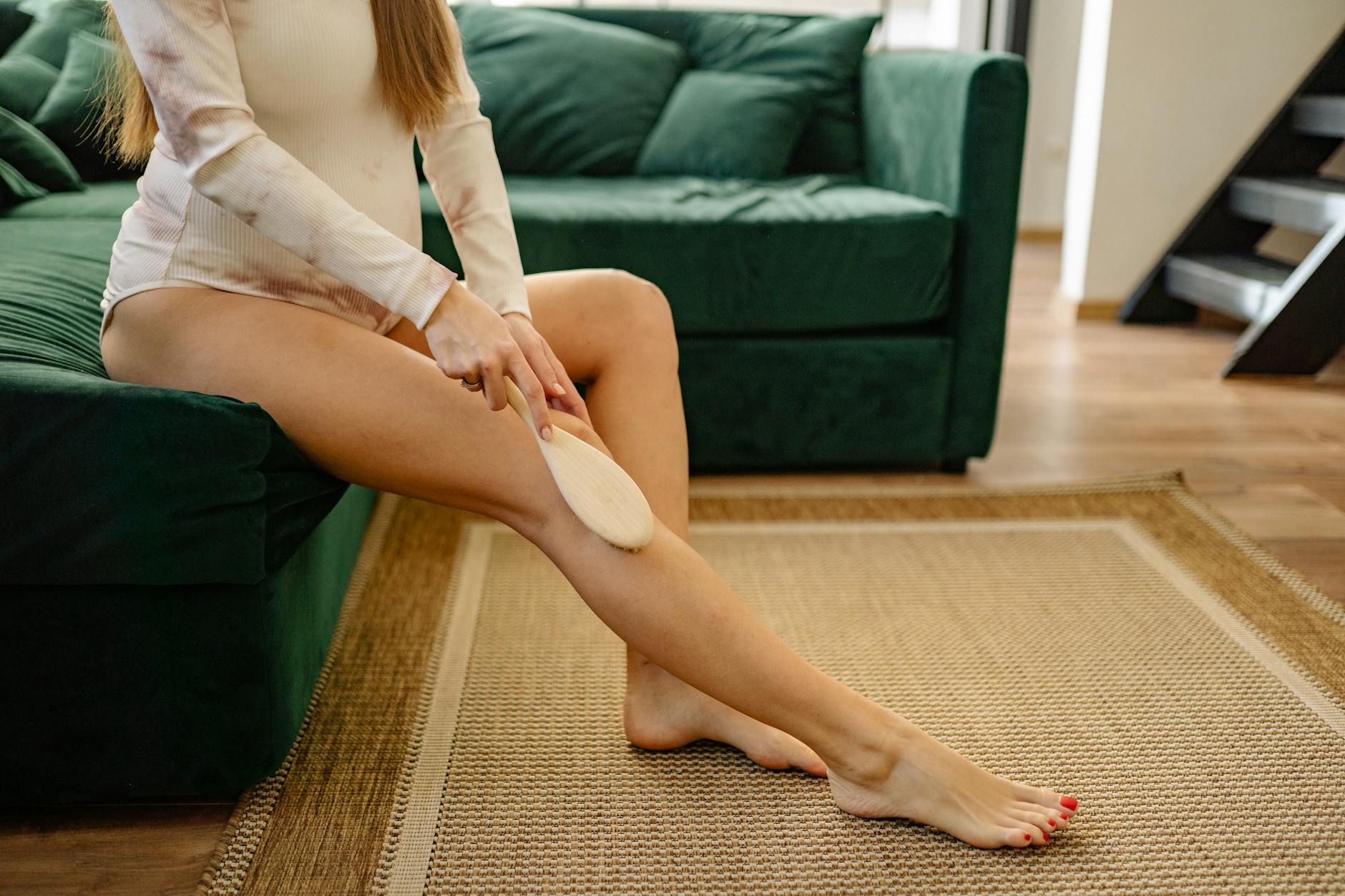
Use a natural bristle brush in upward strokes toward your heart.
Let the brush do the work without pressing hard into your skin.
Avoid rough loofahs, pumice stones, and over-exfoliating more than three times weekly. These harsh methods can create micro-tears and inflammation.
Step-by-Step Keratosis Pilaris Exfoliation Routine

Following a structured routine prevents over-exfoliation that can worsen bumps and create the inflammation you're trying to avoid. This gentle approach clears follicles without triggering more breakouts.
Apply a thin layer of gentle body oil to dry skin and let it sit for 5 minutes to soften keratin plugs.
Use your chosen exfoliation method with light, circular motions for 30-60 seconds per area under warm water.
Pat skin dry and apply a thick, urea or lactic acid-containing moisturizer within 3 minutes while skin is still damp.
Stick to exfoliating 2-3 times per week maximum. Daily exfoliation damages your skin barrier and makes keratosis pilaris worse. For example, exfoliate Monday, Wednesday, and Friday, then moisturize daily on all seven days. This schedule gives your skin time to heal between sessions while maintaining steady progress toward smoother skin.
Common Mistakes That Make Keratosis Pilaris Worse
Many people accidentally worsen their keratosis pilaris by making these three critical mistakes. Understanding what not to do protects your skin from permanent damage and helps prevent the scarring you're worried about.
Over-exfoliating ranks as the biggest mistake. Scrubbing daily or using harsh brushes damages your skin barrier, creating more inflammation and bumps. Stick to exfoliating just two to three times weekly with gentle products.
Using heavy creams or coconut oil clogs your already-blocked hair follicles. These products trap dead skin cells instead of clearing them. Choose lightweight, non-comedogenic moisturizers specifically formulated for bumpy skin conditions.
Skipping moisturizer after exfoliation leaves your skin vulnerable and irritated. Your freshly exfoliated skin needs immediate hydration to heal properly and maintain the smooth results you're working toward.
Gentle consistency beats aggressive treatment every time when managing keratosis pilaris.
Frequently Asked Questions
What is keratosis pilaris and what causes it?
Keratosis pilaris appears as small, rough bumps on your arms, thighs, or buttocks that feel like permanent goosebumps. These bumps form when excess keratin protein clogs hair follicles. While this condition affects millions of people, it won't cause scarring but requires proper treatment to manage effectively.
Why doesn't regular exfoliation work for keratosis pilaris?
Aggressive scrubbing actually triggers more inflammation, making those stubborn bumps redder and more noticeable. Rough scrubs irritate already sensitive follicles and worsen inflammation rather than helping. Instead of scrubbing away bumps, the condition responds better to gentle, chemical exfoliation combined with proper moisturizing.
What are the best chemical exfoliants for keratosis pilaris?
Chemical exfoliants like alpha hydroxy acids (AHAs) such as lactic acid and glycolic acid work on the skin's surface, while beta hydroxy acids (BHAs) like salicylic acid penetrate deeper into pores. Urea stands out as particularly effective for keratosis pilaris because it both exfoliates and moisturizes simultaneously. Start with low concentration products like 2% salicylic acid or 5% lactic acid used twice weekly initially.
Can I use physical exfoliation for keratosis pilaris?
Gentle physical exfoliation can complement your routine when done correctly, but harsh methods should be avoided. Soft washcloths work perfectly for daily gentle exfoliation using circular motions, and sugar-based scrubs can be used once or twice weekly. Avoid rough loofahs, pumice stones, and anything with sharp particles like crushed walnut shells as these can create micro-tears and inflammation.
How often should I exfoliate keratosis pilaris?
Start with chemical exfoliants just twice weekly initially, then gradually increase frequency as your skin adapts. Watch for redness or excessive dryness that signals you need to slow down. Avoid over-exfoliating more than three times weekly as this can create micro-tears and inflammation that worsen the condition.
Disclaimer: This content is for informational purposes only and does not constitute medical advice. Always consult a qualified healthcare provider before making health decisions.