Why Make Your Own Body Scrubs

Creating homemade body scrubs puts you in complete control of what touches your skin. Store-bought scrubs often contain harsh chemicals, synthetic fragrances, and preservatives that can irritate sensitive skin or trigger breakouts. When you make your own scrubs, you choose every ingredient, ensuring nothing harmful enters the mix.
“Homemade body scrubs let you customize ingredients for your specific skin needs while avoiding potentially irritating chemicals.”
DIY scrubs save money compared to expensive commercial options. A basic sugar scrub costs under $2 to make, while similar store versions can cost $15 or more. You can customize recipes for specific skin concerns - add oatmeal for sensitive skin, use coffee grounds for cellulite-prone areas, or include honey for dry patches.
Making your own scrubs eliminates guesswork about ingredients that might cause reactions or worsen existing skin issues, giving you peace of mind about your skincare routine.
Essential Ingredients for DIY Body Scrubs

Creating effective body scrubs at home requires three main ingredient categories: exfoliants, moisturizing bases, and skin-soothing additives. Understanding these components helps you customize scrubs for your specific skin needs without risking irritation or damage.
“The right ingredients can transform your body care routine while protecting sensitive skin from harsh commercial chemicals.”
Granular exfoliants remove dead skin cells safely. White sugar offers gentle exfoliation perfect for sensitive areas, while brown sugar provides slightly more abrasive action. Sea salt works well for rough patches like elbows and heels, but avoid it on freshly shaved skin. Ground oatmeal creates the mildest option for reactive skin types.
Moisturizing bases prevent over-drying during exfoliation. Coconut oil melts beautifully on warm skin, while olive oil suits most skin types. Honey acts as both moisturizer and natural antibacterial agent, making it excellent for acne-prone areas of the body.
Skin-soothing additives enhance benefits without complexity. Vanilla extract adds fragrance naturally, while a few drops of tea tree oil provide antimicrobial properties.
Avoid harsh ingredients like baking soda, lemon juice, or coarse salt on facial skin or irritated areas. These can cause micro-tears or chemical burns that lead to permanent discoloration.
5 Simple DIY Body Scrub Recipes
Creating effective body scrubs at home requires the right combination of exfoliating agents, moisturizing oils, and skin-soothing ingredients. These five tested recipes address different skin concerns while remaining gentle enough for beginners to use safely on their body.
Brown Sugar and Honey Scrub
Mix 1/2 cup brown sugar with 2 tablespoons raw honey and 1 tablespoon olive oil. Brown sugar provides gentle exfoliation without creating micro-tears that can lead to scarring or irritation. Honey acts as a natural antibacterial agent, making this scrub particularly beneficial for those concerned about breakouts on their chest or back. The olive oil prevents over-drying while you scrub.
Coffee Grounds Energizing Scrub
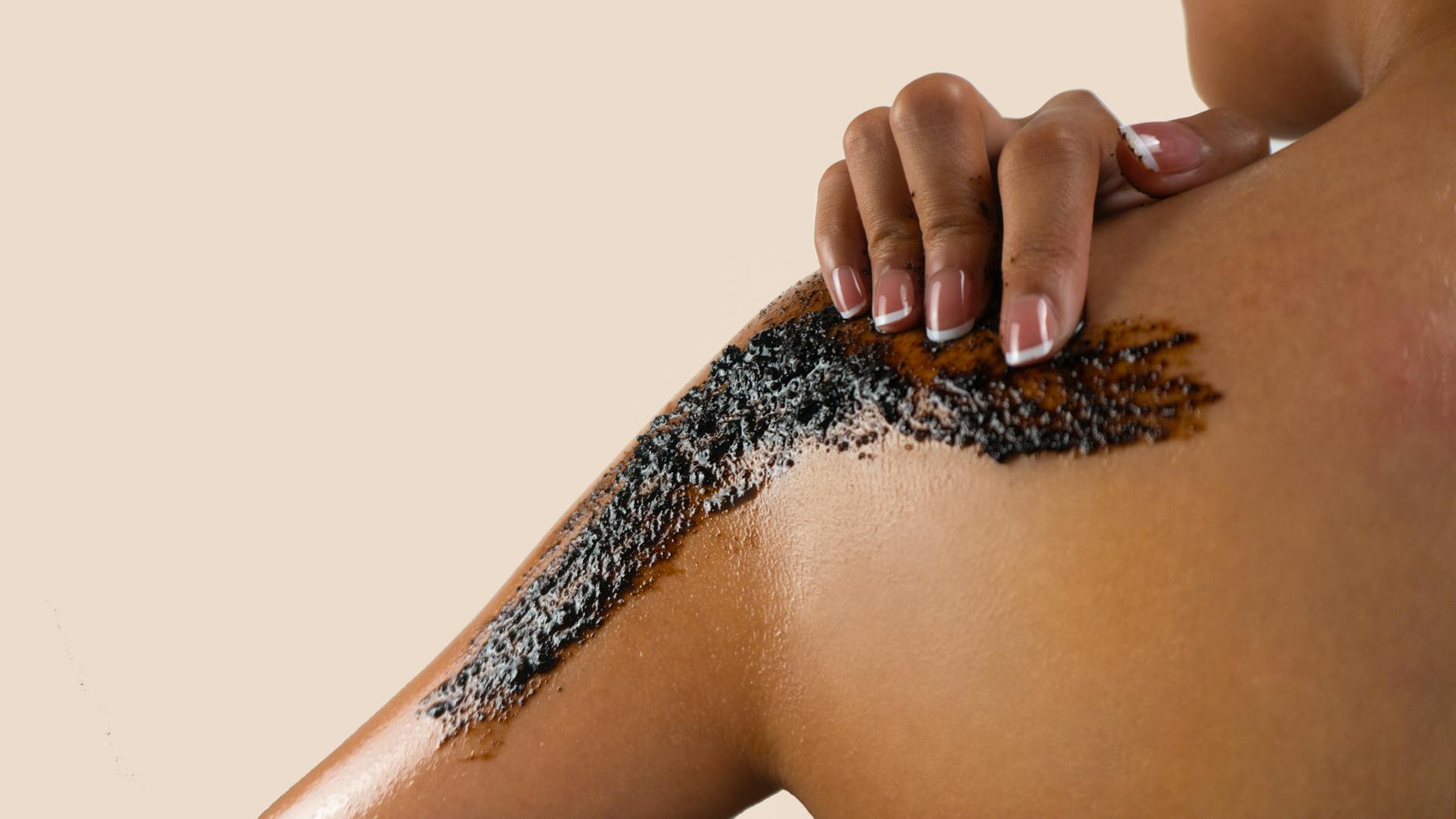
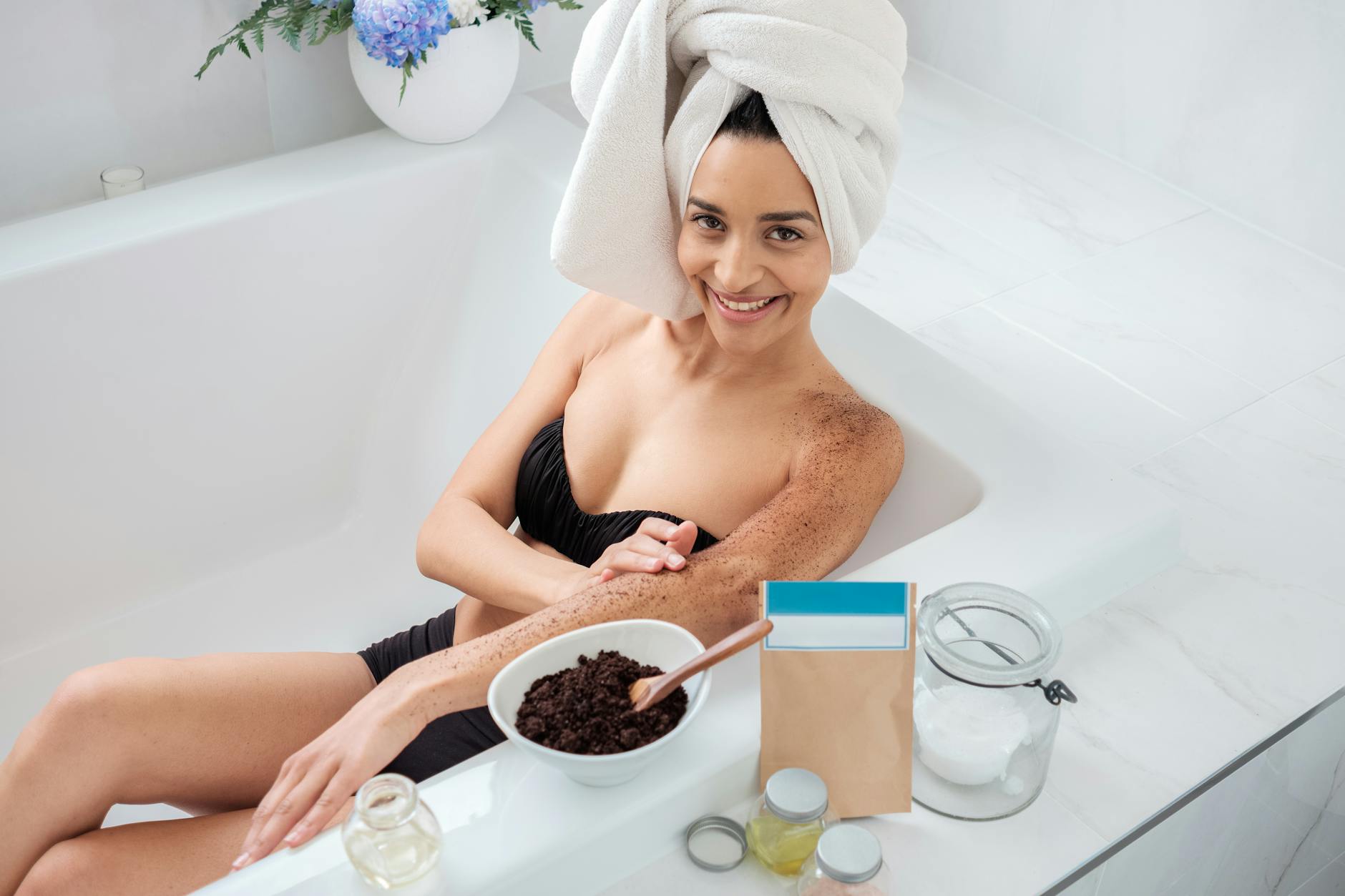
Combine 1/2 cup used coffee grounds with 1/4 cup coconut oil and 2 tablespoons brown sugar. This energizing blend works well for morning showers and helps improve circulation to your body skin. The caffeine in coffee grounds may temporarily tighten skin appearance, while the coconut oil provides deep moisturization. Always use cooled coffee grounds to avoid burns.
Oatmeal Gentle Scrub
Blend 1/2 cup old-fashioned oats into a coarse powder, then mix with 1/4 cup plain yogurt and 1 tablespoon honey. This ultra-gentle option suits sensitive skin types who worry about irritation or inflammation. Oats contain saponins that naturally cleanse without harsh scrubbing, while yogurt's lactic acid provides mild chemical exfoliation.
Sea Salt Detox Scrub
Blend 1/2 cup fine sea salt with 1/4 cup jojoba oil and 5 drops lavender essential oil. Sea salt draws out impurities and provides more aggressive exfoliation for rough areas like elbows and knees. The jojoba oil closely mimics your skin's natural oils, preventing the tight feeling that sometimes follows salt scrubs.
Coconut Oil Moisturizing Scrub
Melt 1/4 cup coconut oil and mix with 1/2 cup white sugar and 1 teaspoon vanilla extract. This recipe works exceptionally well for dry body skin that needs both exfoliation and intense hydration. The coconut oil solidifies slightly as it cools, creating the perfect consistency for application while leaving your skin deeply moisturized after rinsing.
How to Use DIY Body Scrubs Safely

Proper technique prevents skin damage and helps you achieve clear skin without causing scarring or irritation. Start with clean, damp skin in the shower or bath. Wet skin reduces friction and allows the scrub to glide smoothly across your body.
Rinse with warm water to soften dead skin cells and open pores.
Use circular motions with light to medium pressure, never scrub aggressively.
Start with arms and legs, avoiding sensitive areas like face and broken skin.
Remove all scrub particles with cool water to close pores.
Limit body scrub use to 2-3 times per week maximum. Over-exfoliation strips protective oils and causes redness or sensitivity. After scrubbing, apply a fragrance-free moisturizer immediately to lock in hydration.
Skip scrubbing if you have active breakouts, cuts, or sunburn. For example, avoid scrubbing areas with inflamed acne as this can spread bacteria and worsen breakouts.
Storage and Safety Tips
Proper storage extends your homemade body scrub's lifespan and prevents bacterial growth that could worsen existing skin issues. Store scrubs in clean, airtight glass jars or plastic containers with tight-fitting lids. Glass containers work best because they don't absorb oils or fragrances.
Most homemade scrubs last 1-2 weeks when stored in the refrigerator, or 3-4 days at room temperature. Oil-based scrubs generally keep longer than sugar-only mixtures. Write the preparation date on your container to track freshness.
Watch for spoilage signs including off odors, color changes, or visible mold growth. When in doubt, discard the scrub immediately. Using spoiled products can cause infections that lead to scarring or darker spots on your skin.
Always perform patch testing before using any new scrub recipe. Apply a small amount to your inner wrist or behind your ear, then wait 24 hours. This simple step prevents adverse reactions that could damage your skin.
Use clean, dry hands or a spoon when scooping scrub from containers. Water introduction accelerates bacterial growth and reduces shelf life significantly.
Always patch test new recipes and store scrubs in clean containers for maximum safety and effectiveness.
Frequently Asked Questions
Why should I make my own body scrubs instead of buying them?
Making your own body scrubs gives you complete control over ingredients, avoiding harsh chemicals and synthetic fragrances that can irritate skin. DIY scrubs cost about 75% less than store-bought versions - a basic sugar scrub costs under $2 to make compared to $15+ for commercial options. You can also customize recipes for specific skin concerns like sensitivity or dryness.
What are the essential ingredients needed for DIY body scrubs?
You need three main categories: exfoliants like white sugar or brown sugar, moisturizing bases such as coconut oil or olive oil, and skin-soothing additives like honey or vanilla extract. Most effective scrubs require only 3-5 ingredients total. These simple components allow you to create customized scrubs without harsh chemicals or preservatives.
How much does it cost to make homemade body scrubs?
A basic homemade sugar scrub costs under $2 to make, while similar store-bought versions typically cost $15 or more. This represents about 75% savings compared to commercial scrubs. The low cost allows you to experiment with different recipes and customize ingredients for your specific skin needs.
What ingredients should I avoid in DIY body scrubs?
Avoid harsh ingredients like baking soda, lemon juice, or coarse salt, especially on facial skin or irritated areas. These can cause micro-tears or chemical burns that lead to permanent discoloration. Also avoid using sea salt on freshly shaved skin as it can cause irritation.
How do I make a brown sugar and honey body scrub?
Mix 1/2 cup brown sugar with 2 tablespoons raw honey and 1 tablespoon olive oil. Brown sugar provides gentle exfoliation without creating micro-tears, while honey acts as a natural antibacterial agent. The olive oil prevents over-drying during use, making this scrub particularly good for those concerned about breakouts on chest or back.
Disclaimer: This content is for informational purposes only and does not constitute medical advice. Always consult a qualified healthcare provider before making health decisions.