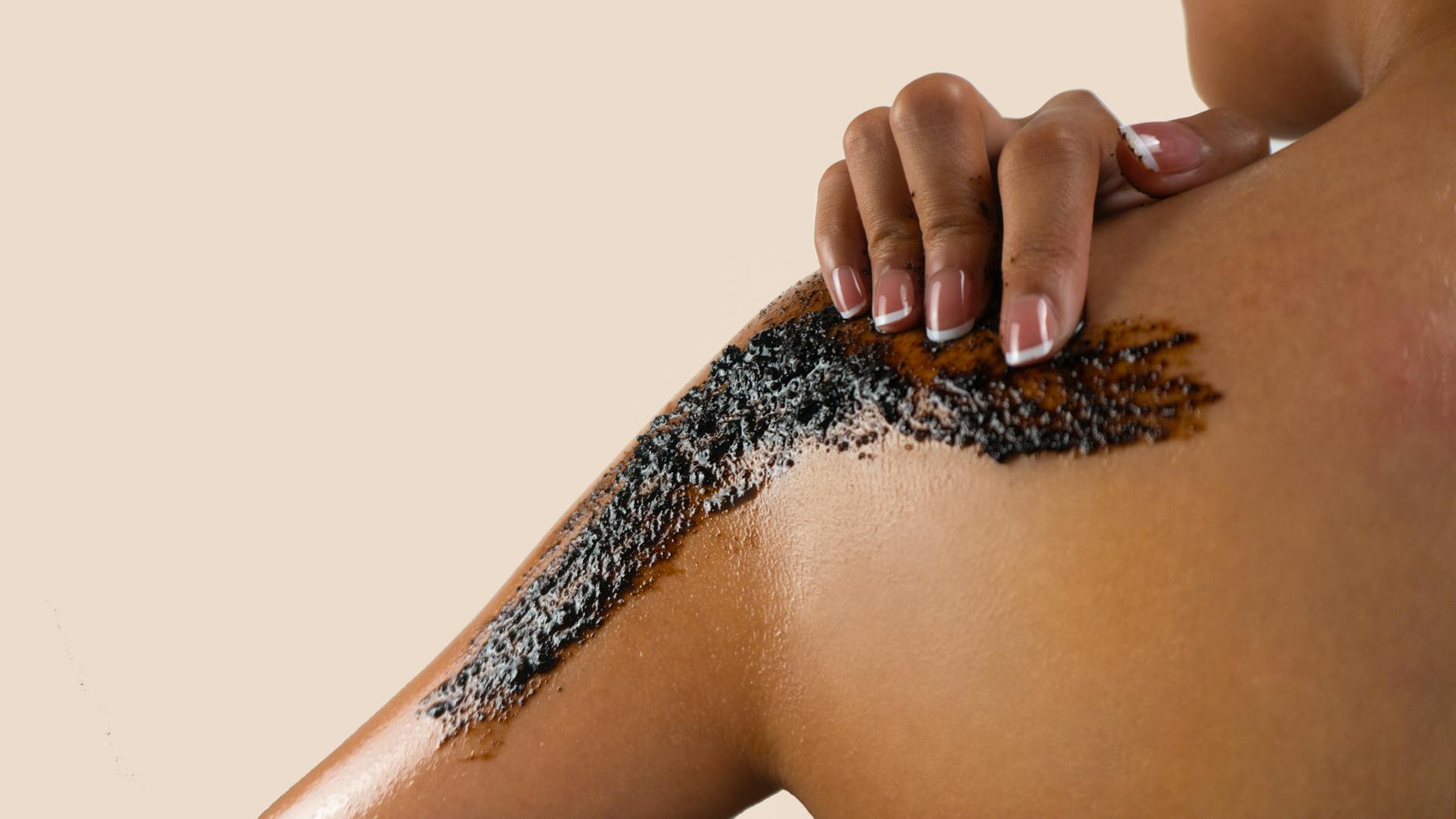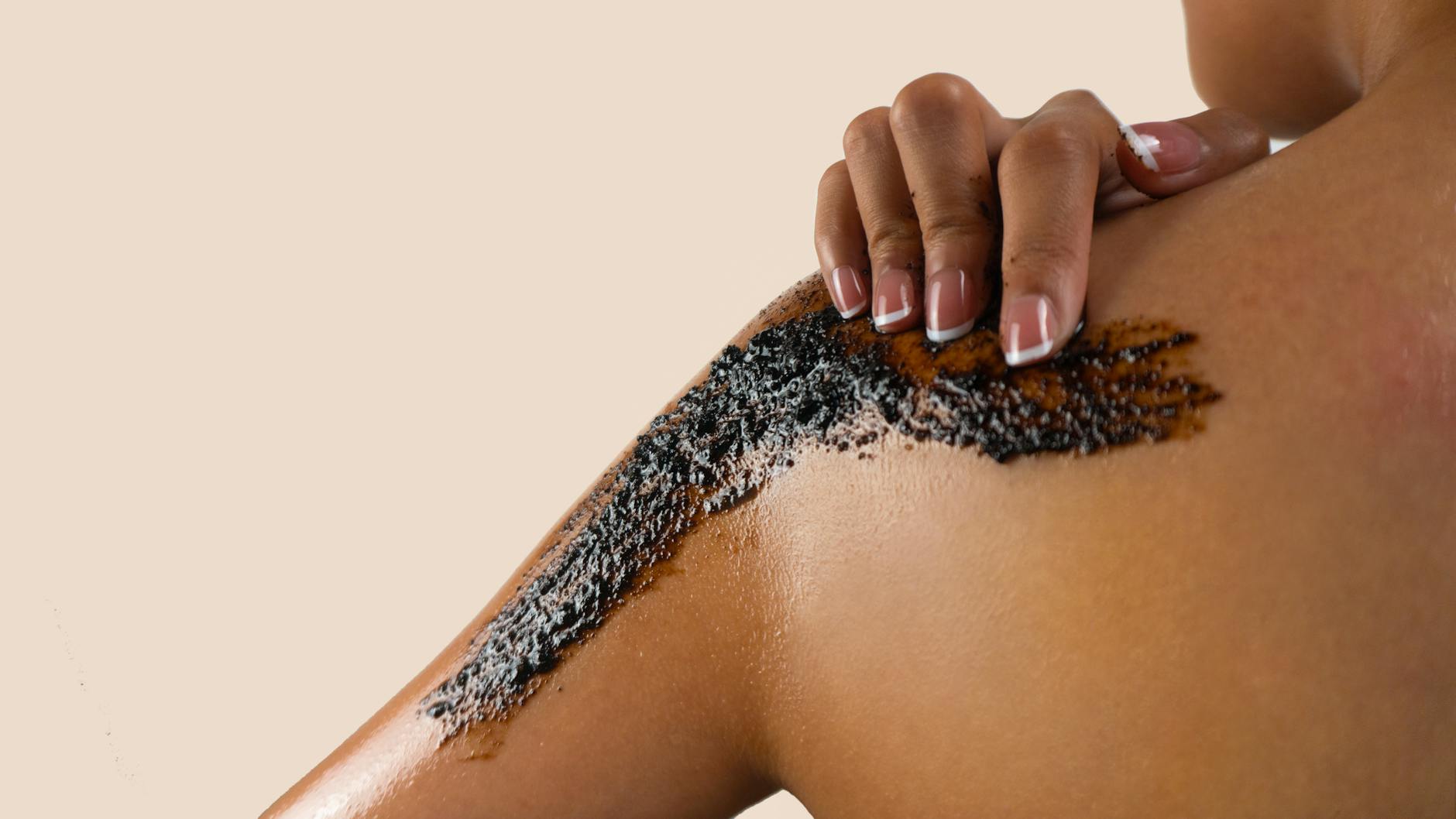
Why Exfoliation Frequency Matters for Body Skin

Your body skin operates on a completely different timeline than your face, and understanding this difference prevents both the embarrassment of rough, bumpy skin and the damage that comes from scrubbing too hard. Body skin cells take approximately 28-40 days to complete their natural turnover cycle, which is significantly slower than facial skin renewal.
“The right exfoliation frequency transforms rough, clogged skin into smooth, radiant skin without causing barrier damage.”
Over-exfoliation strips away your skin's protective barrier faster than it can rebuild itself. This leads to redness, increased sensitivity, and ironically, more breakouts as bacteria penetrate compromised skin. Many people make this mistake when trying to clear their skin quickly, not realizing they're creating the very problems they want to solve.
Under-exfoliation creates its own set of problems. Dead skin cells accumulate on the surface, mixing with natural oils to clog pores and create that rough, sandpaper-like texture on areas like elbows, knees, and upper arms. This buildup also prevents moisturizers and treatments from penetrating effectively.
For example, exfoliating your body daily with a harsh scrub will likely cause irritation within a week, while exfoliating only once monthly may leave you with persistent rough patches and clogged pores that take weeks to clear.
How Often to Exfoliate Based on Your Skin Type
Your skin type determines the perfect exfoliation frequency for your body. Understanding these differences prevents irritation while maximizing results for clearer, healthier skin.
“The right exfoliation frequency for your skin type can make the difference between radiant skin and painful irritation.”
Normal skin responds best to exfoliating 2-3 times per week. This skin type balances oil production naturally and tolerates regular exfoliation without becoming overly dry or irritated. Start with twice weekly sessions and increase to three if your skin feels comfortable.
Sensitive skin requires the gentlest approach at once per week maximum. More frequent exfoliation can trigger redness, burning, or stinging that may take days to resolve. Choose mild exfoliants and watch for any signs of reaction after your weekly session.
Dry skin benefits from 1-2 times per week exfoliation. While you might think dry skin needs more frequent removal of flaky cells, over-exfoliating strips away protective oils your skin desperately needs. Focus on gentle techniques that remove dead skin without compromising your skin barrier.
Oily and acne-prone skin can handle 3-4 times per week. This skin type produces excess oil that can trap dead cells and bacteria in pores, leading to breakouts. Regular exfoliation helps prevent this buildup. However, don't exceed four sessions weekly, as this can actually trigger more oil production.
For example, if you have oily skin on your back where you frequently break out, exfoliating every other day can help prevent those embarrassing shoulder and back blemishes that make you self-conscious in summer clothing. Remember that consistency matters more than intensity. A gentle routine followed regularly produces better results than aggressive scrubbing that damages your skin and potentially causes scarring.
Start with the lower recommendation for your skin type and adjust based on how your body responds over several weeks.
Body Area-Specific Exfoliation Schedules

Different areas of your body have unique skin characteristics that require tailored exfoliation schedules. Understanding these differences helps prevent irritation while ensuring effective results for clearer skin.
Your elbows and knees accumulate the thickest, most stubborn dead skin cells due to constant friction and movement. These areas can handle exfoliation 2-3 times per week using a body scrub or pumice stone. The skin here regenerates quickly and rarely becomes irritated from frequent treatment.
Your back and chest present special challenges, particularly if you're acne-prone. These areas produce more oil and trap sweat, making them breeding grounds for breakouts that can lead to scarring if not properly managed. Exfoliate these zones 1-2 times per week with gentle circular motions, focusing on areas where you notice blackheads or rough patches.
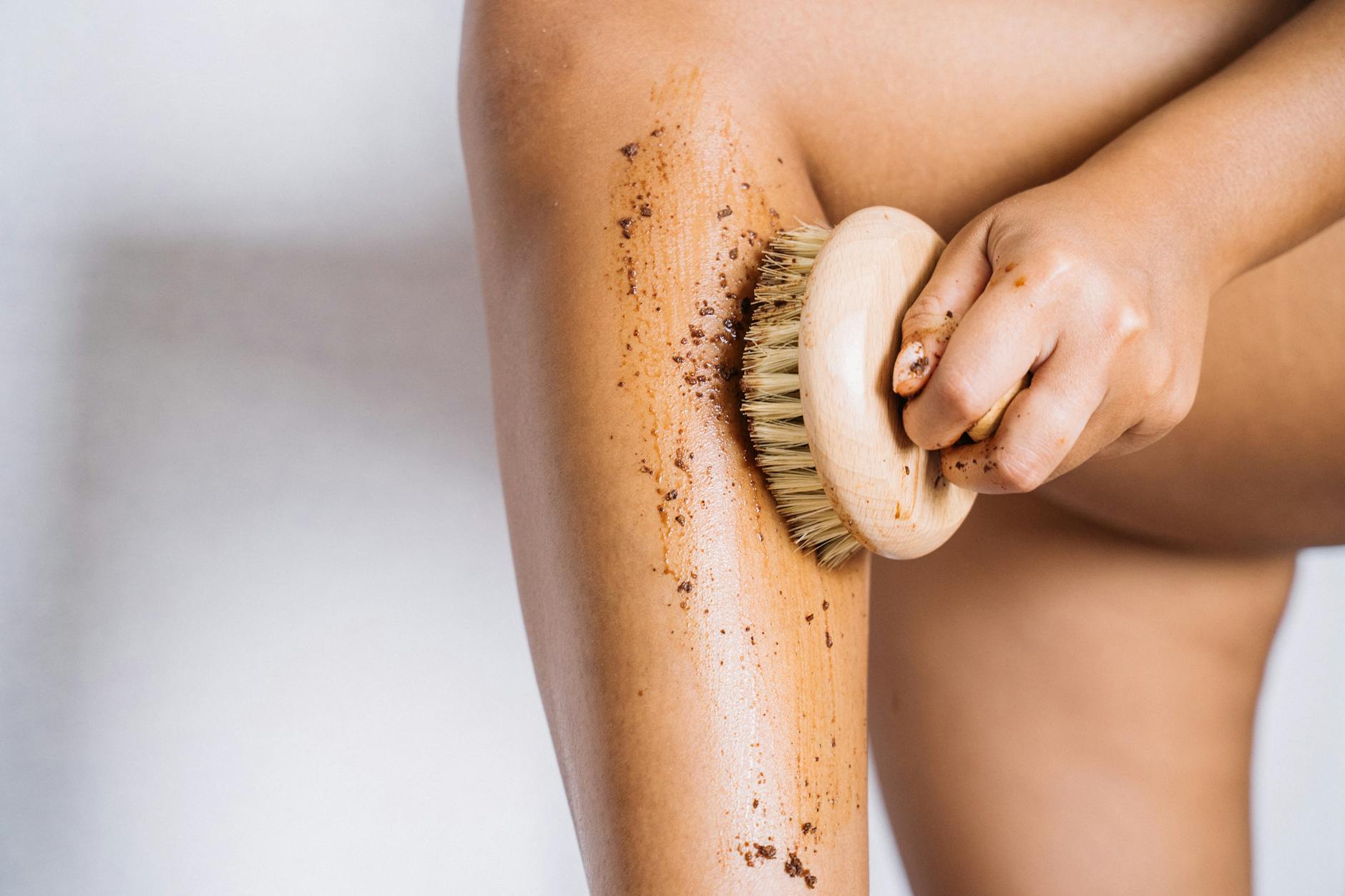
Your arms and legs require moderate maintenance exfoliation once or twice weekly. These areas respond well to dry brushing before showers or gentle scrubs during bathing. Pay attention to areas that feel rough or appear bumpy.
The décolletage and neck area demand the gentlest approach due to their delicate nature. Limit exfoliation to once weekly using a soft washcloth or very mild scrub. This sensitive skin can easily become red or irritated, potentially causing temporary discoloration that draws unwanted attention.
Start conservatively with any new routine and increase frequency gradually based on how your skin responds.
Signs You're Exfoliating Too Often or Not Enough
Your body sends clear signals when your exfoliation routine needs adjustment. Learning to recognize these signs prevents permanent damage and helps you achieve clear, healthy skin without the social embarrassment of visible irritation or persistent breakouts.
Over-exfoliation creates distinct warning signs that demand immediate attention. Your skin becomes red, inflamed, and unusually sensitive to touch or products you normally tolerate well. You might notice burning sensations during your regular skincare routine or find that even gentle moisturizers cause stinging. The skin often feels raw or tight, and you may develop small cuts or micro-tears that take longer than usual to heal.
Under-exfoliation presents equally obvious symptoms. Your body feels rough and bumpy to the touch, particularly on areas like elbows, knees, and heels. Clogged pores become more visible, creating a bumpy texture across your arms, back, or chest. Ingrown hairs multiply, especially after shaving, creating painful bumps that can lead to dark spots or scarring if left untreated.
Adjusting your routine requires systematic changes rather than dramatic overhauls. If you're over-exfoliating, reduce frequency by half immediately and switch to gentler products. For example, move from daily scrubbing to twice weekly, or replace harsh scrubs with chemical exfoliants. If you're under-exfoliating, gradually increase frequency by adding one extra session per week until you achieve smooth, clear skin. Monitor your body's response for two weeks before making additional changes, ensuring each adjustment leads to visible improvement rather than irritation.
Factors That Affect Your Exfoliation Schedule
Your body exfoliation routine isn't set in stone. Several factors influence how often your skin needs this treatment, and understanding these variables helps you avoid irritation that could lead to unwanted scarring or discoloration.
Climate plays a major role in determining your exfoliation needs. Hot, humid environments make your skin produce more oil and sweat, potentially requiring more frequent exfoliation. Conversely, cold or dry climates can make your skin more sensitive, meaning you should exfoliate less often to prevent damage.
Age significantly impacts your skin's renewal rate. Younger skin regenerates faster and can handle more frequent exfoliation, while mature skin takes longer to heal and needs gentler, less frequent treatment. Certain skin conditions like eczema or psoriasis also require adjusted schedules to prevent flare-ups.
The type of exfoliant you choose affects frequency. Physical scrubs with rough particles require less frequent use than gentle chemical exfoliants. Sugar scrubs might be used twice weekly, while pumice stones should only be used weekly on specific areas like heels.
Your other skincare products matter too. If you use retinoids, acids, or other active ingredients, you'll need to reduce exfoliation frequency to prevent over-processing your skin. These products already promote cell turnover.
Seasonal adjustments keep your routine effective year-round. Winter's dry air often calls for reduced exfoliation, while summer's increased activity might require more frequent sessions to manage sweat and sunscreen buildup.
Building Your Personal Body Exfoliation Routine

Creating an effective body exfoliation routine requires patience and careful observation. Most people want immediate results, but rushing the process can lead to irritation or even minor scarring that takes weeks to heal.
Begin with once weekly exfoliation using a gentle method like a soft washcloth or mild scrub.
Track how your skin looks and feels for 48-72 hours after each session.
If your skin tolerates weekly exfoliation well after three sessions, consider adding a second weekly session.
Scale back immediately if you notice persistent redness, stinging, or rough patches.
Keep a simple log noting the date, method used, and your skin's response. For example, "Week 1: Sugar scrub on legs - slight redness for 2 hours, then smooth. Week 2: Same method - no redness, great results."
Your body will give clear signals about what works. Healthy exfoliated skin feels smooth and looks brighter within hours. Problem signs include lasting redness, burning sensations, or skin that feels raw to the touch.
Seek professional advice if you experience persistent irritation after reducing frequency, notice any unusual changes in skin texture, or have concerns about existing skin conditions. A dermatologist can recommend specific products and frequencies tailored to your skin type and goals.
Common Exfoliation Frequency Mistakes to Avoid
Many people apply facial exfoliation rules to their body, which leads to under-exfoliating. Your face skin is much thinner and more delicate than body skin, so you can exfoliate your body more frequently without causing damage or scarring.
Ignoring your skin's signals creates bigger problems. When your skin feels tight, red, or stings after exfoliation, it's telling you to reduce frequency. Listen to these warnings instead of pushing through discomfort.
Seasonal adjustments matter more than most realize. Summer humidity requires less frequent exfoliation, while winter dryness often needs more. Your routine should flex with weather changes.
Mixing multiple exfoliating products simultaneously overwhelms your skin. Using a scrub, exfoliating body wash, and chemical exfoliant together creates irritation that can worsen existing skin issues.
Start with once-weekly body exfoliation and adjust based on your skin's response, not arbitrary schedules.
Frequently Asked Questions
How often should I exfoliate my body?
The frequency depends on your skin type. Normal skin should be exfoliated 2-3 times per week, while sensitive skin needs only once per week maximum. Dry skin benefits from 1-2 times weekly, and oily or acne-prone skin can handle 3-4 times per week.
What happens if I exfoliate my body too much?
Over-exfoliation strips away your skin's protective barrier faster than it can rebuild itself. This leads to redness, increased sensitivity, and ironically more breakouts as bacteria penetrate compromised skin. Daily exfoliation with harsh scrubs will likely cause irritation within a week.
Can I exfoliate my body daily?
No, daily body exfoliation is not recommended for any skin type. Even oily and acne-prone skin should only be exfoliated 3-4 times per week maximum, as exceeding this can actually trigger more oil production. Daily exfoliation will likely cause irritation and damage your skin barrier.
How often should I exfoliate if I have sensitive skin?
Sensitive skin should be exfoliated once per week maximum. More frequent exfoliation can trigger redness, burning, or stinging that may take days to resolve. Choose mild exfoliants and watch for any signs of reaction after your weekly session.
What happens if I don't exfoliate my body enough?
Under-exfoliation causes dead skin cells to accumulate on the surface, mixing with natural oils to clog pores. This creates rough, sandpaper-like texture on areas like elbows, knees, and upper arms. The buildup also prevents moisturizers and treatments from penetrating effectively into your skin.
Disclaimer: This content is for informational purposes only and does not constitute medical advice. Always consult a qualified healthcare provider before making health decisions.