What Are Enzyme Exfoliant Ingredients

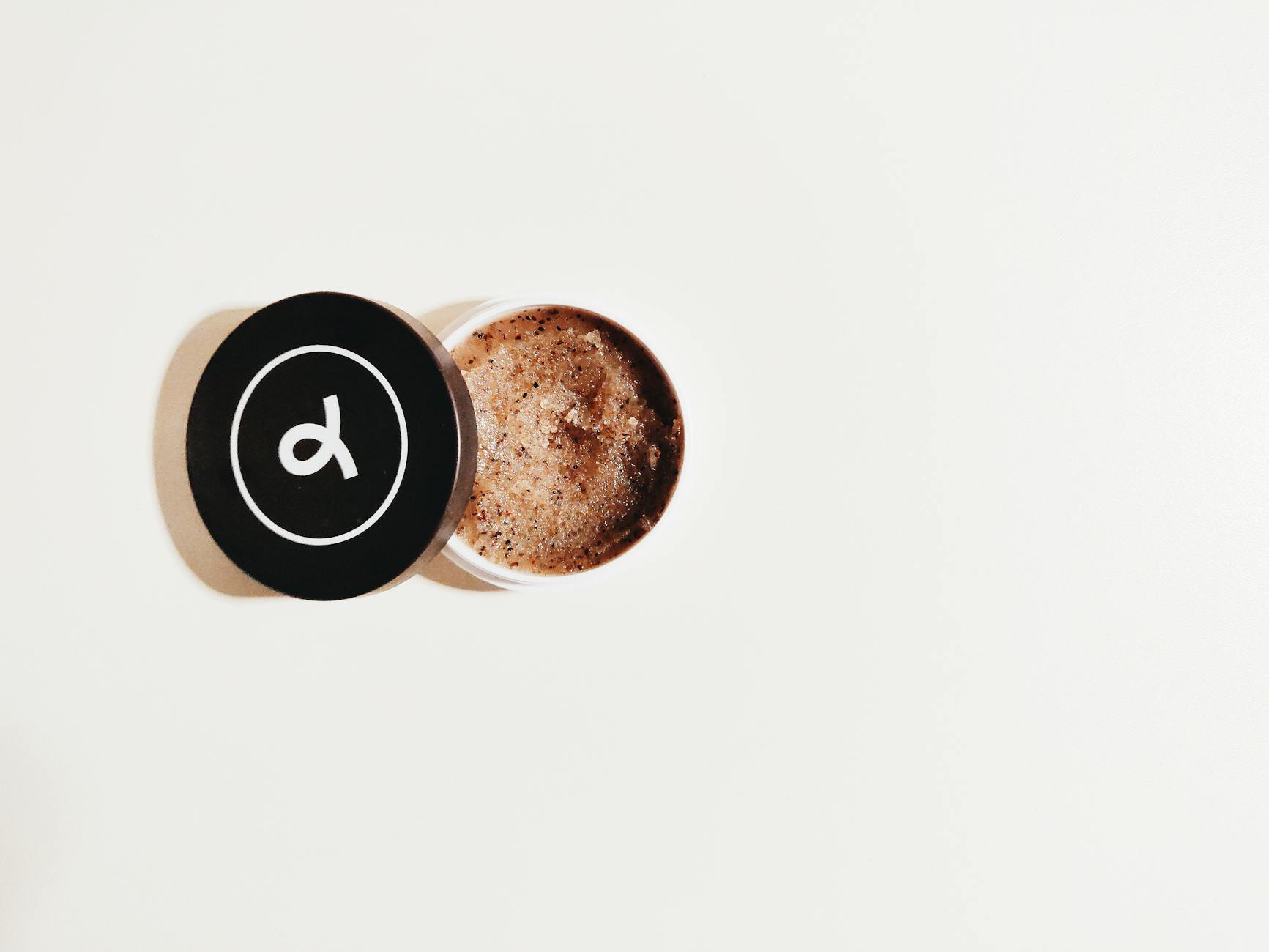
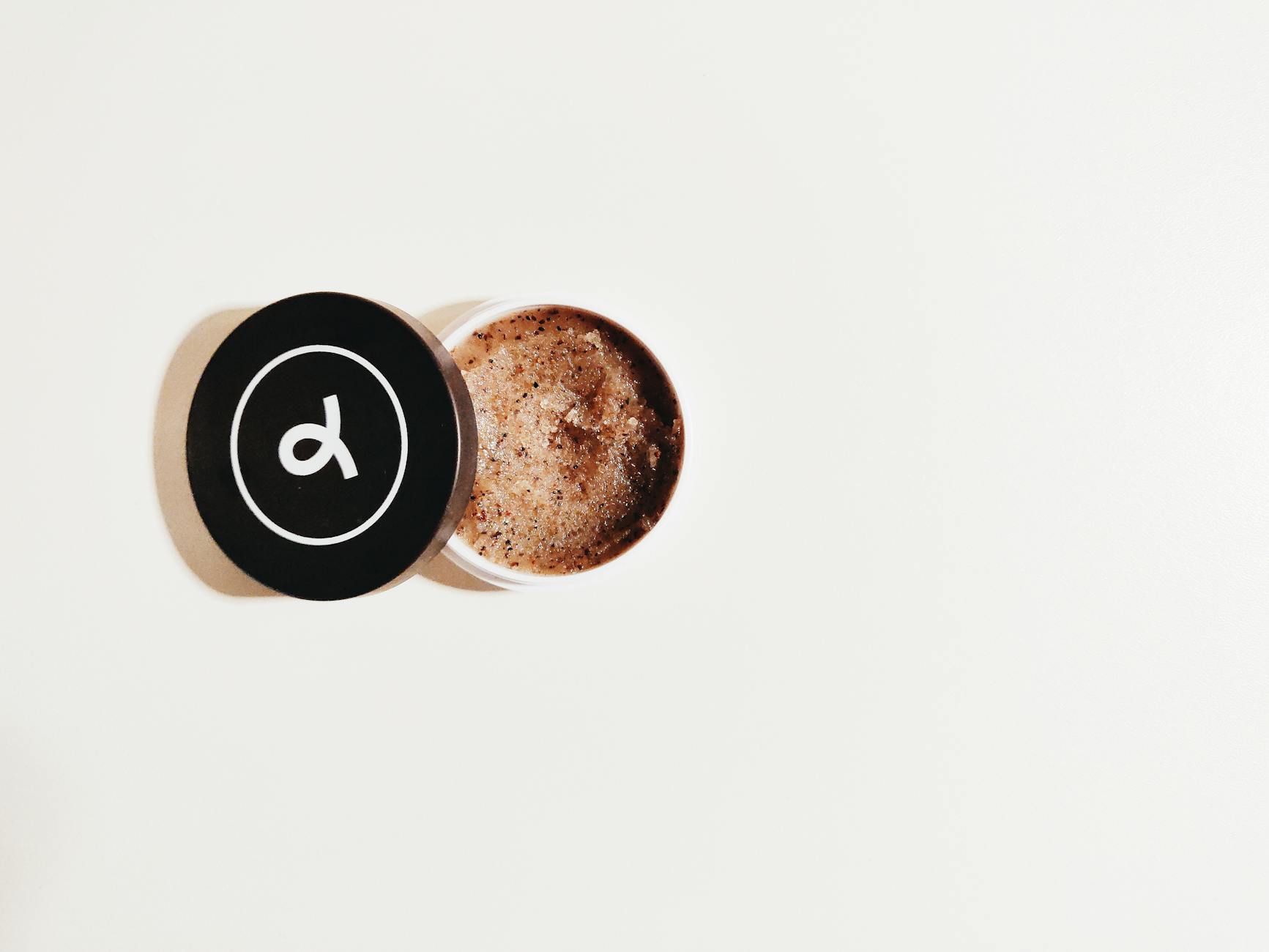
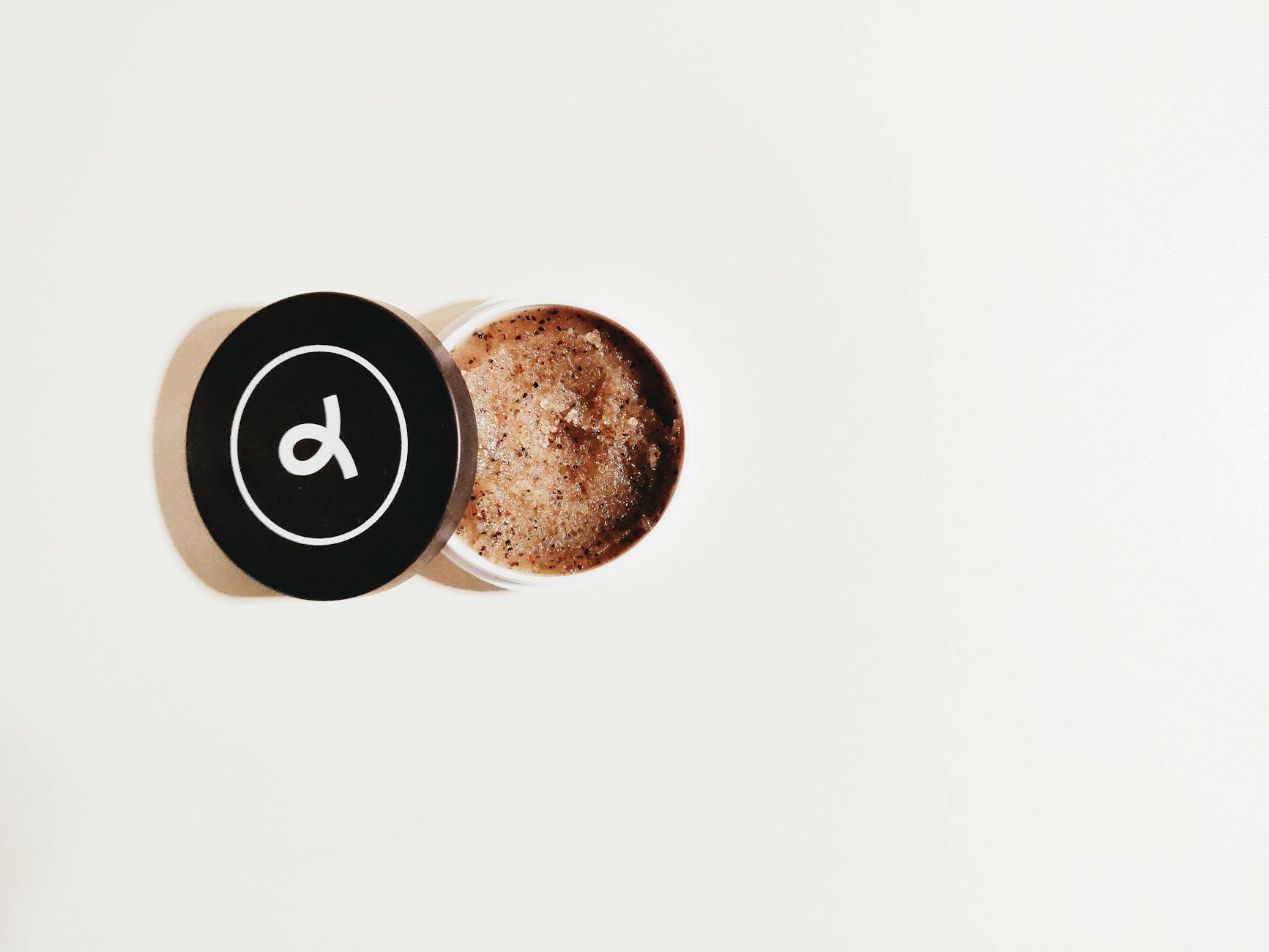
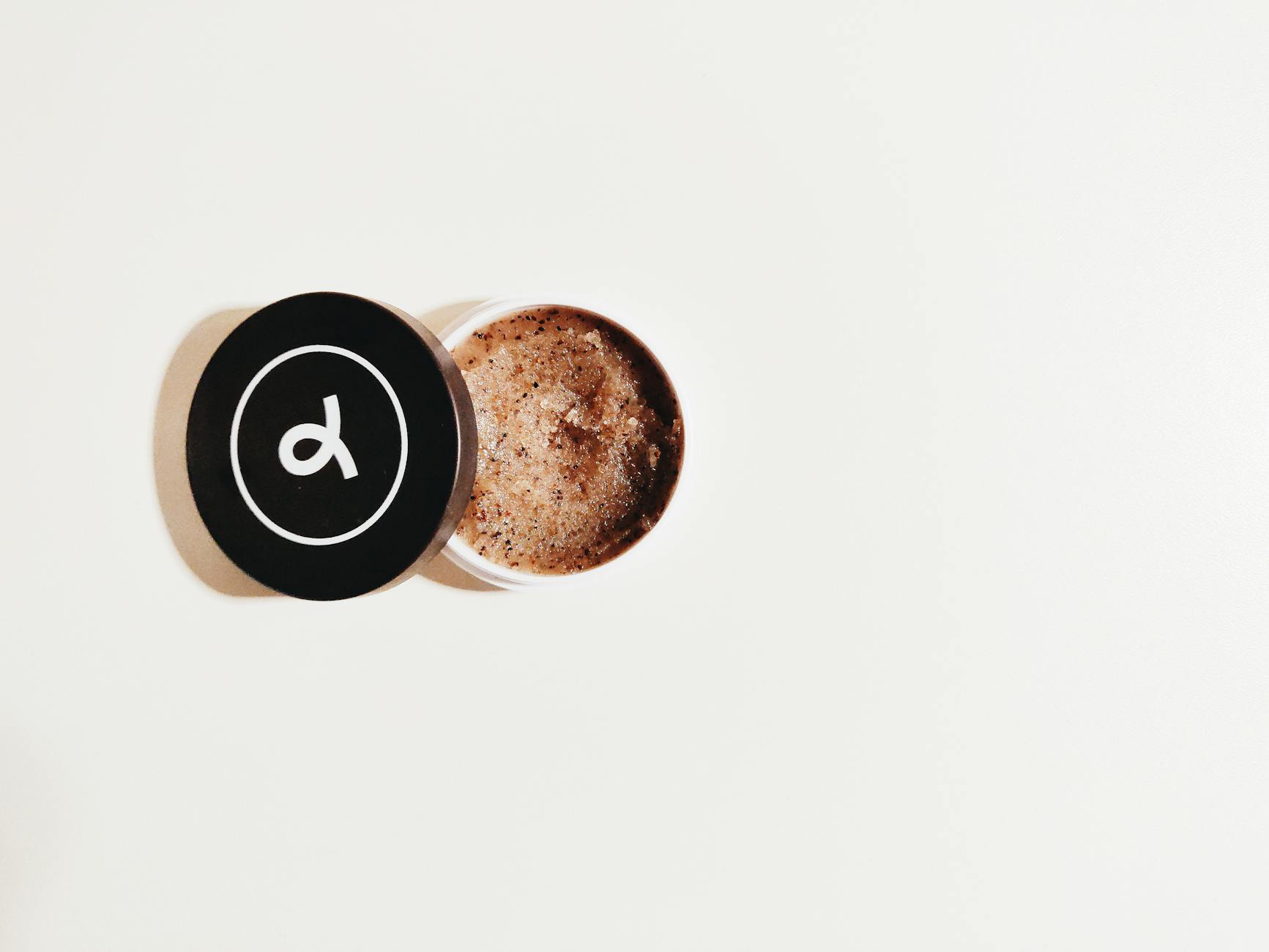
Enzyme exfoliants are natural proteins derived from fruits, vegetables, and other plant sources that gently dissolve dead skin cells on your face's surface. Unlike harsh scrubs that can cause micro-tears or strong acids that might lead to irritation and potential scarring, enzymes work through a process called proteolytic action.
“Enzymes break down the protein bonds holding dead skin cells together, allowing them to naturally slough away without mechanical force.”
This molecular process targets keratin, the protein that makes up your outer skin layer. When dead cells accumulate, they can clog pores and create dull, uneven texture. Enzymes like papain from papaya and bromelain from pineapple specifically target these protein structures, dissolving them without damaging healthy skin underneath.
For example, papain enzymes recognize and break down only dead keratin cells, leaving living skin intact. This selective action makes enzyme exfoliants particularly suitable for sensitive skin types and those concerned about over-exfoliation causing long-term damage.
Most Common Enzyme Ingredients

Four main enzyme types dominate the skincare market, each offering unique benefits for gentle exfoliation. Understanding these differences helps you choose products that won't cause the irritation or damage you're worried about.
“Enzyme exfoliants work by breaking down dead skin cells without the abrasive action that can lead to micro-tears and scarring.”
Papain from papaya targets protein bonds in dead skin cells, making it ideal for congested pores and dull complexions. This enzyme works particularly well for sensitive skin types who can't tolerate acids.
Bromelain from pineapple offers anti-inflammatory properties alongside exfoliation, helping reduce redness while clearing surface buildup. It's gentler than papain and works well for reactive skin.
Pumpkin enzymes combine exfoliation with natural alpha hydroxy acids, providing deeper renewal without harsh scrubbing. These work especially well for aging concerns and uneven texture.
Bacillus ferment represents newer biotechnology, offering controlled exfoliation that adapts to your skin's needs. This synthetic enzyme provides consistent results across different skin types.
For example, Sunday Riley's Good Genes uses papain and pineapple enzymes together, while Peter Thomas Roth's Pumpkin Enzyme Mask relies primarily on pumpkin-derived enzymes for gentle renewal.
How Each Enzyme Type Works
Understanding how different enzyme types function helps you choose the right product without risking over-exfoliation that could lead to irritation or scarring. Fruit enzymes like papain from papaya and bromelain from pineapple work by breaking down keratin proteins that hold dead skin cells together. These gentle enzymes activate at your skin's natural pH of 4.5-5.5, making them suitable for sensitive skin types.
Bacterial enzymes, derived from fermented organisms, work differently by targeting specific proteins in deeper layers of dead skin buildup. They require a slightly higher pH around 6.0-7.0 to activate effectively. This makes them more powerful but potentially irritating for reactive skin.
Speed matters too. Fruit enzymes work gradually over 10-15 minutes, while bacterial enzymes can show results in 3-5 minutes. For example, a papaya enzyme mask provides gentle daily exfoliation, whereas a bacterial protease treatment delivers faster results but should only be used weekly to prevent damage.
Choosing the Right Enzyme Ingredient

Selecting the right enzyme depends on your skin type and concerns. Sensitive skin responds best to gentler options like pumpkin enzymes, which provide mild exfoliation without causing irritation that could worsen existing inflammation.
Start with concentrations between 10-15% for papain or bromelain. Higher percentages increase irritation risk without proportional benefits. Avoid combining enzymes with retinoids or glycolic acid, as this combination can trigger excessive peeling and potential scarring.
Skip enzyme exfoliants if you have active eczema, open wounds, or severe rosacea. These conditions make skin barrier function compromised, increasing sensitivity to enzymatic breakdown. For example, someone with active breakouts should wait until inflammation subsides before introducing papaya-based products.
Reading Enzyme Product Labels
Look for INCI names like "Papain" (papaya enzyme) or "Bromelain" (pineapple enzyme) rather than marketing terms. Concentration percentages aren't always listed, but products mentioning specific enzyme amounts indicate professional formulation. Supporting ingredients like glycerin and hyaluronic acid help prevent over-exfoliation that could cause scarring.
Start with products listing enzymes in the middle of the ingredient list for gentler introduction to enzymatic exfoliation.
Frequently Asked Questions
What are enzyme exfoliants and how do they work?
Enzyme exfoliants are natural proteins derived from fruits, vegetables, and other plant sources that gently dissolve dead skin cells on your face's surface. They work through proteolytic action, breaking down the protein bonds holding dead skin cells together and allowing them to naturally slough away without mechanical force. This molecular process specifically targets keratin, the protein that makes up your outer skin layer, without damaging healthy skin underneath.
What are the most common types of enzyme ingredients in skincare?
The four main enzyme types are papain from papaya, bromelain from pineapple, pumpkin enzymes, and bacillus ferment. Papain targets protein bonds in dead skin cells and is ideal for sensitive skin, while bromelain offers anti-inflammatory properties alongside exfoliation. Pumpkin enzymes combine exfoliation with natural alpha hydroxy acids for deeper renewal, and bacillus ferment provides controlled exfoliation that adapts to your skin's needs.
How long do enzyme exfoliants take to work?
The speed depends on the enzyme type. Fruit enzymes like papain and bromelain work gradually over 10-15 minutes, making them suitable for gentle daily exfoliation. Bacterial enzymes can show results in 3-5 minutes but are more powerful and should only be used weekly to prevent damage.
Are enzyme exfoliants better than scrubs for sensitive skin?
Yes, enzyme exfoliants are much gentler than physical scrubs for sensitive skin. Unlike harsh scrubs that can cause micro-tears or strong acids that might lead to irritation and scarring, enzymes selectively break down only dead keratin cells while leaving living skin intact. This makes them particularly suitable for sensitive skin types and those concerned about over-exfoliation causing long-term damage.
What pH level do enzyme exfoliants need to work effectively?
Fruit enzymes like papain and bromelain activate at your skin's natural pH of 4.5-5.5, making them suitable for sensitive skin types. Bacterial enzymes require a slightly higher pH around 6.0-7.0 to activate effectively, which makes them more powerful but potentially irritating for reactive skin.
Disclaimer: This content is for informational purposes only and does not constitute medical advice. Always consult a qualified healthcare provider before making health decisions.