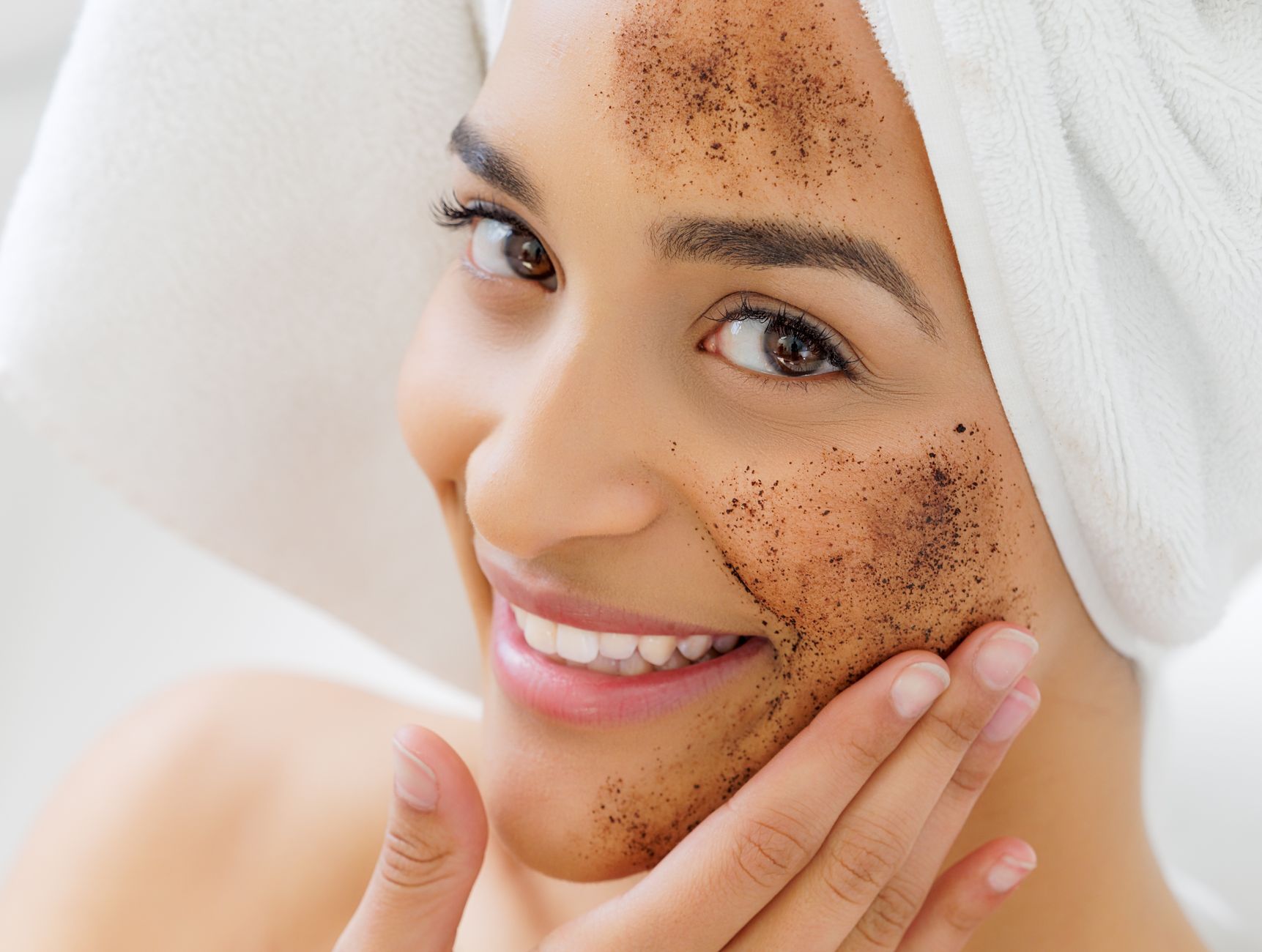
Quick Verdict: Enzyme vs Chemical Exfoliants

Enzyme exfoliants work like gentle workers, slowly dissolving dead skin cells without aggression. They're perfect for sensitive skin types and daily use without causing irritation or the redness that leads to social discomfort. Think papaya or pineapple enzymes that naturally break down proteins in dead skin.
"Enzymes whisper while acids shout when it comes to exfoliation intensity."
Chemical exfoliants, particularly AHAs and BHAs, dive deeper into pores and work faster for stubborn concerns like blackheads and acne scars. They're more aggressive but deliver quicker results for those seeking rapid skin transformation. Salicylic acid penetrates oil-clogged pores while glycolic acid resurfaces the top layer.
Choose enzymes if you have reactive skin or want gentle daily maintenance. Pick chemical exfoliants for oily skin, persistent breakouts, or when you need faster results. Both prevent future breakouts, but enzymes prioritize skin barrier protection while chemicals prioritize deep cleaning power.
How They Work: Mechanism Breakdown
Understanding how these exfoliants work helps you choose the right approach without risking skin damage. Enzyme exfoliants contain proteins like papain from papaya or bromelain from pineapple that specifically target the bonds holding dead skin cells together. These enzymes act like tiny scissors, cutting through keratin proteins to gently loosen surface debris without penetrating deeply into your skin.
“Enzymes work like gentle scissors while acids act like controlled chemical peels.”
Chemical exfoliants take a completely different approach. Alpha hydroxy acids (AHAs) like glycolic acid and beta hydroxy acids (BHAs) like salicylic acid actually dissolve the glue between skin cells while stimulating faster cell turnover. Glycolic acid penetrates multiple skin layers, while salicylic acid dives deep into pores to clear oil and bacteria.
The speed and depth differences matter significantly. Enzymes work only on the surface and require 10-15 minutes of contact time to break down proteins. Chemical acids start working immediately upon application and can penetrate several cell layers depending on concentration. For example, a 2% salicylic acid treatment reaches into pores, while a 10% glycolic acid peel affects deeper skin layers where new cells form.
This fundamental difference means enzymes rarely cause irritation, while chemical acids can trigger redness or peeling if used incorrectly.
Comparison Table: Enzyme vs Chemical Exfoliants

Understanding the key differences between enzyme and chemical exfoliants helps you make informed decisions without fear of damaging your skin permanently. Here's a direct comparison of what matters most for your skincare journey.
| Factor | Enzyme Exfoliants | Chemical Exfoliants |
|---|---|---|
| Gentleness Level | Very gentle, minimal irritation | Moderate to strong, potential irritation |
| Best for Skin Types | Sensitive, reactive, rosacea-prone | Normal to oily, acne-prone |
| Frequency of Use | 2-3 times per week | Start 1x weekly, build to daily |
| Results Timeline | Immediate smoothness, subtle improvement | 6-8 weeks for significant changes |
| Side Effects | Rare, occasional mild redness | Dryness, peeling, sun sensitivity |
This comparison shows enzyme exfoliants prioritize safety and comfort, while chemical exfoliants deliver faster, more dramatic results with higher risk.
Who Should Choose Enzyme Exfoliants
Enzyme exfoliants work best for people with sensitive skin conditions like rosacea, eczema, or reactive skin that turns red from traditional acids. If physical scrubs leave your face irritated or chemical peels feel too harsh, enzymes offer gentle renewal without risking permanent damage or scarring.
Beginners to exfoliation should start with enzymes before moving to stronger options. These natural proteins dissolve dead skin cells slowly and predictably, making them nearly impossible to overuse. You can safely incorporate enzyme masks 2-3 times weekly without the trial-and-error period that acids require.
Enzyme exfoliants excel for daily maintenance routines. Unlike glycolic acid that requires careful timing and gradual introduction, enzyme cleansers work gently enough for everyday use while still promoting clear skin.
Pregnant and nursing mothers often choose enzymes since they avoid potentially concerning chemical ingredients. Papaya and pumpkin enzymes provide effective exfoliation during periods when many skincare ingredients are restricted, helping maintain healthy skin without safety concerns.
Who Should Choose Chemical Exfoliants
Chemical exfoliants work best for people dealing with specific skin concerns that require deeper penetration. If you struggle with persistent acne, stubborn blackheads, or dark spots from old breakouts, acids like salicylic acid and glycolic acid can reach deeper into your pores than gentler alternatives.
These exfoliants excel at tackling hyperpigmentation and uneven skin texture that won't respond to milder treatments. People with oily or combination skin often see dramatic improvements because chemical exfoliants can cut through excess sebum and prevent clogged pores that lead to scarring.
However, chemical exfoliants require experience and patience. Start with lower concentrations if you're new to acids, and always use sunscreen since these treatments increase sun sensitivity. Those with sensitive skin should proceed cautiously or consult a dermatologist first.
Can You Use Both Together?

You can combine enzyme and chemical exfoliants, but timing and technique matter. The safest approach is alternating schedules rather than using both simultaneously. This prevents over-exfoliation, which can lead to irritation and compromise your skin barrier without causing permanent damage.
Start with enzyme exfoliants in the morning and chemical exfoliants at night, or alternate days entirely. For example, use a papaya enzyme mask on Monday and Wednesday, then apply glycolic acid on Tuesday and Thursday. This gives your skin recovery time between treatments.
Avoid layering them directly on top of each other, as this creates excessive exfoliation that your skin can't handle. Skip combination approaches entirely if you have sensitive skin, active breakouts, or are new to chemical exfoliants. Always introduce one product at a time to monitor your skin's response before adding the second exfoliant to your routine.
Final Recommendation
Your safest path to clear skin starts with enzymes. They work gently without causing irritation or scarring that might worsen your skin concerns. Begin with papaya or pineapple-based products twice weekly to test your tolerance.
If enzymes don't deliver the results you want after six weeks, graduate to chemical exfoliants. Start with low-concentration salicylic acid for acne-prone skin or gentle lactic acid for general concerns. This progressive approach prevents overwhelming your skin.
When persistent breakouts or specific skin conditions arise, consult a dermatologist before experimenting further. They can prescribe targeted treatments that address your exact needs without trial and error that might delay your progress toward clear skin.
Start gentle with enzymes, progress to chemicals if needed, and consult professionals for persistent concerns.
Frequently Asked Questions
What's the difference between enzyme and chemical exfoliants?
Enzyme exfoliants work like gentle scissors, using proteins from fruits like papaya or pineapple to slowly dissolve dead skin cells on the surface without penetrating deeply. Chemical exfoliants like AHAs and BHAs dissolve the bonds between skin cells and can penetrate multiple layers, working faster but with more potential for irritation. Enzymes are perfect for sensitive skin and daily use, while chemical exfoliants are better for oily skin and stubborn concerns like blackheads.
Are enzyme exfoliants better for sensitive skin?
Yes, enzyme exfoliants are much better for sensitive skin because they work only on the surface and rarely cause irritation or redness. They contain natural proteins like papain from papaya that gently break down dead skin cells without the aggressive penetration of chemical acids. Enzyme exfoliants are ideal for people with reactive skin, rosacea-prone skin, or those who want gentle daily maintenance without social discomfort from redness.
How long do enzyme exfoliants take to work?
Enzyme exfoliants require 10-15 minutes of contact time to break down the proteins that hold dead skin cells together. Unlike chemical acids that start working immediately upon application, enzymes work more slowly and gently on the surface level. This slower process is actually beneficial because it reduces the risk of irritation while still effectively removing dead skin cells.
Which exfoliant should I choose for acne and blackheads?
Chemical exfoliants are better for acne and blackheads because they can penetrate deep into pores to clear oil and bacteria. Salicylic acid (a BHA) is particularly effective as it dives into oil-clogged pores, while glycolic acid can help with acne scars by resurfacing the top layer of skin. While both types prevent future breakouts, chemical exfoliants prioritize deep cleaning power over gentle maintenance.
Can I use enzyme exfoliants daily?
Yes, enzyme exfoliants are gentle enough for daily use without causing irritation or damaging your skin barrier. Because they work only on the surface level and use natural proteins to gently dissolve dead skin cells, they don't carry the same risk of over-exfoliation as chemical acids. This makes them perfect for people who want consistent daily maintenance without the redness or peeling that can come from stronger exfoliants.
Disclaimer: This content is for informational purposes only and does not constitute medical advice. Always consult a qualified healthcare provider before making health decisions.