Why Make Your Own Face Scrubs

Creating your own face scrubs offers significant advantages over store-bought alternatives, especially when you're working to achieve clear, healthy skin without risking irritation or damage.
The most compelling reason to make your own scrubs is complete ingredient control. You know exactly what touches your face, eliminating harsh chemicals or allergens that could trigger breakouts or worsen existing skin concerns. Fresh ingredients like oatmeal, honey, and sugar maintain their full potency, unlike commercial products that may sit on shelves for months.
“Complete ingredient control means you can avoid harsh chemicals that might trigger breakouts or worsen existing skin concerns.”
Customization becomes simple when you understand your skin type. Sensitive skin benefits from gentle oatmeal bases, while oily skin responds well to sugar scrubs with tea tree oil. This targeted approach helps prevent the trial-and-error cycle that often leads to frustration and wasted money on products that don't work for your specific needs.
Essential Ingredients for DIY Face Scrubs

Creating effective face scrubs starts with choosing the right exfoliating agents for your skin. Sugar works as an excellent gentle option because its round crystals dissolve gradually, reducing the risk of micro-tears that could lead to scarring. Oatmeal offers another safe choice, providing mild exfoliation while soothing irritated skin with its natural anti-inflammatory properties.
“The key to safe DIY exfoliation lies in choosing ingredients that buff away dead skin without creating damage.”
Moisturizing bases prevent your scrub from stripping essential oils from your face. Honey acts as a natural humectant, drawing moisture to your skin while providing antibacterial benefits that help prevent breakouts. Coconut oil and jojoba oil work well for dry skin types, while lighter options like aloe vera gel suit oily complexions.
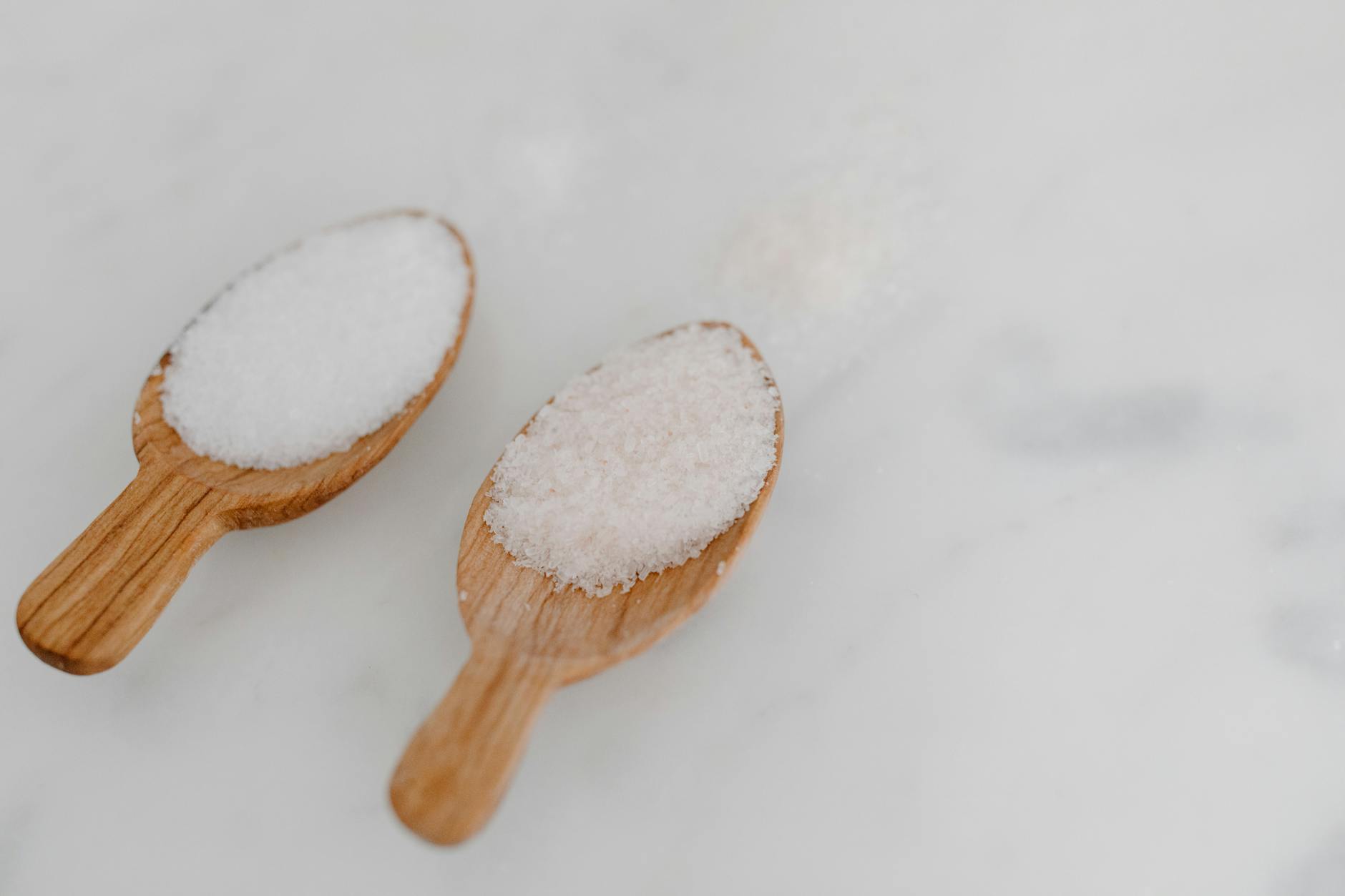
Avoid harsh ingredients like salt, baking soda, or lemon juice on facial skin. These can disrupt your skin's pH balance and cause irritation. For example, while salt scrubs work wonderfully on rough body areas, they're too abrasive for delicate facial tissue.
Match ingredients to your skin type: sensitive skin benefits from oatmeal and honey combinations, while acne-prone skin responds well to sugar scrubs with tea tree oil additions.
5 Proven DIY Face Scrub Recipes
These tested recipes use simple, safe ingredients to address common skin concerns without risking permanent damage or making breakouts worse. Each recipe targets specific skin types and follows gentle exfoliation principles.
Gentle Oatmeal Honey Scrub (Sensitive Skin)
Mix 2 tablespoons ground oats with 1 tablespoon raw honey and 1 teaspoon warm water. The oats provide mild physical exfoliation while honey soothes inflammation and adds moisture. Apply in gentle circular motions for 30 seconds, then rinse with lukewarm water.
Brown Sugar Olive Oil Scrub (Dry Skin)
Combine 3 tablespoons brown sugar with 2 tablespoons extra virgin olive oil. Brown sugar's smaller granules exfoliate gently while olive oil deeply moisturizes. Massage onto damp face for one minute, focusing on rough patches.
Coffee Grounds Coconut Oil Scrub (Dull Skin)
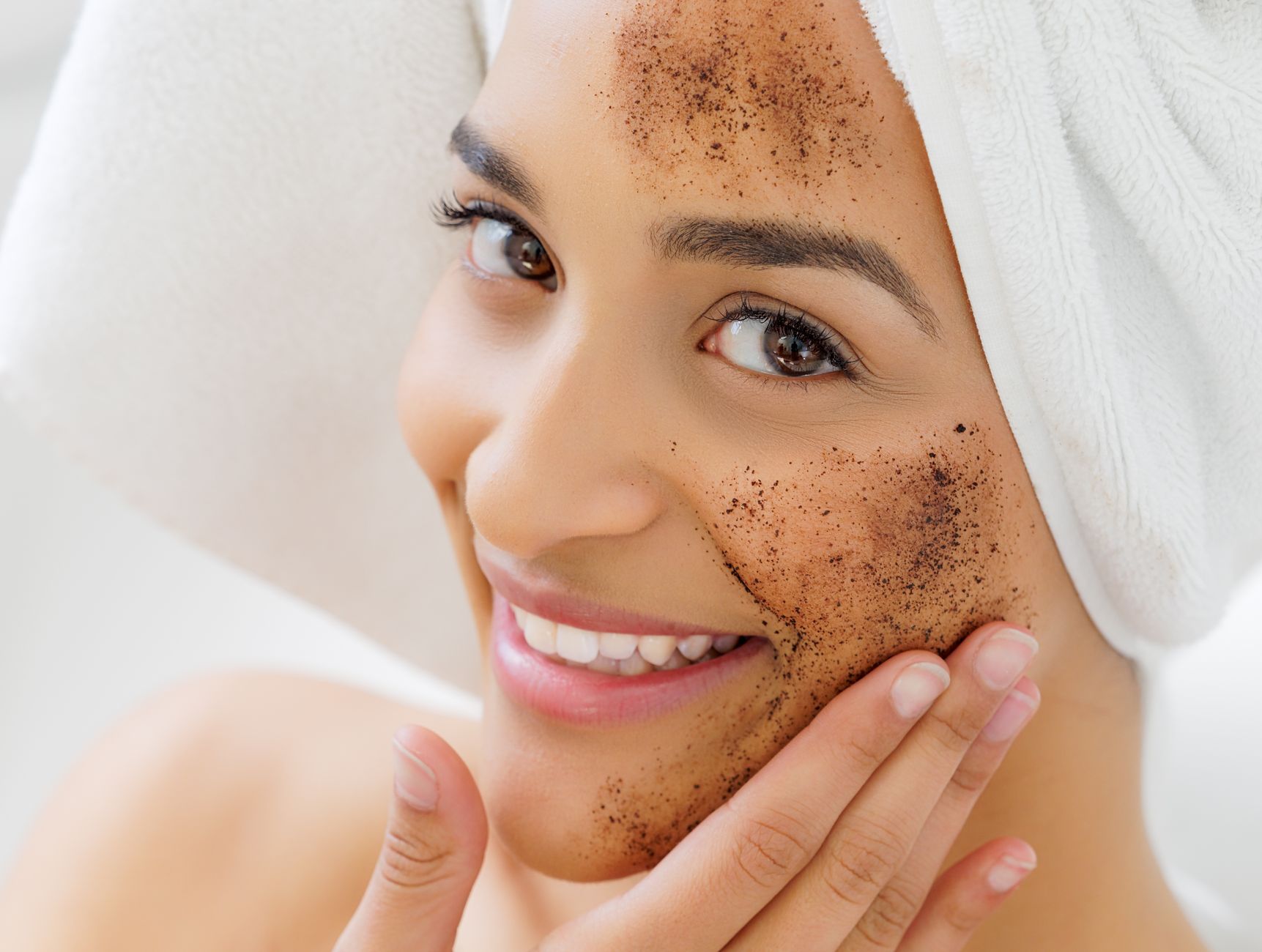
Blend 2 tablespoons used coffee grounds with 1 tablespoon melted coconut oil. Coffee grounds boost circulation while coconut oil hydrates. Use cooled grounds to avoid irritation.
Baking Soda Scrub (Oily Skin)
Mix 1 tablespoon baking soda with enough water to form a paste. This alkaline scrub helps control oil and unclog pores. Limit use to once weekly as overuse can disrupt your face's natural pH balance.
Rice Flour Milk Scrub (Brightening)
Combine 2 tablespoons rice flour with enough whole milk to create a smooth paste. Rice flour gently buffs away dead skin cells while milk's lactic acid provides chemical exfoliation for brighter skin tone.
How to Apply DIY Face Scrubs Safely
Proper application technique prevents the damage and scarring that many people worry about when using physical exfoliants. Your face requires gentle treatment, especially when removing dead skin cells.
Wash your face with lukewarm water and pat dry before applying any scrub.
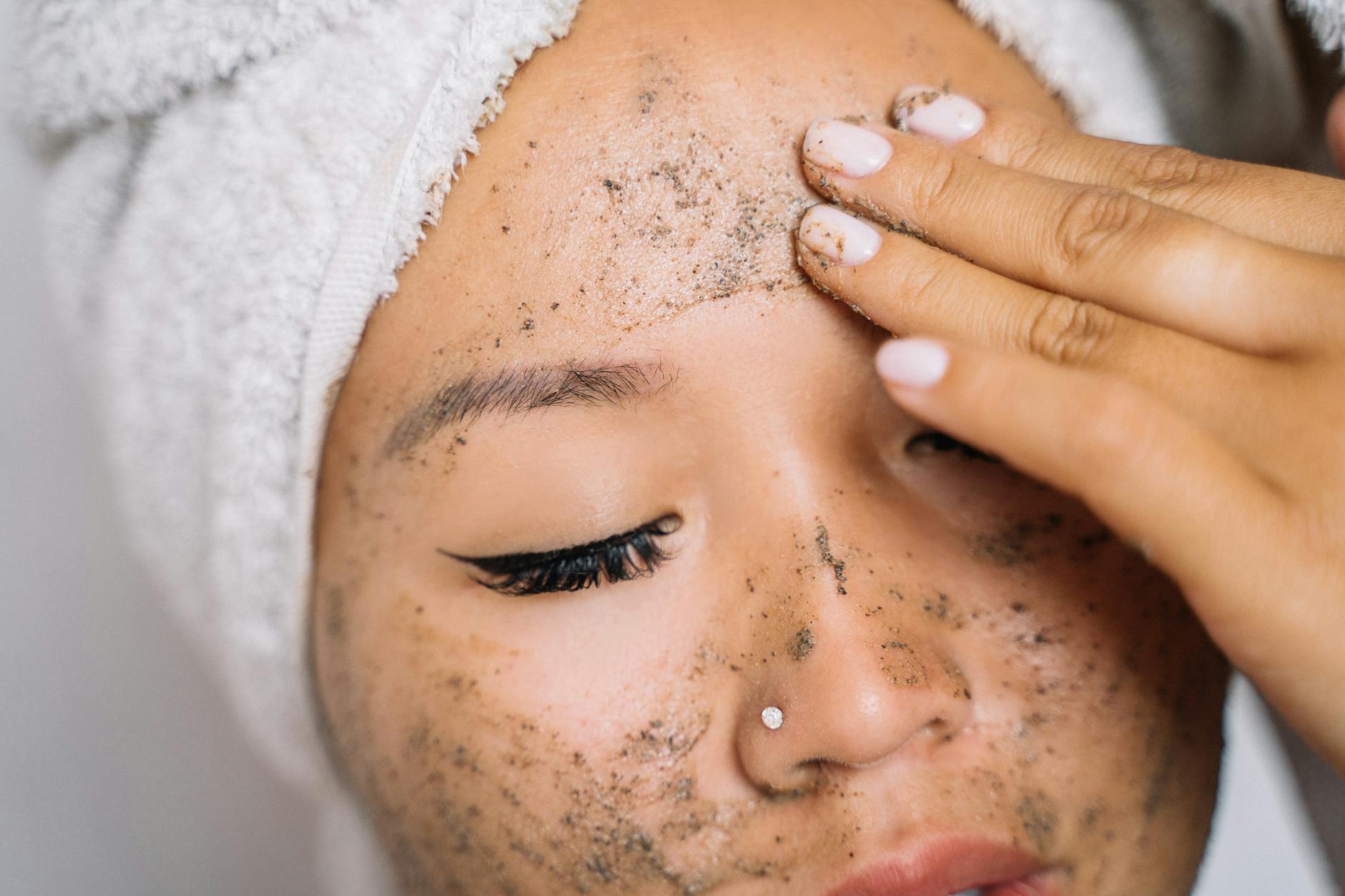
Use fingertips to massage the scrub in small, gentle circular motions for 30-60 seconds maximum.
Remove all scrub particles with cool water to close pores and prevent irritation.
Apply a gentle moisturizer immediately while skin is still damp to lock in hydration.
Never scrub for longer than one minute or apply heavy pressure. For example, use the same gentle pressure you'd apply when washing a delicate fabric. This approach clears pores effectively without causing micro-tears that lead to scarring or inflammation.
Storage and Safety Tips

Store your DIY face scrubs in clean, airtight glass containers in the refrigerator to prevent bacterial growth. Mason jars work perfectly and help extend shelf life while keeping ingredients fresh.
Most homemade scrubs last only 3-5 days when refrigerated due to the absence of preservatives. Sugar-based scrubs typically spoil faster than salt-based ones because bacteria thrive on sugar. Oil-heavy mixtures may last up to a week but watch for rancid smells.
Check for spoilage signs before each use: unusual odor, color changes, mold growth, or separation that doesn't remix easily. When in doubt, discard the mixture immediately to avoid skin irritation or infection.
Always perform a patch test 24 hours before using any new scrub recipe. Apply a small amount to your inner wrist or behind your ear to check for allergic reactions or sensitivity.
When to Skip DIY and See a Professional
While homemade scrubs work well for healthy skin, certain conditions require professional intervention. Stop using DIY exfoliants immediately if you experience persistent redness, burning, or increased breakouts after 48 hours.
Active acne, rosacea, eczema, or open wounds on your face need dermatological care, not physical scrubs. These conditions can worsen with DIY treatments, potentially leading to scarring or prolonged healing times. If you notice new dark spots, unusual texture changes, or reactions that don't resolve within two days, schedule a dermatologist appointment.
Professional-grade treatments offer controlled exfoliation that reduces risks while delivering faster results. Chemical peels, microdermabrasion, and prescription retinoids provide more predictable outcomes than kitchen remedies. When your skin concerns persist beyond basic maintenance needs, transitioning to professional care protects against complications while addressing underlying issues effectively.
Stop DIY exfoliants immediately if you experience persistent irritation and consult a dermatologist for active skin conditions or concerning reactions.
Frequently Asked Questions
Why should I make my own face scrubs instead of buying them?
Making your own face scrubs gives you complete ingredient control, allowing you to avoid harsh chemicals or allergens that could trigger breakouts. You can save up to 70% compared to commercial products while using fresh ingredients that maintain their full potency. DIY scrubs also allow for customization based on your specific skin type and concerns.
What are the best ingredients for DIY face scrubs?
Sugar works as an excellent gentle exfoliating agent because its round crystals dissolve gradually, reducing the risk of micro-tears. Oatmeal provides mild exfoliation while soothing irritated skin with anti-inflammatory properties. For moisturizing bases, honey acts as a natural humectant with antibacterial benefits, while coconut oil and jojoba oil work well for dry skin types.
What ingredients should I avoid in homemade face scrubs?
Avoid harsh ingredients like salt, baking soda, or lemon juice on facial skin as they can disrupt your skin's pH balance and cause irritation. While salt scrubs work well on rough body areas, they're too abrasive for delicate facial tissue. These ingredients can lead to damage rather than the gentle exfoliation your face needs.
How do I make an oatmeal honey face scrub?
Mix 2 tablespoons ground oats with 1 tablespoon raw honey and 1 teaspoon warm water. The oats provide mild physical exfoliation while honey soothes inflammation and adds moisture. Apply in gentle circular motions for 30 seconds, then rinse with lukewarm water.
Which DIY face scrub is best for dry skin?
The brown sugar olive oil scrub works best for dry skin. Combine 3 tablespoons brown sugar with 2 tablespoons extra virgin olive oil. Brown sugar's smaller granules exfoliate gently while olive oil deeply moisturizes, making it ideal for addressing dry skin concerns.
Disclaimer: This content is for informational purposes only and does not constitute medical advice. Always consult a qualified healthcare provider before making health decisions.