Why Exfoliation Frequency Matters for Your Face

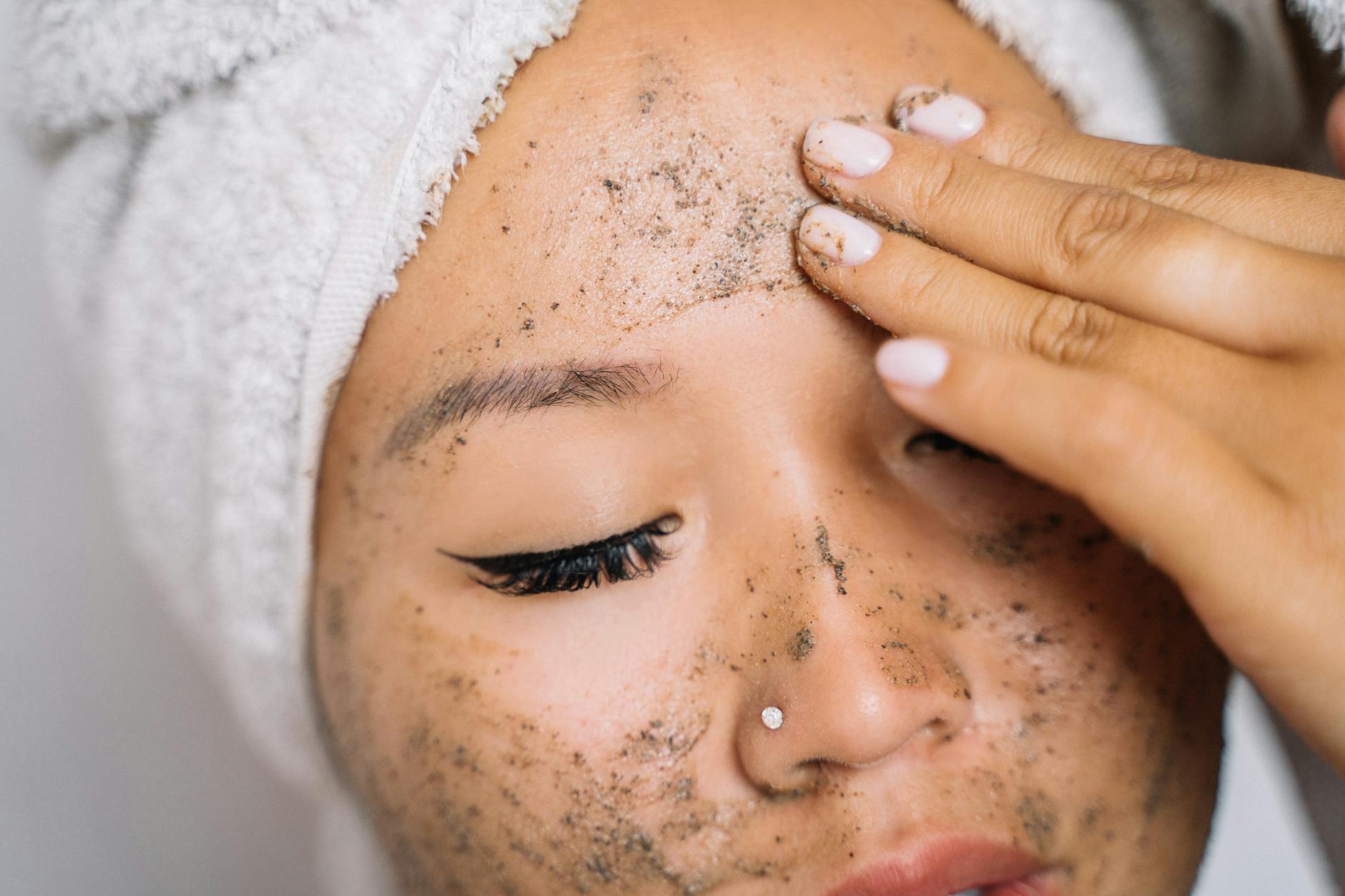
Your face requires more careful attention than the rest of your body when it comes to physical exfoliation. The facial skin is significantly thinner and more sensitive, making it vulnerable to damage from aggressive or frequent scrubbing. Understanding proper frequency prevents the permanent scarring and irritation that many people fear when starting their skincare journey.
“Getting exfoliation frequency wrong is one of the fastest ways to sabotage your skin goals.”
Over-exfoliation creates a cascade of problems that actually work against clear skin. When you scrub too often or too harshly, you strip away your skin's protective barrier. This leads to increased sensitivity, redness, and paradoxically, more breakouts as your skin overproduces oil to compensate for the damage.
Under-exfoliation presents its own set of challenges. Dead skin cells accumulate on the surface, creating a dull appearance and clogging pores. This buildup prevents your other skincare products from penetrating effectively, slowing your progress toward the clear complexion you want.
The key lies in finding your skin's sweet spot – frequent enough to maintain clarity without causing irritation or compromising your skin's natural defenses.
General Guidelines: How Often to Exfoliate Your Face

The golden rule of face exfoliation starts with understanding your skin type. Most dermatologists recommend beginning conservatively and gradually increasing frequency as your skin adapts. This approach helps prevent irritation and the kind of damage that leads to permanent scarring.
“Start low and go slow—your skin will tell you when it's ready for more frequent exfoliation.”
For normal skin types, aim for 2-3 times per week. This frequency provides enough exfoliation to maintain cell turnover without overwhelming your skin's natural barrier. Space sessions at least one day apart to allow recovery time.
Sensitive skin requires extra caution. Limit physical exfoliation to 1-2 times per week maximum. Your skin may react strongly to over-exfoliation, causing redness and inflammation that takes weeks to heal.
Oily skin can typically handle more frequent exfoliation—2-4 times per week. The excess oil production means your skin recovers faster from the mechanical action. However, avoid daily exfoliation even with oily skin.
Dry skin benefits from gentle, infrequent exfoliation—1-2 times per week. Over-exfoliating dry skin can worsen flakiness and create micro-tears in the skin barrier.
For example, if you have combination skin with an oily T-zone and normal cheeks, you might exfoliate your forehead and nose three times weekly while treating your cheeks more gently twice weekly. Always monitor your skin's response and adjust accordingly.
Factors That Affect Your Exfoliation Schedule
Your face responds differently to exfoliation based on several personal factors that can make or break your skincare routine. Understanding these variables helps you avoid the over-exfoliation that leads to redness, irritation, and potential scarring.
Age significantly impacts how often you should exfoliate. Younger skin typically produces more oil and sheds dead cells faster, often tolerating exfoliation 2-3 times per week. Mature skin over 40 has slower cell turnover and thinner structure, requiring gentler treatment with exfoliation just once weekly.
Climate plays a major role in your exfoliation needs. Cold, dry winters slow down natural skin shedding, potentially allowing for slightly more frequent exfoliation. Hot, humid summers increase oil production and sensitivity, requiring you to reduce frequency to prevent irritation.
Your existing skincare products dramatically influence exfoliation frequency. Using retinoids, AHA serums, or acne medications means you should cut physical exfoliation to once weekly or less. These products already accelerate cell turnover, making additional scrubbing potentially harmful.
Specific skin concerns require tailored approaches. Acne-prone skin benefits from gentle, consistent exfoliation twice weekly, while sensitive or rosacea-prone skin may only tolerate monthly exfoliation with the softest possible products.
Signs You're Exfoliating Too Much or Too Little
Your face will tell you when your exfoliation routine needs adjustment. Learning to read these signals prevents damage and helps you achieve clearer skin without the fear of permanent scarring that comes from overdoing it.
Over-exfoliation shows up as persistent redness that doesn't fade within an hour after exfoliating. You might notice burning or stinging when applying regular moisturizer, excessive dryness even with hydrating products, or small bumps that weren't there before. Your skin may feel tight and look shiny in an unhealthy way. For example, if your face feels raw after using a scrub twice weekly, you're likely overdoing it.
Under-exfoliation creates different problems. Your face looks dull despite using brightening products, feels rough or bumpy to the touch, and develops more blackheads or whiteheads than usual. Makeup may not apply smoothly, and skincare products seem to sit on top of your skin rather than absorbing.
When you notice over-exfoliation signs, stop physical exfoliants for one week and focus on gentle cleansing and moisturizing. If you see under-exfoliation symptoms, gradually increase frequency by adding one extra session per week until your skin improves.
Building Your Personal Exfoliation Schedule

Creating the right exfoliation routine for your face requires a methodical approach. Start with once per week and observe how your skin responds over the next seven days. If you notice no irritation or excessive dryness, you can gradually increase to twice weekly after two weeks.
Use your physical exfoliant once weekly for the first two weeks to establish baseline tolerance.
Keep a simple skin diary noting any redness, sensitivity, or changes in texture after each session.
Reduce frequency during winter months when skin naturally becomes drier and more sensitive.
Take mandatory breaks when your skin shows stress signals like persistent redness or increased breakouts. Remember that aggressive exfoliation can cause scarring and worsen acne, so patience protects your skin's long-term health.
Life changes like illness, hormonal shifts, or new medications warrant temporary schedule adjustments. For example, reduce exfoliation frequency during menstruation when skin sensitivity typically peaks. Your routine should evolve with your skin's changing needs rather than following rigid rules.
When to Consult a Dermatologist
Your face deserves professional attention when home exfoliation isn't working as expected. If you experience persistent redness, burning, or breakouts after using physical exfoliants, stop immediately and schedule a dermatology appointment. These symptoms could indicate over-exfoliation damage or underlying skin sensitivity that requires medical evaluation.
Uncertainty about your skin type warrants professional guidance too. A dermatologist can accurately assess whether your skin is oily, dry, combination, or sensitive, then recommend appropriate exfoliation frequency and products. This prevents the trial-and-error approach that often leads to irritation and setbacks.
Existing skin conditions like rosacea, eczema, or active acne need specialized care. These conditions make your skin more vulnerable to scarring from improper exfoliation. A dermatologist will create a treatment plan that addresses your specific needs while minimizing risks to your skin's long-term health and appearance.
Professional guidance prevents exfoliation mistakes that could damage your skin permanently.
Frequently Asked Questions
How often should I exfoliate my face?
For normal skin types, aim for 2-3 times per week with at least one day between sessions to allow recovery time. Sensitive skin should limit exfoliation to 1-2 times per week maximum, while oily skin can typically handle 2-4 times per week. Dry skin benefits from gentle, infrequent exfoliation of 1-2 times per week to avoid worsening flakiness.
What happens if I exfoliate my face too often?
Over-exfoliation strips away your skin's protective barrier, leading to increased sensitivity, redness, and paradoxically more breakouts as your skin overproduces oil to compensate. This aggressive approach can cause permanent scarring and irritation that works against your clear skin goals. Getting exfoliation frequency wrong is one of the fastest ways to sabotage your skincare routine.
Why is facial skin different from body skin when it comes to exfoliation?
Facial skin is significantly thinner and more sensitive than the rest of your body, making it vulnerable to damage from aggressive or frequent scrubbing. This delicate nature requires more careful attention and gentler treatment to prevent permanent scarring and irritation. Understanding this difference is crucial for preventing the damage that many people fear when starting their skincare journey.
How does age affect how often I should exfoliate my face?
Younger skin typically produces more oil and sheds dead cells faster, often tolerating exfoliation 2-3 times per week. Mature skin over 40 has slower cell turnover and thinner structure, requiring gentler treatment with exfoliation just once weekly. Age significantly impacts your skin's response to exfoliation and should guide your frequency decisions.
What problems does under-exfoliation cause?
Under-exfoliation allows dead skin cells to accumulate on the surface, creating a dull appearance and clogging pores. This buildup prevents your other skincare products from penetrating effectively, slowing your progress toward the clear complexion you want. Finding the right balance is key to maintaining clarity without causing irritation.
Disclaimer: This content is for informational purposes only and does not constitute medical advice. Always consult a qualified healthcare provider before making health decisions.