Quick Verdict: Which Should You Choose?

For sensitive skin, face scrubs with gentle ingredients win hands down. They offer controlled exfoliation without the intensity that might trigger irritation or unwanted reactions. Your face deserves careful treatment, especially if you're worried about potential damage.
"Face scrubs give you complete control over pressure and frequency, making them the safer choice for beginners."
Budget-conscious? Face scrubs cost under $15 and last months, while microdermabrasion sessions run $100-200 each. Professional microdermabrasion delivers faster results but requires multiple appointments. At-home microdermabrasion kits offer middle ground at $30-80.
Choose professional microdermabrasion for stubborn acne scars or sun damage when you need dramatic improvement quickly. Stick with quality face scrubs for maintenance, prevention, and gentle weekly exfoliation that fits any routine.
What Is Microdermabrasion?
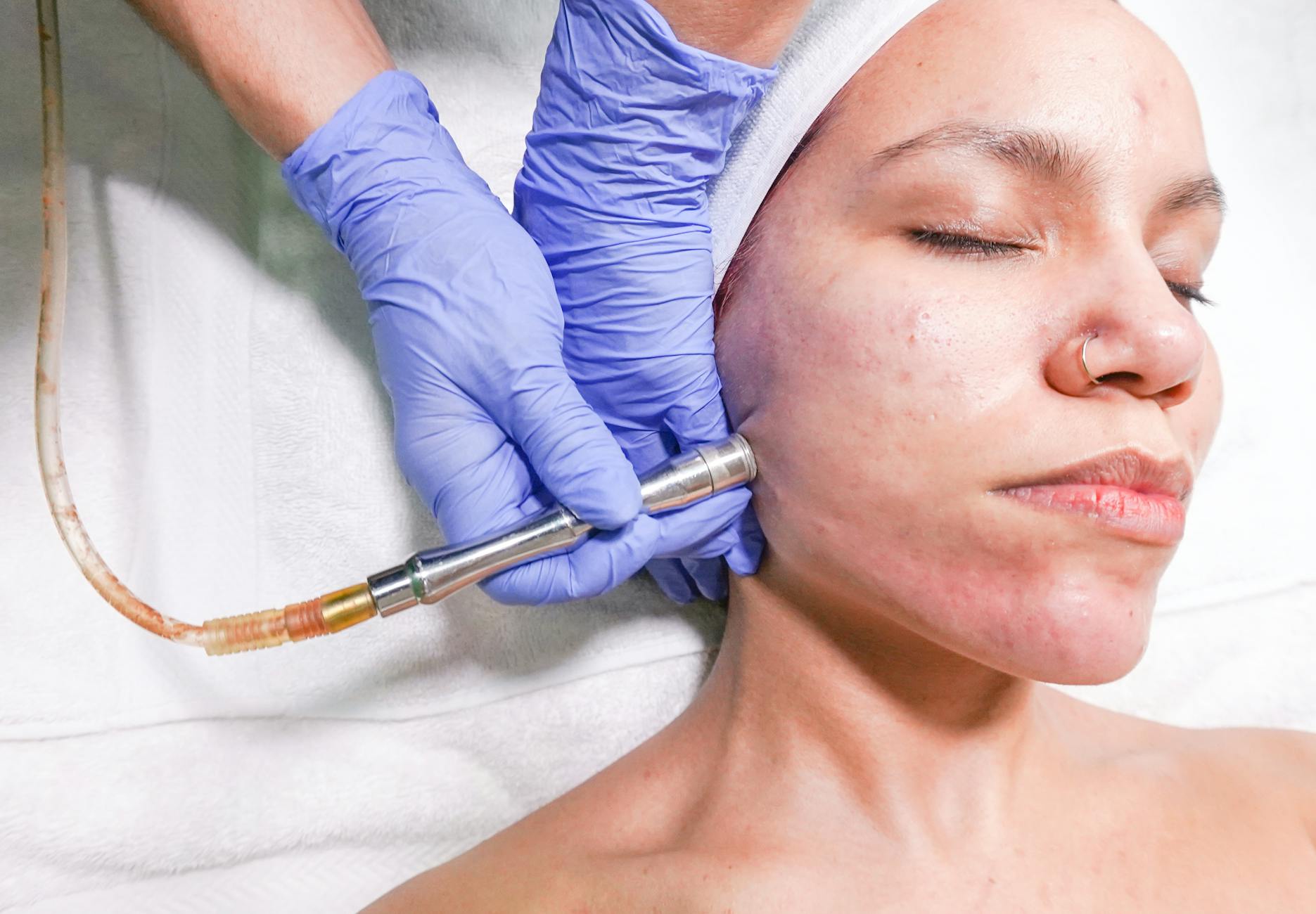
Microdermabrasion is a professional skin treatment that removes the outermost layer of dead skin cells from your face using gentle abrasion. Think of it as a controlled sanding process that reveals fresher, smoother skin underneath without breaking the skin barrier or causing permanent damage.
“Microdermabrasion works by precisely removing only the very top layer of skin cells, making it safer than harsh scrubbing methods.”
The procedure uses one of two methods: crystal microdermabrasion shoots fine aluminum oxide crystals across your face while simultaneously vacuuming them away, or diamond-tip microdermabrasion uses a diamond-encrusted wand to buff away dead cells. Both approaches target the stratum corneum, the topmost skin layer, without reaching deeper tissues.
During treatment, you'll feel a mild scratching sensation as the device moves across your face. The process typically takes 30-60 minutes and requires no downtime. Your skin may appear slightly pink immediately after, similar to a mild sunburn, but this fades within hours.
For example, someone with rough texture from sun damage might see smoother skin after just one session, while acne-prone individuals often notice reduced blackheads and smaller-looking pores.
What Are Face Scrubs?

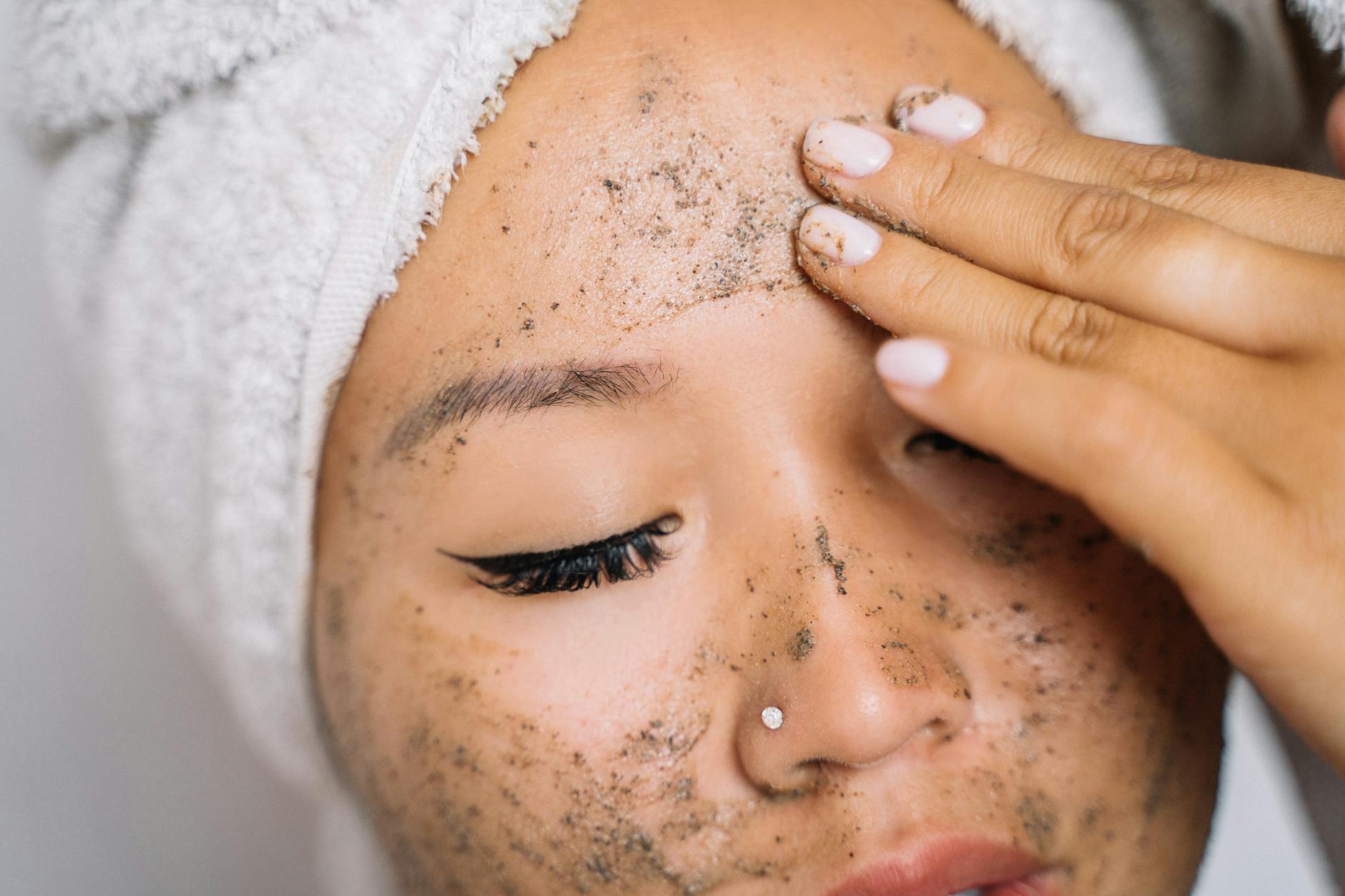
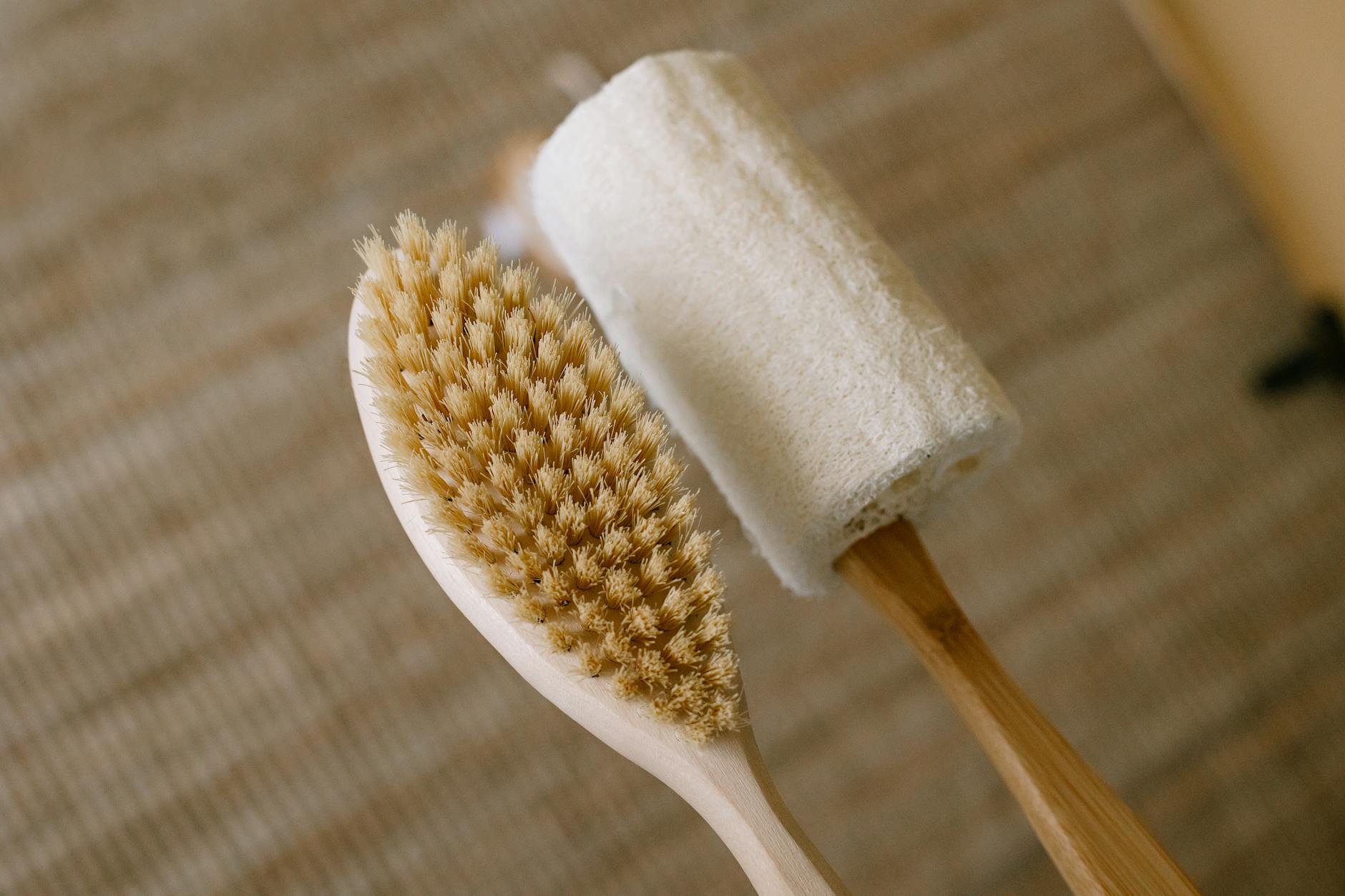
Face scrubs are at-home physical exfoliants that manually remove dead skin cells from your face surface. These products contain small abrasive particles suspended in a cream, gel, or foam base that you massage onto damp skin using circular motions.
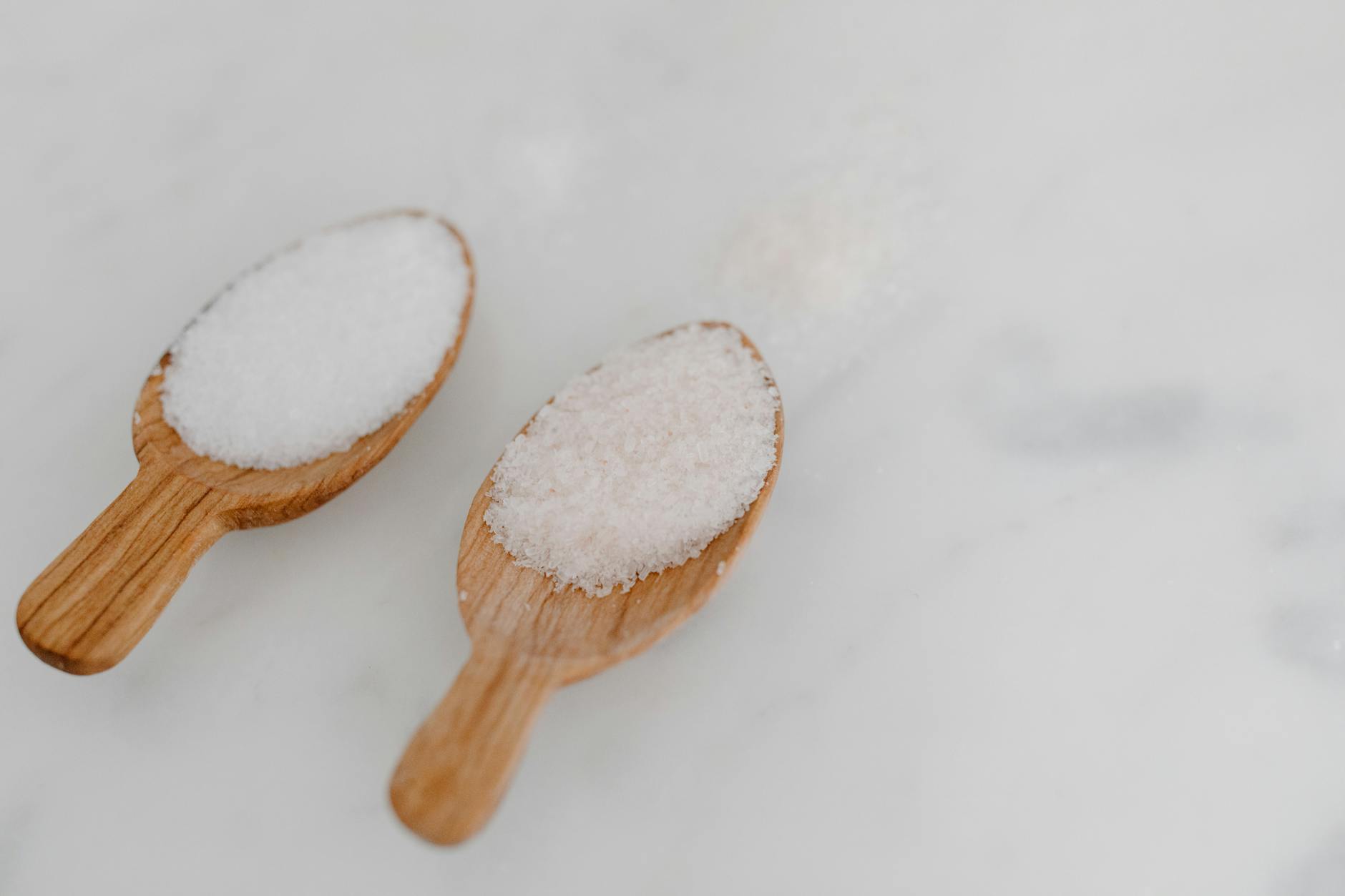
Common abrasive particles include sugar crystals, salt granules, crushed walnut shells, jojoba beads, rice bran, and microbeads (though plastic microbeads are now banned in many countries). Some gentler formulations use oatmeal or fruit enzymes combined with mild scrubbing agents.
Face scrubs work by creating friction against your skin when rubbed in circular patterns. This mechanical action loosens and sloughs away the outermost layer of dead cells, revealing fresher skin underneath. However, aggressive scrubbing can cause microscopic tears that may lead to irritation or scarring, especially on sensitive facial skin. The key lies in using gentle pressure and choosing appropriately sized particles for your skin type.
Microdermabrasion vs Face Scrubs: Key Differences
Understanding the differences between microdermabrasion and face scrubs helps you choose the safest, most effective option for your skin goals without risking permanent damage or scarring.
Cost represents the most obvious difference. Professional microdermabrasion typically costs $100-200 per session, while quality face scrubs range from $10-50 per container lasting several months. At-home microdermabrasion devices cost $50-300 upfront.
Effectiveness varies significantly between treatments. Microdermabrasion penetrates deeper into your skin, removing more dead cells and stimulating collagen production. Face scrubs work primarily on surface-level exfoliation, making them gentler but less dramatic in results.
Convenience strongly favors face scrubs. You can use them in your daily routine at home, while professional microdermabrasion requires scheduling appointments and potential travel time. Home microdermabrasion devices offer middle-ground convenience.
Safety considerations differ substantially. Improper microdermabrasion technique can cause irritation, hyperpigmentation, or scarring, especially on sensitive skin. Face scrubs pose lower risk when used correctly, though over-scrubbing can still damage your face.
Results timeline shows microdermabrasion delivering visible improvements within 24-48 hours, while face scrubs typically require 2-4 weeks of consistent use to show noticeable changes in skin texture and clarity.
Who Should Choose Microdermabrasion?
Microdermabrasion works best for people with mild to moderate skin concerns who want professional-grade results. If you have acne scars, age spots, fine lines, or dull skin texture, this treatment can help improve your face's appearance without causing permanent damage when performed by qualified professionals.
Adults over 25 with normal to oily skin types see the most dramatic improvements. You need time for multiple sessions spaced weeks apart and budget for professional treatments. People with sensitive skin, active acne, or rosacea should avoid microdermabrasion entirely.
For example, Sarah, a 32-year-old office worker, chose microdermabrasion for her stubborn blackheads and achieved clearer skin after five monthly sessions, investing both time and money for lasting results.
Who Should Choose Face Scrubs?

Face scrubs work best for people wanting gentle, affordable exfoliation without the commitment of professional treatments. If you have mild skin concerns like occasional dullness or minor texture issues, scrubs offer an accessible starting point that won't cause permanent scarring when used correctly.
Students and busy professionals appreciate how scrubs integrate seamlessly into existing routines. You can use products like St. Ives Apricot Scrub or Neutrogena Deep Clean in your shower without scheduling appointments or recovery time.
Choose scrubs if you prefer controlling your skincare pace, have sensitive skin that reacts poorly to aggressive treatments, or want to test exfoliation benefits before investing in professional procedures. They're perfect for maintenance between dermatologist visits.
Final Recommendation
Your face deserves treatment that matches both your skin type and lifestyle. Start with gentle face scrubs if you have sensitive skin, prefer home treatments, or want gradual improvement. Choose microdermabrasion when you need faster results for stubborn concerns like acne scars or sun damage.
Many people successfully combine both approaches. Use professional microdermabrasion quarterly for deep exfoliation, then maintain results with weekly face scrubs. This prevents over-exfoliation while maximizing benefits.
Consult a dermatologist when you have active acne, very sensitive skin, or previous scarring. They can assess whether your skin can handle either treatment safely and recommend the best timing.
Remember that consistent gentle care often beats aggressive treatments that damage your skin barrier.
Choose face scrubs for sensitive skin and maintenance, microdermabrasion for stubborn concerns, and always consult a dermatologist for active skin conditions.
Frequently Asked Questions
Which is better for sensitive skin, microdermabrasion or face scrubs?
Face scrubs with gentle ingredients are better for sensitive skin because they offer controlled exfoliation without the intensity that might trigger irritation. Face scrubs give you complete control over pressure and frequency, making them the safer choice for beginners and those with delicate skin.
How much does microdermabrasion cost compared to face scrubs?
Face scrubs are much more budget-friendly, costing under $15 and lasting for months of use. Professional microdermabrasion sessions run $100-200 each and require multiple appointments, while at-home microdermabrasion kits offer a middle ground at $30-80.
What is microdermabrasion and how does it work?
Microdermabrasion is a professional skin treatment that removes the outermost layer of dead skin cells using gentle abrasion, like a controlled sanding process. It uses either crystal microdermabrasion with aluminum oxide crystals or diamond-tip microdermabrasion with a diamond-encrusted wand to buff away dead cells. The procedure takes 30-60 minutes with no downtime required.
How often can you use face scrubs safely?
Face scrubs should be used a maximum of 2-3 times weekly to avoid irritation or damage. The key is using gentle pressure and choosing appropriately sized particles for your skin type, as aggressive scrubbing can cause microscopic tears that may lead to scarring.
When should you choose microdermabrasion over face scrubs?
Choose professional microdermabrasion for stubborn acne scars or sun damage when you need dramatic improvement quickly. Face scrubs are better for maintenance, prevention, and gentle weekly exfoliation that fits into any routine.
Disclaimer: This content is for informational purposes only and does not constitute medical advice. Always consult a qualified healthcare provider before making health decisions.