Why Some Physical Exfoliant Ingredients Damage Your Skin

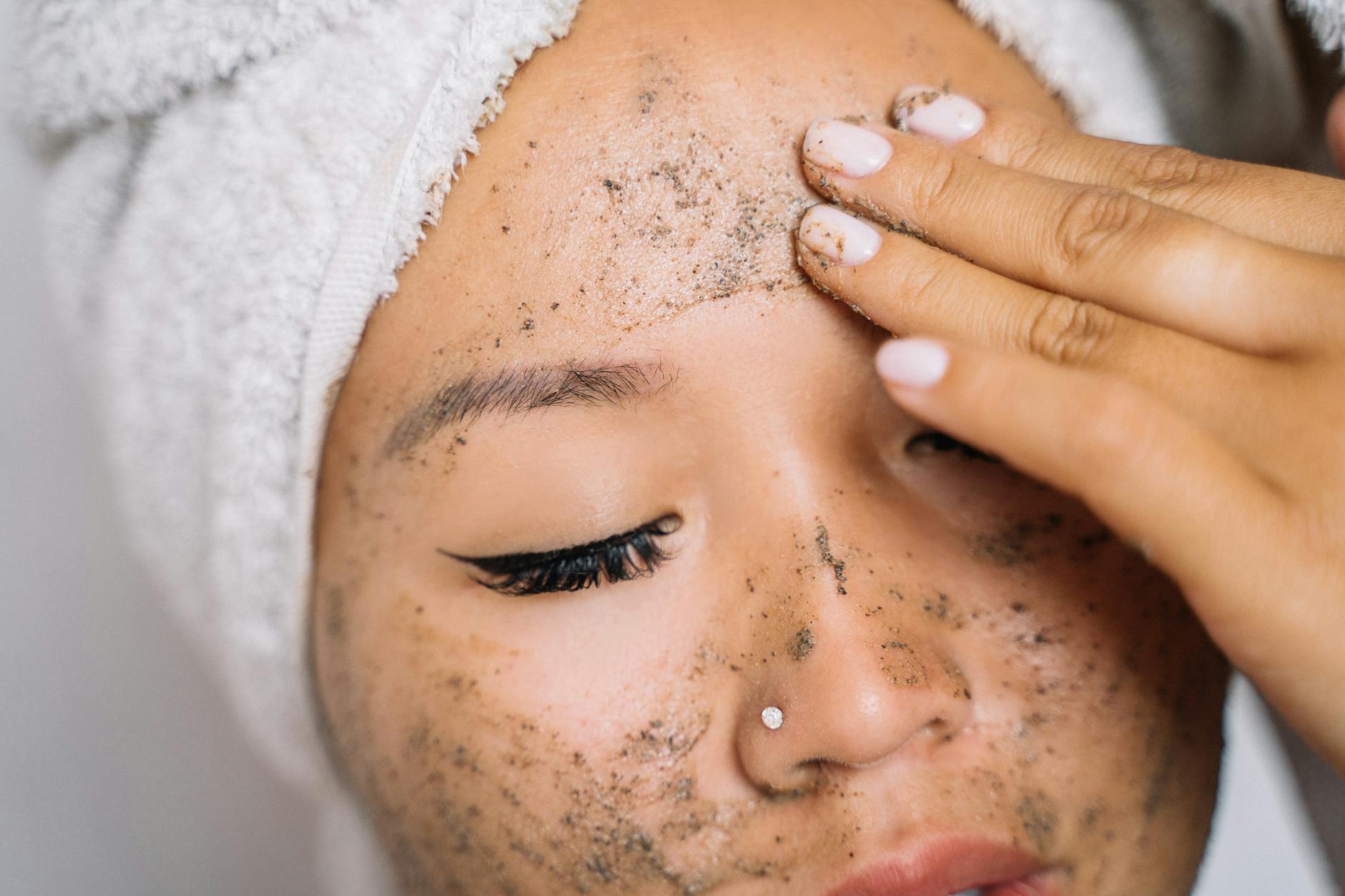
Your skin barrier acts like a protective wall, made of dead skin cells held together by natural oils and proteins. When functioning properly, this barrier keeps irritants out while locking moisture in. Physical exfoliation should gently remove only the outermost dead cells, but harsh ingredients can penetrate deeper than intended.
“Aggressive scrubbing creates invisible micro-tears that weaken your skin's natural defenses.”
Micro-tears form when rough particles or jagged edges scrape across your skin with too much force. These microscopic wounds are invisible to the naked eye but create entry points for bacteria and allergens. Your skin responds by increasing inflammation, which can worsen acne and delay healing.
Long-term consequences include permanent scarring, enlarged pores, and chronic sensitivity. Over-exfoliated skin becomes thinner and more reactive over time. Instead of achieving the clear, smooth complexion you want, harsh physical exfoliants can leave you with persistent redness and texture issues that require months to repair.
Common examples include crushed walnut shells, which have sharp, irregular edges that tear skin, and rough salt crystals that can strip away healthy skin cells along with dead ones.
Walnut Shell Fragments: The Worst Offender
Walnut shell fragments represent the most damaging physical exfoliant ingredient you'll encounter in skincare products. These jagged pieces create microscopic tears in your skin's surface, potentially leading to permanent scarring and increased breakout frequency.
“Walnut shells create irregular wounds that can take weeks to heal properly.”
The primary danger lies in their irregular shape and sharp edges. Unlike smooth beads, walnut fragments have unpredictable pointed surfaces that slice through delicate facial skin. Size inconsistency makes the problem worse—large chunks cause deeper damage while tiny fragments embed in pores.
Common products containing walnut shells include St. Ives Apricot Scrub, various drugstore facial scrubs, and many DIY exfoliant recipes. These products often market themselves as "natural" or "deep cleaning," but dermatologists consistently warn against their use.
The rough texture feels effective during application, creating a false sense of thorough cleansing. However, this sensation indicates active skin damage occurring beneath the surface.
Large Salt and Sugar Crystals That Cut Skin

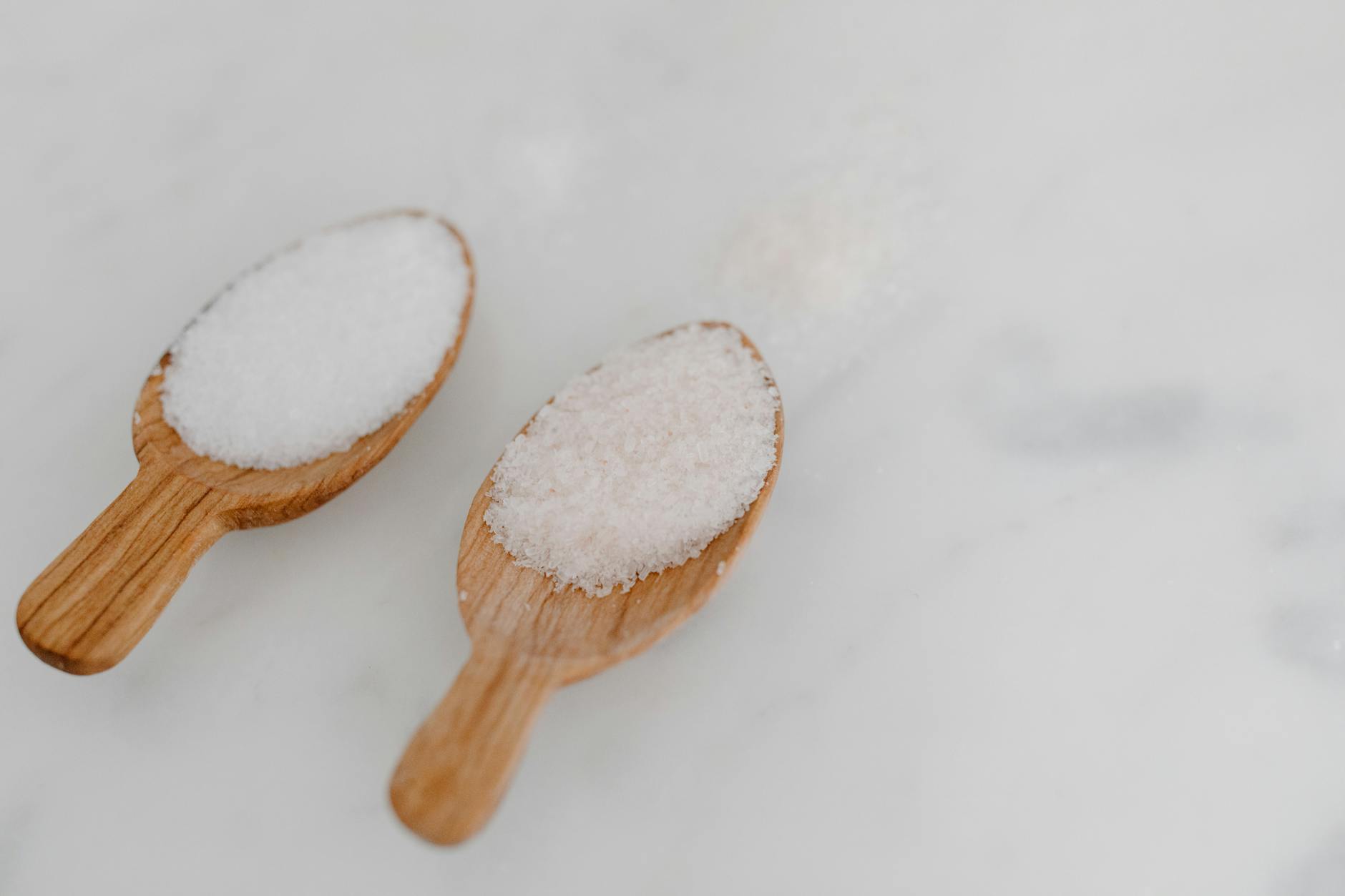
Salt and sugar scrubs become dangerous when manufacturers use oversized crystals that act like microscopic blades. Crystals larger than 300 microns can create tears in your skin barrier, opening pathways for bacteria and potentially leading to permanent scarring.
The processing method determines safety. Refined table salt creates sharp, angular crystals that slice skin tissue. Raw sea salt often contains jagged edges that cause similar damage. Regular granulated sugar forms cube-like crystals with cutting edges.
Safer alternatives exist within these same ingredient families. Fine sea salt ground to powder consistency provides gentle exfoliation without tearing. Brown sugar naturally rounds during processing, creating smoother edges. Superfine sugar dissolves quickly, reducing contact time with skin.
For example, St. Ives uses coarse salt crystals that dermatologists consistently warn against, while some artisan brands offer finely milled versions that won't compromise your skin barrier or risk the scarring you're working to prevent.
Pumice and Volcanic Rock: Too Harsh for Facial Skin
Pumice and volcanic rock rank between 5-6 on the Mohs hardness scale, making them significantly harder than your skin. These mineral-based exfoliants work by literally grinding away surface layers, which can create microscopic tears that lead to permanent scarring on delicate facial tissue.
Professional dermatologists occasionally use volcanic ash in controlled microdermabrasion treatments, but these procedures require precise pressure control and sterile conditions. At-home pumice stones belong exclusively on callused feet and elbows, never on facial skin.
For example, pumice foot files effectively remove dead heel skin because foot tissue is thick and regenerates quickly. Your facial skin lacks this resilience and heals much slower from abrasive damage.
Fruit Pits and Nut Shells: Hidden Dangers in Natural Products
Natural doesn't always mean safe for your skin. Apricot kernels and almond shells appear in countless exfoliating products marketed as gentle, organic alternatives. These crushed materials create sharp, jagged edges that act like microscopic razor blades on your face.
Apricot kernel scrubs remain popular despite dermatologists' warnings about their abrasive nature. The irregular fragments tear at your skin's surface, creating micro-wounds that can lead to permanent scarring. Walnut shells pose identical risks, despite their widespread use in drugstore scrubs.
Companies exploit the appeal of natural ingredients, knowing consumers trust plant-based products. Marketing terms like "gentle botanical exfoliant" mask the harsh reality of these abrasive materials. Your skin needs smooth, uniform particles for safe exfoliation, not the rough edges these natural materials provide.
Check ingredient lists carefully before purchasing any scrub containing fruit pits or nut shells.
Recognizing These Ingredients on Product Labels
Product labels can be deceiving, especially when companies use scientific names or gentle-sounding marketing terms to hide harsh exfoliants. Learning to spot these red flags protects your skin from permanent damage and unwanted scarring.
Watch for INCI names like "Juglans Regia Shell Powder" (walnut shells), "Prunus Armeniaca Seed Powder" (apricot pits), and "Corylus Americana Shell Powder" (hazelnut shells). These technical terms make dangerous ingredients sound sophisticated and safe.
Marketing language often masks harsh scrubs with phrases like "natural micro-beads," "gentle buffing grains," "botanical exfoliants," and "fruit-derived polishers." Words like "micro-crystals," "mineral scrub," or "deep-cleansing particles" also signal potentially damaging ingredients.
Look for any powder, shell, or pit derivatives before reading marketing claims.
Use ingredient databases to identify what scientific terms actually mean.
If a product feels gritty or sharp, avoid it regardless of "gentle" marketing language.
Safe Physical Exfoliant Alternatives

Your skin deserves gentle care that won't leave permanent damage or scarring. Several safe physical exfoliants provide effective results without the harsh abrasion that causes micro-tears and inflammation.
Jojoba beads offer the gentlest option for physical exfoliation. These perfectly round, biodegradable spheres roll across skin without creating sharp edges that tear delicate tissue. Unlike crushed shells or pits, jojoba beads maintain their smooth shape throughout use.
Rice powder provides another excellent alternative, delivering mild exfoliation through finely milled particles. This traditional Asian skincare ingredient removes dead skin cells without aggressive scraping action.
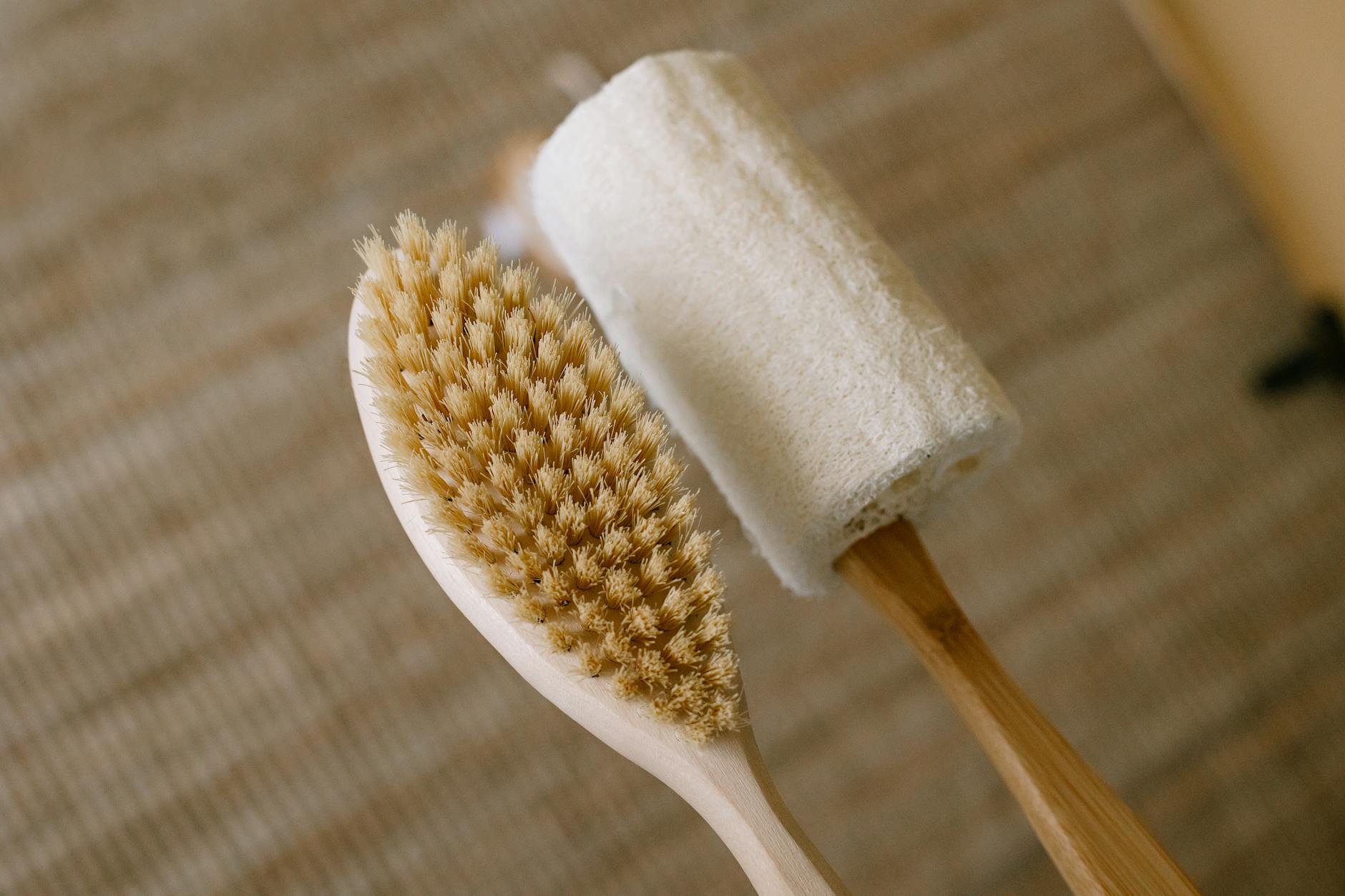
Gentle silicone brushes and soft washcloths work well for sensitive skin types. Use light circular motions with these tools, applying minimal pressure to achieve effective exfoliation while protecting your skin barrier from damage.
Signs Your Current Exfoliant Is Too Harsh
Recognizing damage early prevents permanent scarring and protects your skin barrier. Immediate warning signs include persistent redness lasting more than 30 minutes after use, burning sensations during application, or sudden breakouts in previously clear areas.
Delayed reactions often appear subtly. Your skin might feel tight hours later, develop increased sensitivity to products you normally tolerate, or show unusual dryness despite regular moisturizing. Small bumps or rough texture indicate barrier damage.
Stop using any exfoliant immediately if you experience bleeding, raw patches, or worsening acne after several uses. Consult a dermatologist when irritation persists beyond 48 hours after discontinuation.
Stop exfoliating immediately when you notice persistent irritation and switch to gentle, hydrating products to restore your skin barrier.
Frequently Asked Questions
Why are walnut shell scrubs bad for your skin?
Walnut shell fragments have jagged, irregular edges that create microscopic tears in your skin's surface. These tears can lead to permanent scarring, increased breakout frequency, and take weeks to heal properly. The unpredictable pointed surfaces slice through delicate facial skin, with large chunks causing deeper damage while tiny fragments can embed in pores.
What physical exfoliant ingredients should I avoid?
Avoid crushed walnut shells, coarse salt crystals, regular granulated sugar, pumice, and volcanic rock. These ingredients have sharp, irregular edges or are too hard for facial skin, creating micro-tears that weaken your skin barrier. Common products like St. Ives Apricot Scrub contain these damaging ingredients despite being marketed as natural or deep cleaning.
How do harsh scrubs damage your skin barrier?
Harsh physical exfoliants create invisible micro-tears that penetrate deeper than the outermost dead skin cells they're meant to remove. These microscopic wounds become entry points for bacteria and allergens, causing increased inflammation and potentially worsening acne. Over time, this damage can result in permanent scarring, enlarged pores, chronic sensitivity, and thinner, more reactive skin.
What makes salt and sugar scrubs dangerous?
Salt and sugar crystals larger than 300 microns act like microscopic blades that can tear your skin barrier. Refined table salt creates sharp, angular crystals while regular granulated sugar forms cube-like crystals with cutting edges. The processing method determines safety, with coarse crystals being more damaging than finely milled or naturally rounded alternatives.
Are there safer alternatives to harsh physical exfoliants?
Yes, fine sea salt ground to powder consistency and brown sugar provide gentler exfoliation without tearing skin. Brown sugar naturally rounds during processing, creating smoother edges, while superfine sugar dissolves quickly to reduce contact time with skin. These alternatives offer effective exfoliation without compromising your skin barrier or risking permanent damage.
Disclaimer: This content is for informational purposes only and does not constitute medical advice. Always consult a qualified healthcare provider before making health decisions.