Understanding Physical Exfoliation for Acne-Prone Skin

Physical exfoliation removes dead skin cells and pore-clogging debris through gentle mechanical action. When done correctly, this process helps prevent the buildup that leads to blackheads, whiteheads, and inflammatory acne breakouts. Think of it as clearing away the cellular debris that can trap oil and bacteria inside your pores.
Acne-prone skin benefits from this controlled removal because it prevents the formation of microcomedones—tiny clogs that eventually develop into visible blemishes. Your skin naturally sheds dead cells, but this process can become sluggish or uneven, especially around areas prone to breakouts like your T-zone.
"Gentle physical exfoliation removes the cellular debris that traps oil and bacteria in your pores."
The key distinction lies between helpful and harmful exfoliation techniques. Gentle exfoliation using soft cloths, fine-textured scrubs, or silicone cleansing brushes can improve skin texture without causing damage. Harsh scrubbing with rough materials like walnut shells or aggressive brushes creates microscopic tears that can worsen inflammation and potentially lead to scarring.
Proper physical exfoliation should feel comfortable and leave your skin smooth, not red or irritated. Your goal is to assist your skin's natural renewal process, not force it through aggressive scrubbing. When you exfoliate correctly, you create a cleaner foundation that allows your other acne treatments to penetrate more effectively while reducing the likelihood of new breakouts forming.
Understanding this gentle approach helps you achieve clearer skin without the setbacks that come from over-aggressive techniques that can damage your skin barrier.
Best Physical Exfoliant Types for Acne-Prone Skin

Choosing the right physical exfoliant makes the difference between clearer skin and potential irritation that could worsen breakouts or even lead to scarring. Your acne-prone skin requires gentler formulations that remove dead skin cells without causing micro-tears or inflammation.
“The key to successful physical exfoliation lies in using the gentlest method that still achieves results.”
Fine jojoba beads represent the gold standard for acne-prone skin. These smooth, spherical particles dissolve naturally and won't damage your skin barrier. Rice-based scrubs offer similar benefits, providing gentle polishing action while delivering mild enzymatic exfoliation. Look for products like Dermalogica Daily Microfoliant, which combines rice bran with gentle enzymes.
Gentle enzyme scrubs with minimal physical components work exceptionally well for sensitive, acne-prone skin. These products use fruit enzymes like papain or bromelain alongside very fine particles to dissolve dead skin cells chemically while providing light mechanical action. This dual approach reduces the risk of over-exfoliation.
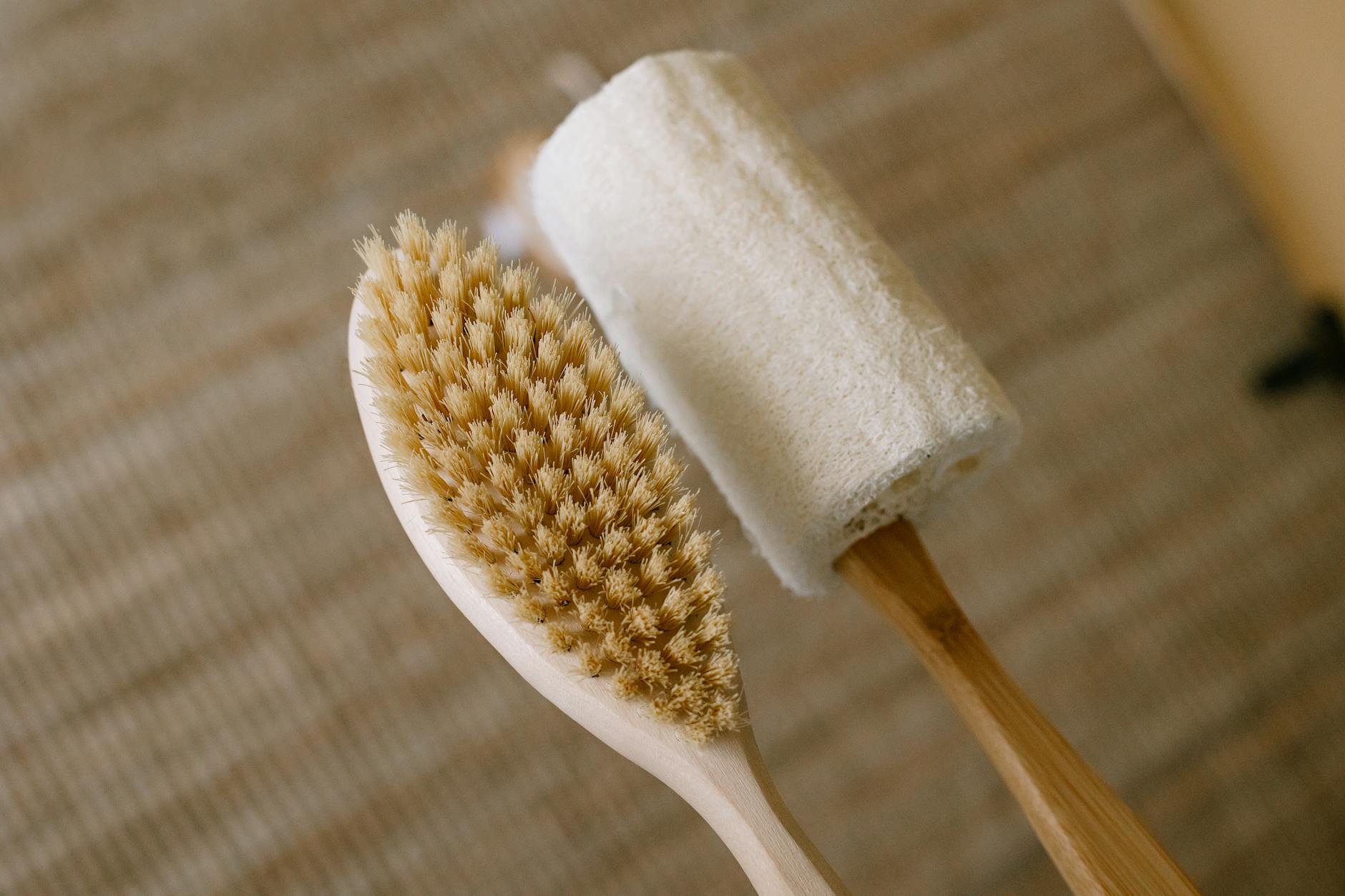
Microfiber cloths and soft cleansing brushes offer controlled physical exfoliation. A high-quality microfiber cloth used with your regular cleanser provides gentle but effective dead skin removal. Soft-bristled cleansing brushes, like those from Clarisonic or Foreo, allow you to control pressure and frequency while maintaining consistent results.
When selecting any physical exfoliant, prioritize non-comedogenic formulas that won't clog your pores. Read ingredient lists carefully, avoiding heavy oils, thick waxes, or known pore-clogging ingredients like isopropyl myristate. Choose products specifically labeled as suitable for acne-prone or sensitive skin, and look for dermatologist-tested certifications.
Start with the gentlest option and observe how your skin responds before progressing to more intensive methods. Your skin will guide you toward the right choice through its reaction and improvement over time.
How to Use Physical Exfoliants Safely on Acne-Prone Skin
Using physical exfoliants correctly makes the difference between clearer skin and worsened breakouts. The key lies in gentle application and strategic timing that works with your skin's natural healing cycle.
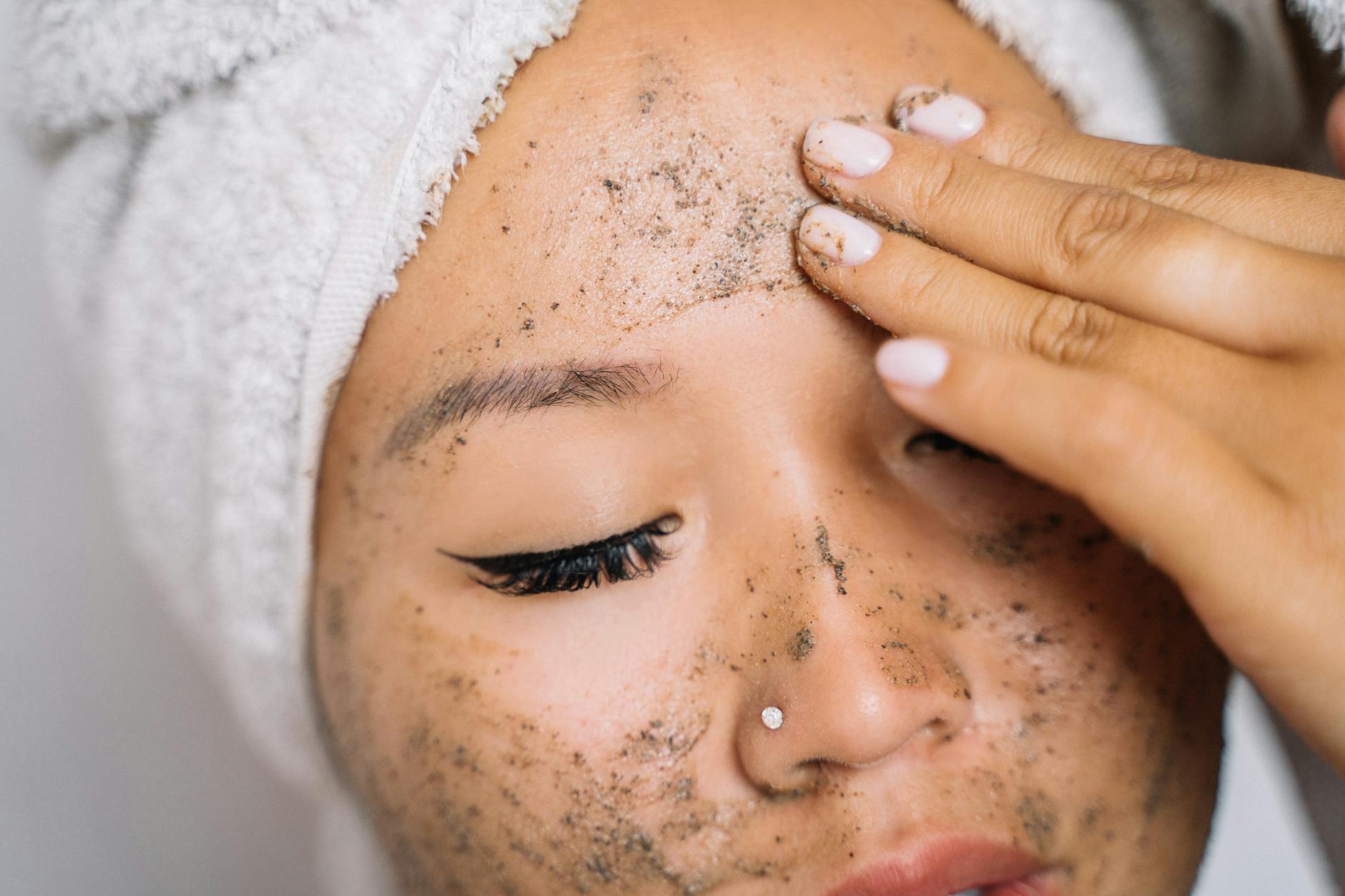
Start with clean, damp skin and apply a small amount of exfoliant to your fingertips.
Use light, circular motions across your face, avoiding the delicate eye area completely.
Remove all product residue with lukewarm water and follow with a gentle moisturizer.
Your pressure should feel like a gentle massage, not aggressive scrubbing. Think of touching a soap bubble without popping it. This light touch prevents micro-tears that can lead to scarring and inflammation.
Limit physical exfoliation to 2-3 times per week maximum. Your skin needs 24-48 hours to recover between sessions. Starting with once weekly builds tolerance gradually and reduces irritation risk.
Before exfoliating, remove makeup completely and avoid retinoids or strong acids for 24 hours. After exfoliation, apply a gentle moisturizer while your skin is still slightly damp to lock in hydration.
Watch for over-exfoliation warning signs: increased redness, burning sensations, excessive dryness, or more breakouts appearing. These signals mean you need to reduce frequency or switch to an even gentler product. Your skin should feel smooth and refreshed, never raw or irritated.
Active breakouts require extra caution. Skip inflamed areas entirely and focus on zones without active pimples. This prevents spreading bacteria and reduces the risk of permanent scarring that many acne sufferers fear.
If your skin feels tight or looks shiny after exfoliation, you've gone too far. Scale back to weekly sessions and choose a product with smaller, rounder particles that won't damage your skin barrier.
Ingredients to Seek and Avoid
Smart ingredient choices make the difference between gentle exfoliation and skin damage that can worsen acne and potentially lead to scarring. Understanding which ingredients help versus harm your skin protects you from setbacks in your acne journey.
Look for physical exfoliants containing salicylic acid, which penetrates pores to clear blockages while you manually remove dead skin cells. Niacinamide works beautifully alongside physical exfoliation by reducing inflammation and controlling oil production. Jojoba beads provide gentle mechanical action without micro-tears, while rice bran offers natural enzymes that support the exfoliation process.
Avoid physical exfoliants containing walnut shell fragments, apricot kernel pieces, or crushed fruit pits. These create jagged edges that tear skin and can push bacteria deeper into pores. Skip products with high concentrations of baking soda, which disrupts your skin's protective acid barrier.
Always choose non-comedogenic formulas that won't clog your pores. Comedogenic ingredients like coconut oil, algae extract, and certain silicones can trigger new breakouts despite effective exfoliation.
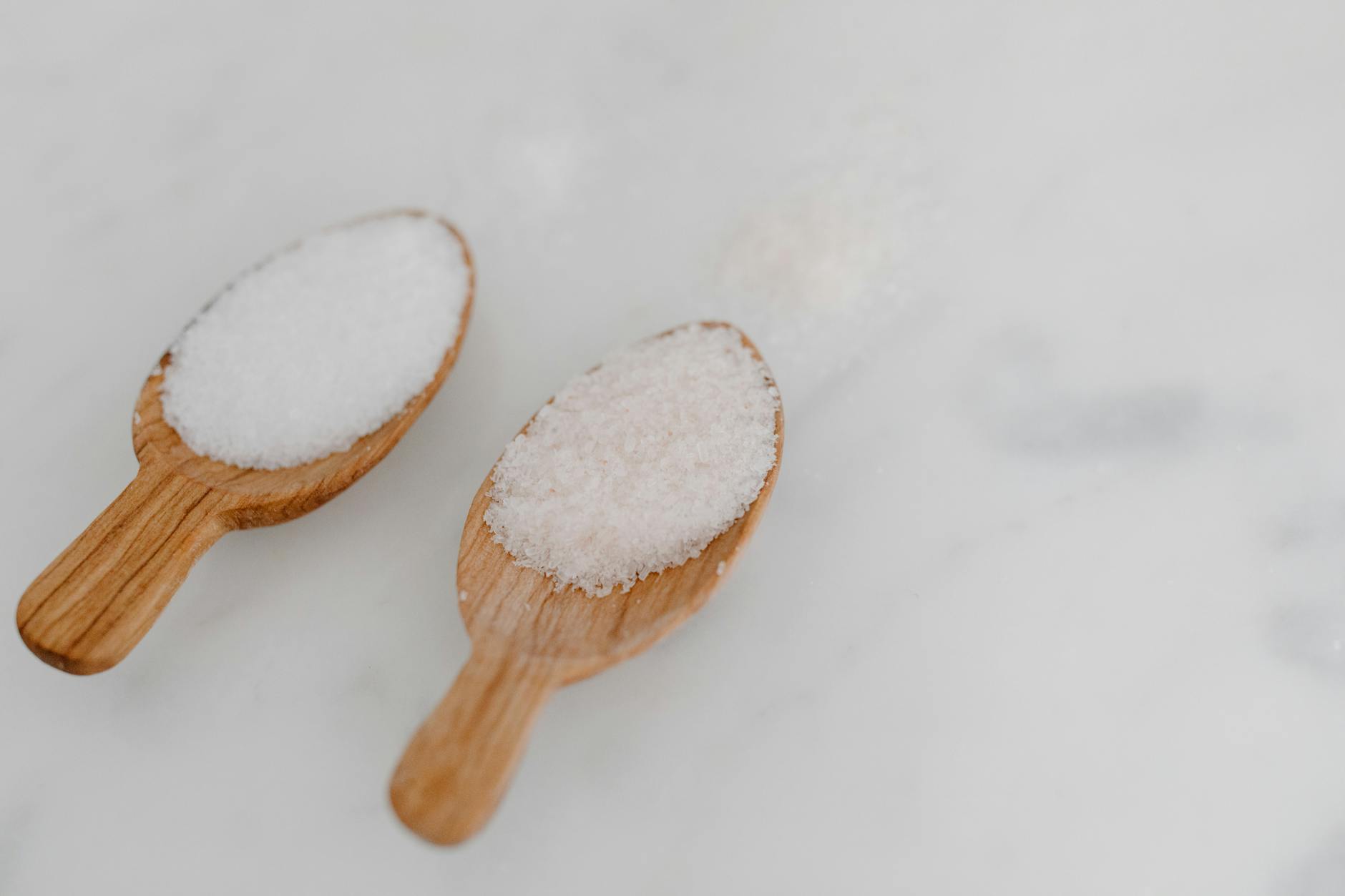
Safer alternatives include bamboo powder instead of nut shells, sugar crystals that dissolve during use, and pumice powder for gentle mineral exfoliation. Products containing chamomile or aloe vera help calm irritation while you remove dead skin cells.
Read ingredient lists carefully and patch test new products on your jawline before full-face application to avoid reactions that could set back your progress.
Common Mistakes and How to Avoid Them

The biggest mistake people make with physical exfoliants is overdoing it. When you see those first blackheads disappear, it's tempting to scrub harder and more often. This creates micro-tears in your skin that actually make acne worse and can lead to permanent scarring. Your skin needs time to heal between exfoliation sessions.
Many people compound this error by mixing physical and chemical exfoliants incorrectly. Using a grainy scrub right after applying salicylic acid or retinol strips away your skin's protective barrier. This combination can cause severe irritation, redness, and paradoxically more breakouts. Space these treatments at least 24 hours apart or use them on alternating days.
Your skin sends clear warning signals when you're being too aggressive. Persistent redness, burning sensations, or increased breakouts mean you need to scale back immediately. Ignoring these signs can lead to post-inflammatory hyperpigmentation that takes months to fade.
Product selection matters enormously. Many drugstore scrubs contain artificial fragrances and dyes that irritate acne-prone skin. For example, avoid products with "parfum" or artificial colors like Red 40. These additives provide no skincare benefits and often trigger inflammatory responses that worsen existing breakouts.
Building Your Acne-Safe Exfoliation Routine
Creating a sustainable exfoliation routine requires patience and careful observation. Start slowly to avoid triggering breakouts or worsening existing acne.
Use your chosen physical exfoliant after cleansing on one evening per week.
Wait 48 hours between sessions to assess redness, irritation, or new breakouts.
If skin tolerates well, add a second weekly session after two weeks.
Schedule exfoliation on different days than retinoids or benzoyl peroxide applications.
Your skin will guide the routine adjustments. If irritation develops, return to less frequent exfoliation. Stop immediately if you notice increased breakouts or persistent redness lasting more than 24 hours.
Consult a dermatologist if your acne worsens despite proper exfoliation techniques, or if you develop painful cystic breakouts. Professional guidance prevents permanent scarring and ensures your routine supports clear skin goals.
Start with once-weekly exfoliation and adjust based on your skin's response rather than rushing to daily use.
Frequently Asked Questions
What is physical exfoliation and how does it help acne-prone skin?
Physical exfoliation removes dead skin cells and pore-clogging debris through gentle mechanical action. When done correctly, it helps prevent the buildup that leads to blackheads, whiteheads, and inflammatory acne breakouts by clearing away cellular debris that can trap oil and bacteria inside your pores. This process prevents the formation of microcomedones, which are tiny clogs that eventually develop into visible blemishes.
What are the best types of physical exfoliants for acne-prone skin?
Fine jojoba beads represent the gold standard for acne-prone skin because they are smooth, spherical particles that dissolve naturally and won't damage your skin barrier. Rice-based scrubs offer similar benefits, providing gentle polishing action while delivering mild enzymatic exfoliation. Gentle enzyme scrubs with minimal physical components, microfiber cloths, and soft cleansing brushes also work well for controlled physical exfoliation.
What should I avoid when physically exfoliating acne-prone skin?
Avoid harsh scrubbing with rough materials like walnut shells or aggressive brushes, as these create microscopic tears that can worsen inflammation and potentially lead to scarring. You should also avoid heavy oils, thick waxes, or known pore-clogging ingredients like isopropyl myristate. Proper physical exfoliation should feel comfortable and leave your skin smooth, not red or irritated.
How often should I physically exfoliate my acne-prone skin?
Start with the gentlest option and observe how your skin responds before progressing to more intensive methods. Your skin will guide you toward the right frequency, but the key is to assist your skin's natural renewal process without forcing it through aggressive scrubbing. The goal is to create a cleaner foundation that allows other acne treatments to penetrate more effectively while reducing the likelihood of new breakouts forming.
Can physical exfoliation make acne worse?
Yes, if done incorrectly, physical exfoliation can make acne worse by creating microscopic tears that worsen inflammation and potentially lead to scarring. Over-aggressive techniques can damage your skin barrier and cause setbacks rather than improvements. However, when done gently with appropriate products, physical exfoliation helps prevent breakouts by removing the cellular debris that traps oil and bacteria in pores.
Disclaimer: This content is for informational purposes only and does not constitute medical advice. Always consult a qualified healthcare provider before making health decisions.