Understanding Sensitive Skin and Physical Exfoliation

Sensitive skin is a condition where your skin reacts easily to products, environmental factors, or even gentle touch. If you experience redness, burning, stinging, itching, or inflammation after using skincare products, you likely have sensitive skin. This reactivity stems from a weakened skin barrier that allows irritants to penetrate more easily than normal skin.
“Traditional scrubs can turn minor sensitivity into painful inflammation that takes weeks to heal.”
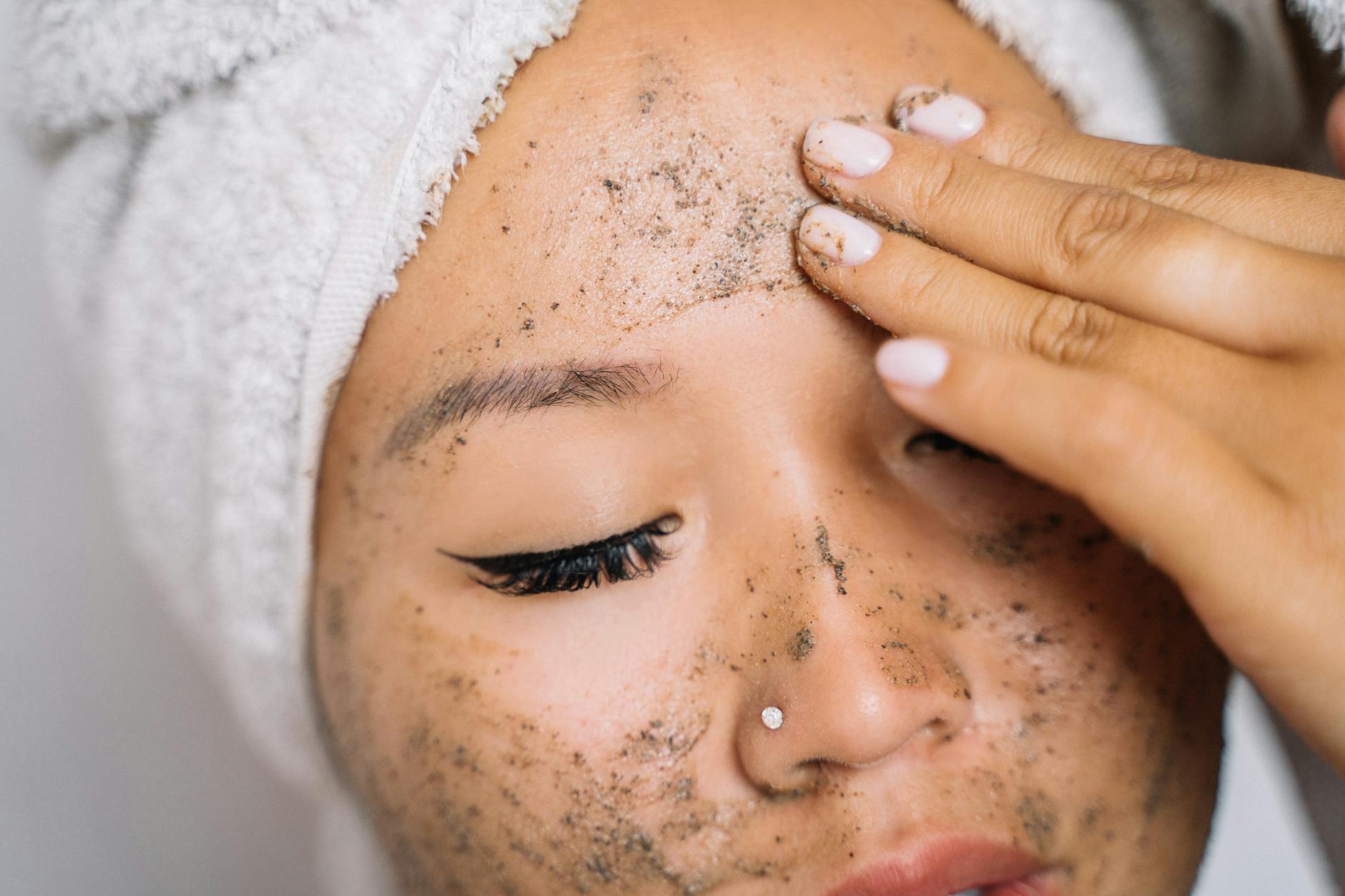
Traditional physical exfoliants pose significant problems for sensitive skin types. Coarse scrubs with walnut shells, apricot pits, or large salt crystals create micro-tears in your already compromised skin barrier. These tiny wounds worsen inflammation and can lead to persistent redness that many fear might become permanent scarring. The aggressive scrubbing motion required with harsh exfoliants compounds the damage.
Consider Sarah, who used a popular drugstore scrub three times weekly. Within two weeks, her cheeks developed raw patches that took a month to heal completely. This scenario repeats for countless people who assume stronger exfoliation equals better results.
However, gentle physical exfoliation can benefit sensitive skin when done correctly. The key lies in choosing products with ultra-fine particles, using minimal pressure, and limiting frequency. Gentle physical exfoliants remove dead skin cells without creating inflammation, helping achieve the clear skin you want without the setbacks that harsh scrubs cause. The goal shifts from aggressive removal to careful maintenance of your skin barrier while still addressing concerns like clogged pores and dullness.
Benefits of Gentle Physical Exfoliation for Sensitive Skin
Despite what you might think, sensitive skin can actually benefit from physical exfoliation when done with the right approach. The key lies in understanding that gentle doesn't mean ineffective.
“Gentle physical exfoliation can unlock clearer skin without triggering irritation when done correctly.”
Physical exfoliation removes the layer of dead skin cells that naturally accumulates on your skin's surface. These dead cells can clog your pores and trap bacteria, leading to breakouts that many people with sensitive skin fear will leave permanent marks. By gently removing this buildup, you create a cleaner foundation for your skin to heal and regenerate.
When dead skin cells are cleared away, your skincare products can penetrate more effectively. This means your moisturizers, treatments, and acne medications work better, potentially helping you achieve clearer skin faster than with cleansing alone.
Gentle exfoliation also promotes healthy cell turnover, which is the natural process where new skin cells replace old ones. This process often slows down in sensitive skin types, leading to a dull, uneven appearance that can make blemishes more noticeable.
Regular but gentle physical exfoliation can restore that healthy glow while reducing the buildup that contributes to future breakouts. The result is skin that looks brighter and feels smoother without the irritation traditional scrubs often cause.
Key Characteristics of Gentle Physical Exfoliants

Not all physical exfoliants work the same way on sensitive skin. The difference between a product that helps and one that causes irritation lies in its specific design features.
The most important characteristic is particle shape and size. Gentle exfoliants use fine, rounded particles instead of sharp-edged granules. Think of the difference between smooth river stones and broken glass. Products with jojoba beads, rice powder, or finely milled oatmeal create this smooth texture. Sharp particles like crushed walnut shells or apricot pits can create microscopic tears in your skin, potentially leading to the scarring you want to avoid.
The base formulation matters just as much as the particles themselves. Gentle physical exfoliants use creamy or gel bases that provide cushioning during application. These formulations often contain soothing ingredients like aloe vera or chamomile that calm skin during the exfoliation process.
Fragrance and unnecessary additives represent another crucial difference. Products designed for sensitive skin minimize or eliminate artificial fragrances, dyes, and preservatives that commonly trigger reactions. A good rule is fewer ingredients usually means less irritation potential.
Concentration levels also distinguish gentle products from aggressive ones. Sensitive skin formulations typically contain lower percentages of active exfoliating agents, allowing your skin to benefit from renewal without overwhelming its natural protective barrier. This approach supports your goal of achieving clear skin while protecting against damage.
Best Types of Physical Exfoliants for Sensitive Skin
When you have sensitive skin, choosing the wrong exfoliant can lead to redness, irritation, and the very breakouts you're trying to prevent. The safest physical exfoliants use round, smooth particles that won't create micro-tears in your skin's surface.
Jojoba beads represent the gold standard for sensitive skin exfoliation. These perfectly round wax spheres dissolve gradually as you massage them, providing gentle polishing action without scratching. Bamboo powder offers similar benefits with its naturally fine, silky texture that buffs away dead skin cells without causing inflammation.
Finely ground oats serve as nature's gentle exfoliant and anti-inflammatory agent. Oats contain compounds called avenanthramides that reduce redness while the powder provides mild physical exfoliation. You can create an effective oat scrub by grinding plain oatmeal in a coffee grinder until it reaches a flour-like consistency, then mixing it with water or honey.
Rice bran powder delivers another excellent option for sensitive skin types. This byproduct of rice milling contains natural enzymes that help dissolve dead skin cells while the fine powder provides minimal physical action. Rice bran also contains niacinamide, which helps strengthen your skin barrier.
Enzyme scrubs combine the best of both worlds by using fruit enzymes like papain or bromelain to dissolve dead cells while incorporating minimal physical particles for texture. These products typically contain tiny biodegradable beads that provide just enough physical action to enhance the enzymatic process without overwhelming sensitive skin. Look for products with less than 5% physical particles to ensure gentleness.
How to Use Physical Exfoliants on Sensitive Skin
Using physical exfoliants correctly makes the difference between clearer skin and irritation that could lead to scarring. Your sensitive skin requires a gentle, methodical approach that respects its natural barriers while still providing effective exfoliation.
Cleanse your face with lukewarm water and your regular gentle cleanser, leaving skin slightly damp but not dripping.
Use about a quarter-sized amount of your chosen exfoliant, starting with even less if you're trying a new product.
Apply light pressure using small, circular movements for 30-60 seconds maximum, avoiding the delicate eye area completely.
Remove all product with cool water, ensuring no particles remain on your skin.
Apply a fragrance-free, gentle moisturizer while your skin is still slightly damp to lock in hydration.
Timing matters significantly for sensitive skin. Limit physical exfoliation to once or twice per week maximum. Your skin needs 48-72 hours to recover between sessions, and over-exfoliating creates the very problems you're trying to solve.
For example, if you exfoliate on Sunday evening, wait until Wednesday or Thursday for your next session. This schedule prevents the cumulative irritation that leads to redness, breakouts, and potential scarring.
Watch for warning signs during and after use. Stop immediately if you experience stinging, burning, or increased redness. These symptoms indicate your skin barrier is compromised, and continuing could cause lasting damage.
Start conservatively with your first few uses. Apply even less pressure than you think necessary, and reduce frequency if your skin shows any signs of irritation the following day.
Ingredients and Practices to Avoid

When choosing physical exfoliants for sensitive skin, certain ingredients can cause more harm than good. Walnut shells and apricot pits create the biggest problems because they have sharp, irregular edges that tear the skin. These jagged particles cause micro-tears that lead to inflammation and potential scarring. St. Ives Apricot Scrub is a well-known example of a product that uses these harsh ingredients.
Alcohol-based formulations strip your skin's natural barrier, leaving it vulnerable and irritated. Look for products labeled "alcohol-free" or scan ingredient lists for ethyl alcohol, isopropyl alcohol, and denatured alcohol. These ingredients dry out sensitive skin and increase sensitivity to other active ingredients.
Over-exfoliation poses the greatest risk for sensitive skin types. Using scrubs more than twice weekly or applying too much pressure creates redness, peeling, and increased sensitivity. Your skin needs time to recover between exfoliation sessions.
Fragrances and essential oils trigger allergic reactions in sensitive skin. Even "natural" fragrances like lavender or citrus oils can cause contact dermatitis. Choose fragrance-free products to minimize your risk of developing reactions that could worsen existing skin concerns.
These precautions help prevent the irritation and potential scarring that many people with sensitive skin fear most. Avoiding these problematic ingredients keeps your exfoliation routine safe and effective.
Signs You Need to Stop or Adjust Your Routine
Your sensitive skin will clearly communicate when exfoliation becomes too aggressive. Learning these warning signs helps you avoid lasting damage while still achieving your skin goals.
Increased redness or irritation that persists beyond your usual exfoliation session signals overuse. Normal mild pink coloring should fade within 30 minutes. If your skin stays red for hours or develops angry, inflamed patches, you've crossed the line from helpful to harmful.
Burning or stinging sensations during or after exfoliation indicate compromised skin barrier function. These uncomfortable feelings warn that your skin's protective layer needs time to repair before your next session.
Excessive dryness or flaking paradoxically worsens when you over-exfoliate sensitive skin. While gentle exfoliation removes dead cells, aggressive scrubbing strips away healthy protective layers, leaving skin parched and vulnerable.
Breakouts in unusual areas often result from spreading bacteria through harsh scrubbing motions or using contaminated exfoliant tools. If pimples appear in previously clear zones after starting a new routine, the exfoliant may be the culprit.
These warning signs don't mean permanent damage if you respond quickly. Scale back frequency, switch to gentler products, or take a complete break until symptoms resolve. Your skin's recovery ability remains strong when you listen to its signals.
Stop exfoliating immediately when you notice persistent redness, burning sensations, excessive dryness, or unusual breakouts to prevent long-term skin damage.
Frequently Asked Questions
Can people with sensitive skin use physical exfoliants?
Yes, people with sensitive skin can use physical exfoliants when they choose products with ultra-fine particles and use minimal pressure. The key is avoiding traditional scrubs with coarse particles like walnut shells or apricot pits that create micro-tears in the skin barrier. Gentle physical exfoliation can actually benefit sensitive skin by removing dead skin cells without causing inflammation.
What makes a physical exfoliant gentle for sensitive skin?
Gentle physical exfoliants have fine, rounded particles instead of sharp-edged granules that can damage sensitive skin. Products with jojoba beads, rice powder, or finely milled oatmeal create this smooth texture that won't cause micro-tears. The particle shape is like smooth river stones compared to broken glass found in harsh scrubs.
How often should sensitive skin types exfoliate?
The content emphasizes limiting frequency when exfoliating sensitive skin, though it doesn't specify exact timing. The focus should be on using minimal pressure and choosing ultra-fine particles rather than frequent use. Gentle physical exfoliation should be done carefully to maintain the skin barrier while still addressing concerns like clogged pores and dullness.
What are the benefits of gentle exfoliation for sensitive skin?
Gentle physical exfoliation removes dead skin cells that can clog pores and trap bacteria, helping prevent breakouts. It allows skincare products to penetrate more effectively, making moisturizers and treatments work better. Regular gentle exfoliation also promotes healthy cell turnover, which can restore a healthy glow and reduce the dull, uneven appearance common in sensitive skin types.
What happens when sensitive skin uses harsh scrubs?
Harsh scrubs with coarse particles create micro-tears in the already compromised skin barrier of sensitive skin types. These tiny wounds worsen inflammation and can lead to persistent redness that may take weeks to heal completely. Traditional scrubs can turn minor sensitivity into painful inflammation, as shown in the example of Sarah who developed raw patches that took a month to heal.
Disclaimer: This content is for informational purposes only and does not constitute medical advice. Always consult a qualified healthcare provider before making health decisions.