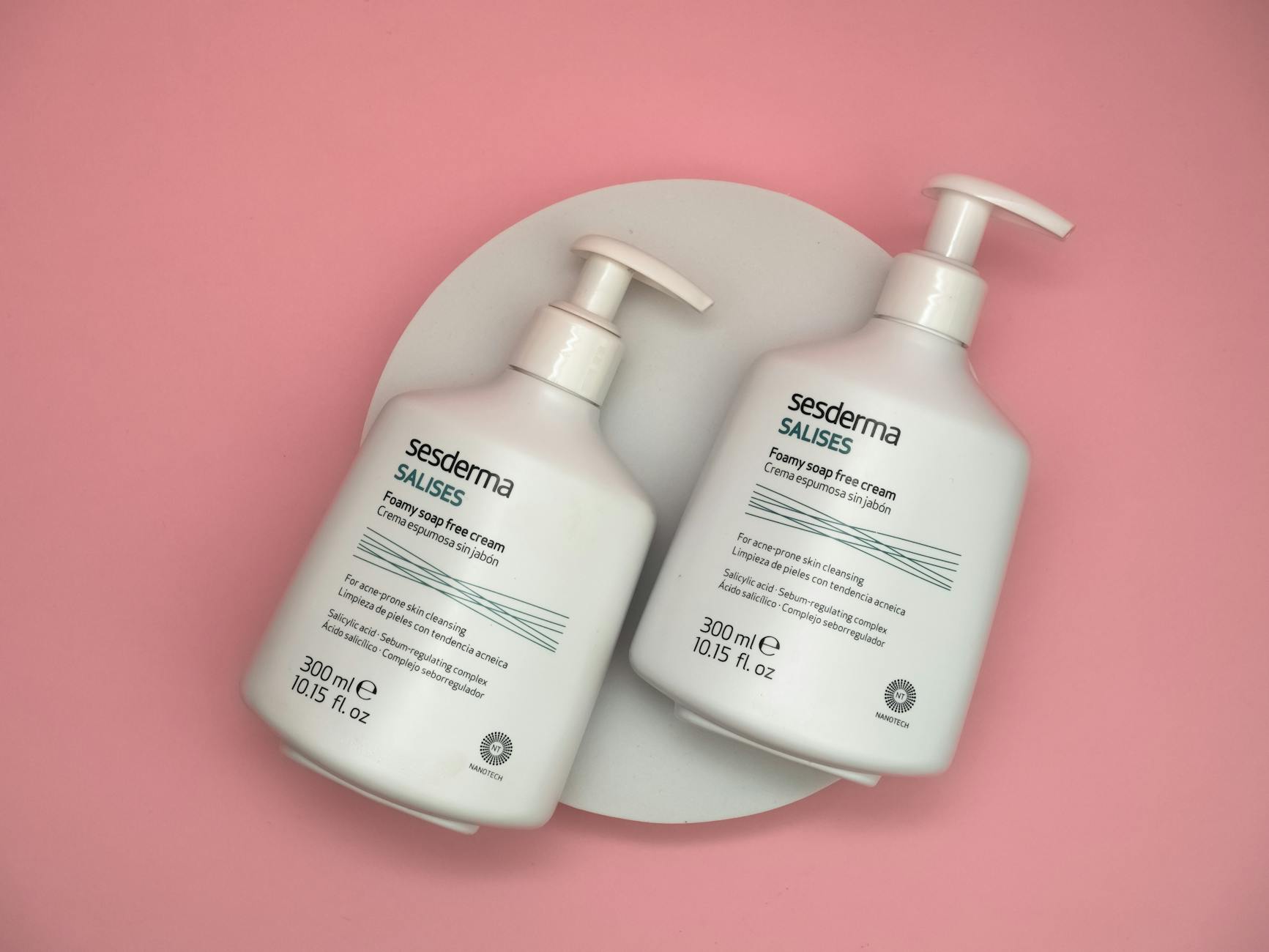
Why Choosing the Right Face Cleanser Matters

Your face skin is more delicate than the rest of your body and constantly exposed to the world. Using the wrong cleanser can strip away natural oils, cause irritation, or clog pores, making existing skin problems worse instead of better. This fear of making your skin condition more noticeable is completely valid.
“The right cleanser sets the foundation for your entire skincare routine.”
Think of your cleanser as the first step that determines whether the rest of your products can work effectively. For example, if you use a harsh soap meant for your body on your face, you might experience redness, dryness, or increased breakouts. A properly chosen face cleanser removes dirt and excess oil without disrupting your skin's protective barrier, creating the ideal canvas for treatments and moisturizers to follow.
Step 1: Identify Your Skin Type

Before choosing a face cleanser, you need to understand your skin type. Using the wrong cleanser can worsen breakouts and potentially lead to scarring, so getting this step right is crucial for your journey to clear skin.
“Understanding your skin type is the foundation of effective skincare.”
Start with the blotting paper test. Wash your face with plain water, wait 30 minutes, then press blotting papers on different areas. Oily skin leaves significant oil on the paper across your entire face. Dry skin shows little to no oil transfer. Combination skin reveals oil only in your T-zone (forehead, nose, chin), while sensitive skin often appears red or feels tight after washing.
Wash your face and wait 30 minutes without applying products.
Test different areas of your face to see oil transfer patterns.
Compare oil levels to determine if you have oily, dry, combination, or sensitive skin.
Your skin type determines which cleanser ingredients will help prevent future breakouts versus those that might irritate your face.
Step 2: Choose Your Cleanser Formula
The cleanser formula you choose determines how effectively it removes dirt, oil, and makeup without causing irritation or breakouts that could lead to scarring.
Foam cleansers create a bubbly lather and work best for oily and combination skin types. They remove excess oil efficiently but can be too drying for sensitive skin. Gel cleansers offer similar benefits with a lighter feel and are excellent for acne-prone skin.
Cream cleansers provide gentle hydration for dry and mature skin. They remove impurities without stripping natural oils. Oil cleansers dissolve makeup and sunscreen effectively, making them perfect for double cleansing routines.
For example, CeraVe Foaming Facial Cleanser works well for oily skin, while Cetaphil Gentle Skin Cleanser suits sensitive types. Choose gentle formulas over harsh deep-cleaning options to prevent irritation that delays your path to clear skin.
Step 3: Look for the Right Ingredients
Understanding ingredient lists helps you choose cleansers that work with your skin, not against it. This knowledge prevents setbacks that could delay your progress toward clear skin.
For dry skin, look for ceramides, hyaluronic acid, and glycerin. These ingredients maintain moisture while cleansing. Oily skin benefits from salicylic acid, which unclogs pores, or niacinamide, which controls oil production. Sensitive skin requires gentle ingredients like colloidal oatmeal or chamomile extract.
Avoid alcohol denat, harsh sulfates like sodium lauryl sulfate, and strong fragrances. These strip natural oils and cause irritation. Choose fragrance-free formulas marked "hypoallergenic" to minimize reaction risks. For example, CeraVe Hydrating Cleanser contains beneficial ceramides without harsh additives.
Common Mistakes to Avoid

Many beginners make costly errors that can worsen their skin condition. The most damaging mistake is over-cleansing your face twice daily or scrubbing harshly with washcloths, which strips natural oils and triggers more breakouts.
Don't choose cleansers based solely on marketing promises like "instant clearing" or celebrity endorsements. These claims often mask harsh formulations that cause irritation rather than improvement.
Always patch test new products on your inner arm for 24 hours before applying to your face. This simple step prevents painful reactions and potential scarring from allergic responses.
Your Next Steps
Use your new cleanser every other day for two weeks before daily use.
Give your cleanser 4-6 weeks to show improvement in skin texture and breakouts.
Add moisturizer next, then sunscreen to protect your improving skin from permanent damage.
Start with gentle cleansing, be patient with results, and protect your skin's progress with consistent daily care.
Frequently Asked Questions
Why is choosing the right face cleanser important?
Your facial skin is more delicate than body skin and constantly exposed to environmental factors. Using the wrong cleanser can strip natural oils, cause irritation, or clog pores, making existing skin problems worse. The right cleanser sets the foundation for your entire skincare routine and determines whether other products can work effectively.
How do I identify my skin type?
Use the blotting paper test by washing your face with plain water, waiting 30 minutes, then pressing blotting papers on different areas. Oily skin leaves significant oil across your entire face, dry skin shows little to no oil transfer, combination skin reveals oil only in the T-zone, and sensitive skin often appears red or feels tight after washing.
What type of cleanser should I use for oily skin?
Foam cleansers work best for oily and combination skin types because they create a bubbly lather and remove excess oil efficiently. Gel cleansers are also excellent for acne-prone skin as they offer similar benefits with a lighter feel. For example, CeraVe Foaming Facial Cleanser is recommended for oily skin.
What cleanser formula is best for dry or sensitive skin?
Cream cleansers provide gentle hydration and are ideal for dry and mature skin because they remove impurities without stripping natural oils. For sensitive skin, foam cleansers may be too drying, so gentler options like Cetaphil Gentle Skin Cleanser are recommended. Choose gentle formulas over harsh deep-cleaning options to prevent irritation.
What are oil cleansers good for?
Oil cleansers are excellent for dissolving makeup and sunscreen effectively, making them perfect for double cleansing routines. They help remove stubborn products that water-based cleansers might not fully eliminate. This makes them particularly useful for those who wear makeup or sunscreen daily.
Disclaimer: This content is for informational purposes only and does not constitute medical advice. Always consult a qualified healthcare provider before making health decisions.