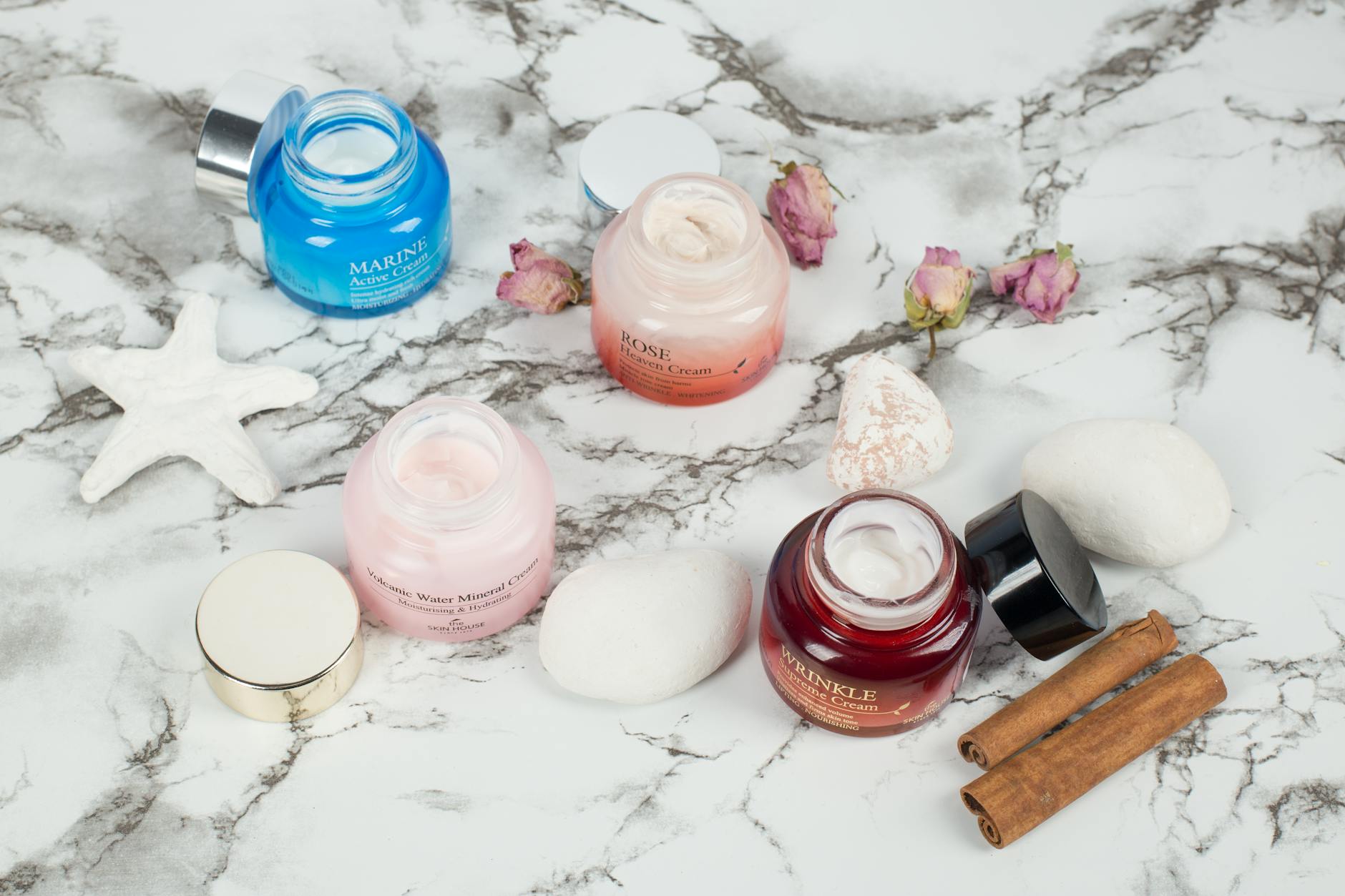
What Makes a Great Day Cream with SPF

Finding the right day cream with SPF means looking beyond basic sun protection. The best formulas combine effective UV defense with skin-nourishing ingredients that won't trigger breakouts or worsen existing skin concerns.
“SPF 30 blocks 97% of UVB rays, making it the minimum protection level dermatologists recommend for daily use.”
Start with SPF 30 or higher and broad spectrum protection. This shields your skin from both UVA rays that cause premature aging and UVB rays that burn. Lower SPF levels leave gaps in protection that can lead to sun damage and worsen acne scarring over time.
Non-comedogenic formulas prevent clogged pores, which is crucial if you're already dealing with breakouts. These products undergo testing to ensure they won't block your pores or contribute to new blemishes.
Texture matters for daily compliance. Heavy, greasy creams often discourage regular use and can feel uncomfortable under makeup. Look for lightweight formulas that absorb quickly and layer well with other skincare products and cosmetics.
The cream should feel comfortable enough for everyday application. Products that pill, leave white residue, or feel sticky won't become part of your routine, no matter how good the protection.
Best Overall: CeraVe AM Facial Moisturizing Lotion
CeraVe AM Facial Moisturizing Lotion stands out as our top pick because it combines effective sun protection with proven skin-repairing ingredients. The SPF 30 broad spectrum formula shields your skin from both UVA and UVB rays, helping prevent the dark spots and scarring that many people worry about developing.
“This moisturizer delivers clinical-grade protection without the heavy, greasy feel that stops people from using SPF daily.”
What makes this formula special is its blend of three essential ceramides that restore your skin's protective barrier, plus niacinamide that calms irritation and reduces redness. Dermatologists developed this fragrance-free formula specifically for sensitive and acne-prone skin, so it won't clog pores or trigger breakouts.
The lightweight texture absorbs quickly without leaving white residue, making it perfect for daily use under makeup. At around $15 for a generous tube, it offers professional-quality skincare at drugstore prices. Most users see improvements in skin texture and clarity within two to four weeks of consistent use.
Best for Sensitive Skin: Vanicream Daily Facial Moisturizer

Sensitive skin requires extra care to avoid irritation that could worsen existing concerns or create new problems. Vanicream Daily Facial Moisturizer offers SPF 30 protection using zinc oxide, the gentlest sun-blocking ingredient available. This mineral sunscreen sits on skin's surface rather than absorbing into it, reducing reaction risk.
The formula contains no fragrances, dyes, or harsh preservatives that commonly trigger sensitivity. It's non-comedogenic, meaning it won't clog pores or contribute to breakouts. The lightweight texture absorbs quickly without leaving white residue or greasy feel.
For someone with rosacea-prone cheeks, this moisturizer provides daily protection without the stinging or redness that chemical sunscreens often cause. Dermatologists frequently recommend Vanicream products because they focus on effectiveness without unnecessary additives. While it may feel slightly thicker than some alternatives, this protective barrier helps shield vulnerable skin from environmental damage that could lead to lasting issues.
Best Lightweight Formula: Neutrogena Ultra Sheer Dry-Touch
Heavy, greasy sunscreens can feel like wearing a mask all day, which often leads people to skip sun protection entirely. This choice puts your skin at risk for permanent damage that could leave lasting marks and scarring. Neutrogena Ultra Sheer Dry-Touch SPF 45 solves this problem with a formula that feels weightless on your skin.
The dry-touch technology absorbs quickly without leaving that sticky film many sunscreens create. Your skin feels clean and breathable, not suffocated. The water-resistant formula stays put during sweating or light water exposure, making it reliable for daily wear.
Makeup applies smoothly over this moisturizer without pilling or sliding around. The non-greasy finish prevents that shiny appearance that makes many people self-conscious about wearing SPF during the day. This formula proves you can have strong sun protection without sacrificing comfort or appearance.
Best Anti-Aging Benefits: Olay Regenerist Micro-Sculpting Cream
If you're concerned about preventing premature aging while protecting your skin from sun damage, this dual-purpose moisturizer delivers impressive results. The Olay Regenerist Micro-Sculpting Cream combines SPF 30 protection with amino-peptides that work to firm skin and reduce the appearance of fine lines.
The hydrating formula absorbs quickly without leaving residue, making it perfect for daily wear under makeup. Many users notice smoother skin texture within two weeks of consistent use. The amino-peptides stimulate collagen production naturally, helping prevent the formation of new wrinkles while the broad-spectrum SPF shields against UV damage that causes premature aging and potential scarring.
This cream works particularly well for those over 30 who want to address early signs of aging while maintaining sun protection.
Best Budget Option: Cetaphil Daily Facial Moisturizer
Finding effective sun protection without breaking the bank becomes simple with Cetaphil Daily Facial Moisturizer SPF 15. This drugstore staple delivers reliable broad-spectrum protection at under $15, making it accessible for any skincare budget.
The gentle formula works for all skin types, including sensitive skin prone to irritation. While SPF 15 provides basic daily protection for indoor activities and brief outdoor exposure, it won't cause the scarring concerns that come from completely unprotected skin. You can find this moisturizer at Target, CVS, and most drugstores nationwide.
The lightweight texture absorbs quickly without leaving residue, making it perfect for daily use under makeup or alone. For those just starting their skincare journey, this option removes financial barriers to consistent sun protection.
How to Use Day Cream with SPF Effectively

Getting the most from your SPF day cream requires proper application technique. Most people apply far too little product, leaving their skin vulnerable to damage that could lead to lasting marks and uneven texture.
Apply a quarter-teaspoon of product to cover your entire face and neck.
Spread the cream evenly using gentle upward strokes, ensuring complete coverage.
Allow 15 minutes for the product to absorb before applying foundation or concealer.
Refresh your protection every two hours, especially if you're outdoors or sweating.
When layering with other skincare products, apply your SPF cream as the final step in your morning routine. For example, use cleanser, then any treatment serums, followed by your SPF day cream. This sequence ensures maximum protection while preventing your other products from interfering with the sunscreen's effectiveness.
Quick Comparison Summary
Choosing the right SPF day cream doesn't have to overwhelm you. Most effective options offer SPF 30-50, providing adequate protection without feeling heavy on your skin. Budget-friendly drugstore formulas typically range from $8-15, while dermatologist-recommended brands cost $25-60.
Oily skin benefits from gel-based or oil-free formulations that won't clog pores or worsen breakouts. Dry skin needs cream-based options with added moisturizers. Sensitive skin requires mineral sunscreens with zinc oxide or titanium dioxide. The key differentiator lies in texture and additional ingredients—some include niacinamide for oil control, while others feature hyaluronic acid for hydration.
Match your SPF day cream to your specific skin type and concerns for the best protection and comfort.
Frequently Asked Questions
What SPF level should I use in my daily moisturizer?
Dermatologists recommend a minimum of SPF 30 for daily use, which blocks 97% of UVB rays. You should look for broad spectrum protection that shields your skin from both UVA rays that cause premature aging and UVB rays that burn. Lower SPF levels leave gaps in protection that can lead to sun damage and worsen acne scarring over time.
What does non-comedogenic mean in day creams with SPF?
Non-comedogenic formulas are products that have undergone testing to ensure they won't block your pores or contribute to new blemishes. This is crucial if you're already dealing with breakouts, as these products prevent clogged pores. Non-comedogenic day creams with SPF allow you to get sun protection without worsening existing skin concerns.
What makes CeraVe AM Facial Moisturizing Lotion effective?
CeraVe AM combines SPF 30 broad spectrum protection with three essential ceramides that restore your skin's protective barrier, plus niacinamide that calms irritation and reduces redness. It's specifically formulated for sensitive and acne-prone skin, won't clog pores, and has a lightweight texture that absorbs quickly without white residue. Most users see improvements in skin texture and clarity within two to four weeks of consistent use.
Is zinc oxide better for sensitive skin than chemical sunscreens?
Yes, zinc oxide is the gentlest sun-blocking ingredient available for sensitive skin. This mineral sunscreen sits on skin's surface rather than absorbing into it, which reduces the risk of reactions. Unlike chemical sunscreens that can cause stinging or redness, especially for those with rosacea-prone skin, zinc oxide provides protection without irritation.
Why is texture important in daily SPF moisturizers?
Texture matters for daily compliance because heavy, greasy creams often discourage regular use and can feel uncomfortable under makeup. Products that pill, leave white residue, or feel sticky won't become part of your routine, no matter how good the protection. Lightweight formulas that absorb quickly and layer well with other skincare products encourage consistent daily use.
Disclaimer: This content is for informational purposes only and does not constitute medical advice. Always consult a qualified healthcare provider before making health decisions.