Why Proper Night Cream Application Matters

Your skin works hardest while you sleep, entering its most active repair phase between 11 PM and 4 AM. During these crucial hours, cell turnover accelerates and blood flow increases to facial tissue. This natural renewal process creates the perfect window for night cream to deliver maximum benefits.
“Your skin works hardest while you sleep, entering its most active repair phase between 11 PM and 4 AM.”
Many people unknowingly sabotage their skincare routine through poor application technique. Rubbing cream too harshly can irritate sensitive skin and potentially worsen acne or lead to scarring. Using too much product clogs pores, while applying too little renders the treatment ineffective.
Proper technique ensures every drop of your night cream penetrates the skin barrier efficiently. When applied correctly, active ingredients like retinol and peptides reach deeper layers where they can stimulate collagen production and accelerate healing. This targeted approach helps clear existing breakouts faster while preventing new ones from forming.
Prepare Your Skin for Night Cream

Proper preparation sets the foundation for your night cream to work effectively. Think of it as preparing a canvas before painting—the cleaner and smoother the surface, the better the final result.
“Clean skin absorbs active ingredients up to 70% more effectively than skin with residual makeup or oils.”
Start with thorough cleansing using a gentle cleanser suited to your skin type. Remove all makeup, sunscreen, and daily buildup that could block your night cream from penetrating properly. Double cleansing works best: first with an oil-based cleanser to dissolve makeup, then with a water-based cleanser to remove remaining impurities.
Consider toning if your skin tends toward oiliness or you live in a polluted environment. A gentle toner removes final traces of cleanser residue and balances your skin's pH. Skip harsh alcohol-based toners that can irritate and dry your skin.
Use lukewarm water and gentle, circular motions for 30-60 seconds.
Use a clean towel and avoid rubbing or pulling at your skin.
Let your skin settle before applying night cream for better absorption.
Timing matters significantly. Apply night cream to completely dry skin about 30 minutes before bed. This prevents the cream from transferring onto your pillowcase and allows proper absorption.
Step-by-Step Night Cream Application
Proper application technique prevents product waste and maximizes your cream's effectiveness. Using too much cream can clog pores and worsen breakouts, while too little won't provide adequate moisture.
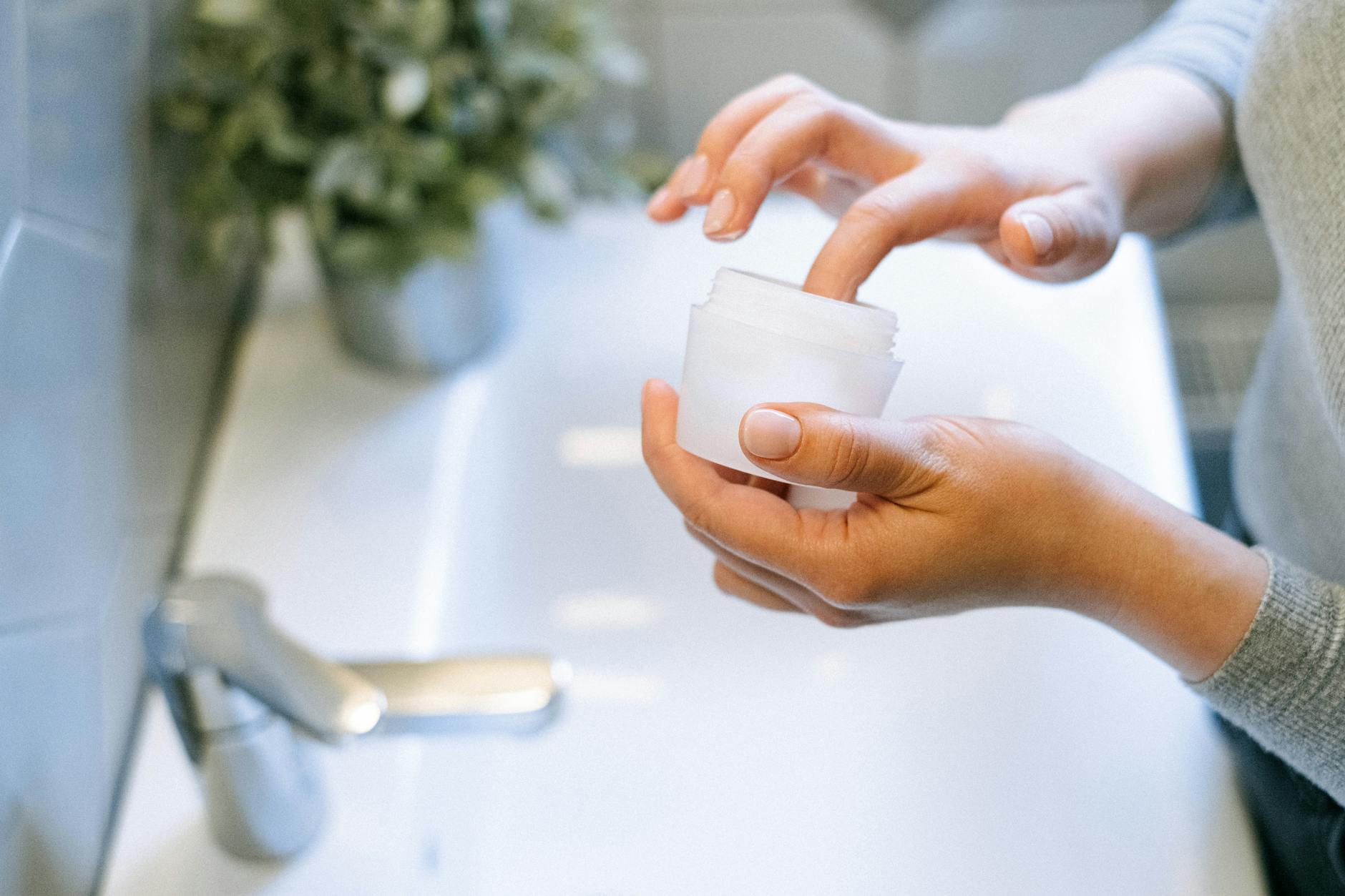
Use a pea-sized amount for your entire face, roughly the size of your pinky nail.
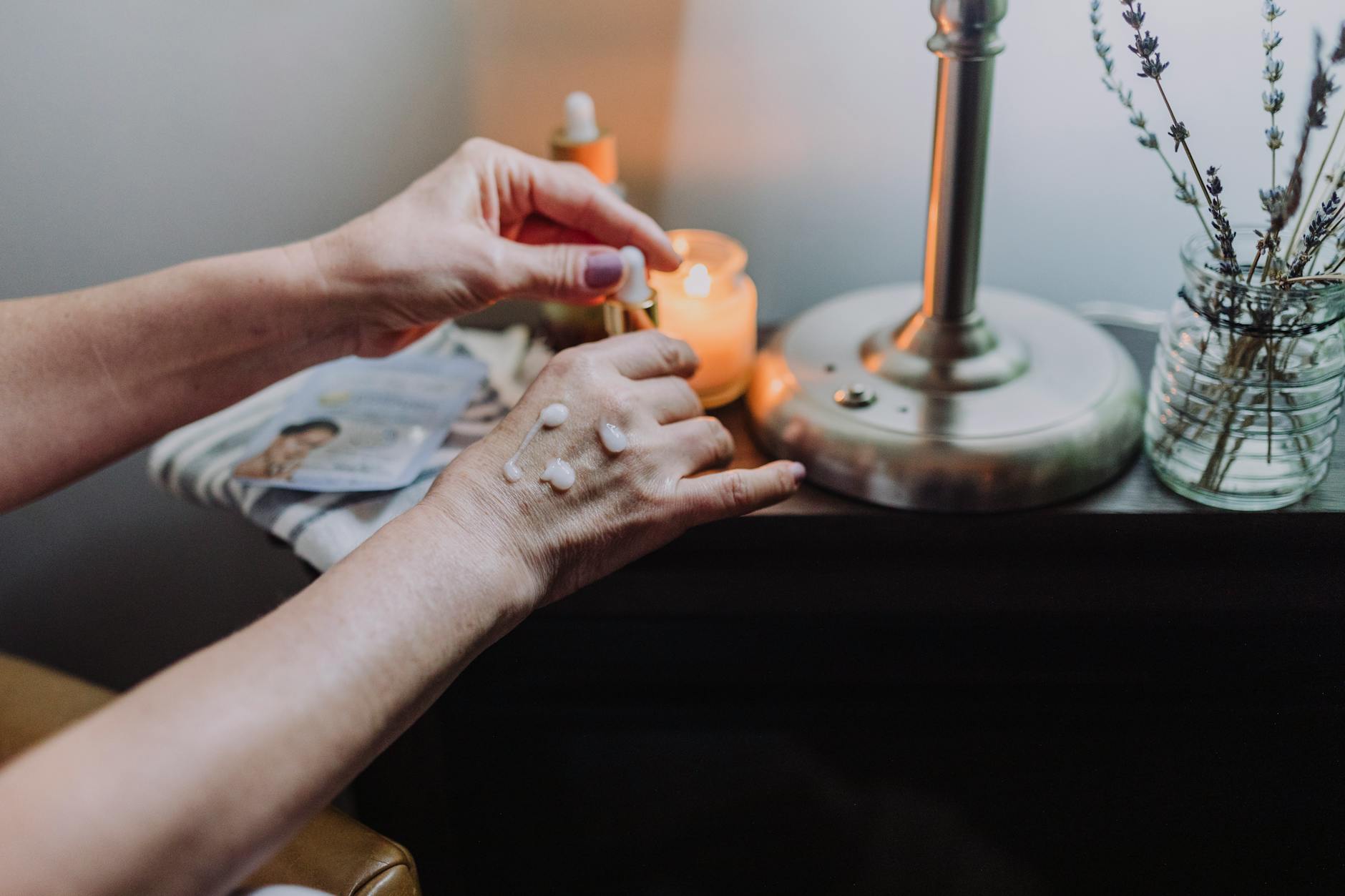
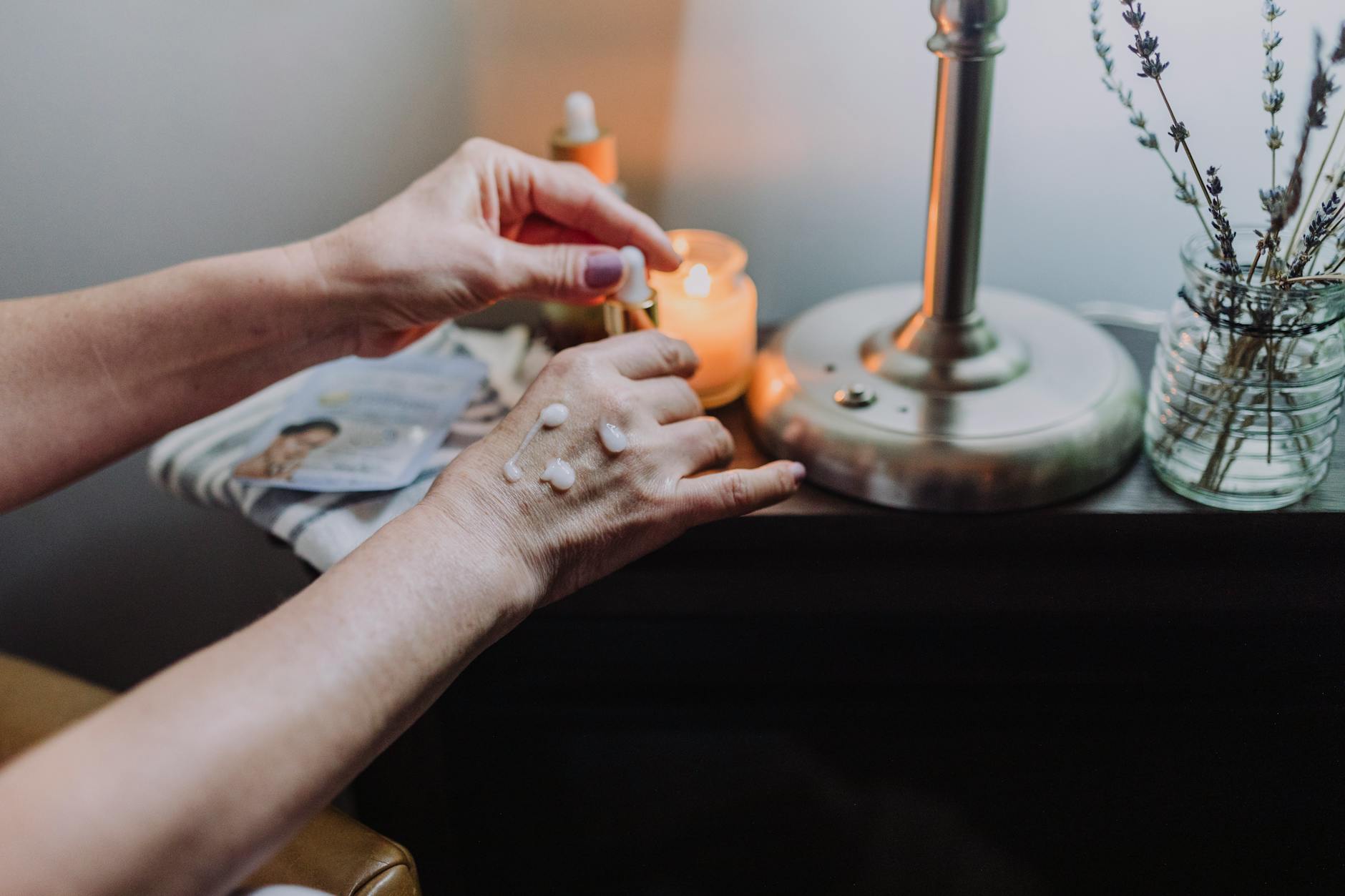
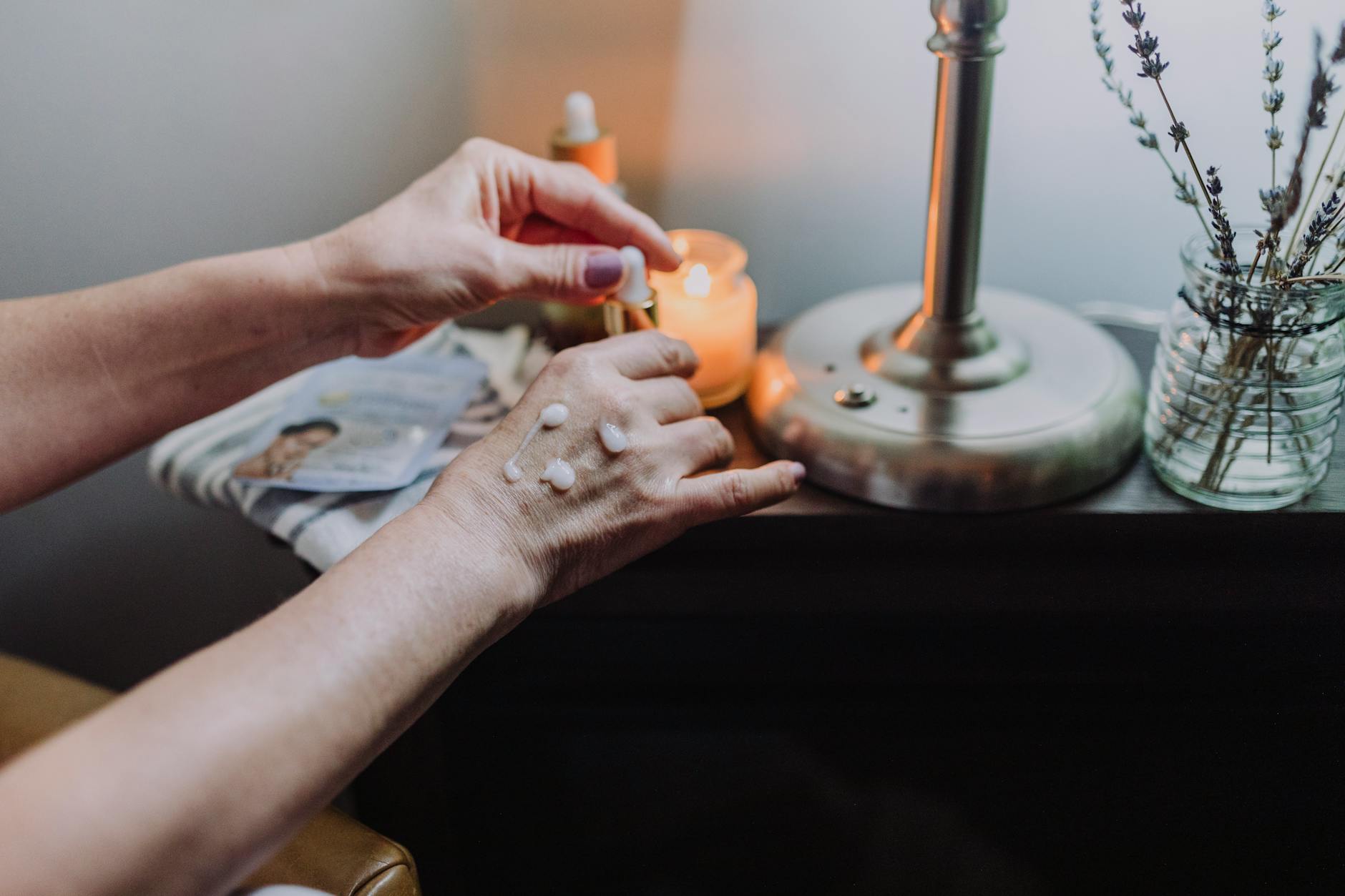
Place small dots on your forehead, cheeks, nose, and chin before spreading.
Use gentle upward strokes from the center of your face toward your hairline and ears.
Use your ring finger to tap the cream around your eyes in a circular motion without pulling the skin.
Apply remaining cream to your neck using upward strokes from your collarbone to your jawline.
Avoid these common trouble spots: the immediate eye area (use dedicated eye cream instead), inside your nostrils, and directly on active breakouts. Skip areas where you have open wounds or fresh acne lesions to prevent irritation that could lead to scarring.
Your massage technique matters as much as the cream itself. Press gently rather than rubbing vigorously. For example, when applying around breakout-prone areas like your T-zone, use light tapping motions instead of circular rubbing. This prevents spreading bacteria and reduces inflammation that can worsen existing acne.
Wait five minutes before applying any additional products like spot treatments. This gives your night cream time to absorb properly and creates a protective barrier for your skin's overnight repair process.
Common Application Mistakes to Avoid
Even with the right technique, small mistakes can sabotage your night cream's effectiveness and potentially worsen breakouts. Understanding these common pitfalls helps you get better results while avoiding unnecessary irritation that could lead to scarring.
Using too much product ranks as the most frequent error. A pea-sized amount covers your entire face—more doesn't mean better results. Excess cream clogs pores and creates a breeding ground for bacteria, defeating your goal of clear skin.
Wrong application order reduces your cream's absorption significantly. Always apply serums first, then moisturizer, then night cream as your final step. Thick products block thinner ones from penetrating your skin properly.
Neglecting your neck area creates an obvious contrast line over time. Your neck skin ages faster than facial skin, so extend your night cream application down to your collarbone. This prevents the telltale signs of inconsistent skincare that many people notice first.
Timing errors undermine results too. Applying cream immediately after washing leaves water on your skin, diluting the formula. Wait two minutes after cleansing, then apply to completely dry skin. Similarly, applying too close to bedtime transfers product to your pillowcase instead of absorbing into your skin where it works best.
Maximize Your Night Cream Benefits

Consistency forms the foundation of effective skincare results. Apply your night cream every single evening, even when you're tired or traveling. Your skin repairs itself during sleep cycles, and skipping applications breaks this natural rhythm. Most people see noticeable improvements after four to six weeks of consistent use.
Your bedroom environment significantly impacts how well night creams work. Keep your sleeping space between 60-67°F to prevent excessive sweating that dilutes product effectiveness. Use a humidifier during dry months to maintain optimal moisture levels. Clean pillowcases weekly to prevent bacteria buildup that could counteract your skincare efforts.
Layer complementary products strategically before your night cream. Apply serums with active ingredients like retinol or niacinamide first, wait two minutes for absorption, then follow with your night cream. This approach prevents ingredient conflicts while maximizing penetration. Remember that building healthy skin takes patience, but consistent care reduces your risk of long-term scarring and helps achieve the clear complexion you're working toward.
What to Expect and When
Night cream results follow a predictable timeline. You'll notice immediate hydration and softer skin texture within hours of application. Your skin won't transform overnight, but consistency prevents future damage that leads to scarring and breakouts.
Short-term changes appear within two weeks. Fine lines soften, skin tone evens out, and breakouts become less frequent. The repair ingredients work gradually to strengthen your skin barrier.
Long-term benefits develop over months. Deeper wrinkles fade, hyperpigmentation lightens, and skin texture improves significantly. Your patience with this timeline prevents rushed decisions that could damage your skin permanently.
Apply night cream consistently for at least eight weeks to see meaningful improvements in skin texture and clarity.
Frequently Asked Questions
When is the best time to apply night cream?
Apply night cream to completely dry skin about 30 minutes before bed. Your skin works hardest while you sleep, entering its most active repair phase between 11 PM and 4 AM. This timing prevents the cream from transferring onto your pillowcase and allows proper absorption during your skin's natural renewal process.
How much night cream should I use on my face?
Use a pea-sized amount for your entire face, roughly the size of your pinky nail. Using too much cream can clog pores and worsen breakouts, while too little won't provide adequate moisture. Place small dots on your forehead, cheeks, nose, and chin before spreading to ensure even distribution.
Should I cleanse my face before applying night cream?
Yes, thorough cleansing is essential before applying night cream. Clean skin absorbs active ingredients up to 70% more effectively than skin with residual makeup or oils. Use a gentle cleanser suited to your skin type and remove all makeup, sunscreen, and daily buildup that could block your night cream from penetrating properly.
How long should I wait after cleansing to apply night cream?
Wait 5-10 minutes after cleansing to let your skin settle before applying night cream for better absorption. Apply the cream to completely dry skin using a clean towel and avoid rubbing or pulling at your skin when drying. This waiting period ensures optimal penetration of the cream's active ingredients.
Why does proper night cream application technique matter?
Proper technique ensures every drop of your night cream penetrates the skin barrier efficiently, allowing active ingredients like retinol and peptides to reach deeper layers. Poor application can irritate sensitive skin, worsen acne, or lead to scarring if you rub too harshly. When applied correctly, night cream can stimulate collagen production and accelerate healing while clearing breakouts faster.
Disclaimer: This content is for informational purposes only and does not constitute medical advice. Always consult a qualified healthcare provider before making health decisions.