Identify Your Skin Type First

Understanding your skin type forms the foundation for choosing an effective night cream that won't cause breakouts or irritation. Your skin type determines how products absorb, what ingredients work best, and which formulas to avoid completely.
Wash your face with a gentle cleanser and wait two hours without applying any products.
Press blotting paper on your T-zone and cheeks to see oil levels in different areas.
Notice if your skin feels tight, comfortable, or shows visible oil shine.
Oily skin handles heavier creams better than expected, while dry skin often reacts poorly to oil-free formulas. Many people mistakenly assume acne-prone skin needs harsh, drying products, but this actually triggers more oil production and potential scarring.
“The wrong night cream for your skin type can undo months of progress in just one week.”
Consider Your Primary Skin Concerns

Once you know your skin type, identify your main concerns to guide your night cream selection. Most people juggle multiple issues, but ranking them helps you choose more effectively.
Anti-aging concerns like fine lines and wrinkles typically benefit from retinoids or peptides. Hydration issues respond well to hyaluronic acid and ceramides. For acne-prone skin, look for salicylic acid or niacinamide formulas that won't clog pores or worsen breakouts.
“Start with your most bothersome concern first, then find formulas that address secondary issues.”
Age plays a role in prioritizing concerns. Those in their twenties often focus on prevention and acne control, while people over thirty might prioritize anti-aging alongside hydration. For example, someone experiencing both dryness and early wrinkles might choose a retinol moisturizer rather than separate products.
Key Ingredients to Look For
Understanding night cream ingredients helps you choose products that work without causing irritation or worsening existing concerns. Start with essential moisturizing ingredients like hyaluronic acid, which holds up to 1,000 times its weight in water, and ceramides that restore your skin's protective barrier while you sleep.
For specific concerns, retinol helps prevent future breakouts and improves skin texture, while niacinamide reduces inflammation without harsh side effects. Salicylic acid gently exfoliates pores overnight, making it ideal for acne-prone skin.
Sensitive skin should avoid fragrances, essential oils, and high concentrations of acids. Start with simple formulations containing glycerin and peptides before introducing stronger actives like retinol or alpha hydroxy acids.
Test and Evaluate Your Choice
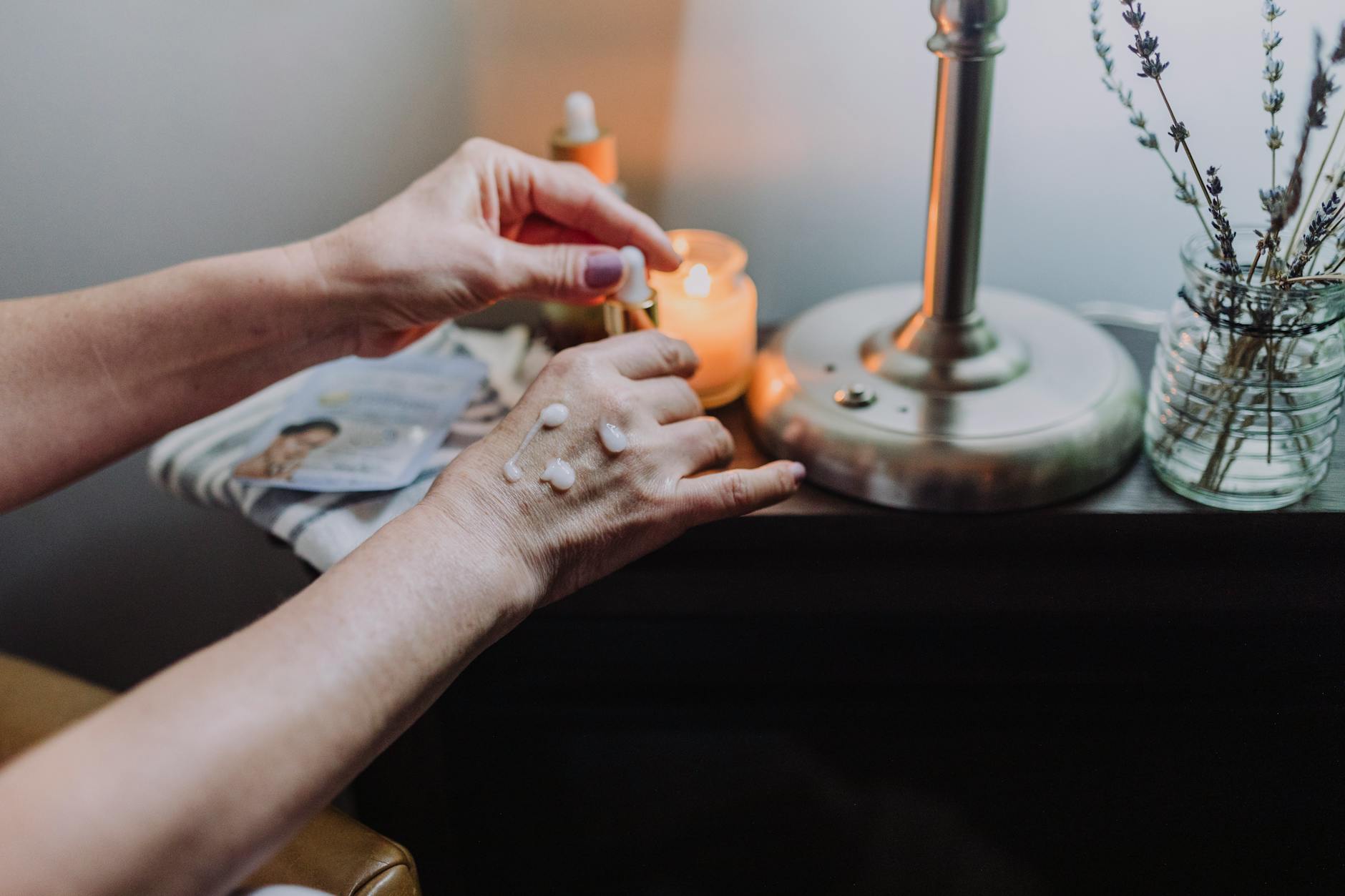
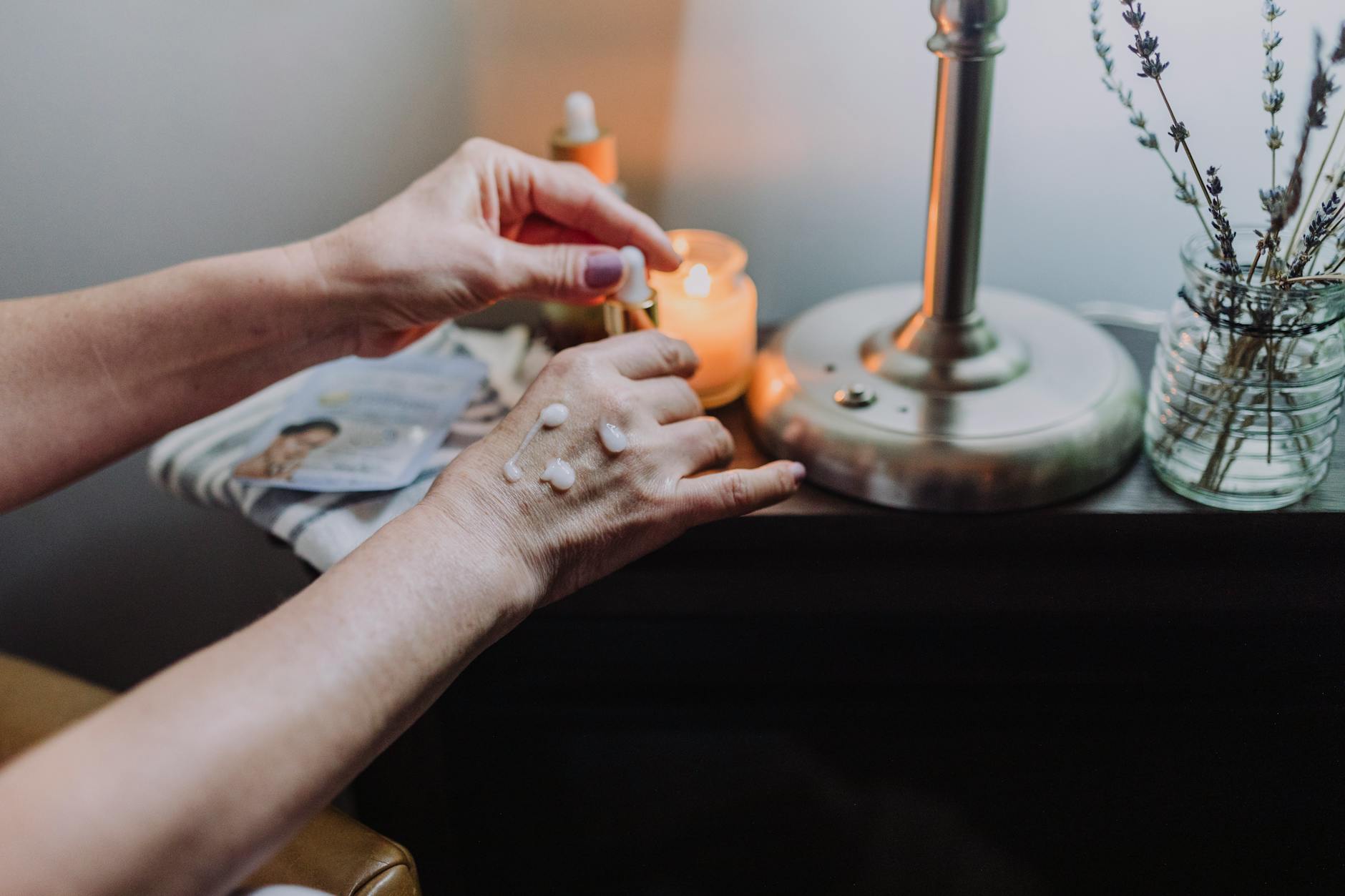
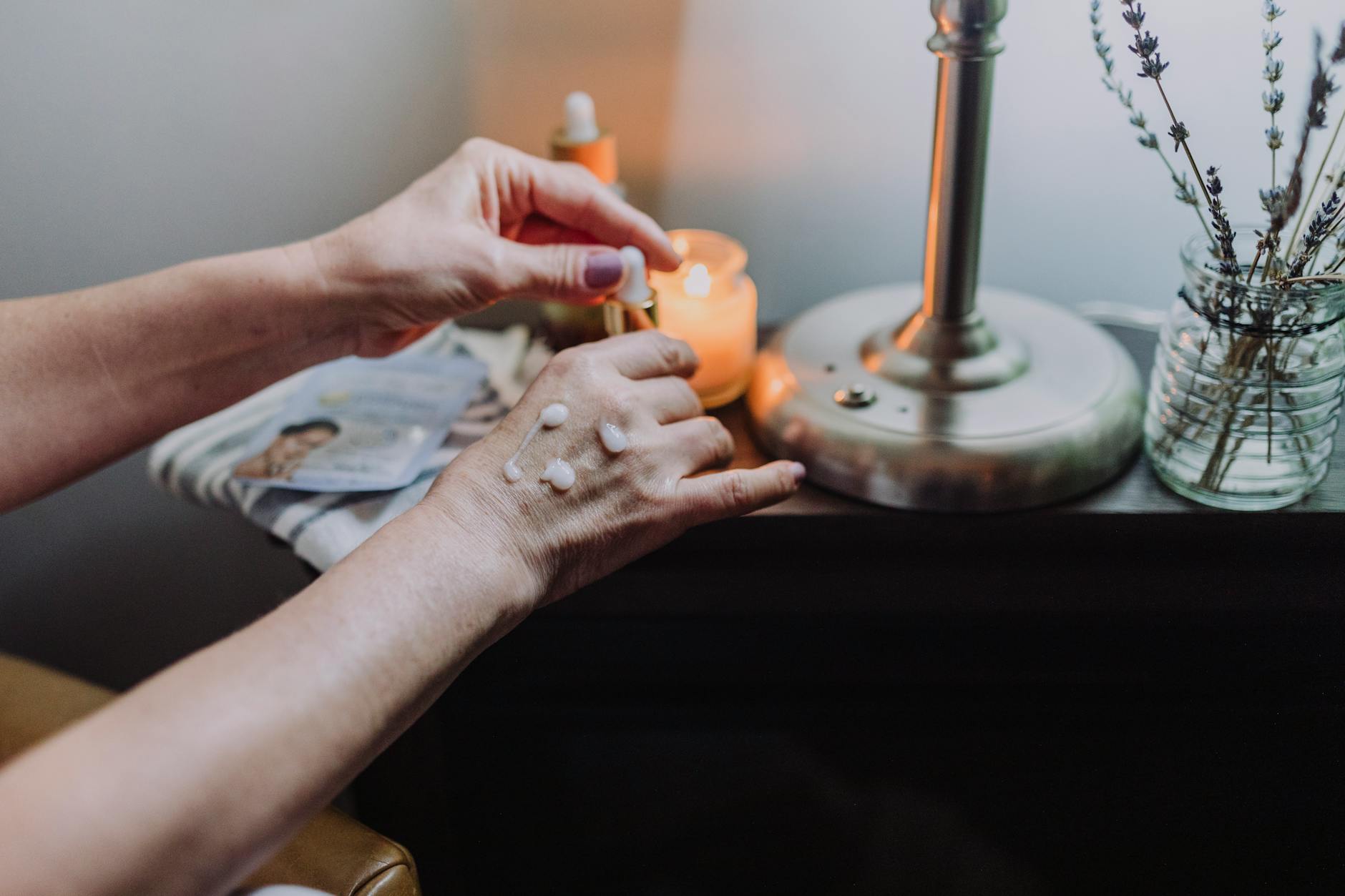
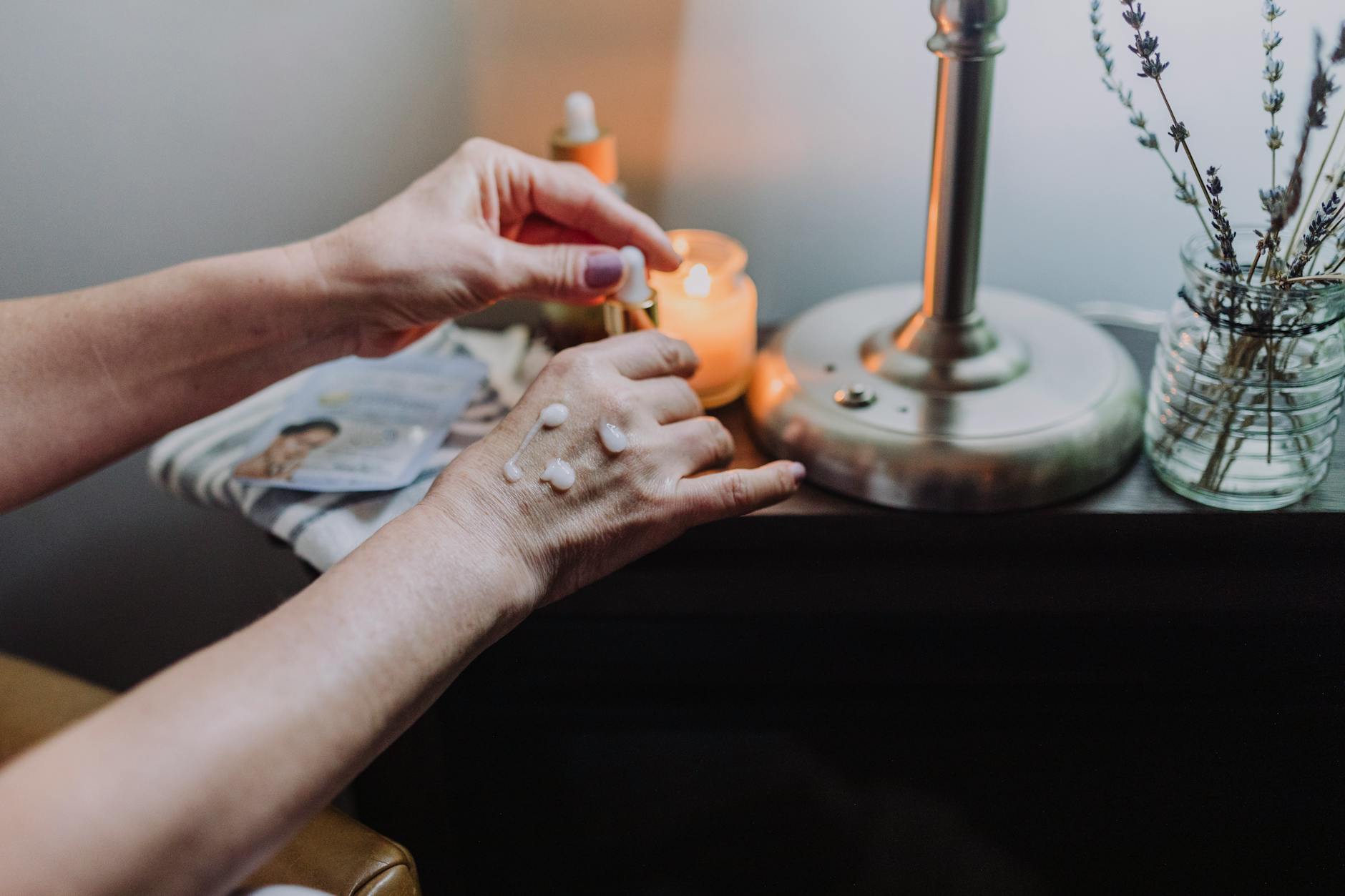
Before applying any new night cream to your entire face, perform a patch test to avoid potential irritation or adverse reactions. Apply a small amount behind your ear or on your inner wrist, then wait 24-48 hours to check for redness, itching, or swelling.
Apply product to a small skin area and wait 48 hours before full use.
Use every other night for the first week to let your skin adjust.
Give products 4-6 weeks to show visible improvements in skin texture.
Most night creams require 4-6 weeks of consistent use before you notice meaningful changes. Stop using the product immediately if you experience persistent burning, severe redness, or new breakouts that worsen after two weeks.
Common Mistakes to Avoid

Many beginners make avoidable mistakes that can worsen skin problems or slow progress. Using day cream formulas at night is a common error—day creams contain lighter ingredients that won't provide the deep repair your skin needs overnight. Choosing products based solely on price leads to poor matches for your skin type.
Switching products too frequently prevents you from seeing real results. Your skin needs 4-6 weeks to adjust to new ingredients. For example, jumping between three different retinol creams in two months will likely cause irritation without the anti-aging benefits you're seeking.
Your Next Steps
Start by identifying your skin type and concerns using the assessment method we covered. Choose one night cream matching your profile and test it for 2-4 weeks before making adjustments. Monitor your skin's response carefully.
If you experience persistent irritation, worsening breakouts, or concerning changes that might lead to scarring, schedule a dermatology consultation immediately. Professional guidance prevents complications and accelerates your path to clear skin through personalized treatment plans.
Choose based on your skin type, start slowly, and seek professional help when results stagnate or problems worsen.
Frequently Asked Questions
How do I determine my skin type before choosing a night cream?
Wash your face with a gentle cleanser and wait two hours without applying any products. Press blotting paper on your T-zone and cheeks to check oil levels in different areas. Notice if your skin feels tight, comfortable, or shows visible oil shine to determine your skin type.
What ingredients should I look for in a night cream?
Look for essential moisturizing ingredients like hyaluronic acid, which holds up to 1,000 times its weight in water, and ceramides that restore your skin's protective barrier. For specific concerns, retinol helps prevent breakouts and improves texture, while niacinamide reduces inflammation and salicylic acid gently exfoliates pores overnight.
How should I test a new night cream before using it?
Before applying any new night cream to your entire face, perform a patch test to avoid potential irritation or adverse reactions. Apply a small amount behind your ear or on your inner wrist, then wait 24-48 hours to check for any negative reactions.
What night cream ingredients should sensitive skin avoid?
Sensitive skin should avoid fragrances, essential oils, and high concentrations of acids. Start with simple formulations containing glycerin and peptides before introducing stronger actives like retinol or alpha hydroxy acids.
How do I prioritize multiple skin concerns when choosing a night cream?
Start with your most bothersome concern first, then find formulas that address secondary issues. Age plays a role in prioritizing concerns, with those in their twenties often focusing on prevention and acne control, while people over thirty might prioritize anti-aging alongside hydration.
Disclaimer: This content is for informational purposes only and does not constitute medical advice. Always consult a qualified healthcare provider before making health decisions.