Retinoids: The Gold Standard

Retinoids remain dermatology's most scientifically proven anti-aging ingredient, with decades of research backing their effectiveness. These vitamin A derivatives work by accelerating cell turnover and stimulating collagen production, addressing multiple signs of aging simultaneously.
“Retinoids are the only topical ingredient with FDA approval for treating photoaging and fine lines.”
Understanding potency levels helps you choose wisely. Retinol offers moderate strength and tolerability, while retinyl palmitate provides gentler effects for sensitive skin. Start with 0.25% retinol concentration to minimize irritation—you can always increase strength later.
Apply retinoids only at night since sunlight deactivates them and increases photosensitivity. Begin with twice-weekly use, gradually increasing to nightly application as your skin adapts. This careful approach prevents the redness and peeling that worry many beginners.
Patience pays off with retinoids. Expect visible improvements in texture and fine lines after 6-12 weeks of consistent use, with continued benefits developing over months.
Vitamin C: Antioxidant Protection

Vitamin C stands as the second pillar of anti-aging skincare, offering powerful antioxidant protection that complements retinoids perfectly. This ingredient fights free radical damage from UV exposure and pollution while stimulating collagen production for firmer skin.
“Vitamin C acts as your skin's daily shield against environmental damage that can lead to premature aging.”
Choose L-ascorbic acid for maximum potency or magnesium ascorbyl phosphate for sensitive skin. The sweet spot lies between 10-20% concentration—higher percentages often irritate without added benefits. Apply vitamin C serum every morning before sunscreen to maximize UV protection throughout the day.
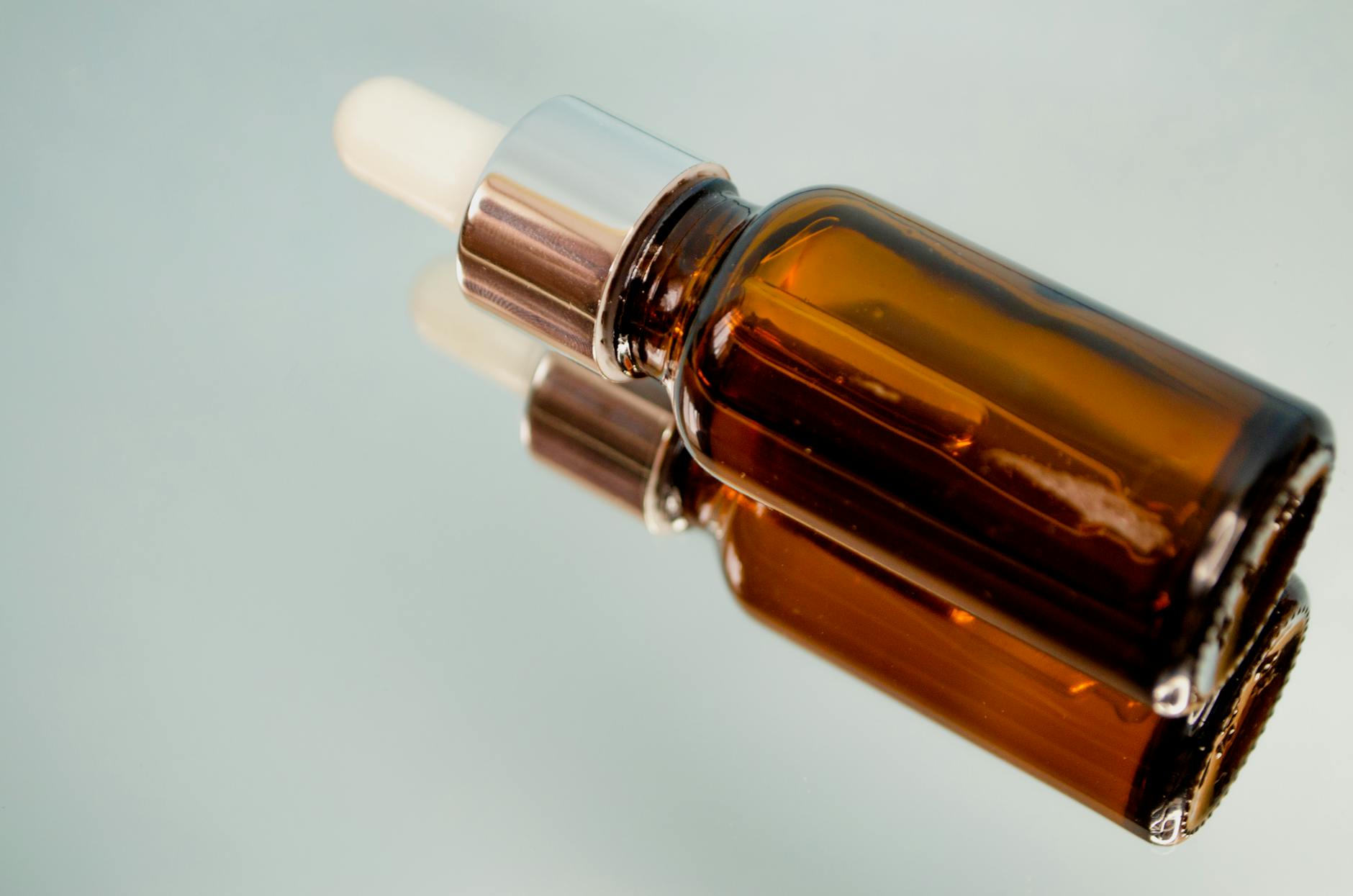
Always select serums packaged in dark, opaque bottles. Vitamin C degrades rapidly when exposed to light and air, turning brown and losing effectiveness. Store your serum in a cool, dark place to maintain its potency and ensure you're getting the full anti-aging benefits your skin deserves.
Hyaluronic Acid: Hydration Powerhouse
Hyaluronic acid stands out as the ultimate hydration hero for aging skin. This powerful humectant can hold up to 1,000 times its weight in water, creating an instant plumping effect that smooths fine lines and restores your skin's youthful bounce.
Different molecular weights target various skin layers. High molecular weight hyaluronic acid creates a protective barrier on your skin's surface, while low molecular weight versions penetrate deeper for lasting hydration. This ingredient works safely across all skin types, making it ideal for sensitive complexions worried about irritation.
Always apply hyaluronic acid to damp skin for maximum effectiveness, then seal with moisturizer to lock in the hydration.
Niacinamide: Multi-Benefit Workhorse
Niacinamide stands out as one of the gentlest yet most effective anti-aging ingredients available. This form of vitamin B3 delivers visible results without causing irritation, making it perfect for sensitive skin types worried about reactions that could worsen their appearance.
Look for serums containing 5-10% niacinamide for optimal results. This ingredient minimizes pore appearance, controls excess oil production, and reduces inflammation. Unlike some actives, niacinamide plays well with others—you can safely layer it with retinol, vitamin C, or hyaluronic acid without fear of adverse reactions.
Alpha Hydroxy Acids: Surface Renewal

Alpha hydroxy acids remove dead skin cells from your skin's surface, revealing smoother, brighter skin underneath. These gentle chemical exfoliants work differently than physical scrubs, dissolving the bonds that hold old skin cells together without causing micro-tears that could lead to scarring.
Glycolic acid, derived from sugar cane, penetrates deepest due to its small molecular size. Lactic acid, from fermented milk, works more gently and provides additional hydration. Both deliver excellent results when used correctly.
Start with concentrations between 5-8% to build tolerance gradually. Use AHAs only at night and always apply sunscreen during the day, as these acids increase sun sensitivity significantly. Begin with 2-3 applications per week, allowing your skin to adapt before increasing frequency.
Combining Ingredients Safely
The wrong ingredient combinations can cause irritation, redness, or even worsen skin problems you're trying to fix. Strategic layering prevents these setbacks and maximizes each ingredient's benefits.
Use vitamin C serums in the morning and retinol products at night—this timing prevents potential interactions and optimizes their effectiveness. Niacinamide acts as a gentle team player that works well with virtually every other ingredient, making it perfect for sensitive skin.
Never layer AHAs with retinol on the same night, as this combination can cause severe irritation and compromise your skin barrier. Alternate these ingredients on different evenings instead.
Apply new combinations to your inner arm for 24 hours before using on your face.
Add one new ingredient every two weeks to identify any reactions.
Start slowly with proven combinations like vitamin C mornings and retinol nights to build your ideal routine safely.
Frequently Asked Questions
How long does it take to see results from retinoids?
You can expect to see visible improvements in skin texture and fine lines after 6-12 weeks of consistent retinoid use. Continued benefits will develop over months as you maintain regular application. It's important to be patient as retinoids work gradually to accelerate cell turnover and stimulate collagen production.
Should I use vitamin C in the morning or at night?
Vitamin C should be applied every morning before sunscreen to maximize UV protection throughout the day. This timing allows vitamin C to act as your skin's daily shield against environmental damage from UV exposure and pollution. Applying it in the morning helps fight free radical damage that can lead to premature aging.
What concentration of retinol should beginners start with?
Beginners should start with 0.25% retinol concentration to minimize irritation and can always increase strength later. Begin with twice-weekly use, gradually increasing to nightly application as your skin adapts. This careful approach prevents the redness and peeling that worry many first-time retinoid users.
How much water can hyaluronic acid hold?
Hyaluronic acid can hold up to 1,000 times its weight in water, creating an instant plumping effect that smooths fine lines. This powerful humectant provides 24-hour hydration duration and works safely across all skin types. For maximum effectiveness, always apply hyaluronic acid to damp skin and seal with moisturizer.
What is the best vitamin C concentration for anti-aging?
The optimal vitamin C concentration lies between 10-20% for anti-aging benefits. Higher percentages often cause irritation without providing additional benefits. Choose L-ascorbic acid for maximum potency or magnesium ascorbyl phosphate if you have sensitive skin.
Disclaimer: This content is for informational purposes only and does not constitute medical advice. Always consult a qualified healthcare provider before making health decisions.