Quick Verdict: Which Anti-Aging Option Is Right for You?

Choosing the right anti-aging approach depends on your skin concerns and lifestyle. Serums work best for targeting specific issues like fine lines or dark spots with concentrated ingredients that penetrate quickly. Their lightweight formulas won't clog pores or cause irritation that leads to scarring.
"The key is matching your treatment intensity to your skin's tolerance level."
Creams excel at providing moisture and strengthening your skin barrier, making them perfect for daily maintenance. They're gentler than serums and help prevent the dryness that can worsen existing skin problems.
Professional treatments deliver the most dramatic results for stubborn signs of aging. Dermatologists can safely perform procedures that would be too aggressive for home use, ensuring you get results without risking permanent damage to your skin.
Anti-Aging Serums: Concentrated Power

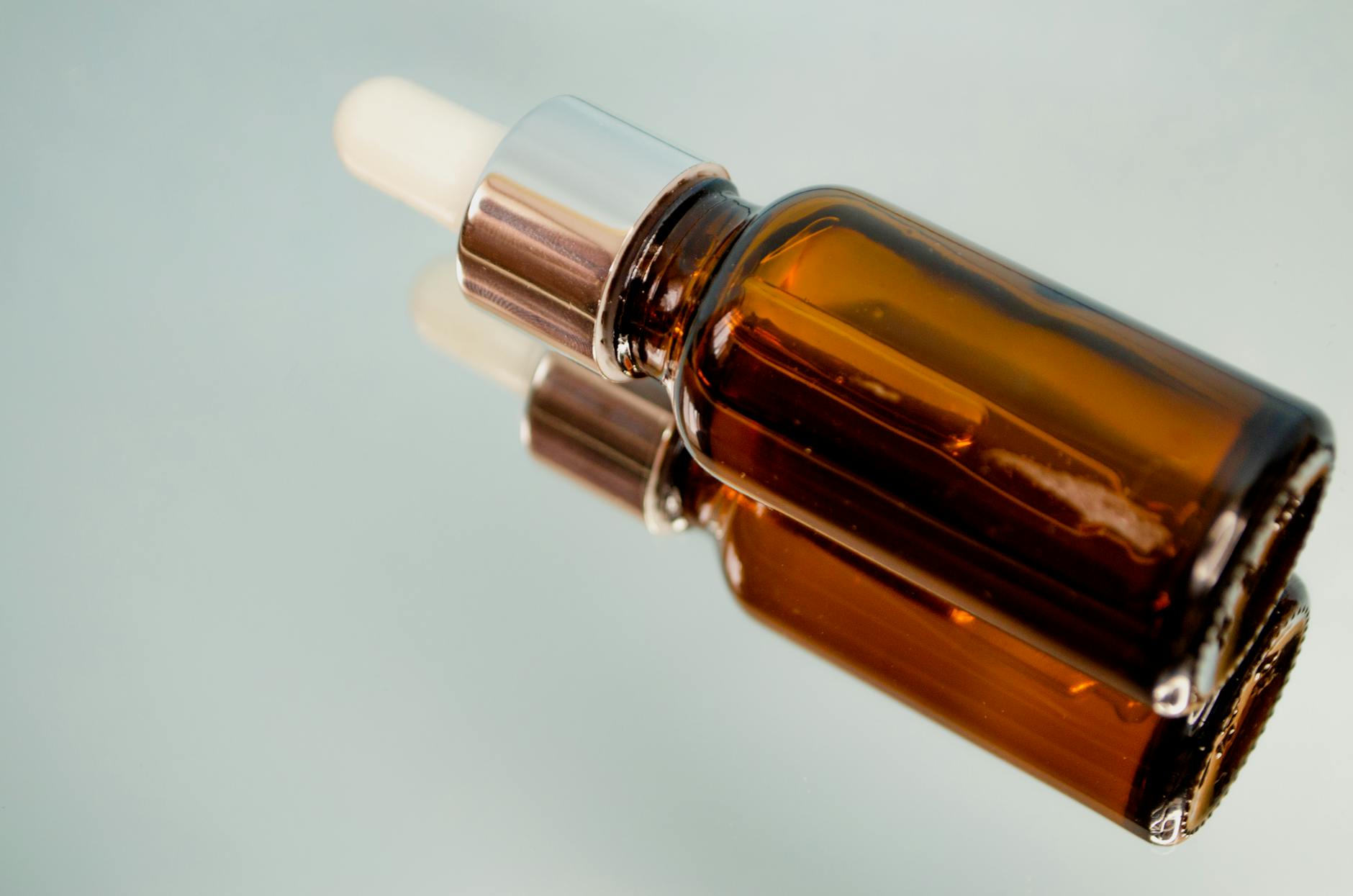
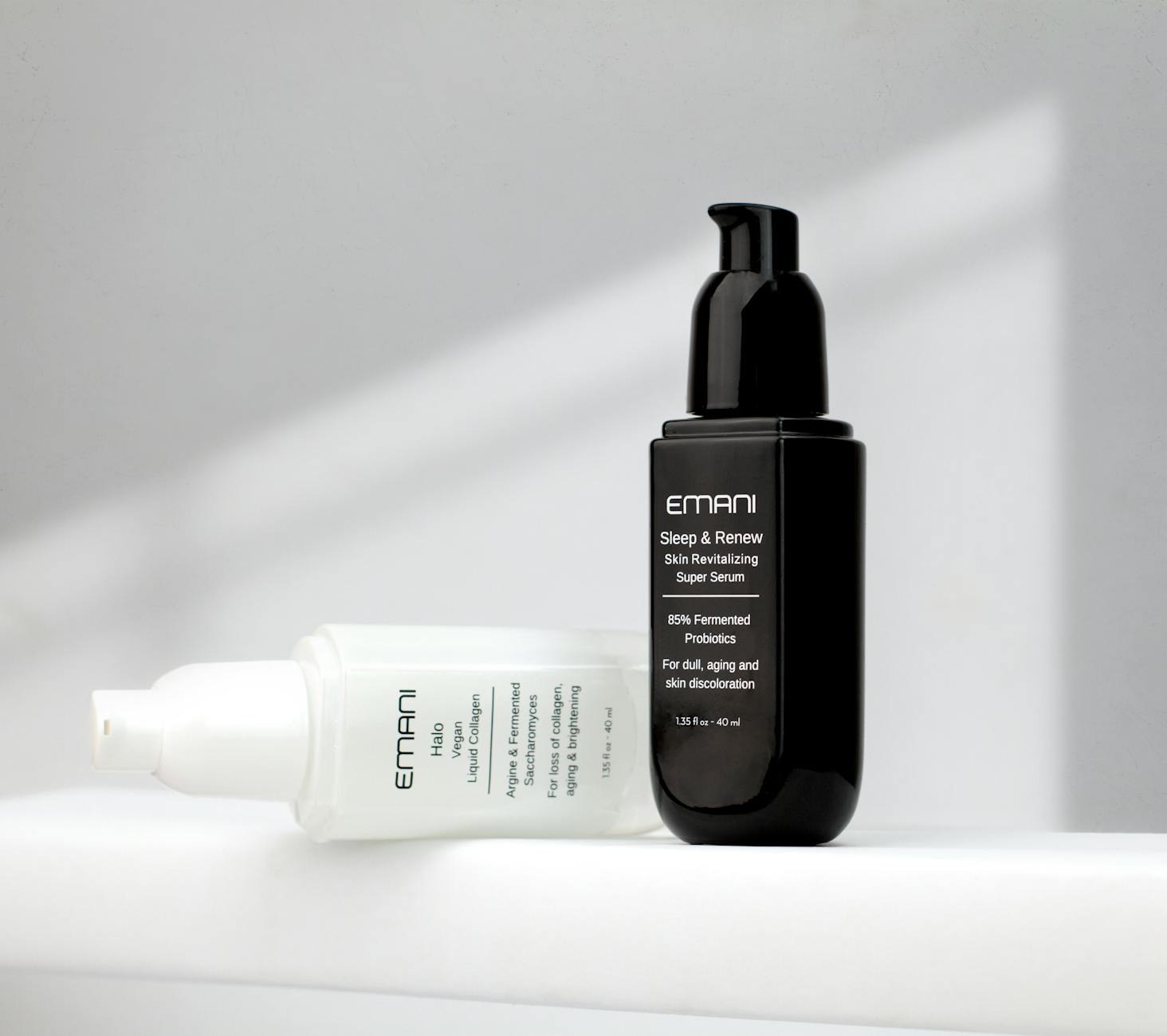
Serums pack the highest concentration of active ingredients into lightweight formulations that penetrate deeper than heavier products. Think of them as your skin's espresso shot—small but mighty doses of powerful compounds like retinol, vitamin C, or hyaluronic acid.
“Serums deliver up to 70% active ingredients compared to creams' typical 5-10%.”
Their watery or gel-like texture allows molecules to reach deeper skin layers where aging actually begins. This makes serums particularly effective for targeting specific concerns like fine lines around the eyes or stubborn dark spots that won't fade with regular moisturizers.
For example, a vitamin C serum can brighten sun damage within weeks, while a retinol serum smooths fine lines faster than cream formulations. The key is choosing serums with proven ingredients at effective concentrations—look for 10-20% vitamin C or 0.25-1% retinol for beginners.
Use serums on clean skin before moisturizer, starting every other night to avoid irritation that could worsen skin concerns.
Anti-Aging Creams: Moisture and Protection
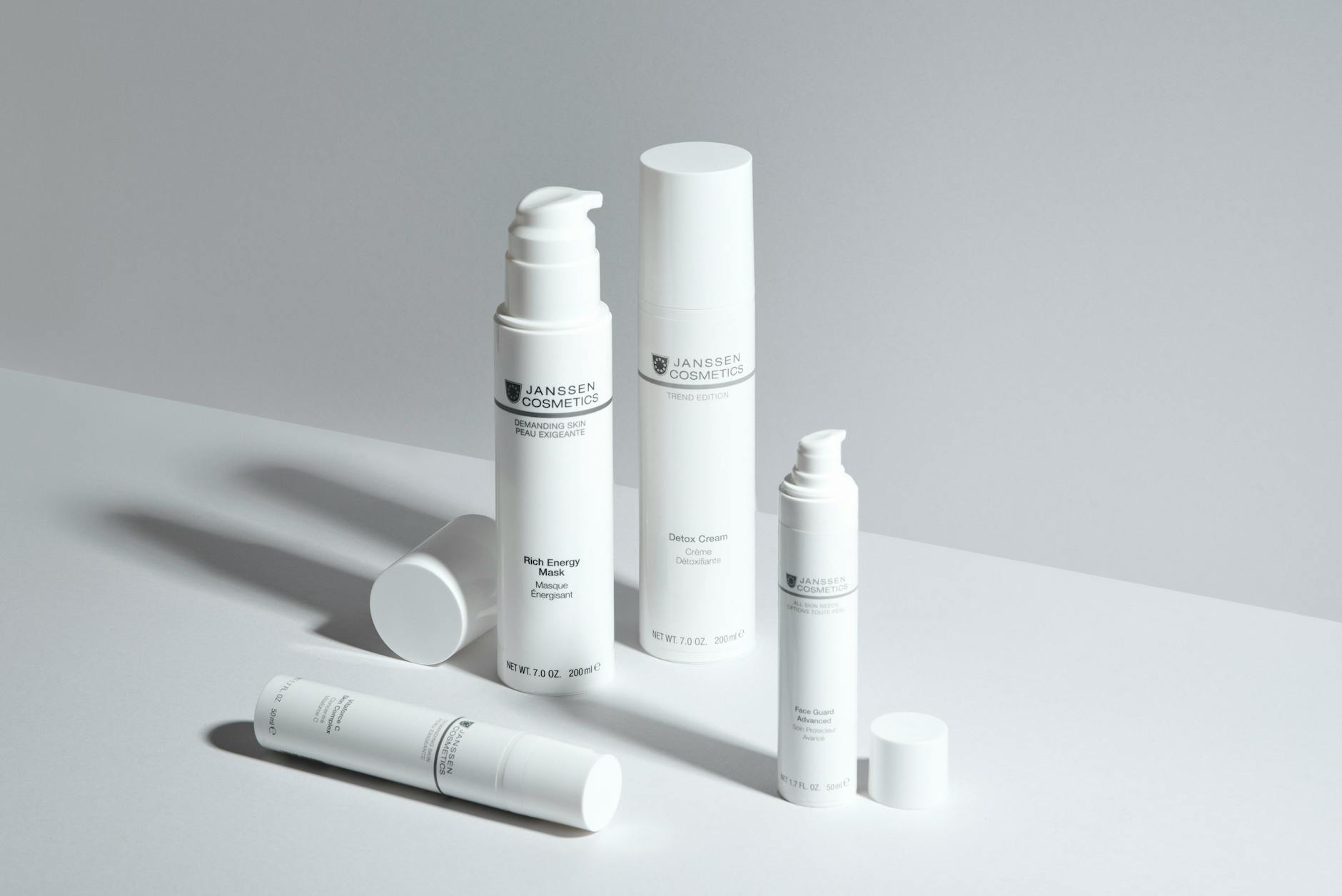
Anti-aging creams offer a different approach than serums, focusing on moisture delivery and sustained protection. The cream base creates an occlusive barrier that prevents water loss while slowly releasing active ingredients throughout the day or night.
This moisturizing foundation supports your skin barrier function, which becomes increasingly important as aging compromises natural hydration. The thicker texture means slower absorption compared to serums, providing extended contact time between ingredients and your skin. This gradual release system works particularly well for retinoids and peptides that benefit from prolonged exposure.
Creams excel for dry skin types and overnight repair routines. If you struggle with tightness, flaking, or irritation from active ingredients, the cream format provides buffering protection while delivering anti-aging benefits. Night creams containing retinol or glycolic acid exemplify this sustained-release advantage, working while you sleep without causing excessive dryness.
Professional Treatments: Maximum Results
When serums and creams aren't delivering the dramatic changes you want, professional treatments offer the strongest anti-aging results. These in-office procedures use medical-grade technology and ingredients far more powerful than anything you can buy over the counter.
Chemical peels remove damaged skin layers to reveal smoother texture underneath. Laser treatments target deep wrinkles and sun damage with precision heat energy. Injectable treatments like Botox temporarily relax muscles that cause expression lines, while dermal fillers restore lost volume.
Professional treatments work best for advanced aging signs or stubborn concerns that topical products can't address. Board-certified dermatologists ensure safe procedures with minimal risk of scarring when performed correctly.
How to Choose: Your Skin Type and Goals Matter

Your skin type determines which product format works best. Oily skin responds well to lightweight serums that won't clog pores, while dry skin benefits from the richer moisture barrier that creams provide. Sensitive skin often tolerates gentle treatments better than potent at-home products.
Consider your daily routine honestly. Serums require consistent morning and evening application, while professional treatments demand monthly appointments but less daily effort. If you struggle with daily skincare habits, quarterly professional sessions might suit you better than twice-daily serum application.
Budget plays a crucial role in long-term success. Quality serums cost $30-80 monthly, creams range $20-60, while professional treatments run $150-500 per session. Factor in the time commitment too – serums need 30 seconds daily, creams take one minute, and professional appointments require 2-3 hours including travel time.
Match your choice to your specific concerns rather than following trends or general recommendations.
Can You Use Multiple Approaches Together?
Yes, combining serums, creams, and professional treatments creates powerful anti-aging results when done strategically. Apply serums first, then creams to lock in active ingredients. Schedule professional treatments like chemical peels or laser sessions with your dermatologist's guidance to avoid skin damage.
Apply thinnest to thickest: serum, then moisturizer, then sunscreen.
Never mix retinol with vitamin C or acids without professional guidance.
Start with one product, add others gradually, and always consult your dermatologist before combining professional treatments with home care.
Frequently Asked Questions
What's the difference between anti-aging serums and creams?
Serums contain up to 70% active ingredients in lightweight formulations that penetrate deeper into skin, making them ideal for targeting specific issues like fine lines or dark spots. Creams focus on moisture delivery and sustained protection with slower absorption, providing extended contact time and working well for dry skin types. Serums work like concentrated treatments while creams provide barrier protection and gradual ingredient release over 8+ hours.
How much vitamin C or retinol should I look for in anti-aging serums?
For effective results, look for serums with 10-20% vitamin C or 0.25-1% retinol if you're a beginner. These concentrations provide proven anti-aging benefits without excessive irritation. Start using retinol serums every other night on clean skin before moisturizer to avoid irritation that could worsen skin concerns.
Which anti-aging option gives the best results for stubborn signs of aging?
Professional treatments deliver the most dramatic results for stubborn signs of aging that don't respond to serums and creams. Dermatologists can safely perform procedures using medical-grade technology and ingredients far more powerful than home products. These in-office treatments ensure you get maximum results without risking permanent damage to your skin.
Are anti-aging creams better for dry skin than serums?
Yes, creams excel for dry skin types because they create an occlusive barrier that prevents water loss and reduces it by up to 30%. The thicker texture provides buffering protection while delivering anti-aging benefits, making them ideal if you struggle with tightness, flaking, or irritation from active ingredients. Creams work particularly well for overnight repair routines with sustained ingredient release.
How should I choose between serums, creams, or professional treatments?
Choose based on your skin concerns and tolerance level - serums work best for targeting specific issues with concentrated ingredients that penetrate quickly without clogging pores. Creams excel at providing moisture and daily maintenance for gentler care that prevents dryness. Professional treatments are ideal when you want the most dramatic results for stubborn aging signs that home products can't address.
Disclaimer: This content is for informational purposes only and does not constitute medical advice. Always consult a qualified healthcare provider before making health decisions.