What Are Growth Factor Serums and How They Work

Growth factors are naturally occurring proteins your body produces to signal cells when to repair, regenerate, and heal damaged tissue. Think of them as molecular messengers that tell your skin cells to work harder at fixing problems like acne scars, fine lines, and inflammation that can lead to permanent scarring.
“Growth factors act like molecular messengers that tell your skin cells to work harder at fixing damage.”
When applied topically in serum form, these proteins penetrate the skin's surface and stimulate cellular repair processes. They encourage your skin to produce more collagen, speed up cell turnover, and improve the overall healing response. This mechanism helps prevent the formation of permanent acne scars while promoting faster recovery from breakouts.
Growth factor serums come in two main types: synthetic versions created in laboratories and naturally-derived ones extracted from sources like plant stem cells or human cell cultures. Synthetic growth factors offer consistent potency and stability, while naturally-derived options provide a complex blend of supporting compounds. For example, EGF (Epidermal Growth Factor) serums help accelerate wound healing, which is particularly beneficial for active acne lesions.
Both types work by binding to specific receptors on your skin cells, triggering the natural repair cascade that keeps skin healthy and resilient against future breakouts.
Key Types of Growth Factors in Skincare

Understanding the different types of growth factors helps you choose the right serum for your specific skin concerns. Each growth factor targets different layers and functions of your skin, working together to prevent the permanent damage that many people worry about.
EGF (Epidermal Growth Factor) focuses on your skin's surface layer. This growth factor speeds up cell turnover and helps repair minor damage quickly. Think of EGF as your first line of defense against everyday wear and environmental damage.
“Each growth factor acts like a specialized repair crew, targeting specific skin concerns with precision.”
FGF (Fibroblast Growth Factor) works deeper in your skin to boost collagen production. Collagen keeps your skin firm and smooth, so FGF helps maintain that youthful structure. This growth factor is particularly valuable for preventing fine lines and maintaining skin elasticity.
Platelet-derived growth factors excel at healing and reducing inflammation. These growth factors help your skin recover from breakouts faster, which means less chance of scarring. They work by speeding up your natural healing processes.
TGF-beta (Transforming Growth Factor-beta) handles tissue remodeling and wound repair. This growth factor helps rebuild damaged skin tissue properly, ensuring that healing happens in an organized way that minimizes scarring.
Most effective growth factor serums combine multiple types to address various skin concerns simultaneously, giving you comprehensive protection and repair.
Proven Benefits for Anti-Aging and Skin Health
Growth factor serums deliver measurable improvements that go far beyond surface-level changes. Clinical studies consistently show these powerful ingredients work at the cellular level to transform your skin's health and appearance.
The most dramatic benefit is accelerated wound healing and repair. Growth factors signal your skin cells to regenerate faster, helping heal acne marks and preventing permanent scarring that causes social embarrassment. This same repair mechanism smooths existing texture issues and builds firmer, more resilient skin over time.
Fine lines and wrinkles respond particularly well to growth factor treatment. These proteins stimulate collagen production in deeper skin layers, creating noticeable plumping effects that soften aging signs. The results build gradually but consistently over several months of regular use.
Enhanced barrier function represents perhaps the most important long-term benefit. Stronger skin barriers retain moisture better, resist environmental damage, and maintain that healthy glow that signals optimal skin health.
How to Choose the Right Growth Factor Serum
Selecting the right growth factor serum requires understanding several key factors that affect both effectiveness and safety. The concentration of growth factors typically ranges from 0.5% to 10%, with higher percentages not always meaning better results for your skin type.
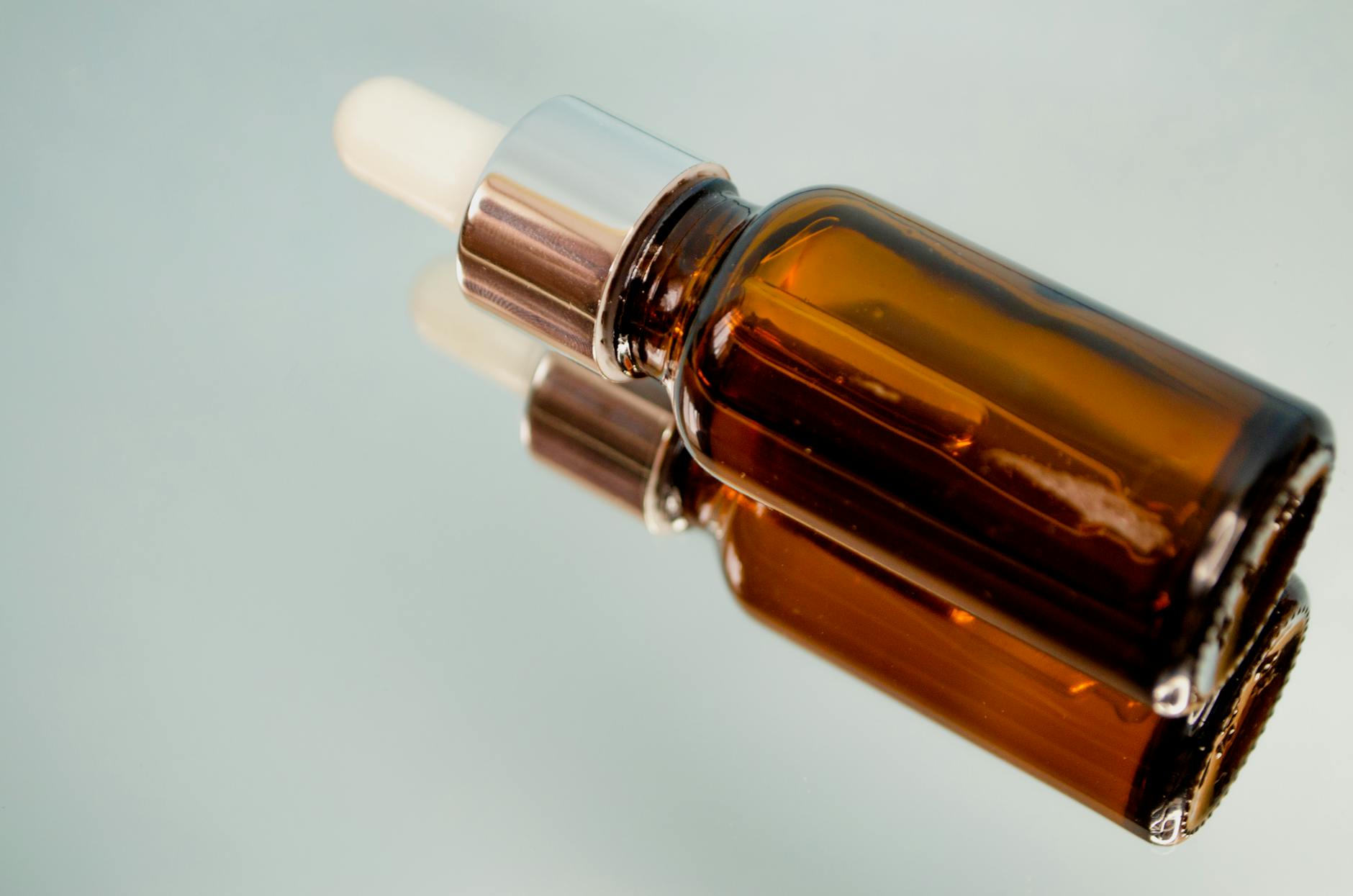
Formulation stability matters significantly because growth factors are delicate proteins that break down easily. Look for serums in dark glass bottles with airless pumps, which protect the active ingredients from light and air exposure. Liposomal delivery systems help growth factors penetrate deeper into your skin layers.
When combining with other actives, start slowly. Growth factor serums work well with hyaluronic acid and ceramides but may cause irritation when used with retinoids or acids initially. Begin with alternate-night application to prevent reactions that could worsen existing skin concerns.
Budget considerations include cost per ounce and frequency of use. Premium serums like SkinMedica TNS Essential Serum cost around $200 but last 2-3 months with daily use. More affordable options like Revision Skincare D.E.J Face Cream provide similar benefits at half the price. Consider your lifestyle too – if you travel frequently, choose products with stable packaging and longer shelf lives.
Application Tips and What to Expect

Proper application technique ensures you get the most from your growth factor serum while minimizing potential irritation. Clean skin provides the best foundation for absorption, so start with a gentle cleanser and pat your face completely dry.
Wash your face with a gentle cleanser and pat completely dry before application.
Use 2-3 drops on clean fingertips and gently press into skin, avoiding the eye area.
Allow 5-10 minutes for absorption before applying moisturizer and sunscreen.
Growth factor serums work best in evening routines, applied after cleansing but before heavier creams. Morning use requires diligent sunscreen application since these products can increase photosensitivity.
Expect gradual improvements over 6-12 weeks rather than overnight transformation. Initial mild redness or slight tingling is normal and typically subsides within the first week. This gentle approach reduces your risk of lasting skin damage while building healthier skin over time. Start with every other night applications for the first two weeks to assess your skin's tolerance before progressing to nightly use.
Growth Factor Serums vs Other Anti-Aging Options
Growth factor serums work differently than traditional anti-aging ingredients. While retinoids accelerate cell turnover and vitamin C provides antioxidant protection, growth factors focus on cellular communication and repair. This gentler approach makes them ideal for sensitive skin that can't tolerate stronger actives without irritation or scarring concerns.
Growth factors complement other treatments beautifully. You can layer them under retinoids for enhanced results, or combine them with vitamin C serums during different application times. Many patients use growth factors in the morning and retinoids at night for comprehensive anti-aging benefits.
Choose growth factors when your skin needs repair more than exfoliation. They excel for post-procedure healing, rosacea management, or when building tolerance to stronger ingredients. Think of them as your skin's recovery partner rather than its drill sergeant.
Growth factor serums work best as part of a complete routine, offering gentle repair that complements rather than competes with other anti-aging treatments.
Frequently Asked Questions
What are growth factors and how do they work for skin?
Growth factors are naturally occurring proteins your body produces to signal cells when to repair, regenerate, and heal damaged tissue. They act like molecular messengers that tell your skin cells to work harder at fixing problems like acne scars, fine lines, and inflammation. When applied topically in serum form, these proteins penetrate the skin's surface and stimulate cellular repair processes by encouraging collagen production and speeding up cell turnover.
What is the difference between synthetic and natural growth factor serums?
Growth factor serums come in two main types: synthetic versions created in laboratories and naturally-derived ones extracted from sources like plant stem cells or human cell cultures. Synthetic growth factors offer consistent potency and stability, while naturally-derived options provide a complex blend of supporting compounds. Both types work by binding to specific receptors on your skin cells and triggering the natural repair cascade.
What does EGF do for your skin?
EGF (Epidermal Growth Factor) focuses on your skin's surface layer and speeds up cell turnover to help repair minor damage quickly. It acts as your first line of defense against everyday wear and environmental damage. EGF serums are particularly beneficial for active acne lesions as they help accelerate wound healing.
How do growth factor serums help prevent acne scarring?
Growth factor serums help prevent acne scarring by encouraging faster recovery from breakouts and improving the overall healing response. Platelet-derived growth factors excel at healing and reducing inflammation, helping skin recover from breakouts faster with less chance of scarring. TGF-beta handles tissue remodeling and wound repair, ensuring that healing happens in an organized way that minimizes scarring.
What anti-aging benefits do growth factor serums provide?
Growth factor serums deliver measurable anti-aging improvements by working at the cellular level to transform skin health and appearance. FGF (Fibroblast Growth Factor) works deeper in the skin to boost collagen production, which keeps skin firm and smooth while preventing fine lines. Clinical studies show these serums can provide significant wrinkle reduction and faster healing times.
Disclaimer: This content is for informational purposes only and does not constitute medical advice. Always consult a qualified healthcare provider before making health decisions.